


Italian Baroque Style Lighting
Italian baroque style lighting brings dramatic carved giltwood and crystal sparkle to a room, channelling centuries of opulent southern European craftsmanship.
Italian Baroque Style Lighting
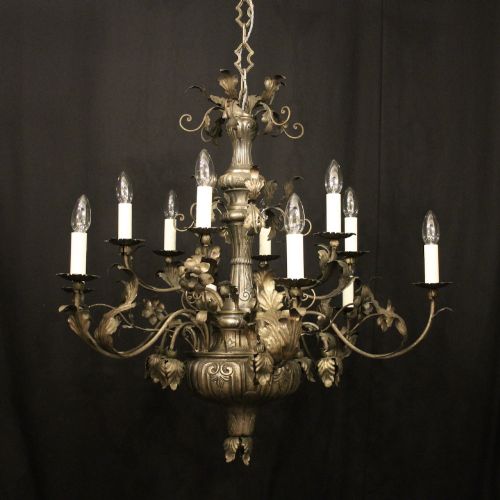
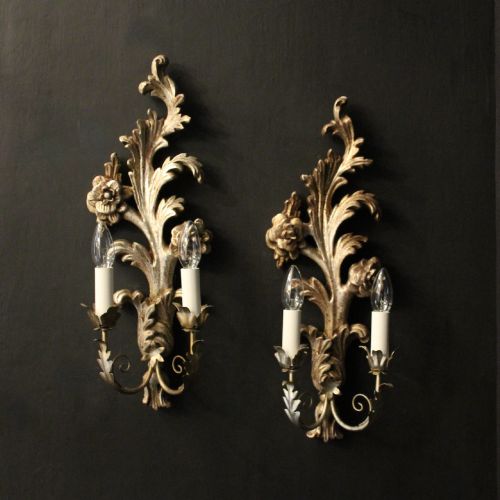
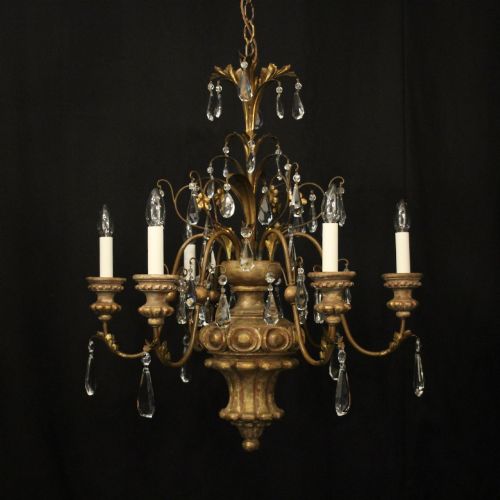
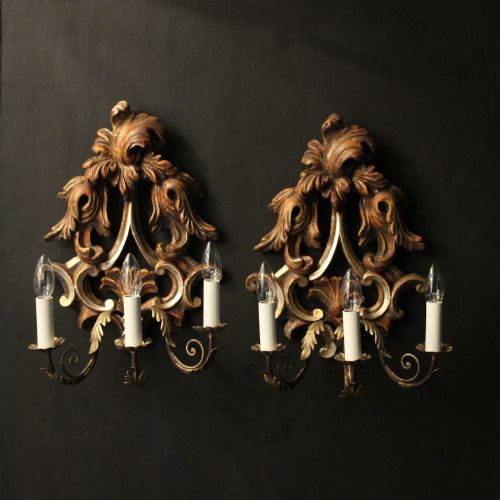
When you search for italian baroque style lighting, you encounter grand multi-tiered chandeliers, twin-arm wall sconces, and carved floor lamps dating from the eighteenth century through to the early twentieth century. The selection leans heavily toward wall lights and chandeliers originating from Florence, Genoa, and wider Italy, capturing the ornate aesthetic of the period.
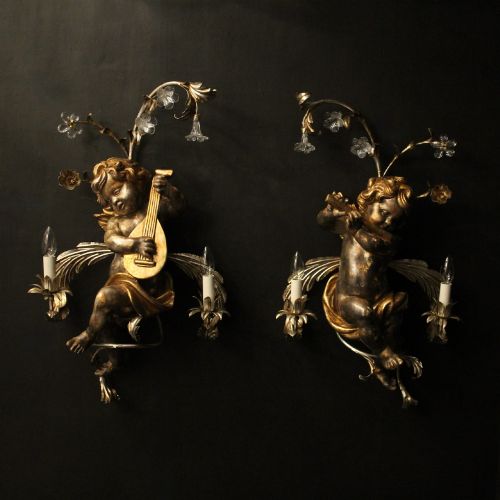
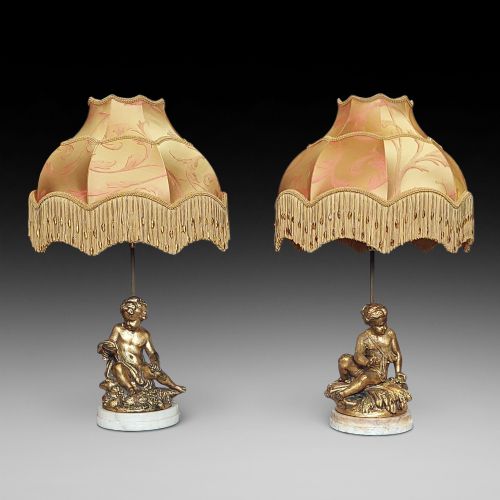
The objects span from intimate candle holders and table lamps up to monumental lanterns and standard lamps. Many pieces employ carved wooden bases adorned with cherubic figures or intricate foliage, reflecting regional Italian workshops across periods such as the Victorian era and the nineteen-twenties.
Materials and Construction
Makers shaped these fixtures primarily from carved wood, pinewood, and gesso, applying gold leaf, silver leaf, or polychrome paint to the surfaces. Giltwood provides the shimmering foundation for many wall lights and chandeliers, often paired with hand-carved details like cherubs and scrolling acanthus leaves.
Glass and crystal elements frequently complement the gilded woodwork, particularly in large multi-light chandeliers featuring Murano glass or beaded drops. Metal components, including gilded bronze, integrate with wooden structures to support candle branches and electrical fittings in later adaptations.
Several pieces feature watchful wooden cherubs holding up candle arms, seemingly frozen mid-flight while guarding your living room ceiling.
Evaluation and Craft
The standard of carving dictates the visual impact of each piece, distinguishing finely rendered human figures and deep relief foliage from simpler, flatter decoration. Crisp hand-chiselling in the wood and gesso layers holds the gilding better and creates sharper plays of light across the surface.
Proportion and scale also separate standard items from exceptional examples, as seen in monumental lanterns and multi-tiered chandeliers with balanced arm arrangements. The integrity of the original gilt surface, whether bright gold leaf or subtle silver gilding, determines the depth of character the fixture holds.
The Italian Baroque Style Lighting Glossary
- Giltwood
- Wood coated with a thin layer of gold leaf or powder over a prepared gesso ground. This technique creates a luminous, reflective surface characteristic of high-status southern European lighting.
- Gesso
- A plaster-like mixture applied to wood bases as a smooth foundation for gilding or painting. It allows artisans to carve fine details before applying metal leaf.
- Chandelier
- A branched, suspended lighting fixture designed to hold multiple candles or bulbs. Italian variants often incorporate tiered arrangements and crystal drops.
- Torchere
- A tall stand or floor lamp originally designed to hold a torch or heavy candle. Later examples function as standard lamps carrying decorative shades.
Italian Baroque Style Lighting: Frequently Asked Questions
How do I hang a heavy chandelier?
Large multi-tiered chandeliers require professional ceiling reinforcement to support their considerable wooden and metal weight safely. Installers must anchor the fixture directly into ceiling joists rather than relying on standard plaster cornices.
Electrical wiring also needs careful adaptation during installation to handle modern power loads while concealing cords within the central carved wooden shaft.
Where should I place wall sconces?
Twin-arm wall lights work best positioned at eye level on either side of a fireplace, large mirror, or architectural doorway. This placement mirrors historical interiors and balances the dramatic vertical lines of carved giltwood.
Ensure the wall construction can bear the weight of wooden sconces, particularly larger Florentine pieces featuring beaded drops and heavy gesso ornamentation.
How do I clean giltwood lighting?
Dust giltwood surfaces gently with a soft, dry ostrich feather duster or a clean, dry artist's paintbrush. Avoid using water, chemical sprays, or abrasive cloths, which can strip away delicate gold leaf and historical gesso.
For glass components or crystal drops, remove them carefully if possible and clean them with a mild soap solution before reattaching to the fixture.
Are these fixtures wired for electricity?
Many antique chandeliers and wall lamps arrive with modern electrical conversions fitted into their original candle sockets or internal channels. Buyers should have a qualified electrician inspect older wiring to ensure safety and compliance with current standards.
Some candle holders and altar sticks remain un-electrified, serving as traditional decorative stands or accepting modern taper candles.
How do I date an Italian piece?
Dating relies on examining the wood species, the composition of the underlying gesso, and the method of gilding applied by the maker. Eighteenth-century examples often display deeper hand-carving and distinct tool marks, whereas early twentieth-century revivals utilise specific machinery and consistent finish layers.
Stylistic shifts between strict baroque scrollwork and later rococo revival asymmetry also help narrow down the period of manufacture.