


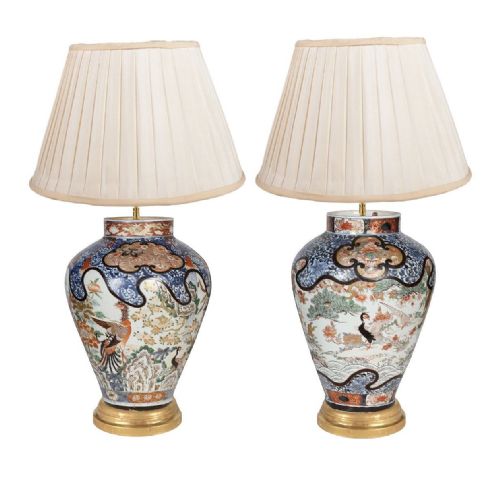

Red Painted Table Lamp
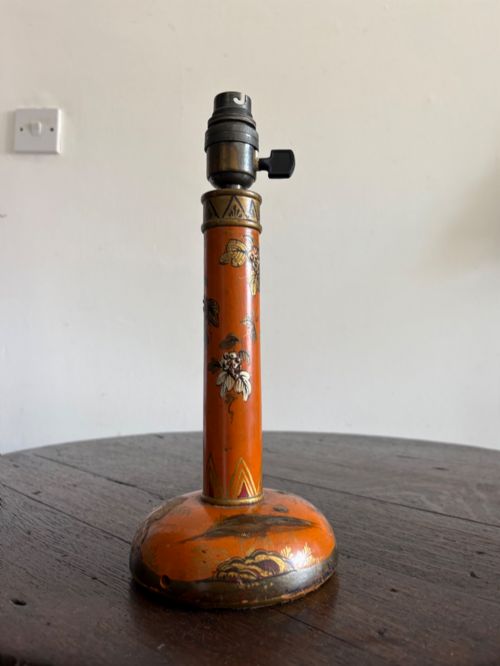
A red painted table lamp brings instant warmth to a room, offering rich colour and decorative hand-painted detail across various historical styles.
Red Painted Table Lamp
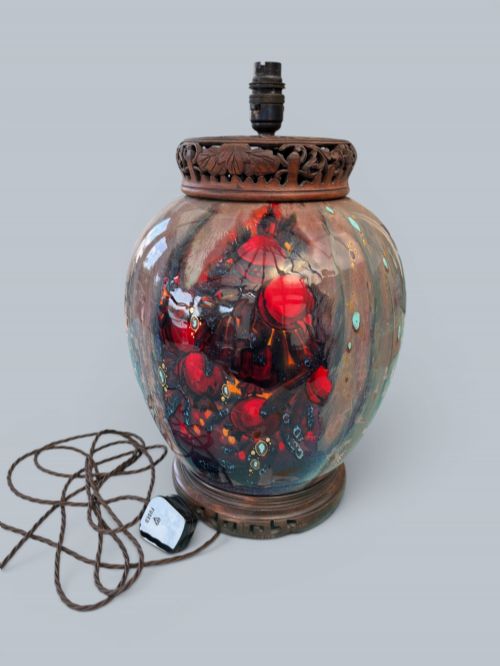
When searching for a red painted table lamp, buyers encounter a diverse range of items spanning several centuries, from 17th-century porcelain and 18th-century lamp tables to 1920s Chinoiserie lacquer and Art Deco faience. Many examples originate from conversions, where older vases, oil lamps, or occasional tables are adapted for modern electrical use.
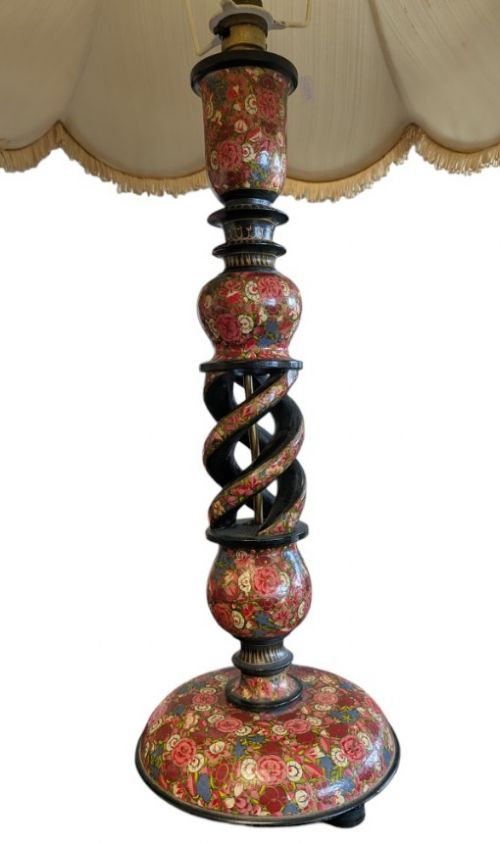
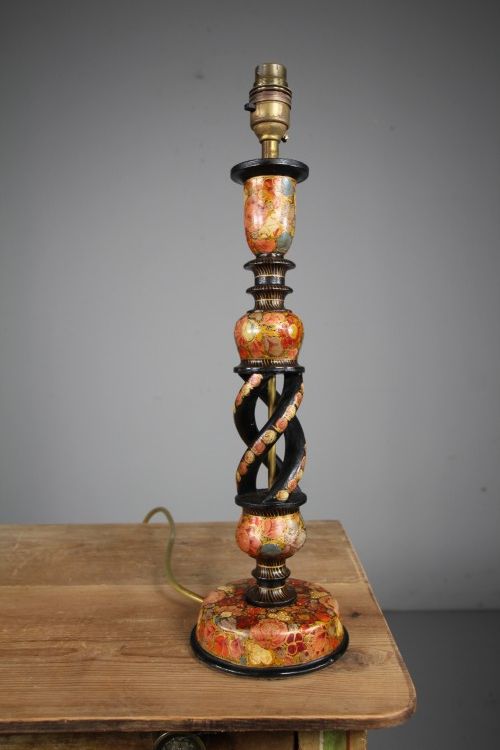
The selection includes distinct regional styles such as Kashmiri hand-painted pieces, Japanese Kutani and Imari porcelain mounts, and European Toleware or tole peinte lamps. Forms vary from traditional baluster vases and standard lamps to compact side tables with painted red surfaces.
Victorian and early 20th-century pieces dominate the current availability, frequently featuring scarlet, mandarin orange, or crimson finishes enriched with gilt or lacquerwork.
How they were made
Craftsmen utilised traditional timber, brass, porcelain, and papier-mâché, applying layers of paint, lacquer, or enamel to achieve durable and vibrant red finishes. Surface decoration often involved hand-painted Chinoiserie motifs, floral patterns, or gilt detailing over a prepared base.
Many lighting pieces incorporate repurposed elements, combining ceramic vases or bronze figures with brass mounts and fabric components to create functional lamps from older decorative objects.
The selection includes Italian Revival, Art Deco, and Anglo-Indian styles alongside traditional English and French Chinoiserie furniture adaptations.
What varies in quality
The finesse of the hand-painted decoration and the integrity of the original lacquer or paint layer largely dictate the distinction between average and exceptional pieces. Finely executed Chinoiserie scenes or detailed cold-painted bronze work demonstrate superior craftsmanship compared to simpler, uniform applications.
The harmony of the conversion - how neatly electrical wiring integrates with antique porcelain, brass, or wood without compromising the original object - marks the standard of the finished piece.
Bruno Zach·Bergman·Moorcroft
The Red Painted Table Lamp Glossary
- Chinoiserie
- European decorative style reflecting Chinese artistic influences, frequently seen on lacquered furniture and lamps. It employs motifs like figures, pagodas, and landscapes.
- Toleware
- Painted or enamelled sheet metalware, often associated with decorative trays and lamps produced in the 18th and 19th centuries. The technique uses oil-based paints on tinplate.
- Imari
- Japanese porcelain decorated in underglaze blue, iron red, and gilt, commonly produced in Arita from the 17th century onwards. These export wares frequently feature rich red and gold palettes.
- Cold painted
- A method of painting bronze or metal sculptures without firing the pigment in a kiln. The technique was widely utilised by Austrian and European foundries in the late 19th and early 20th centuries.
- Faience
- Tin-glazed earthenware popular in European ceramic production. It provides an opaque white surface suitable for vibrant hand-painted coloured designs.
Red Painted Table Lamp: Frequently Asked Questions
Are these converted lamps safe to use?
Many antique lamps undergo rewiring to meet modern electrical standards, allowing them to function safely in contemporary interiors.
Buyers should check individual listings to confirm whether a piece has been recently rewired or tested by a professional.
How do I identify a Chinoiserie lamp?
Chinoiserie lamps typically display hand-painted oriental scenes, motifs of pagodas, and figures set against red lacquer or painted wooden surfaces.
These designs reflect European interpretations of Chinese art, popular during the 18th century and revived in the 1920s.
What is the difference between porcelain and toleware lamps?
Porcelain lamps utilise ceramic vessels, such as Japanese Kutani or Arita Imari vases, mounted with hardware to hold electrical components. Toleware lamps are constructed from painted or enamelled sheet metal.
Both materials offer glossy red finishes, but porcelain brings translucent ceramic quality while metal provides robust painted surfaces.
How do I care for a painted antique lamp?
Preserving the surface requires gentle dusting with a soft cloth and avoiding harsh chemical cleaning products that might damage older paint or lacquer.
Keeping the lamp away from direct sunlight protects vibrant red pigments and gilt details from fading over time.