
Oriental Hand Painted Lamp
An oriental hand painted lamp brings painted detail and lacquer into a room, joining ginger jars and floor standards from past centuries.
Oriental Hand Painted Lamp
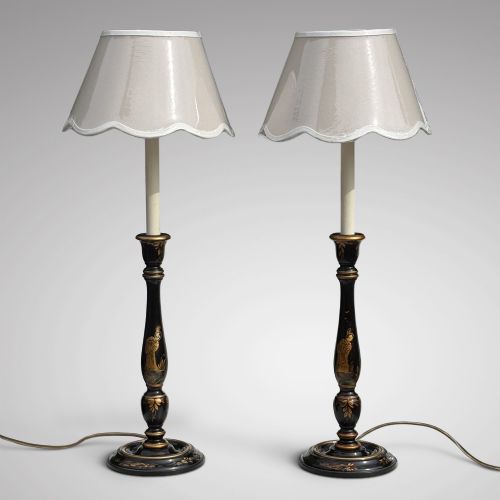
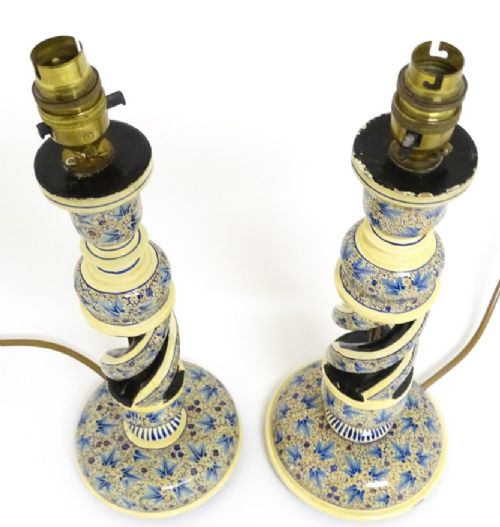
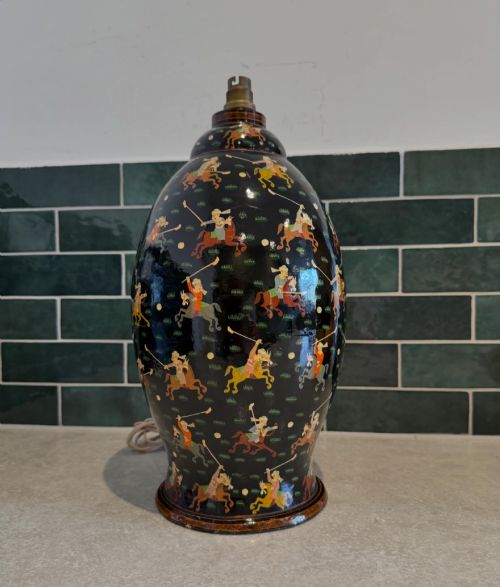
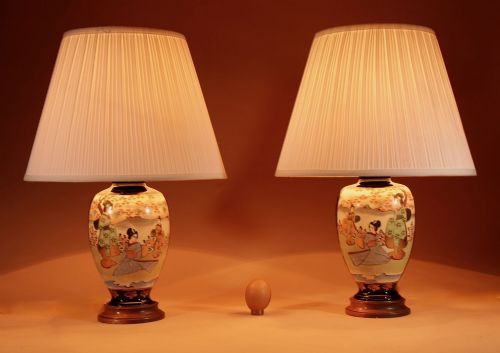
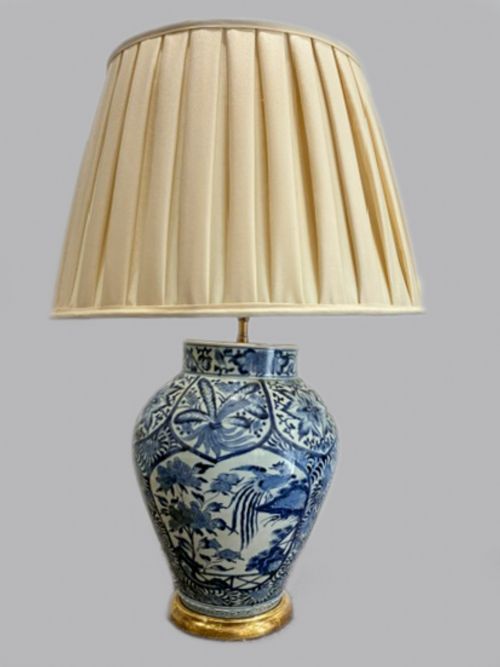
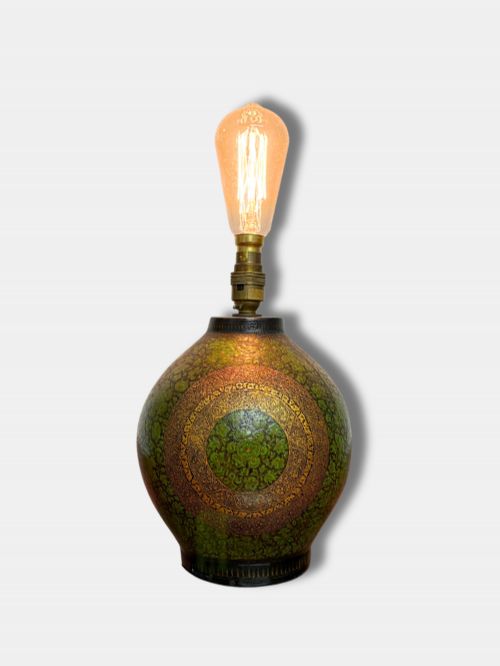
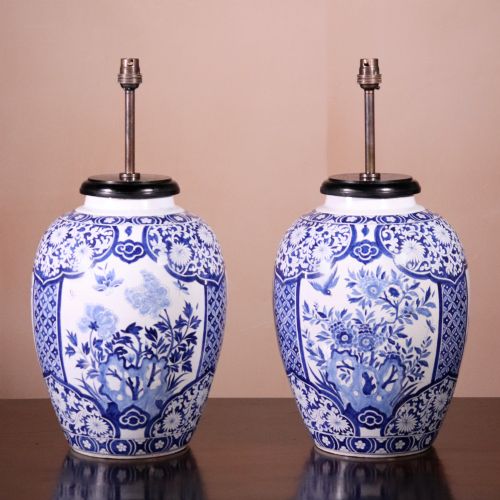
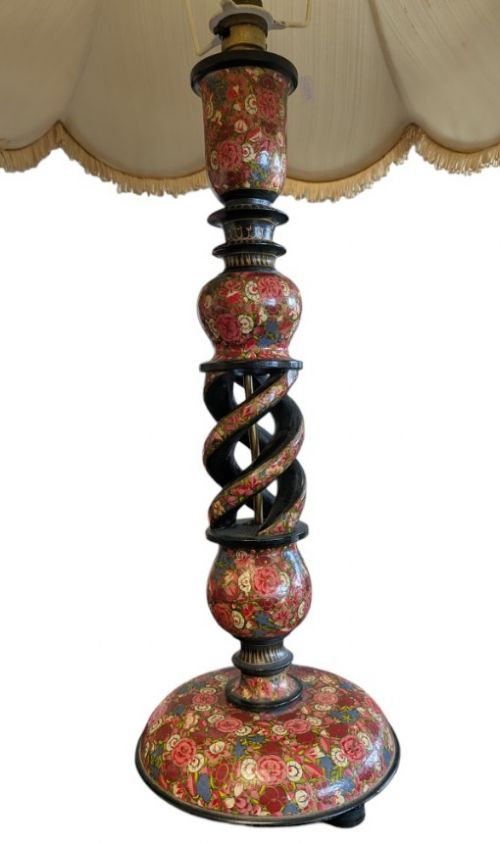
When you search for an oriental hand painted lamp, you find table lamps, floor standards, and converted vases dating from the seventeenth century through to the Edwardian period. The selection includes Chinese porcelain jar lamps, Japanese Satsuma and Kutani pieces, and Kashmiri lacquer work.
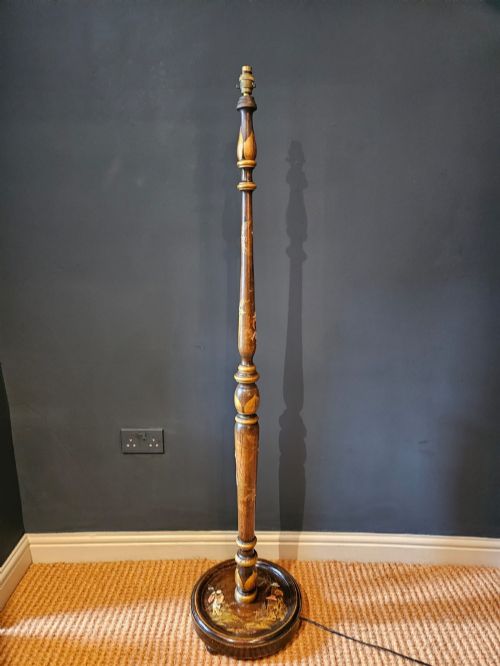
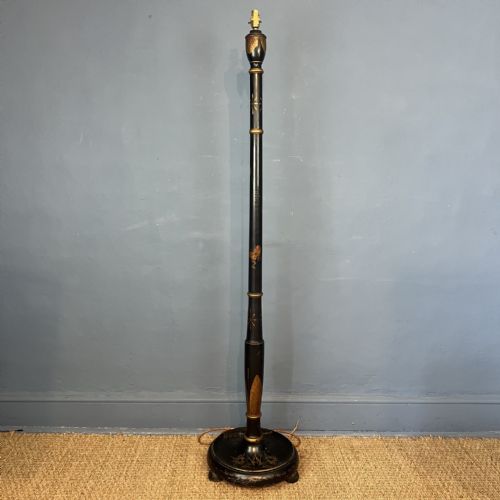
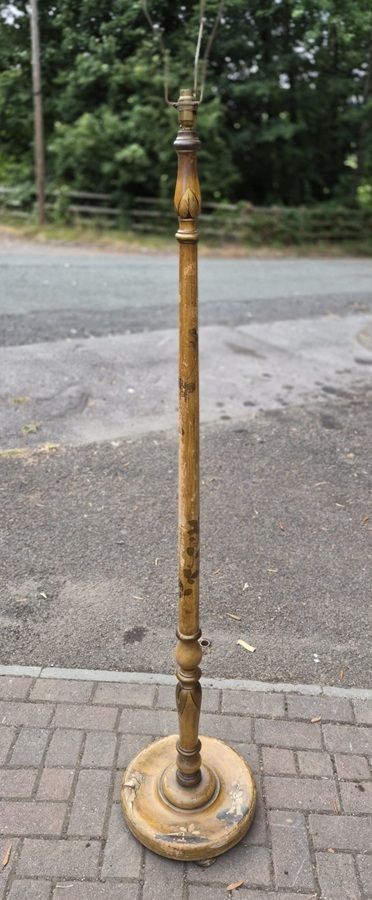
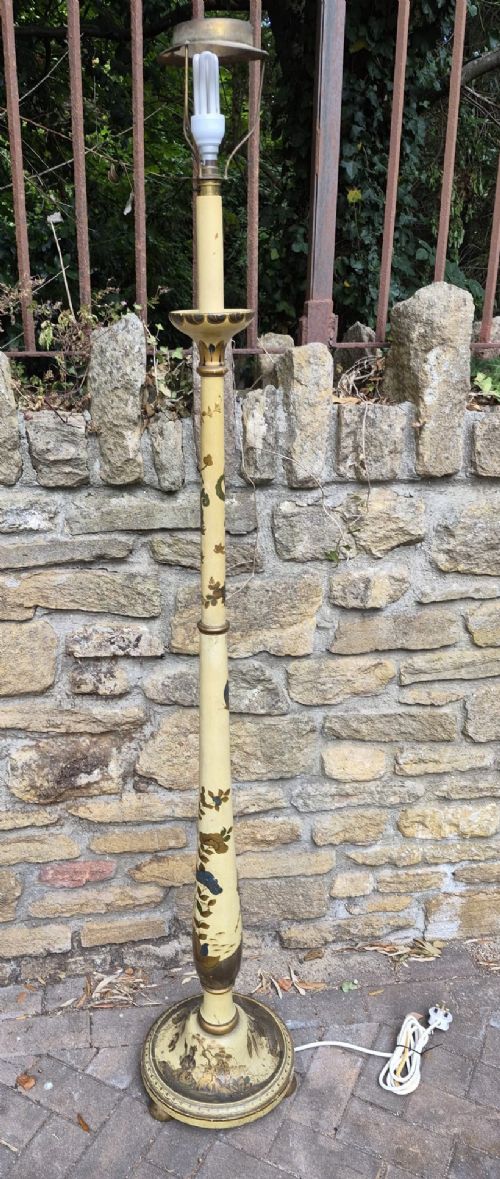
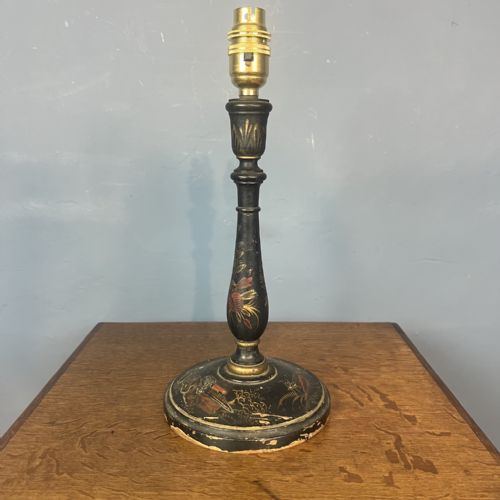
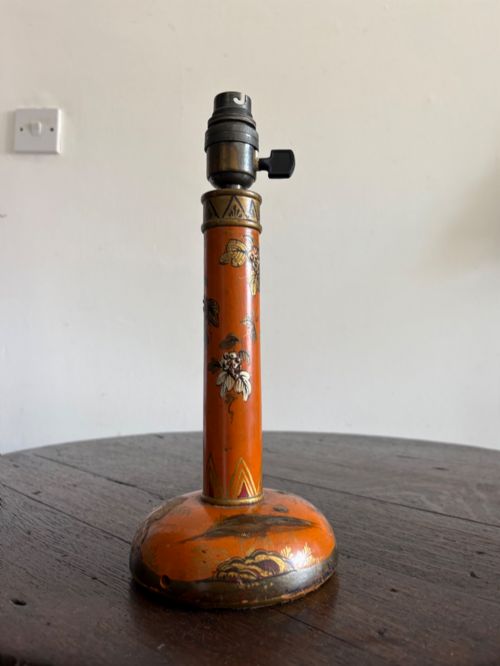
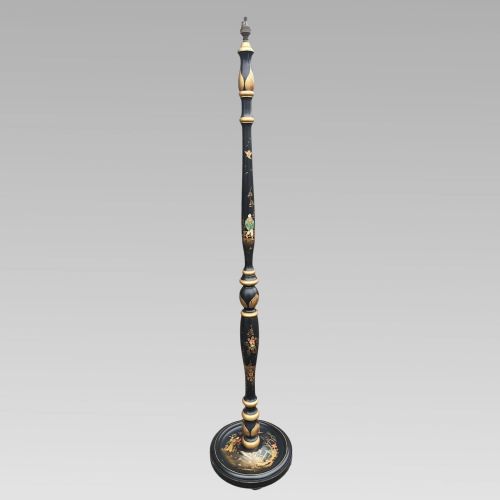
You meet standard lamps and smaller table models most frequently on this page. Many pieces pair hand-painted floral or figural scenes with black, green, or mandarin orange lacquer finishes on wood, brass, or porcelain.
How they were made
Craftsmen used porcelain, brass, wood, and papier-mâché as foundations for these pieces, applying layers of lacquer and gilt gold by hand. Ceramic vessels from Chinese and Japanese kilns were frequently fitted with electrical components later in their lives.
Painters applied fine brushwork to depict traditional motifs on jars, vases, and wooden standards. Fabric shades often complete the construction on standard lamps and table lights.
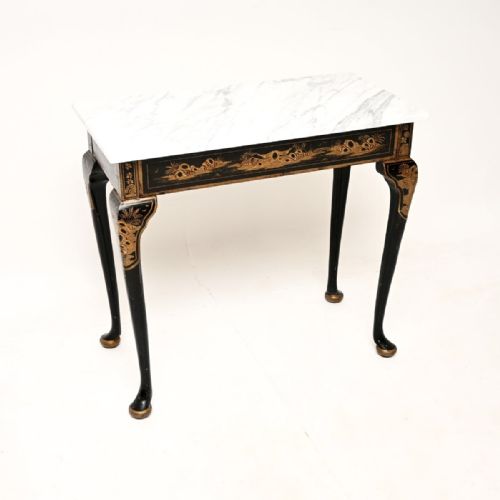
Forms on this page range from table lamps and floor standards to side tables and occasional tables.
What varies in quality
The precision and detail of the hand painting separate ordinary pieces from finer examples. Crisp brushwork on porcelain and smooth, deep finishes on lacquered wood demonstrate superior craftsmanship.
The integrity of the original material form, whether a converted seventeenth-century Japanese vase or an Edwardian wooden standard, dictates the overall character of the piece.
The Oriental Hand Painted Lamp Glossary
- Chinoiserie
- European interpretation and imitation of Chinese and East Asian artistic traditions, popular in furniture and decorative objects. It often involves black or coloured lacquer painted with figures, pagodas, and landscapes.
- Famille rose
- A Chinese porcelain palette introduced in the Qing Dynasty, distinguished by opaque pink enamel colours. Pieces in this style feature botanical and figural scenes.
- Satsuma
- Japanese earthenware pottery with a crackled ivory glaze, decorated with polychrome enamels and gilt. These wares were widely adapted into lamp bases.
- Lacquer
- A durable resin finish applied in multiple coats to wood surfaces and polished to a hard sheen. It forms the base for painted oriental standard and table lamps.
Oriental Hand Painted Lamp: Frequently Asked Questions
How do I date a lamp?
Examine the materials, base construction, and painting style to determine the period. Porcelain pieces often align with Qing Dynasty styles, while standard lamps frequently date from the Edwardian era or the nineteen-twenties.
Wiring and fittings can also offer clues, though many older vases have been converted to lamps in recent decades.
Were these always lamps?
Many ceramic examples started life as ginger jars, ginger pots, or vases before conversion into table lamps. Standard lamps and wooden pieces were built as lighting fixtures from the beginning.
Converting antique vessels became popular in the nineteenth and twentieth centuries to utilise decorative porcelain in domestic interiors.
How do I care for lacquer?
Dust lacquered wood gently with a soft, dry cloth to protect the painted surface and gilt details. Avoid harsh cleaning products and keep the lamp away from direct sunlight.
Silk and fabric shades require careful brushing or light vacuuming with a low-suction attachment.
What is Kashmiri work?
Kashmiri lamps on this page utilise painted wood and papier-mâché techniques originating from India. They feature intricate green, gilt, and multi-coloured patterns.
These pieces emerged in the early twentieth century alongside European chinoiserie standard lamps.