

Edwardian Standing Light
An edwardian standing light brings period illumination to a room, offering height-adjustable stems and weighted bases designed for practical living.
Edwardian Standing Light
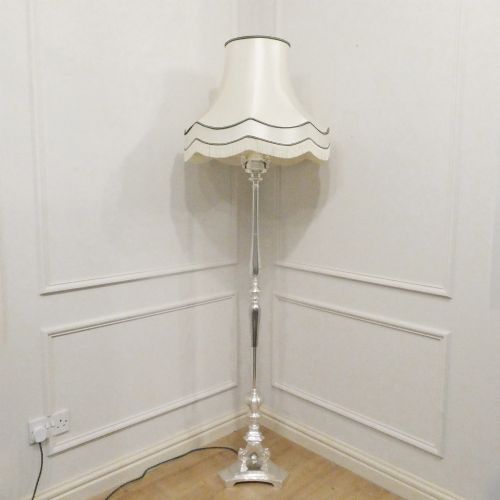
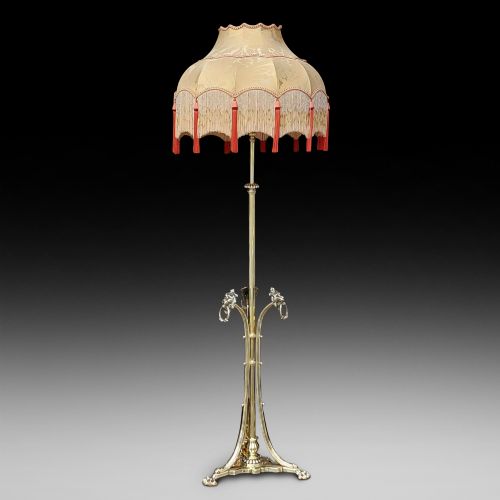
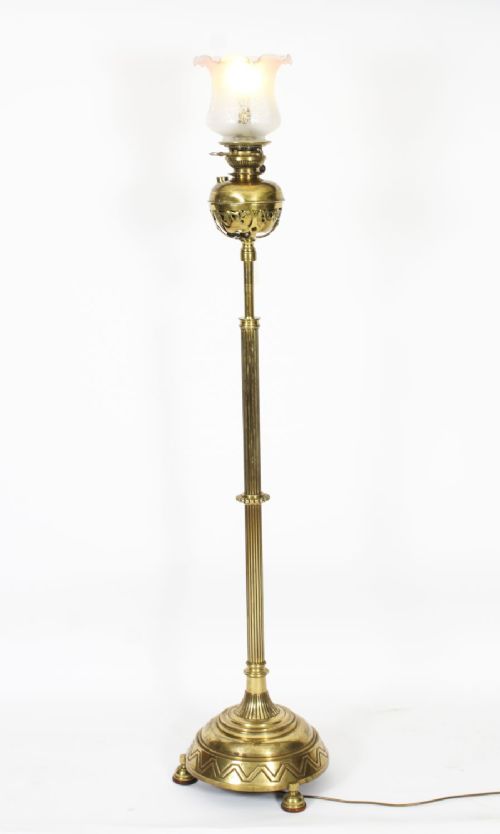
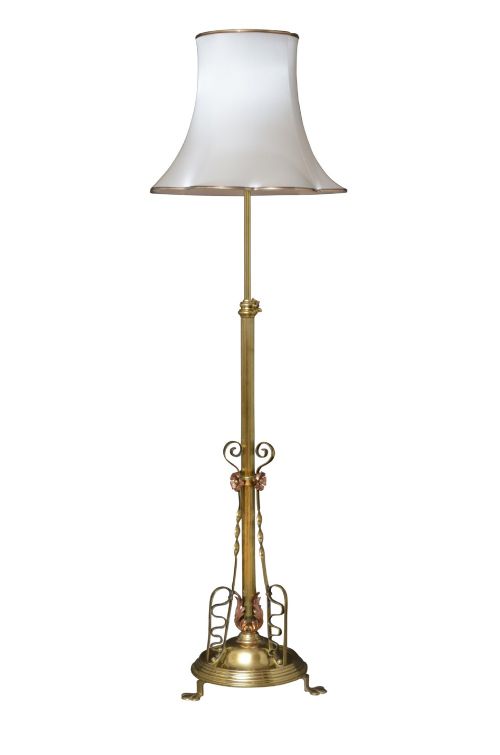
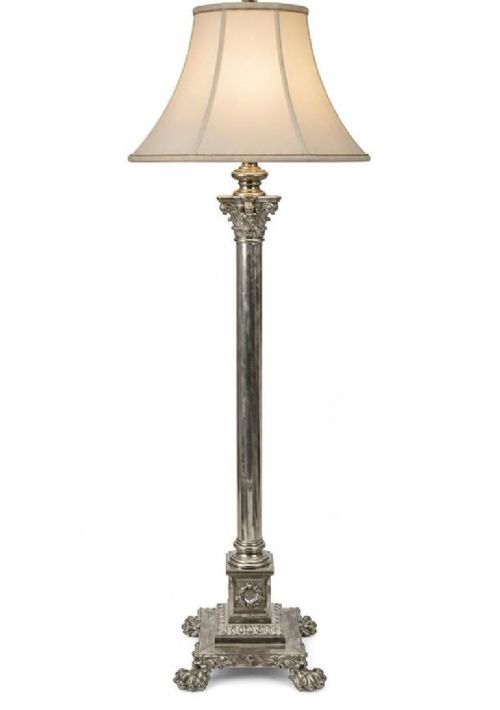
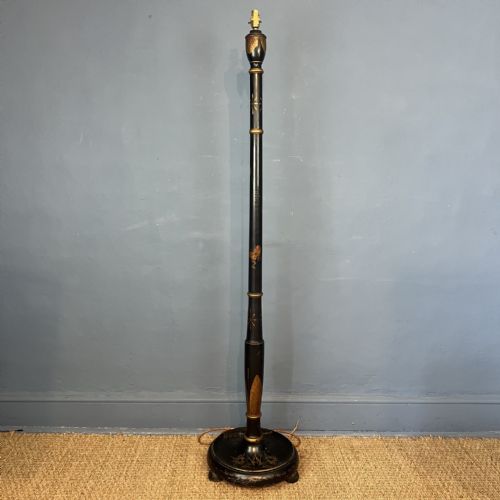
When searching for an edwardian standing light, buyers encounter floor lamps, standard lamps, and tall candlesticks dating from the late nineteenth century through the early decades of the twentieth century. These pieces emerge from periods spanning Victorian, Edwardian, and Art Nouveau eras, alongside Arts and Crafts and Chinoiserie movements.
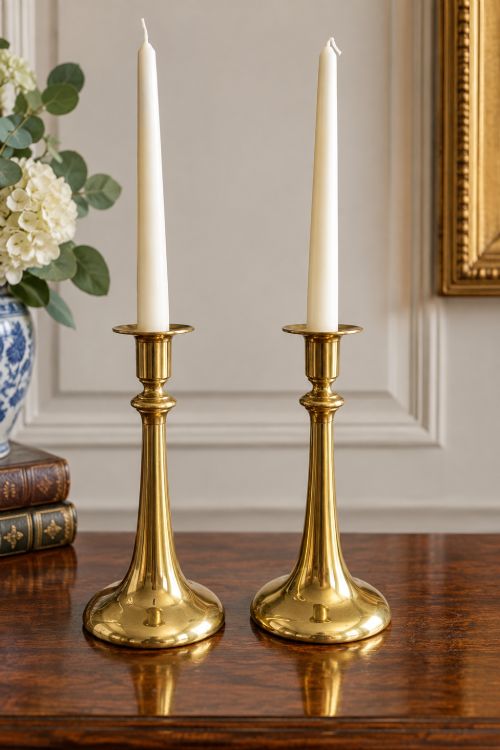
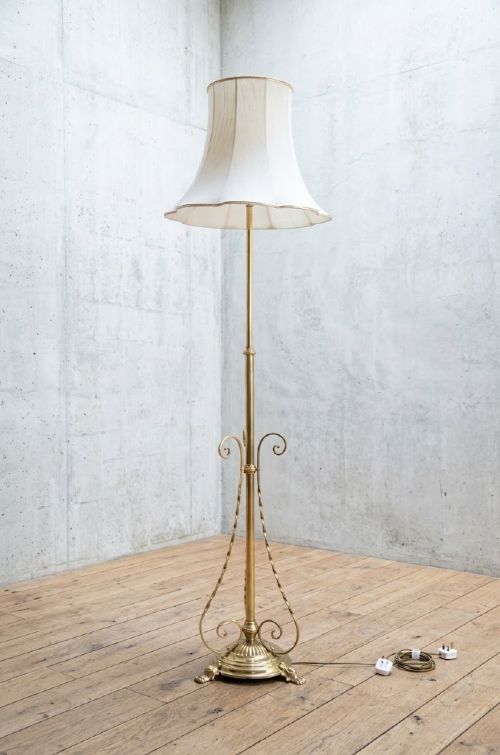
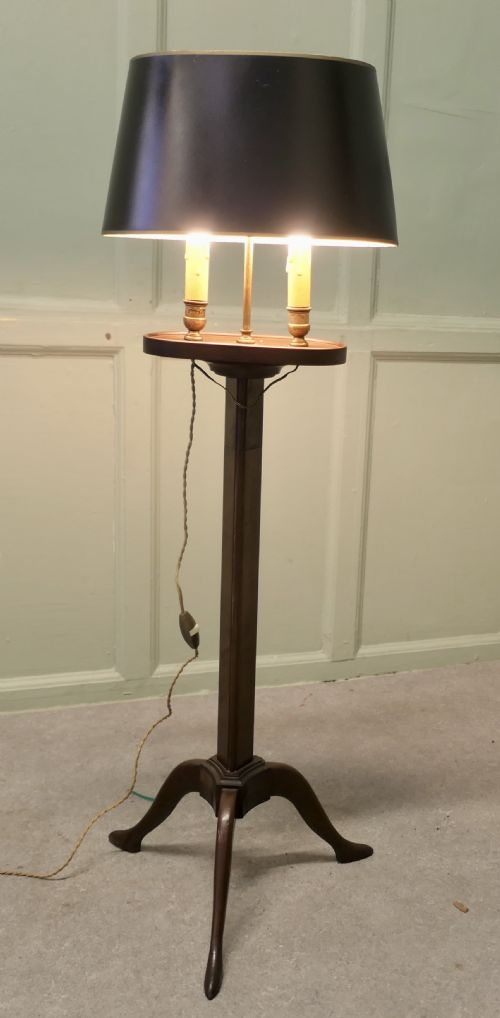
The standard lamp forms most frequently appear on this page, often standing tall with adjustable height mechanisms or fitted tripod bases. Alongside tall lamps, the listings include pairs of heavy brass candlesticks and church candlesticks designed for upright placement.
Origins trace through English workshops and makers utilising traditional materials of the period. Forms range from utilitarian student lights to decorative lacquered standards.
Materials and Technique
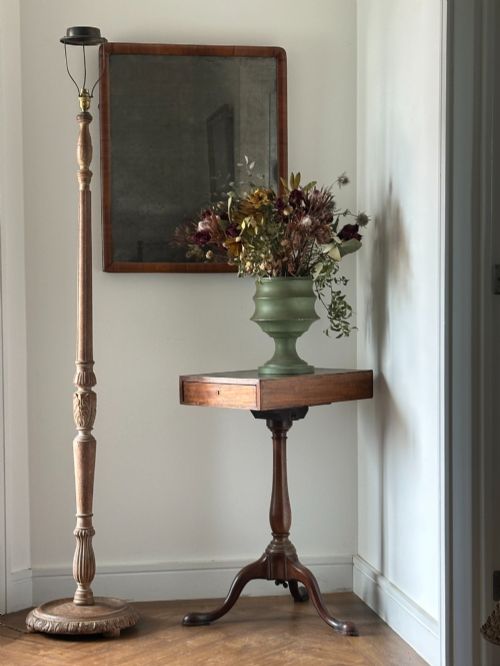
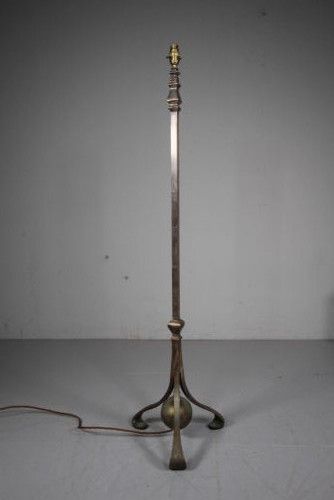
Makers constructed these standing lights primarily from brass, copper, and silver plate, alongside timber varieties including oak, walnut, and mahogany. Metal components often feature twisted shafts, patinated finishes, or ormolu gilt bronze detailing.
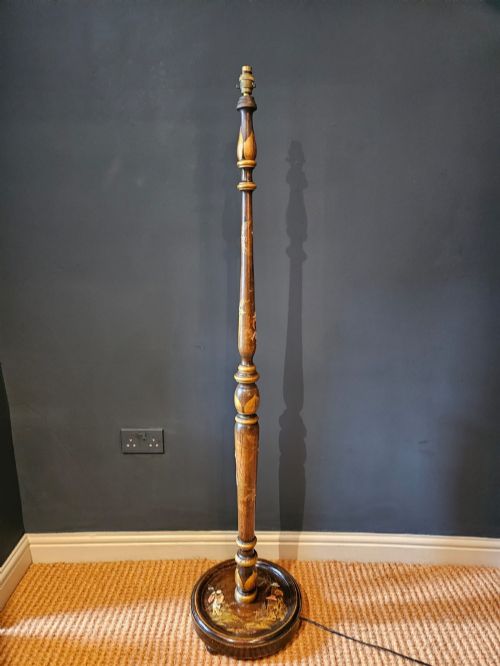
Woodworking techniques encompass carved and limed surfaces on oak standards, joined alongside lacquer work found on Chinoiserie decorated lamp columns. Height adjustment mechanisms rely on sliding brass stems secured by keys or screws.
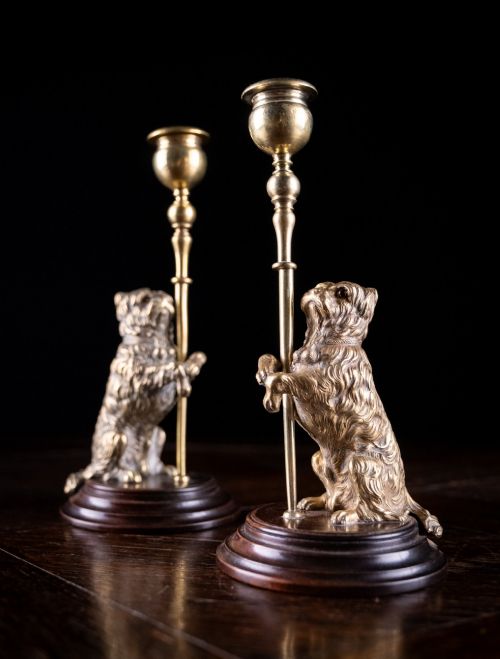
Several listings include standing terrier and pug dog candlesticks, proving that domestic pets have watched over our mantelpieces and floors for well over a century.
Quality and Construction
Quality reveals itself in the weight and gauge of the metalwork, where heavy cast brass and solid silver plate provide structural stability to tall columns. Finer examples display crisp casting details on bases and refined turning on timber shafts.
Artistry differentiates standard production from exceptional pieces, particularly in hand-decorated Chinoiserie lacquer surfaces or specialised mechanisms such as height-adjustable student lights. The integrity of period fittings and original surface patination further distinguish higher-tier examples.
Mappin & Webb·Frederick J Smith & Co·Wm. Tonks & Sons
The Edwardian Standing Light Glossary
- Standard Lamp
- A floor-standing lamp designed to illuminate a room from standing height. These pieces often feature weighted bases and tall central columns.
- Arts and Crafts
- A design movement prioritising traditional craftsmanship and simple forms. Pieces from this style frequently display hammered copper or plain brass construction.
- Chinoiserie
- European decorative style reflecting Chinese artistic influences. Items showcase black lacquer finishes and painted oriental scenes.
- Ormolu
- Gilt bronze ornamentation applied to metalwork. This technique imparts a rich golden finish to decorative mounts.
- Candelabrum
- A multi-branched lighting fixture designed to hold several candles or bulbs. These standing pieces provide elevated illumination.
Edwardian Standing Light: Frequently Asked Questions
What is an edwardian standing light?
An edwardian standing light is a tall floor-standing lamp or heavy candlestick produced during the early twentieth century. These pieces provide elevated illumination through standard lamps or tall candlesticks.
Constructed from materials like brass, copper, and oak, they frequently incorporate height-adjustable mechanisms. Their designs reflect styles ranging from Arts and Crafts to Chinoiserie.
How do I use a standard lamp?
Standard lamps serve as prominent floor lighting in living spaces and studies, placing illumination at an elevated level. Many period examples feature adjustable height stems to suit different seating arrangements.
Peculiarities such as heavy tripod bases and weighted lower sections ensure stability when placed directly on floor surfaces.
How do I date an antique floor lamp?
Dating relies on examining the manufacturing materials, decorative styles, and mechanical construction methods. Pieces from the Edwardian period often display distinct Arts and Crafts influences or Chinoiserie lacquer work.
Turned wooden shafts, patinated brass finishes, and maker stamps provide further indicators of the decade of production between eighteen eighty and nineteen thirty.
What materials were used?
Makers utilised a combination of metals and hardwoods for these standing light fixtures. Brass and copper form the primary structure for most standard lamps and candlesticks.
Timber varieties including oak, walnut, and mahogany appear frequently, alongside silver plate and decorative black lacquer.