



Gothic Wrought Iron Lamp
These gothic wrought iron lamp pieces bring heavy metalwork and historic style into a room, offering both practical illumination and striking period character.
Gothic Wrought Iron Lamp
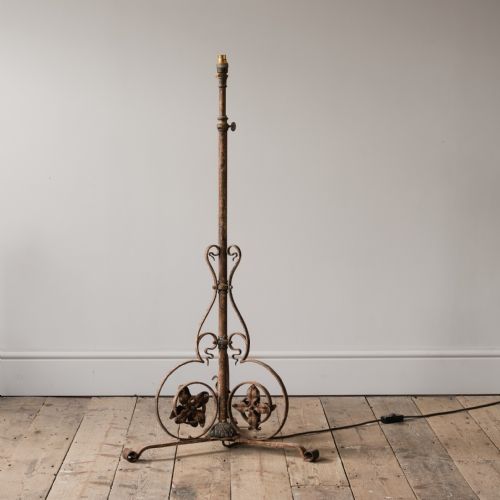
When you search for a gothic wrought iron lamp, you find heavy metal lighting fixtures rooted in periods ranging from the eighteenth century through to the early twentieth century. The selection spans floor lamps, standard lamps, and telescopic floor standing designs, often carrying adjustable arms or blacksmith made details.
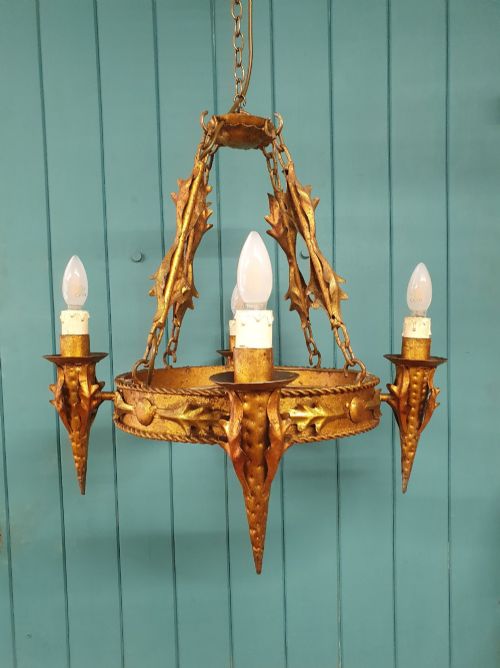
You will also discover ceiling lights, chandeliers, and wagon wheel chandeliers alongside wall lights, pendant lights, and hall lanterns. Many pieces reflect styles such as Gothic Revival, Arts and Crafts, and French Gothic Revival, drawing on Victorian and Edwardian aesthetics.
How they were made
Makers shaped these items primarily from wrought iron and cast iron, frequently combining them with brass, copper, and gilt metal. Structural elements often integrated glass panels, stained glass, leaded components, or fabric shades to diffuse the light.
Blacksmiths utilised hammering and joining techniques to fashion heavy frames, wall brackets, and adjustable mechanisms. Many standard lamps and floor lights incorporate telescopic shafts and movable arms, while hanging fixtures utilise chains and rigid suspension rods.
Gothic Wrought Iron Lamp Retail Price Guide 2026
Typical asking prices for gothic wrought iron lamp among the pieces listed under this phrase on Sellingantiques today, from the lower quarter to the upper quarter. They describe what is for sale here now, not the wider market.
Listings feature pieces spanning the eighteenth century, the Victorian and Edwardian eras, through to the 1930s.
What varies in quality
The standard of blacksmithing defines the upper tier of these pieces, showing clean hand-forged joints and well-balanced proportions in heavy ironwork. Simpler production items exhibit less refined manipulation of the metal and heavier, more utilitarian assembly.
The choice of secondary materials also sets pieces apart, with leaded stained glass panels and finely cast brass or copper details marking out more ambitious workshops. Simpler examples rely solely on plain iron work and basic glazed panels without decorative accents.
The Gothic Wrought Iron Lamp Glossary
- Wrought iron
- A tough, malleable form of iron that can be heated and hammered into decorative and structural shapes by a blacksmith. This material defines the principal frames of these lamps and lanterns.
- Telescopic floor lamp
- A standard lamp featuring an adjustable upright shaft that extends or retracts to alter the overall height. This mechanism allowed users to direct light according to their needs.
- Hall lantern
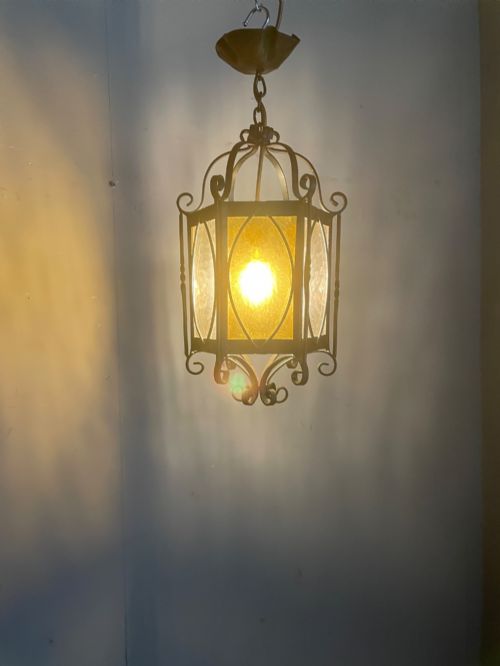
- An enclosed hanging light fixture designed specifically for entrance halls and corridors, often featuring glazed or stained glass sides. These pieces protect the light source while casting patterns through the metal framework.
- Gothic Revival
- An architectural and decorative style that revives medieval Gothic forms, pointed arches, and heavy proportions. You see this influence in the structural ironwork of many period lights.
Gothic Wrought Iron Lamp: Frequently Asked Questions
Where were these iron lamps placed?
These lamps and lanterns served practical lighting needs in large hallways, reception rooms, and high ceilinged living spaces. Floor and standard lamps stood in corners or beside seating areas to provide localized illumination.
Ceiling lights, chandeliers, and wall lanterns hung in entranceways, porches, and grand rooms where their heavy metal presence anchored the interior scheme.
What styles influence these metal lights?
The pieces draw heavily on Gothic Revival, Arts and Crafts, and French Chateau aesthetics from the nineteenth and early twentieth centuries. These movements emphasised visible craftsmanship, medieval structural motifs, and robust metalwork.
Designers combined historic ecclesiastical forms with domestic lighting requirements, resulting in heavy iron brackets, coronet chandeliers, and leaded glass lanterns.
Were these lamps originally electrified?
Many early pieces began as oil lamps or gas light candelabras before being converted to electricity during later decades. Telescopic floor standing models frequently started life as oil lamps with heavy reservoirs.
Later Victorian and Edwardian examples embraced electric wiring from the outset, while surviving fixtures often show evidence of conversion work.