



Vintage Miniature Portrait Art
These vintage miniature portrait art pieces capture intimate likenesses in small formats, prized by collectors for delicate brushwork and domestic scale.
Vintage Miniature Portrait Art
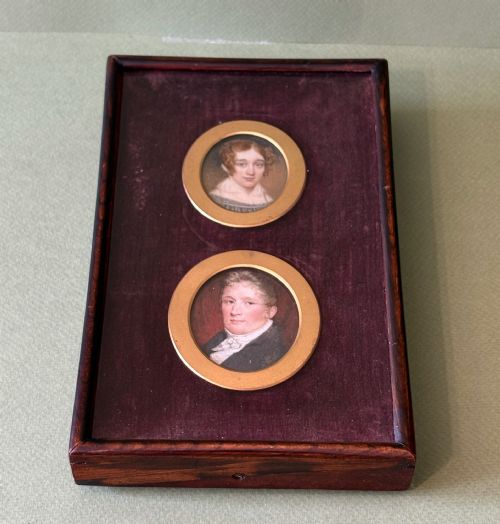
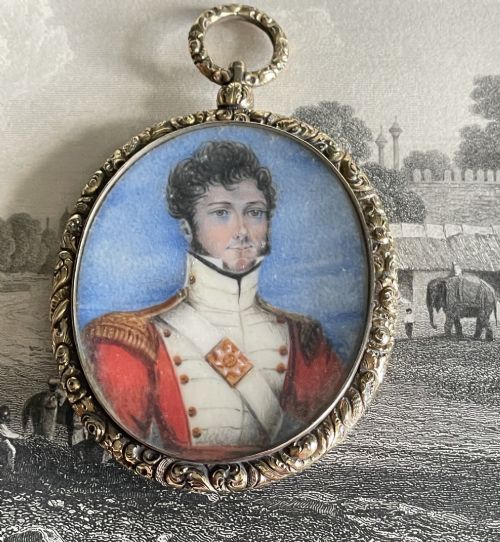
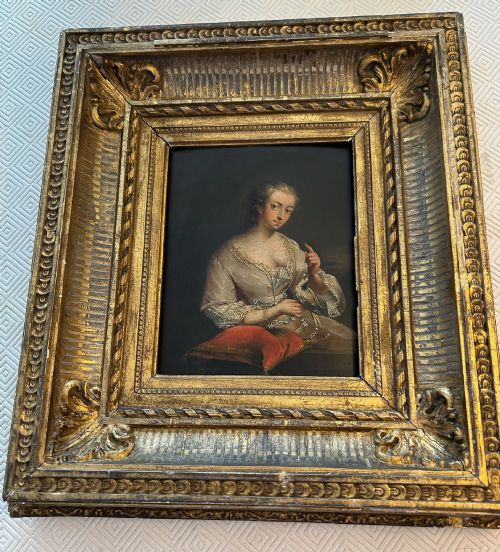
When you search for vintage miniature portrait art, you encounter small-scale paintings, silhouettes, and sketches depicting individuals from past centuries. These works span periods from the eighteenth century through the art deco era, reflecting changing social tastes in portraiture.
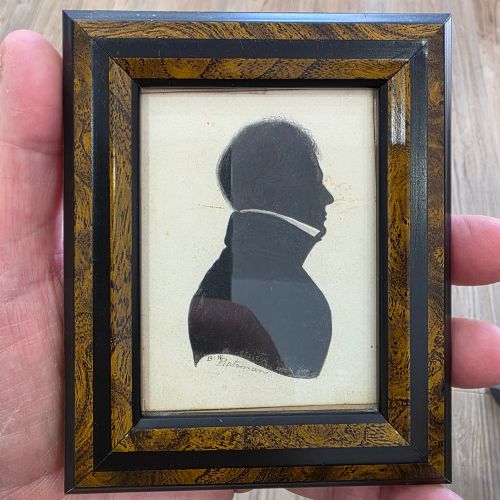
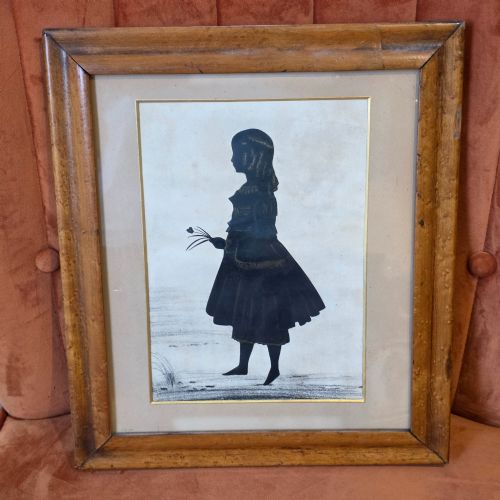
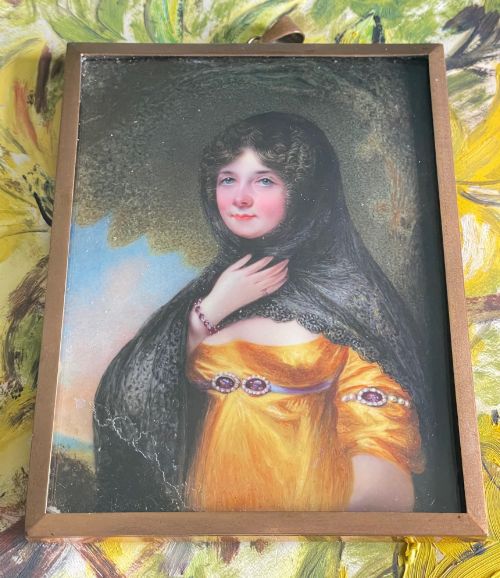
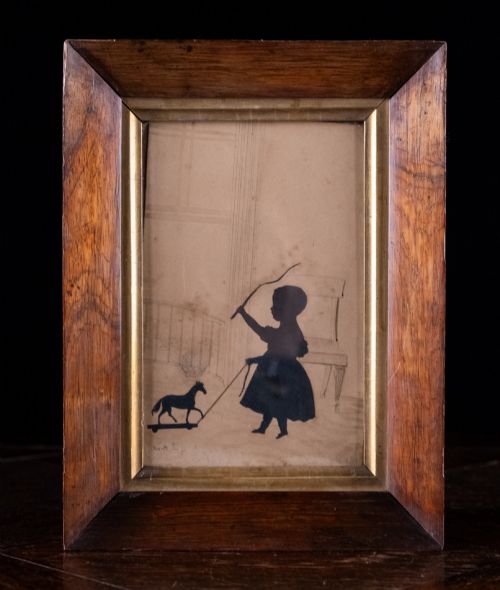
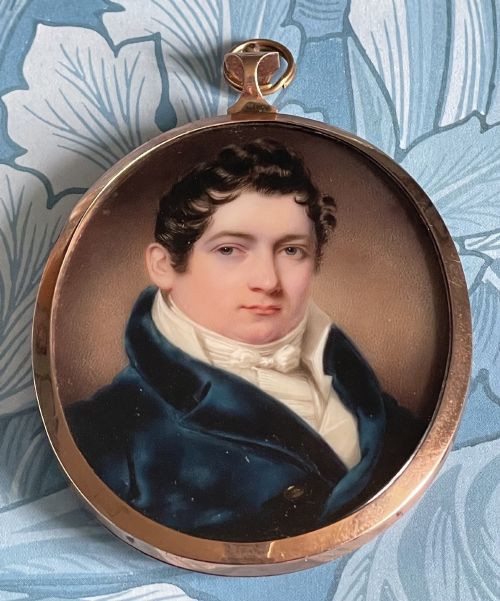
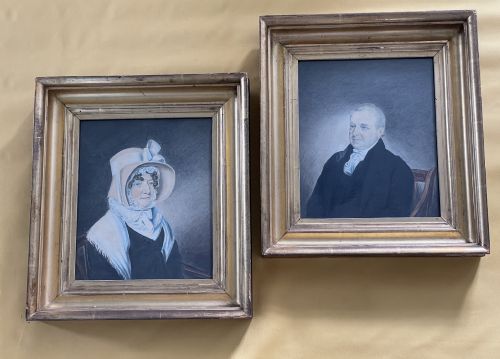
The most common examples on this page are nineteenth-century watercolours, silhouettes in paper and ink, and enamel plaques housed in modest frames. Subjects range from formally dressed gentlemen and children to literary figures and romantic heroines.
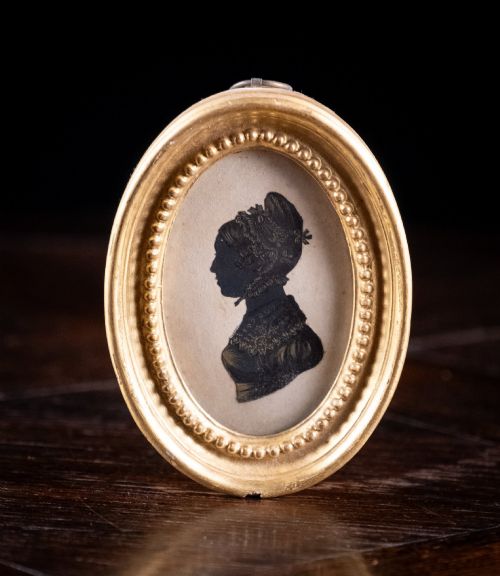
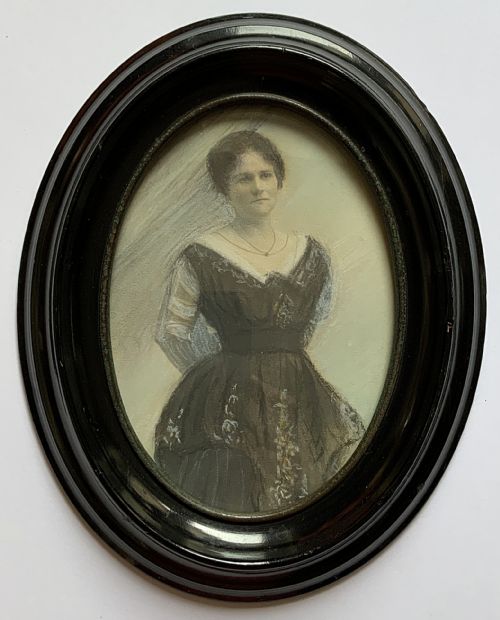
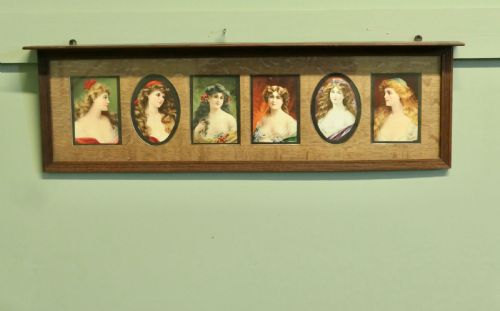
Framed artwork and oval wall pieces dominate the selection, often preserved in ebonised wood, brass, or gilt metal housings. Buyers frequently find pairs or grouped sets originating from British, European, and American makers.
How They Were Made
Silhouettes relied on cut paper, ink, or plumbago, sometimes highlighted with touches of gold or watercolour paint. These were carefully mounted behind glass within timber frames made of rosewood, oak, or ebonised wood.
Protective brass and gilt metal bezels often secured the glass over the delicate painted surface, shielding the pigments from atmospheric moisture and handling.
One cheerful listing captures a portrait of a subject described simply as a leading comic actress.
What Varies in Quality
The precision of the likeness and the fineness of the brushwork distinguish superior examples from standard commercial output. Master artists achieved remarkable depth and psychological realism within a thumbnail canvas.
Bateman·Horace Hone·Augustin Edouart·John C D Engleheart·Jean-Baptiste van Loo·Susie Lassam RMS RA·John Smith of Edinburgh·Del Buono·F. Flor
The Vintage Miniature Portrait Art Glossary
- Silhouette
- A profile portrait filled in with a solid colour, usually black, or cut from paper. This technique gained immense popularity during the eighteenth and nineteenth centuries.
- Plumbago
- A drawing executed in graphite, taking its name from the Latin term for black lead. These monochrome works often display extraordinary linear precision.
- Ebonised
- Wood treated to imitate ebony, typically through dark staining and polishing. This finish frequently appears on nineteenth-century frames designed to contrast with pale portrait subjects.
- Gouache
- An opaque watercolour medium composed of ground pigments and a binding agent. It provides dense colour saturation suited to detailed miniature painting.
Vintage Miniature Portrait Art: Frequently Asked Questions
How were miniature portraits displayed?
People hung these small works on walls in tight clusters or placed them upon desks and mantelpieces. Their intimate scale allowed owners to keep likenesses of family members close at hand.
Many pieces featured hanging loops or small kickstands at the back. Wealthy owners also wore them as lockets or carried them in travel cases.
What materials sit beneath the glass?
Artists used watercolour, gouache, and oil paints applied to thin sheets of paper, card, or prepared metal. Some examples utilise cut paper or graphite on vellum.
Enamel on copper plaques also appears frequently, fired at high temperatures to ensure the pigments remained permanent and vibrant over generations.
How do I date a silhouette?
Costume details, hairstyles, and framing styles provide the clearest chronological markers. High waistlines and specific bonnet shapes point firmly to the regency period.
Makers' signatures or stamps on the reverse of the frame can also help pinpoint the exact decade of production.
Are these works hand painted?
The vast majority of examples on this page are original hand-painted watercolours, ink sketches, or enamel works. Artists spent hours executing the minute details by eye.
Printed reproductions did emerge in later periods, but genuine antique miniatures reveal brush texture and pigment layering under magnification.