



Gold Leaf Miniature Painting
These gold leaf miniature painting works combine delicate pigment and precious metal leaf, offering concentrated detail from centuries past.
Gold Leaf Miniature Painting
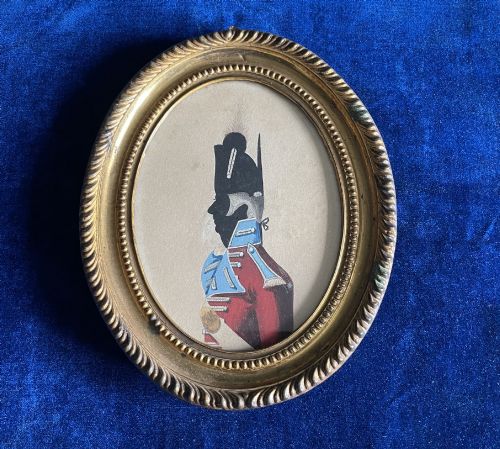
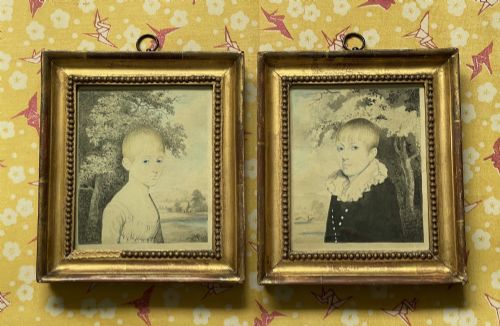
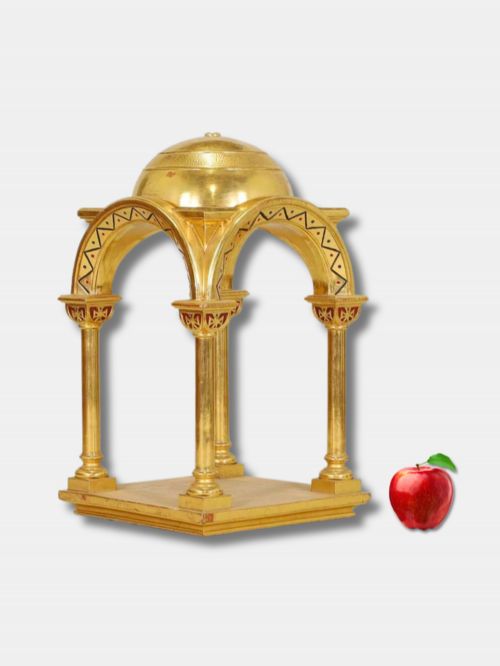
Gold leaf miniature painting encompasses small works executed on paper, porcelain, wood, and tinplate, spanning the eighteenth and nineteenth centuries alongside earlier styles. Buyers encounter framed portraits, architectural tabernacles, and manuscript pages adorned with fine pigment and precious metal leaf.
Framing varies from simple glass fronts to intricate giltwood surrounds and gilt metal stands. These pieces function as intimate desktop objects or wall art designed for close inspection.
How they were made
Artists applied watercolour, gouache, and pigment directly onto prepared surfaces of paper, card, or porcelain, often building up tones in fine layers. The application of gold leaf required meticulous placement to highlight garments, frames, or background motifs.
Substrates such as wood, giltwood, and gilt metal provided structural support for tabernacles, stands, and frames. Protective glass secured delicate media from moisture and handling over successive centuries.
Listings feature works from the seventeenth, eighteenth, and nineteenth centuries, utilising paper, giltwood, porcelain, and watercolour.
What varies in quality
The precision of brushwork and the stability of the pigment layer distinguish finer compositions from simpler naive examples. Facial expression and proportion in portraiture reflect the hand of a trained limner.
The integrity of the original gilt leaf and the preservation of the surrounding frame or mount influence the visual impact. Intact backing materials and clear provenance contribute to the standing of individual works.
James Sharples·George Hargreaves·Louis Leopold Boilly·William Ricketts
The Gold Leaf Miniature Painting Glossary
- Miniature
- A small-scale painting or portrait executed with high detail. These works were designed to be held or viewed at close quarters.
- Giltwood
- Wood carved and coated with gold leaf or gold paint. This material appears frequently on nineteenth-century tabernacle frames.
- Gouache
- An opaque water-based paint composed of pigment, water, and a binding agent such as gum. It offers dense colour saturation in small-scale works.
- Tabernacle
- A small ornamental cabinet or architectural structure with a domed top. In this context, it houses miniature painted scenes.
- Album page
- A discrete leaf removed from a bound volume, often featuring illuminated text and painted imagery. Deccan and Ottoman examples utilise this format.
Gold Leaf Miniature Painting: Frequently Asked Questions
How were gold leaf miniature paintings displayed?
Owners typically hung these small works in intimate spaces or kept them protected inside desk drawers and custom cases. Many pieces feature original stands or specialised frames designed for tabletop display.
Over time, collectors grouped multiple miniatures together on panel walls to create gallery arrangements. Today, they remain suited for small wall spaces or study desks where viewers can examine the fine brushwork.
How do I care for antique miniatures?
Keep these works away from direct sunlight and damp environments to protect fragile pigments and paper substrates. Maintaining stable indoor temperatures prevents the expansion of wood and gilt frames.
Avoid touching the exposed painted surface directly, as natural oils can damage delicate watercolours and gouache. Professional framing with UV-filtering glass helps preserve the gold leaf and colours.
What periods do these paintings come from?
The available works span from the late seventeenth century through the Georgian and Regency eras into the early twentieth century. Pieces from the seventeen-hundreds reflect Ottoman and Deccan traditions, while later items encompass European portraiture.
Stylistic shifts range from eighteenth-century baroque sensibilities to nineteenth-century Byzantine revival and art deco elements. Each era employs distinct framing methods and painting techniques.
Are these works painted on paper or metal?
Substrates vary across the collection, including paper, watercolour card, tinplate, and Royal Worcester porcelain. Artists selected surfaces depending on the regional tradition and the intended function of the piece.
Gold leaf acts as an embellishment applied to backgrounds or borders rather than the primary support structure. Protective glass frequently covers these delicate surfaces to prevent abrasion.