

Miniature Portrait in Gilt Frame
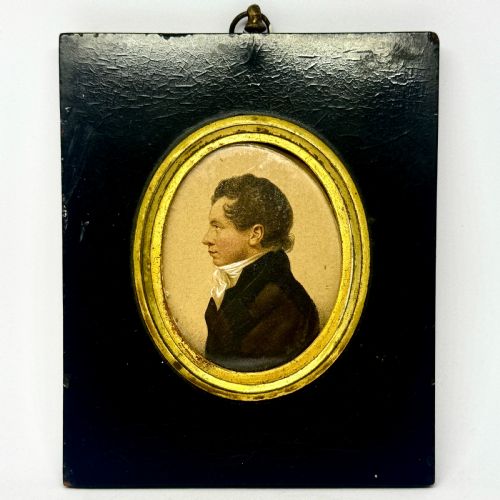
When you collect a miniature portrait in gilt frame, you hold small, intimate likenesses executed in watercolour, enamel, or oil and secured within gleaming metal or wood.
Miniature Portrait in Gilt Frame
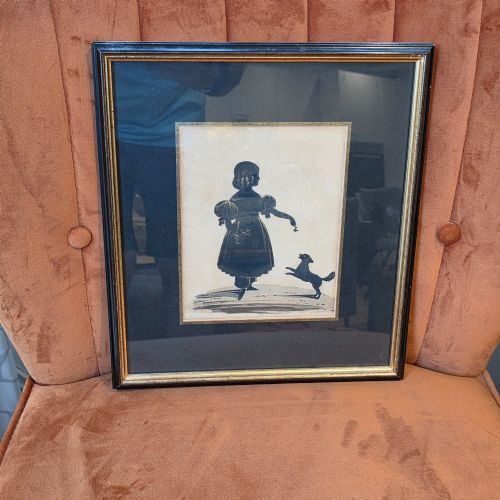
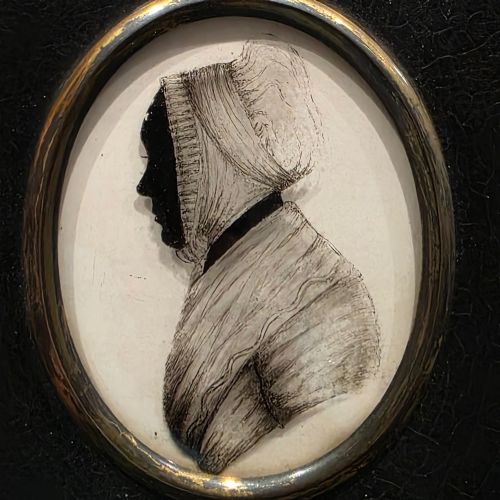
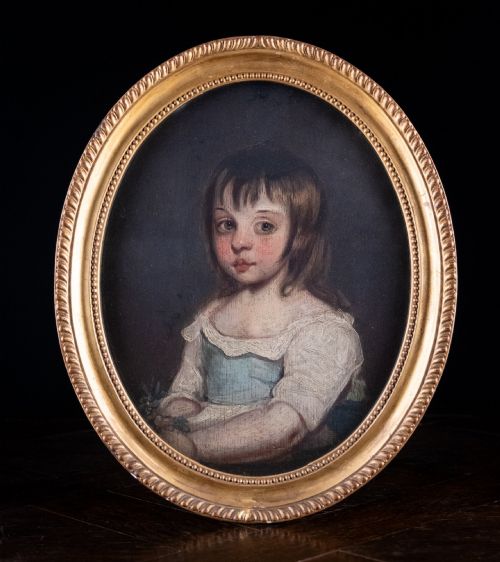
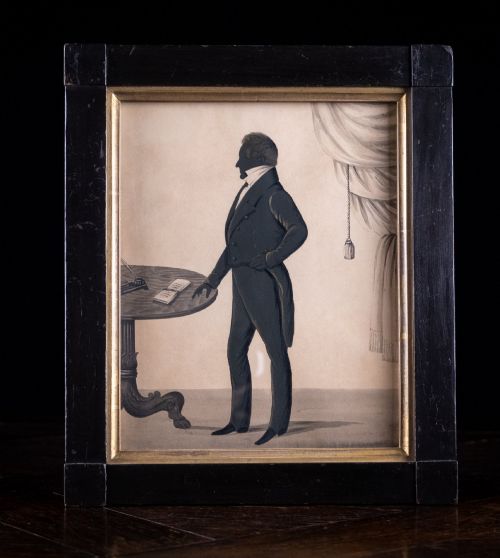
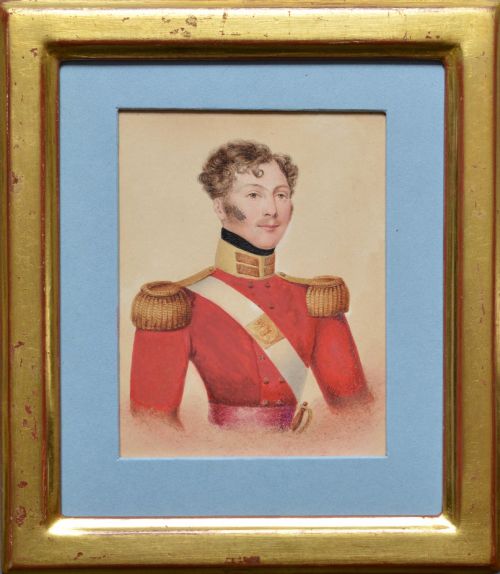
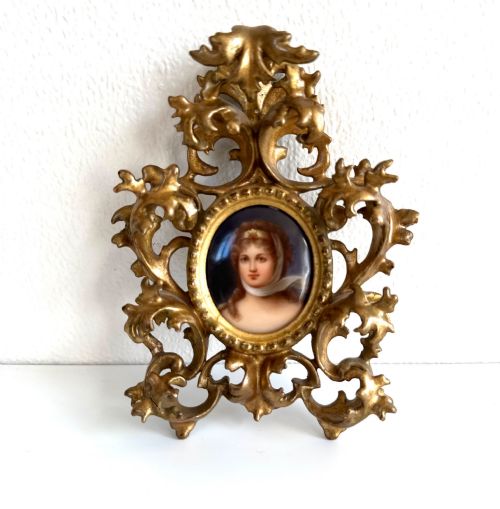
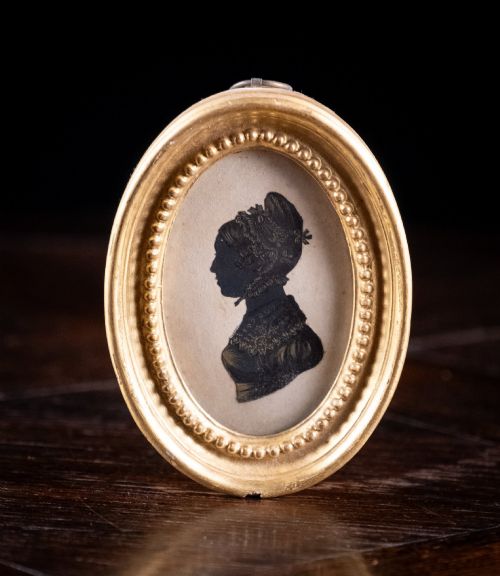
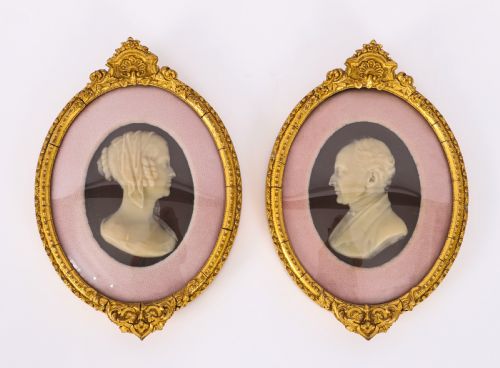
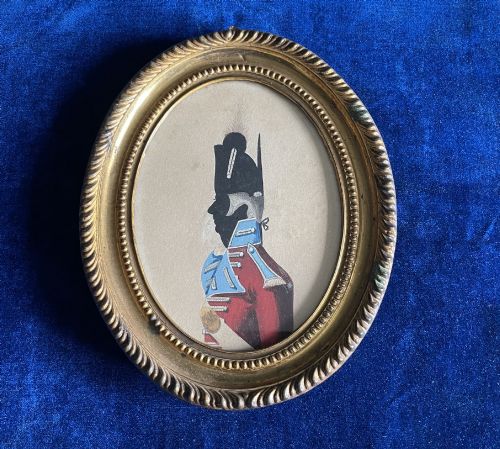
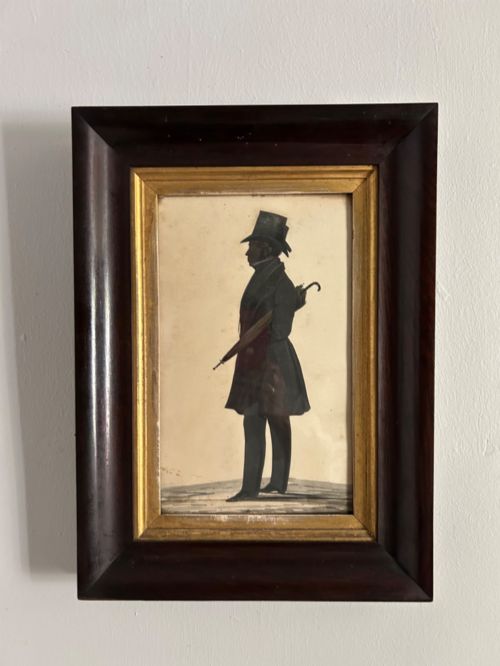
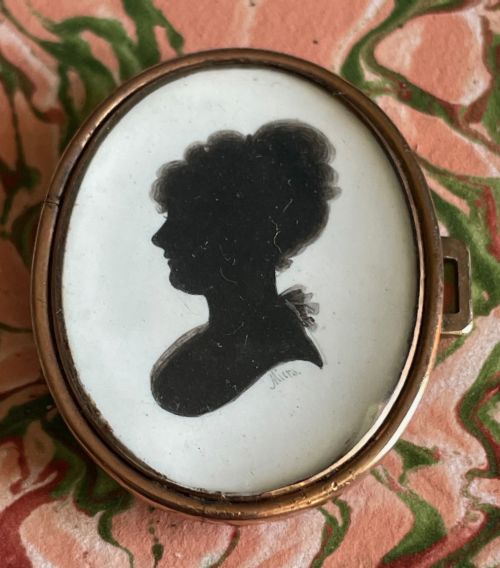
A miniature portrait in gilt frame takes many forms across the 18th, 19th, and Victorian periods, including silhouette profiles, wax reliefs, and delicate painted likenesses on paper, porcelain, or glass. You encounter these intimate works in oval, rectangular, or round enclosures shaped from brass, gilt metal, and carved wood.
The selection ranges from Georgian watercolours and Regency silhouettes to Victorian paintings and European portrait plaques. These pieces served as personal tokens, keepsakes, and family memorials designed for intimate display or travel rather than grand salon walls.
How they were made
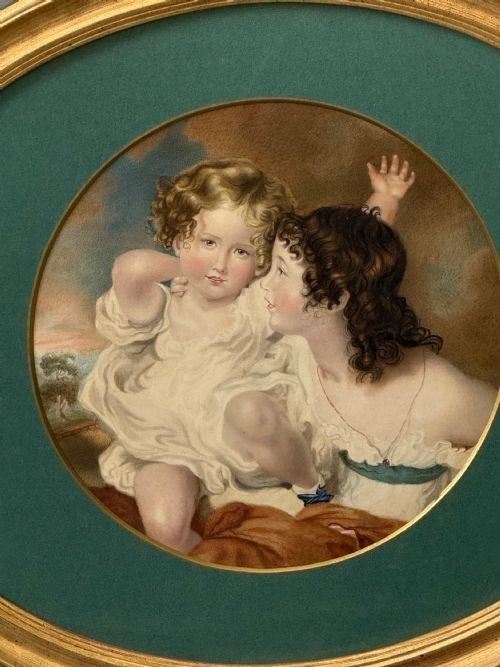
Artists painted these small likenesses using watercolour, gouache, pastel, or oil directly onto paper, card, porcelain, or glass, often applying minute brushstrokes requiring extraordinary precision. Reverse glass painting techniques allowed makers to render sharp details visible through the transparent front pane.
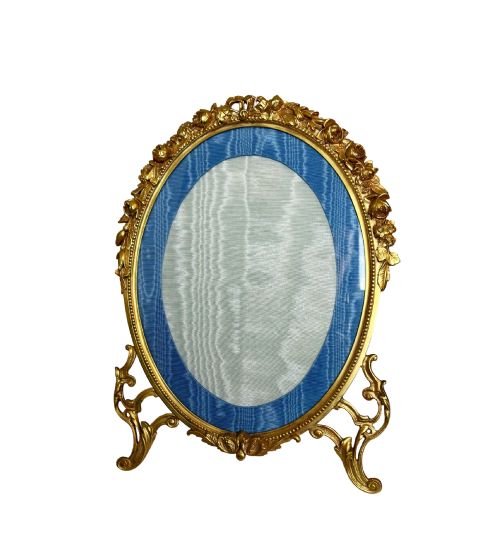
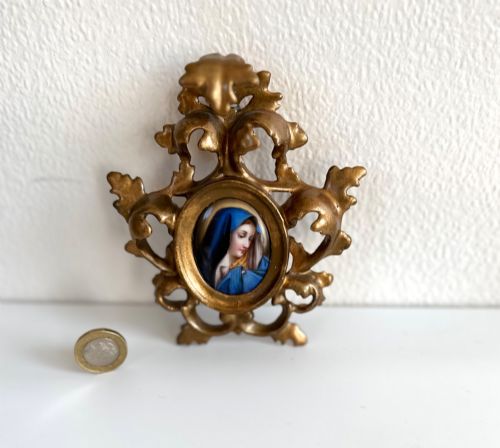
The enclosing borders utilised cast brass, gilt bronze, and giltwood, sometimes backed with velvet or supported by metal stands. Frames frequently matched the domestic tastes of the Georgian, Regency, and Victorian eras, incorporating delicate rings for hanging or hinged desk struts.
Listings feature works executed in watercolour, paper, porcelain, glass, and wax, dating from the eighteenth and nineteenth centuries.
What varies in quality
The distinction between ordinary and exceptional works rests upon the delicacy of the brushwork and the psychological depth captured in the sitter's expression. Superior examples display masterful handling of light on lace, fabric, and flesh tones without relying on heavy retouching.
Enclosure construction also defines standard: original cast gilt metal mounts with intact glass, secure backing materials, and well-preserved surface gilding elevate the piece. Later replacements or crude modern housings diminish the integrity of the whole object.
William James Hubard·James Sharples·John Miers·Charles Hayter·Christian Friedrich Zincke·William Naish
The Miniature Portrait in Gilt Frame Glossary
- Silhouette
- A solid dark profile portrait, typically cut from paper or painted in black pigment. These were popular in the Georgian and Regency periods.
- Reverse painting on glass
- An art technique where the image is painted directly onto the back of a glass sheet and viewed from the front. This method protects the pigment from atmospheric damage.
- Gilt metal
- A base metal treated with a thin layer of gold or gold-coloured wash. It provided an affordable alternative to solid gold while maintaining a bright appearance.
- Wax relief
- A three-dimensional portrait sculpted in tinted wax. Such works were mounted against dark fabric backgrounds within protective frames.
- Portrait plaque
- A flat piece of porcelain or enamel painted with a likeness. These durable surfaces retained vivid colour over centuries.
Miniature Portrait in Gilt Frame: Frequently Asked Questions
How were these framed?
These works were generally housed in custom surrounds made of brass, gilt metal, or carved giltwood, often featuring glass fronts to protect the delicate pigments.
Many included small hanging loops or hinged metal stands designed for placement on drawing room tables or mantelpieces.
How do I date a frame?
Dating relies on the metallurgical composition of the metal, the style of the casting, and the method used to secure the back panel.
Georgian and Regency frames tend to feature lighter brass rings and slim profiles, while Victorian examples often display heavier cast ornamentation.
Where should I hang them?
These small pieces benefit from placement in locations away from direct sunlight to prevent the fading of fragile watercolours and paper components.
Grouping several pieces together on a panel or displaying them within a dedicated cabinet allows closer inspection of their fine details.