


Edwardian Framed Portrait Miniature
An Edwardian framed portrait miniature offers intimate personal history captured in miniature, prized for delicate brushwork and period framing.
Edwardian Framed Portrait Miniature
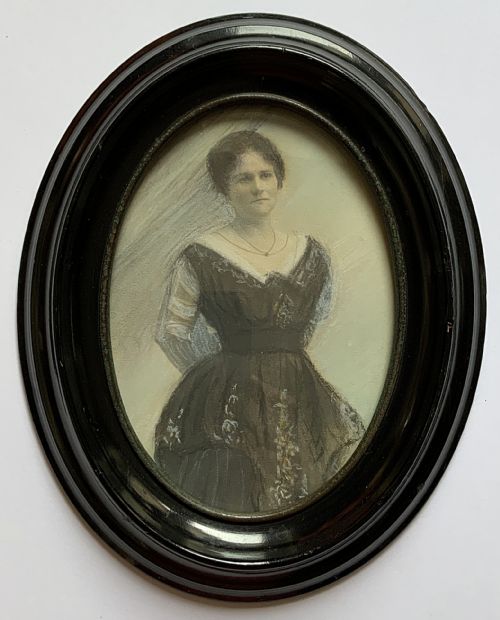
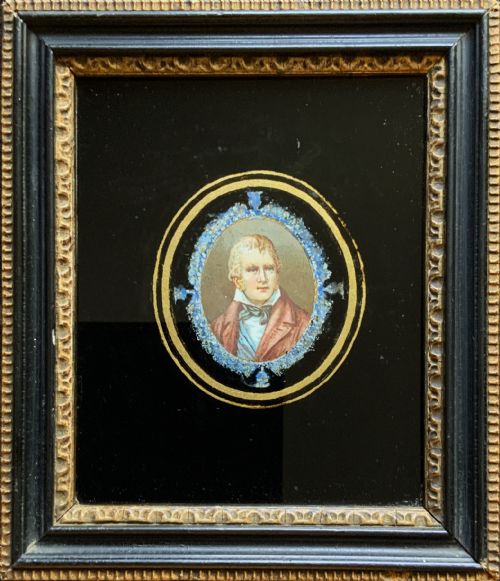
An Edwardian framed portrait miniature is a small-scale likeness painted by hand, often housed in a dedicated hanging or standing frame. These pieces reflect the portraiture traditions of the early twentieth century alongside surviving nineteenth-century works and later revivals. Buyers seeking this phrase encounter oval watercolour paintings, pencil sketches, and framed photographic prints housed in wood or metal.
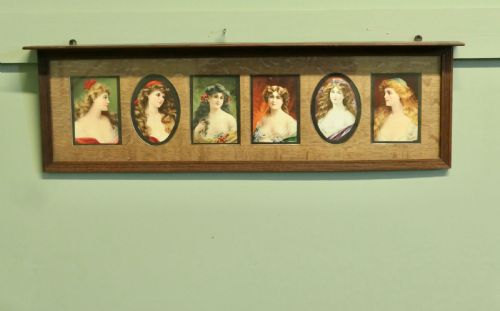
The objects on this page span from the late nineteenth century through to the nineteen-twenties, incorporating styles such as Arts and Crafts, Art Deco, and Georgian Revival alongside Edwardian and Victorian pieces. Alongside standalone portrait paintings, the selection includes matched pairs of husband and wife studies, multi-portrait shelf mounts, and portrait pendants mounted with gold, pearl, and enamel.
The framing varies considerably, ranging from simple ebonised wood and Hogarth frames to elaborate silver photo frames, gilt surrounds, and velvet-backed display cases. Subjects include notable literary figures such as Sir Walter Scott, historical sitters with annotated backsides, and commissioned portraits of ladies and young girls.
Materials and construction
Watercolour and pastel pigments applied to paper form the basis of the miniature paintings, occasionally accompanied by pencil work and hand-painted details. These fragile works require glass frontages to protect the delicate paint layers from dust and moisture.
Frames and mounts utilise silver, 18ct gold, brass, oak, and ebonised wood, sometimes accented with enamel, pearls, and velvet backing. Metal components frequently bear hallmarks or maker marks indicating regional assay offices and production dates.
Periods represented span from the nineteenth century through the Edwardian era to the nineteen-twenties.
Distinguishing quality in portrait miniatures
The integrity and originality of the surrounding frame contribute significantly to the overall merit. Period frames retaining their original glass, backing materials, and precious metal mounts elevate the presentation and historical value of the artwork.
Henry Matthews·Susie Lassam
The Edwardian Framed Portrait Miniature Glossary
- Miniature painting
- A small-scale portrait created with fine brushes, requiring immense control and magnification. These works capture likenesses with extraordinary detail despite their modest physical dimensions.
- Hogarth frame
- A narrow, dark wooden frame profile featuring a distinct ogee moulding, popular for framing prints and watercolours from the eighteenth century onwards. They provide a simple, contrasting border that draws the eye inward.
- Ebonised wood
- Timber treated with chemical stains or finishes to resemble expensive ebony. This dark, uniform treatment was widely utilised for portrait frames during the Victorian and Edwardian eras.
- Portrait pendant
- A wearable portrait miniature encased in a precious metal locket or frame, often suspended from a chain. They frequently incorporate gemstones, pearls, or enamel decoration.
- RMS
- Initials denoting membership of the Royal Society of Miniature Painters, Sculptors and Gravers. Artists bearing this designation demonstrated exceptional proficiency in miniature arts.
Edwardian Framed Portrait Miniature: Frequently Asked Questions
How were portrait miniatures displayed?
Miniatures were traditionally hung in intimate domestic spaces such as boudoirs and private studies, often arranged in groups on walls or displayed on tabletop easels. Some examples were designed to be worn as pendants against the body.
Over time, display habits shifted toward dedicated wall shelves and mantel placements, allowing multiple small portraits to be viewed together as a collection of family or historical likenesses.
What materials protect the painted surface?
Glass serves as the primary protective barrier, shielding the delicate watercolour and pastel pigments from airborne dust, atmospheric pollutants, and accidental touching. The glass is typically held in place by narrow bezels or rebate frames.
Behind the painting, sealed backings of wood, card, or velvet prevent humidity fluctuations from warping the paper support and help maintain a stable internal environment.
How do I date a framed miniature?
Stylistic clues such as the sitter's costume, hairstyle, and framing design provide the primary means for establishing a period. Jewellery styles and hat shapes offer particularly sharp chronological indicators.
Hallmarks on silver or gold frames yield precise assay office dates, while handwritten inscriptions and labels on the reverse of the frame often record the exact date and history of the subject.
Are these works hand painted?
Many examples are original hand-painted watercolours or mixed media studies created directly by artists on paper or card. The individual brushstrokes remain visible under magnification.
Other items in this category consist of period framed photographic prints or reproduction fashion plates from the nineteenth century, reflecting the broader visual culture of the period.