


Edwardian Miniature Painting
An edwardian miniature painting captures intricate portraiture and delicate detail within a compact compass, offering a deeply personal glimpse into past lives.
Edwardian Miniature Painting
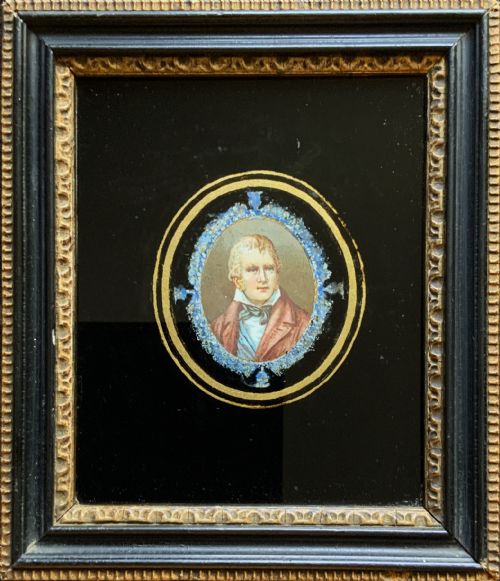
When you search for an edwardian miniature painting, you encounter delicate works executed on paper, porcelain, and enamel, often housed within frames or worn as pendants. These objects span periods from the late nineteenth century through to the Edwardian era, capturing likenesses and subjects in miniature scale.
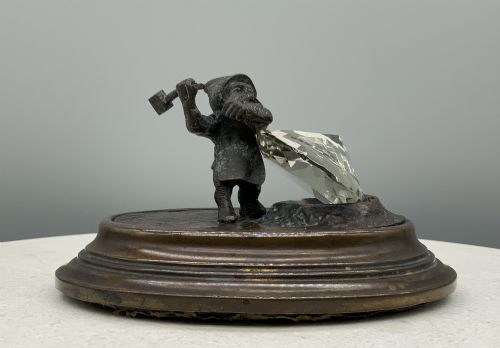
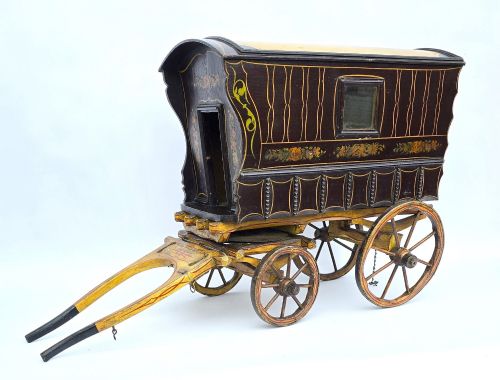
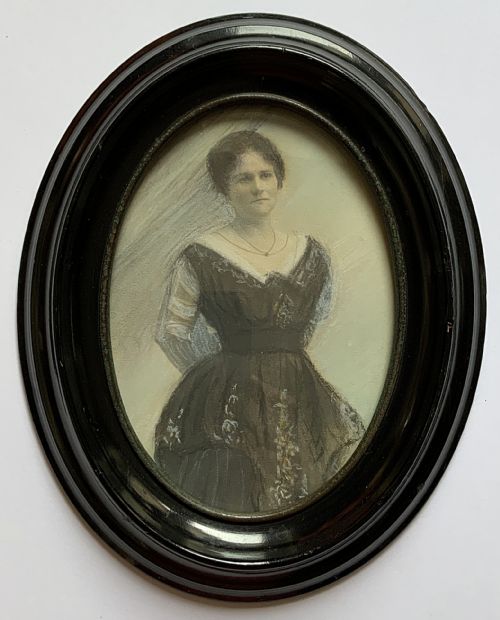
The pieces most frequently met on this page include framed oval watercolours, signed portrait miniatures of ladies, and small enamel brooches or pendants. Alongside portraits, the selection encompasses decorative items such as miniature vases and painted models, reflecting the diverse output of the period.
Makers and artists represented range from named figures such as Susie Lassam RMS RA to anonymous folk artists and traditional porcelain painters. Their works demonstrate the sustained popularity of intimate, finely scaled art forms across different social strata.
Materials and methods
Artists relied primarily on watercolour, pastel, and paint applied to paper or prepared surfaces to achieve fine facial expressions and subtle shading. Enamel work and porcelain painting provided alternative mediums that required firing to fix rich pigments and metallic accents.
Precious metals like gold leaf, nine-carat gold, and silver were utilised to mount and frame these small works, often incorporating glass to protect the delicate paint surfaces. Wood frames, such as Hogarth mouldings, further secured paper and canvas pieces for domestic display.
Listings feature works spanning the nineteenth century through to the nineteen-forties, utilising materials such as gold leaf, enamel, porcelain, and glass.
Distinctions in quality
Quality rests upon the precision of the brushwork and the expressive capability shown within a restricted surface area. Finer examples display meticulous control of light and feature, capturing individual character rather than generic formulae.
The mountings and enclosures contribute significantly to the standing of a piece. Hand-painted porcelain, verified artist signatures, and hallmarked precious metal settings elevate the overall integrity of the object beyond standard decorative items.
Susie Lassam·Edward Smyth·Harry Stinton·R.D. Roberts·Leslie Moore
The Edwardian Miniature Painting Glossary
- Miniature portrait
- A small-scale painting, typically depicting a specific person with high detail. These works were frequently worn as jewellery or kept in small frames.
- Enamel
- A glassy substance fused to a metal base through firing, used for durable colour and decoration on pendants and brooches. It provides a glossy, smooth surface.
- Hogarth frame
- A distinctive wooden picture frame profile with a dark, rounded edge, often used on eighteenth and nineteenth-century portraits. It complements small paintings without overpowering them.
- Imari
- A style of Japanese porcelain decorated in underglaze blue and overglaze red, gold, and other colours. It influenced Western decorative arts during the period.
- RMS
- Initials denoting membership of the Royal Miniature Society, an association for professional painters working in small formats. Artists holding this designation achieved formal peer recognition.
Edwardian Miniature Painting: Frequently Asked Questions
How were portrait miniatures worn?
Many miniatures were mounted in gold or silver pendants and brooches, allowing the owner to wear a likeness of a family member close to the heart.
Others were fitted with loops or pins to secure them to garments or ribbons during formal occasions.
What materials make up these miniatures?
Painters typically used watercolour, pastel, or oil on paper, ivory, or prepared card to achieve fine facial details.
Protective enclosures relied on glass, while the housings themselves incorporated wood, enamel, porcelain, and precious metals.
How do I identify an Edwardian piece?
Edwardian items frequently display soft pastel palettes, refined silver or gold settings, and stylistic influences from the early twentieth century.
Inscriptions, artist signatures, and hallmarks on frames or mounts also help confirm the date of production.
Where were miniature paintings displayed?
Framed examples hung in boudoirs and small reception rooms, grouped closely together on walls for intimate viewing.
Others rested on mantelpieces or desks within easel frames or protective cases.