


Antique Miniature Portrait Girl
An antique miniature portrait girl captures the intimate likeness of a child on a tiny scale, offering a personal glimpse into past centuries.
Antique Miniature Portrait Girl
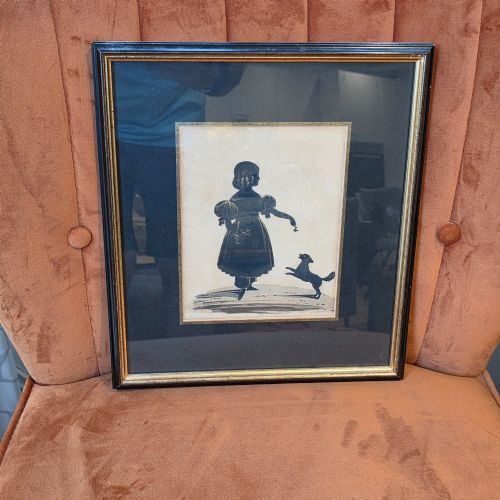
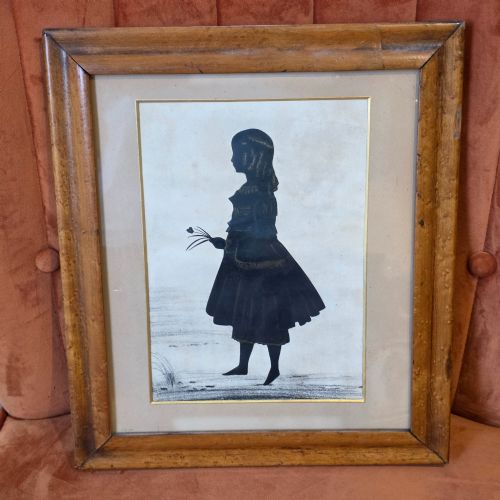
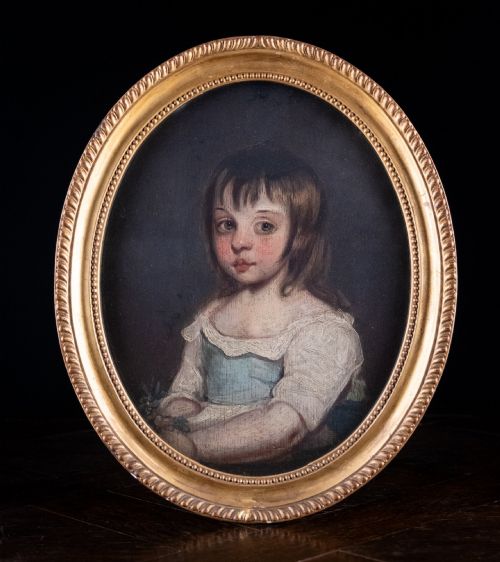
When you search for an antique miniature portrait girl, you encounter delicate framed artworks spanning several centuries from the seventeenth through the early twentieth century. The selection ranges from Regency and Georgian watercolours to earlier painted panels and cut-paper silhouettes.
You are most likely to meet nineteenth-century examples on this page, particularly Regency watercolours and cut-paper silhouettes depicting young girls in period frames. These small works capture sitters in white dresses, with blue sashes, or accompanied by pets.
The objects take various physical forms including miniature paintings, oil paintings, and framed silhouette portraits. They appear in circular gilded frames, ebonised wood frames, or silver frames, preserving the intimate scale intended by the original makers.
Materials and construction methods
Makers utilised watercolour and ink applied to paper or specialised surfaces to achieve fine detail on a very small scale. Artists also employed cut-paper techniques combined with watercolour for crisp silhouette profiles.
Framing materials such as brass, gilt wood, gilt metal, and ebonised wood protect the fragile works under glass. These period housings are integral to the construction and preservation of the miniature art.
Listings feature periods ranging from the seventeenth century through the Regency era to the 1920s Art Deco period.
Quality factors in miniature portraits
The originality and condition of the period frame contribute significantly to the overall integrity of the piece. Matching glass, secure backings, and authentic mountings preserve the historical context of the artwork.
William James Hubard·Susie Lassam·Lady Francis Herbert
The Antique Miniature Portrait Girl Glossary
- Silhouette
- A portrait representation blocked in a solid colour, usually black on a light background, often cut from paper or painted in ink. This technique became popular for affordable likenesses before the widespread use of photography.
- Watercolour
- A paint consisting of a pigment suspended in a water-based solution, utilised on paper for delicate layering. It forms the primary medium for many small-scale portraits.
- Ebonised
- Wood finished to resemble ebony, typically through a dark stain or polish. This treatment appears frequently on nineteenth-century picture frames.
- Regency
- An English stylistic period spanning the early nineteenth century, characterised by neoclassical elegance and specific fashion details such as high-waisted dresses.
- RMS
- Initials denoting membership in the Royal Miniature Society, an organisation for artists dedicated to the creation of small-scale paintings.
Antique Miniature Portrait Girl: Frequently Asked Questions
How were these miniature portraits displayed?
These small artworks were designed to be hung on walls in intimate spaces or kept on desks and tabletops. Their compact scale allowed owners to carry likenesses of family members during travel.
Frames often included hanging rings or small stands to facilitate placement in domestic interiors. The protective glass ensured the delicate paper and paint surfaces remained safe from dust and handling.
What materials are typical for these portraits?
Watercolour on paper, ink, and cut paper form the primary artistic media seen across these listings. Artists also worked in oil paint on panel or other small surfaces.
Protective enclosures incorporate glass, brass, wood, gilt metal, and ebonised wood frames. These materials reflect the prevailing framing fashions of the eighteenth and nineteenth centuries.
How do I identify the period of a piece?
Stylistic clues such as the sitter's clothing, hair style, and framing materials provide the clearest indication of date. Regency examples often feature distinct dress styles like white gowns with blue sashes.
Construction methods and framing types also align with specific eras, from Georgian ebonised surrounds to Edwardian silver frames. Comparing these details against known historical fashions helps narrow down the decade of creation.