


Blue Dress Portrait Miniature
A blue dress portrait miniature brings intimate likenesses of earlier eras into your hand, framed in gold, gilt metal or maple.
Blue Dress Portrait Miniature
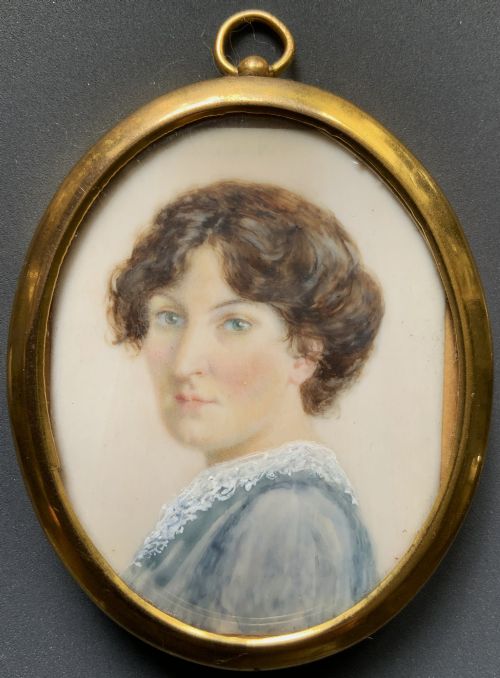
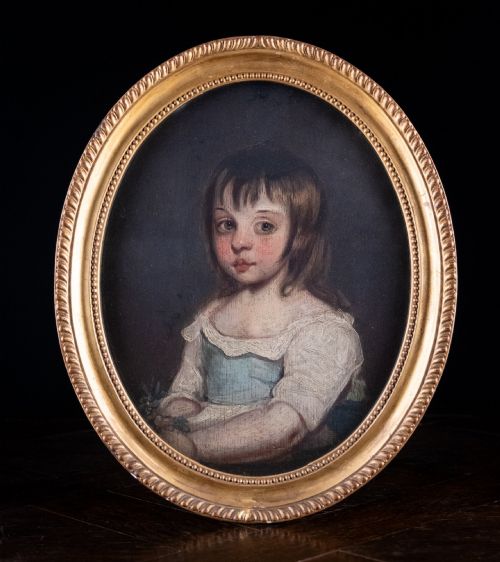
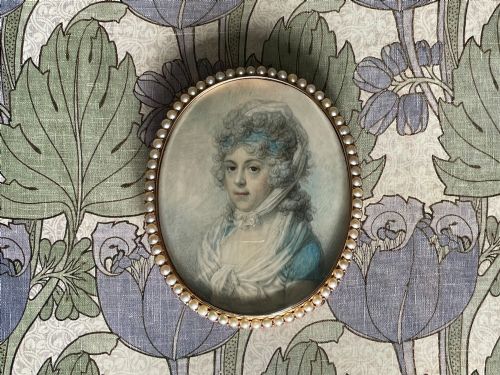
A blue dress portrait miniature captures small-scale likenesses ranging from Georgian country girls to Edwardian ladies in fancy dress. These intimate works appear across the eighteenth and nineteenth centuries, including Regency examples featuring notable blue sashes.
The selection here encompasses paintings on paper and canvas alongside silhouettes painted on glass. Styles stretch from Neoclassical and Georgian to Victorian, William IV, and Edwardian periods, reflecting diverse British and French artistic traditions.
How they were made
Makers housed these delicate paintings within protective enclosures utilising gilt metal, solid gold, maple frames, and ebonised wood. Glazing protected the painted surfaces from dust and handling while enhancing the visual depth of the miniature.
Several portraits capture subjects sporting striking blue sashes, proving that matching your accessories to your painting was essential centuries ago.
What varies in quality
The sophistication of the surrounding frame and mounting materials also distinguishes the tier of work. Original enclosures featuring fine gold or polished gilt metal elevate the object above standard framed watercolours.
Richard Cosway·William Egley·Susie Lassam·Elisabeth Vigee Le Brun·Alexander Melville
The Blue Dress Portrait Miniature Glossary
- Portrait miniature
- A small-scale painting depicting a specific person, traditionally executed with fine detail. These works were designed to be held in the hand, worn as jewellery, or displayed on a cabinet wall.
- Watercolour
- A paint consisting of pigment suspended in a water-based solution, frequently applied to paper or vellum for miniature painting. It allows for translucent washes that create soft flesh tones and delicate costume details.
- Gilt metal
- A base metal treated with a thin layer of gold leaf or wash to simulate solid gold. It frequently forms the bezels and frames of nineteenth-century miniatures.
- Silhouettes
- A profile portrait filled in with a solid dark colour, sometimes painted directly on glass. They offer a stark, elegant alternative to detailed polychrome watercolours.
- Regency
- An English stylistic period spanning the early nineteenth century, noted for classical restraint and specific costume details like wide blue sashes. Pieces from this era often display refined Neoclassical influences.
Blue Dress Portrait Miniature: Frequently Asked Questions
How were portrait miniatures displayed?
Owners kept these small works inside fitted travel cases, carried them in pockets, or hung them closely grouped on parlour walls. Many included integrated loops or pins to allow wear as personal jewellery.
Protective glass coverings and secure frames ensured the delicate pigments remained safe from moisture and accidental touching during daily handling.
What materials did artists paint on?
Makers most frequently applied watercolour onto fine paper or card, though some worked with oil paint on stretched canvas. Painters also utilised glass sheets, particularly for silhouettes and specialised profile works.
The choice of ground influenced the level of detail achievable, with smooth prepared surfaces allowing for exceptionally fine facial rendering.
How do I date a miniature?
Costume details offer the most reliable clues for dating, as hairstyles, bonnets, and dress designs changed rapidly across the eighteenth and nineteenth centuries. Wide blue sashes and high waistlines point firmly toward the Regency era.
Framing materials and signature styles also help anchor pieces to specific periods like the Georgian, Victorian, or Edwardian decades.
Are these works signed by the artist?
Only a selection of pieces bear visible signatures, initials, or contemporary inscriptions on the reverse naming the sitter or painter. Many historical miniatures remained unsigned as makers viewed them as intimate craft rather than grand salon art.
Attributions for unsigned works rely on stylistic comparisons with documented pieces from known schools and circles.