



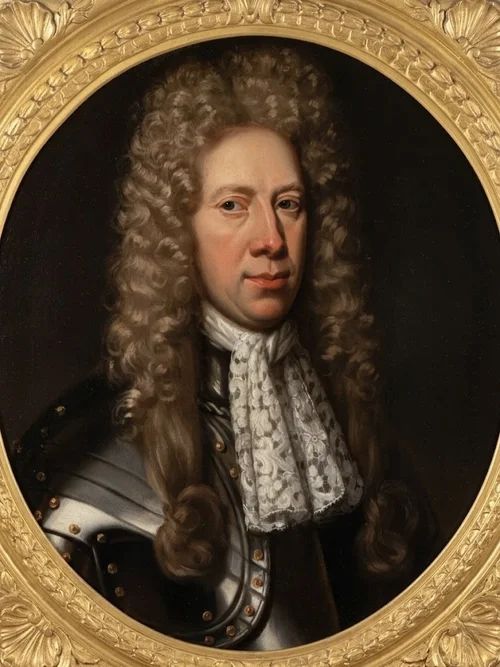
Oval Gilt Frame Portrait
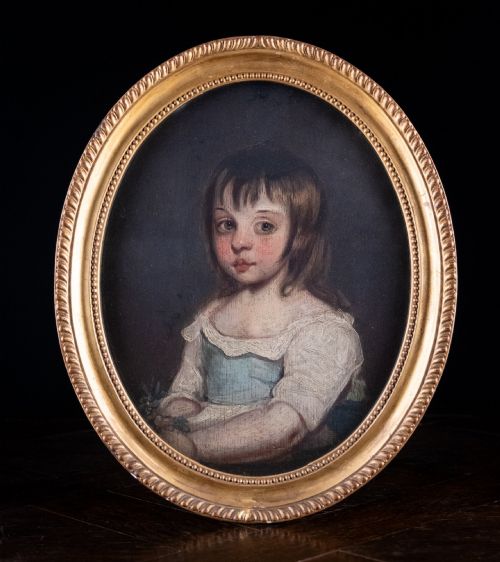
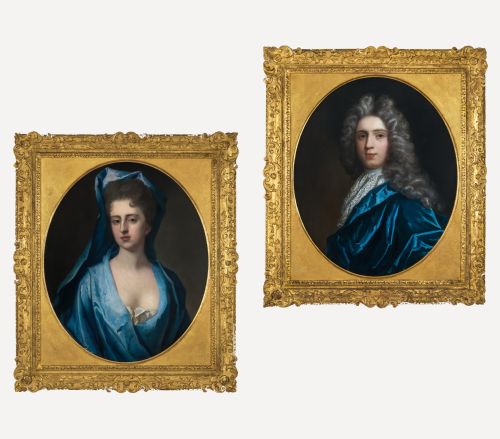
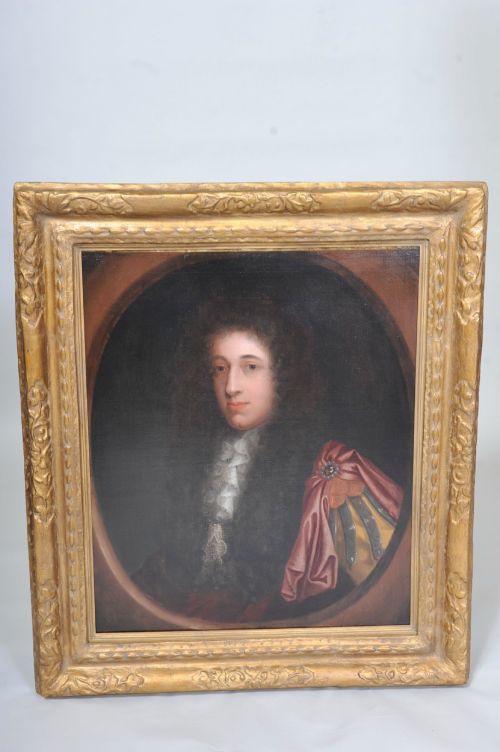
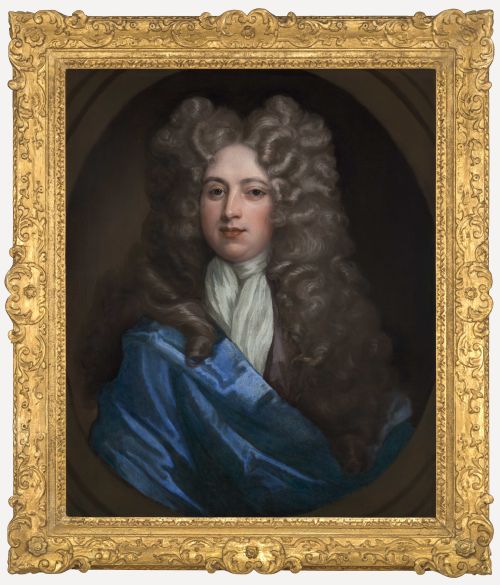
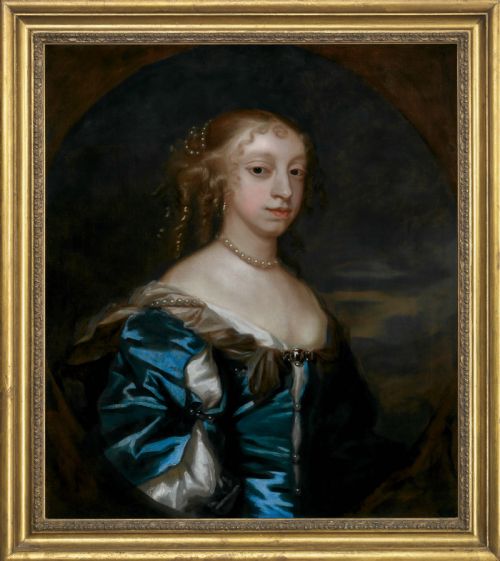
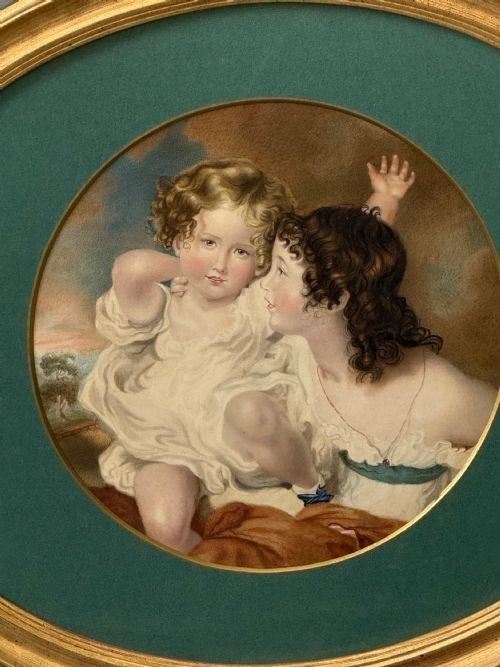
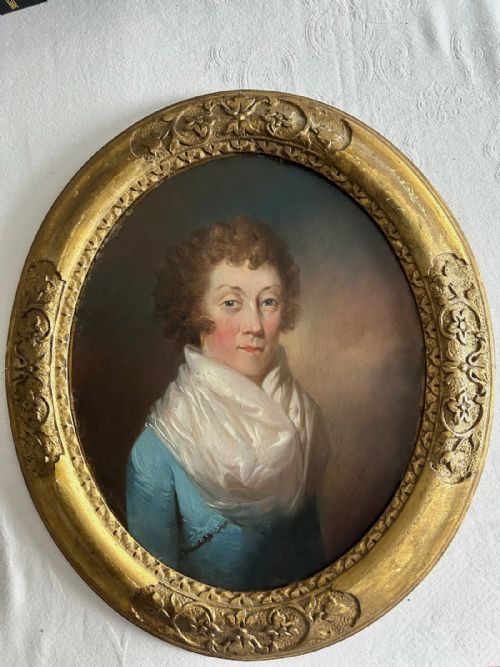
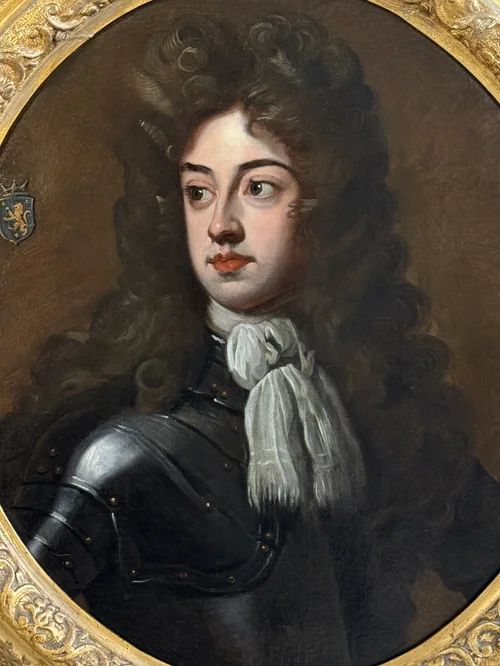
When you search for an oval gilt frame portrait, you encounter historic likenesses rendered in oil, pastel, watercolour, and print, housed within shaped metallic or gilded surrounds.
Oval Gilt Frame Portrait
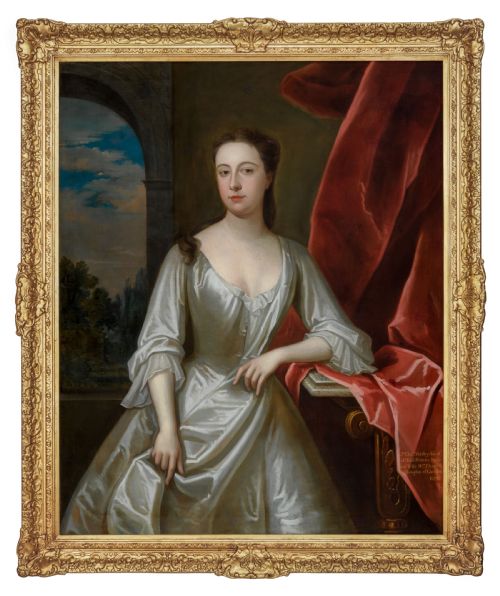
An oval gilt frame portrait combines a historic likeness with a curved, reflective surround designed to draw the eye inward toward the subject's face. The selection centres heavily on oil on canvas paintings and pastel works from the seventeenth, eighteenth, and nineteenth centuries.
Buyers meet everything from grand aristocratic depictions attributed to established circles down to intimate miniature silhouettes and engravings housed in period frames. These pieces span British, French, and Italian schools, reflecting diverse eras of portraiture from the Renaissance through the Edwardian period.
Materials and construction
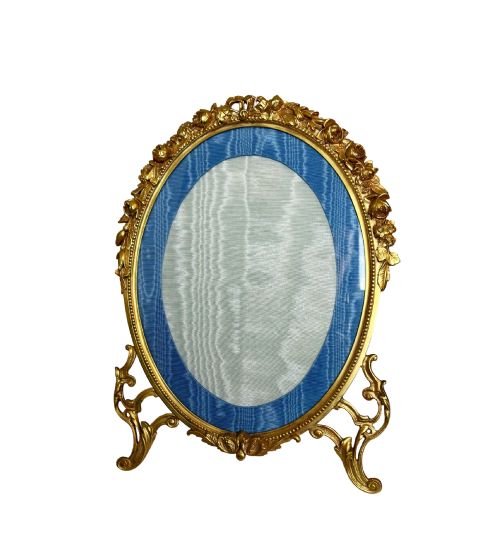
Makers built these pieces using wood, giltwood, gilt bronze, brass, or gold leaf applied to shaped surrounds, enclosing surfaces of stretched canvas, paper, glass, and panel. Artisans painted with oils or pastels, or produced silhouettes and stipple engravings.
Frames often feature swept rococo mouldings or simple gilded borders designed specifically to complement the curved perimeters of the artwork contained within.
Listings span works from the sixteenth century through the Edwardian era, incorporating oil, pastel, watercolour, and print mediums.
Assessing quality and preservation
Quality rests in the finesse of the brushwork, the depth of expression in the subject's face, and the original pairing of the artwork with its specific gilded housing. Superior examples exhibit intact gilding, stable canvas or paper surfaces, and strong attribution to known hands or schools.
Lower tiers often show heavy later interventions, degraded pigments, or replacement frames that lack the historical harmony of an untouched piece.
Sir Godfrey Kneller·Michael Dahl·Thomas Murray·James Sharples·John Russell·Louis Icart
The Oval Gilt Frame Portrait Glossary
- Giltwood
- Wood carved and coated with gold leaf or metallic paint. This material provides the brilliant, reflective surface seen on period surrounds.
- Silhouette
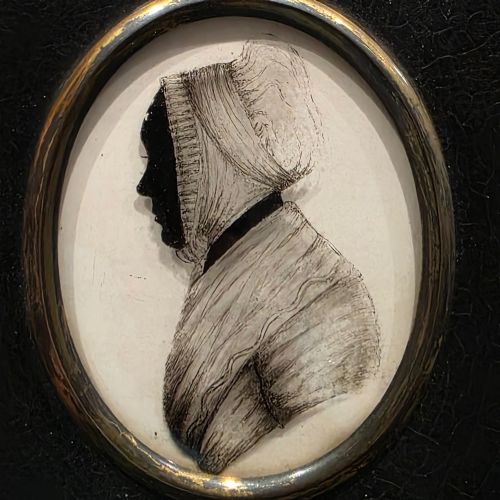
- A solid dark profile portrait, usually cut from paper or painted. These works frequently appear inside small, convex-glass oval frames.
- Pastel
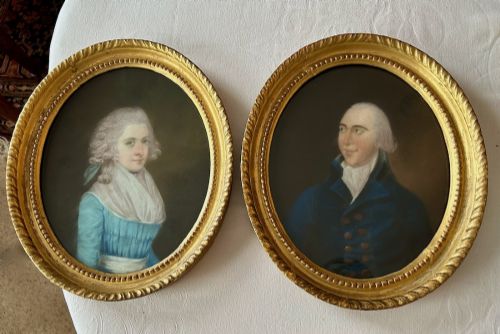
- A medium made of powdered pigment bound into a stick. Artists applied these delicate coloured chalks to paper surfaces to capture soft facial tones.
- Stipple engraving
- A printmaking technique using dots to create tonal gradations. This method produces subtle, painterly portraits suitable for framing.
Oval Gilt Frame Portrait: Frequently Asked Questions
How do I date an oval portrait?
Dating relies on stylistic clues in the subject's clothing, periwigs, or hairstyles, alongside the construction methods of the backing and stretcher.
Frame profiles also provide strong chronological markers, shifting from heavy seventeenth-century mouldings toward lighter Regency and Victorian decorative surrounds.
Are these frames original to the paintings?
Many portraits retain their period frames, though artwork and surrounds were occasionally paired together over centuries of ownership.
Inspectors look for matching wear patterns, rebate sizes, and historic fixings to determine if the frame and portrait have lived together from the beginning.
How should I hang an oval frame?
Because of their curved geometry, these pieces require secure two-point hanging systems to prevent them from tilting crookedly on the wall.
They function well in narrower wall spaces, stairwells, or grouped alongside rectangular works to break up strict room symmetry.
What is the difference between oil and pastel portraits?
Oil paintings utilise pigment suspended in drying oils on canvas or wood panels, offering rich depth and robust durability over centuries.
Pastels consist of dry pigment sticks applied to paper, producing a velvety matte texture that historically required glass protection to prevent smudging.