


18th Century Child Portrait
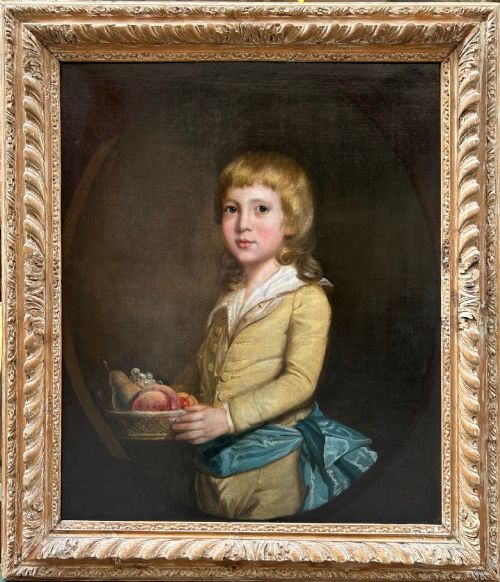
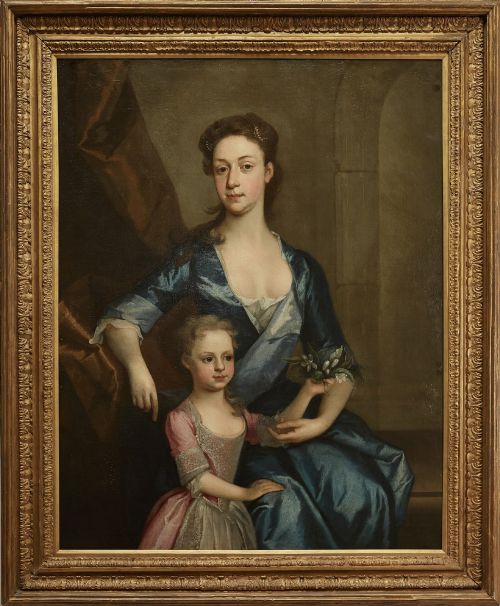
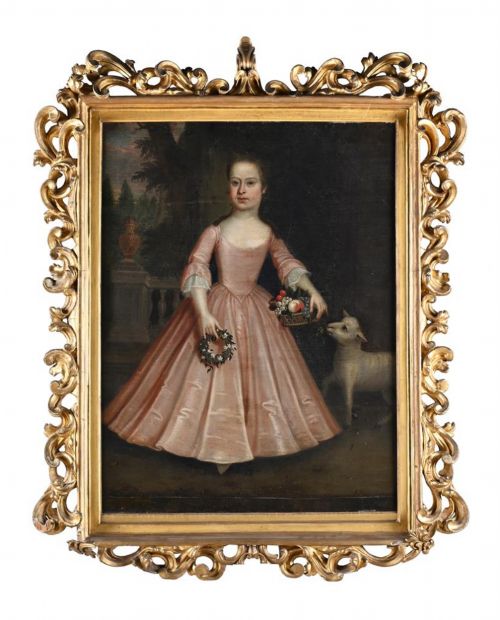
An 18th century child portrait captures the likeness of young subjects in oil on canvas, pastel, or miniature, offering a direct window into historical domestic life.
18th Century Child Portrait
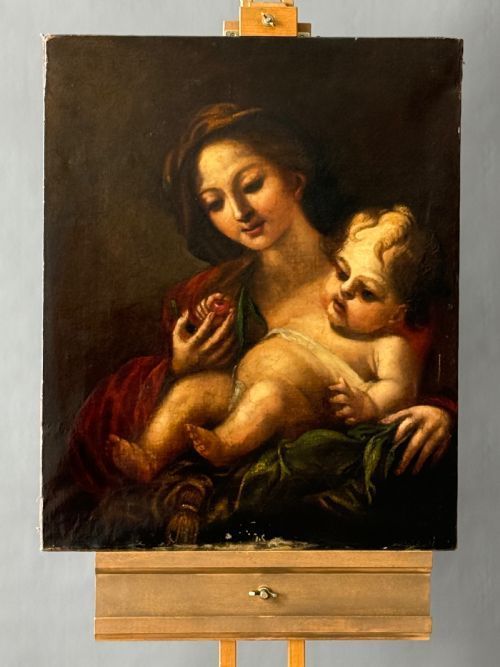
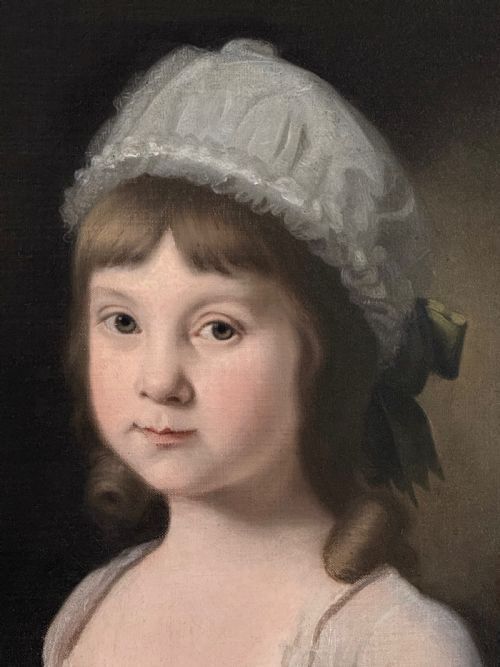
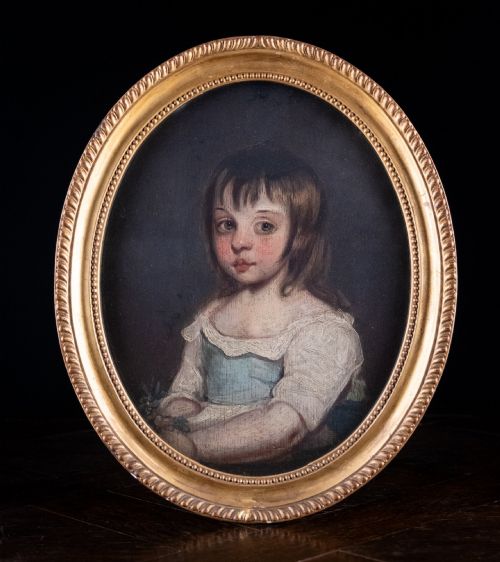
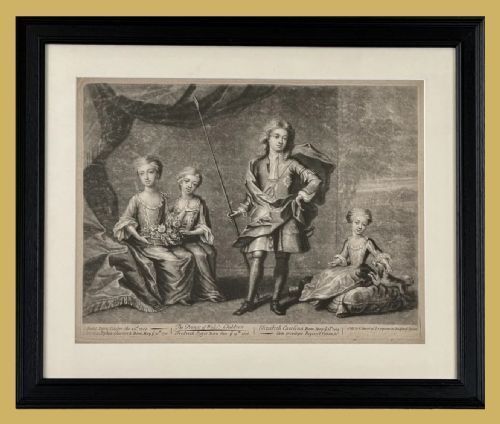
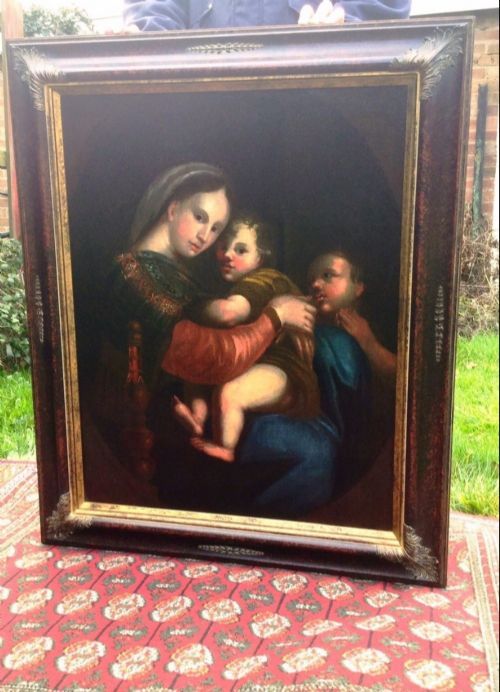
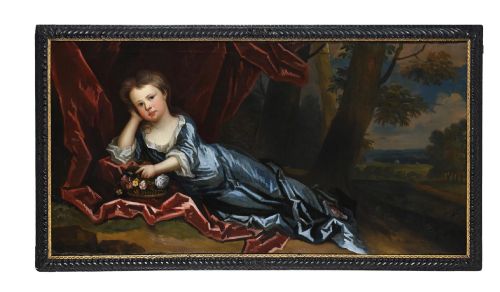
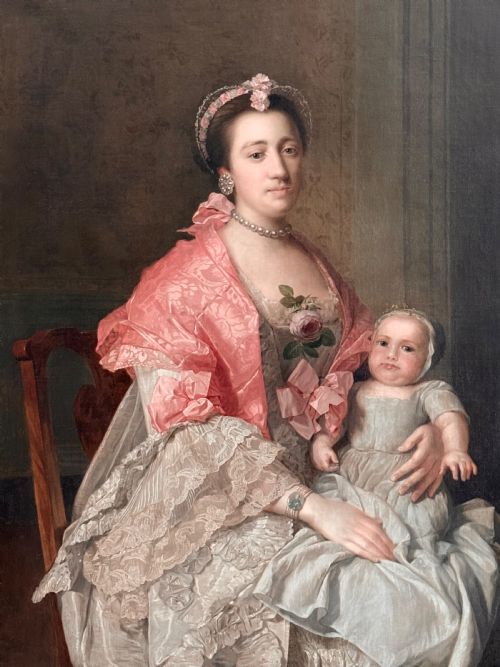
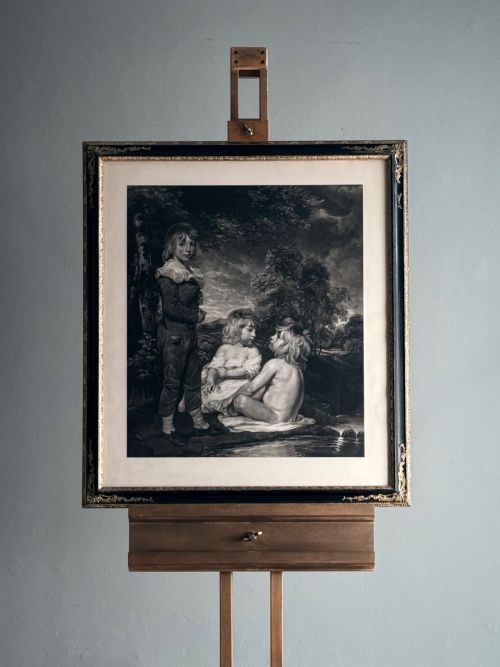
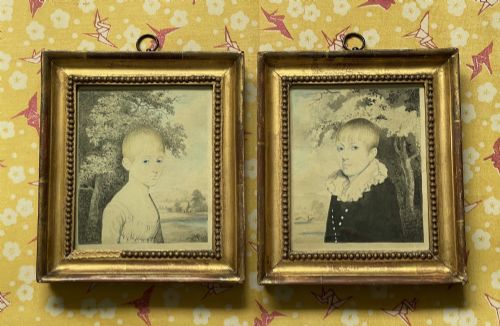
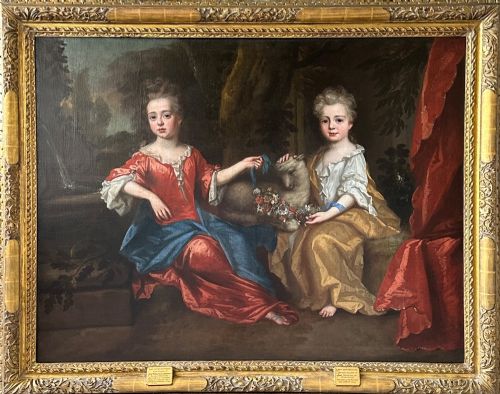
An 18th century child portrait encompasses oil paintings, watercolours, pastel works, and portrait miniatures depicting young subjects individually, with siblings, or alongside mothers.
The selections span British and European schools, ranging from formal studio commissions to intimate portrayals of children with pets, toys, or fruit.
While many pieces date securely to the Georgian era, related works from adjacent periods such as the 17th and 19th centuries also appear in the selection.
Materials and technique
Artists primarily applied oil paint to stretched canvas, building up rich surfaces through layered glazes and detailed brushwork.
Works on paper utilised watercolours and pastels, capturing softer tones in delicate compositions often protected behind glass.
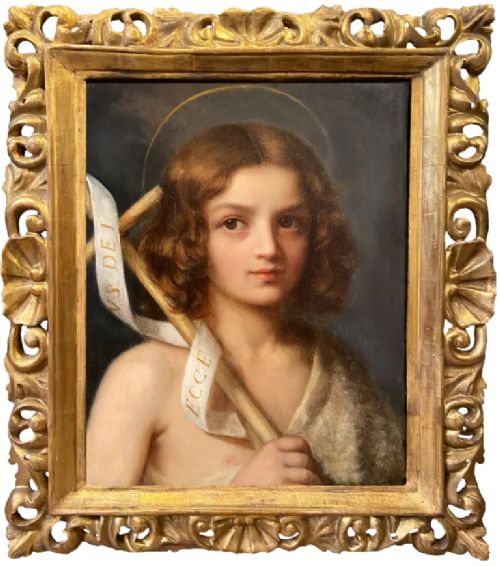
Miniatures and paintings frequently found housing in period frames fashioned from carved wood and giltwood.
Children in these portraits are occasionally immortalised alongside unusual childhood companions, including tiger cowrie shells, spinning tops, and pet dogs named Mr Quiz.
Assessment of quality
Technical proficiency in rendering the anatomy, expression, and skin tones of young sitters distinguishes finer artistic execution from stiffer workshop output.
The handling of surrounding elements, such as textiles, pets, toys, and architectural backgrounds, contributes significantly to the visual depth of the composition.
Provenance and attribution to documented artists or recognised studio circles elevate the historical standing of individual paintings.
Charles D Agar·Sir Allan Ramsay·Thomas Beach·James Maubert·Joseph Highmore·Arthur William Devis·William Wood·Sir Joshua Reynolds·Christian Lindner·George Engleheart·Bartolomeo Schedoni·Philip Mercier·Arthur Pond·George Knapton·Robert Byng·Edward Bird·Francis Alleyne·Richard Cosway·John Russell·Michael Dahl
The 18th Century Child Portrait Glossary
- Mezzotint
- A printmaking process of the scraperboard method allowing halftone gradients. This technique was frequently utilised to reproduce famous painted portraits in multiples.
- Giltwood
- Wood carved and coated with gold leaf. Frames of this material commonly surround canvas paintings from the period.
- Portrait Miniature
- A small, highly detailed painting executed on vellum, ivory, or card. These intimate pieces were often worn as pendants or kept in protective cases.
- Circle of
- A designation used when a work shows the distinct hand of an artist working closely within a master's studio or under their direct stylistic influence.
- Pastel
- A medium consisting of powdered pigment and a binder formed into sticks. Works created in this dry medium offer vibrant colour retention when preserved properly behind glass.
18th Century Child Portrait: Frequently Asked Questions
What materials were used for these portraits?
Artists relied primarily on oil paints applied to woven canvas supports. Watercolours and pastels on paper also appear frequently among surviving examples.
Frames were commonly constructed from carved wood finished with gilt layers. Glazing materials protected delicate works on paper from atmospheric damage.
How do I identify the period of a painting?
Stylistic clues such as the cut of the child's clothing, hairstyles, and accompanying props help establish the era. Genre conventions shifted noticeably between early Georgian works and later Regency pieces.
Stretcher frames, canvas types, and historical inscriptions on the reverse often provide further chronological markers.
Were these portraits painted from life?
Many formal commissions involved direct sittings in artist studios, though children often posed with assistants to manage restless subjects. Sketches and studies were frequently prepared beforehand.
Some religious and allegorical compositions utilised models to depict figures like St John the Baptist or the Christ child.
How should I care for an oil painting?
Paintings on canvas require stable indoor humidity and temperatures to prevent warping or cracking of the paint layer. Direct sunlight should be avoided to prevent fading of pigments.
Dust should be removed gently from the surface and frame using a soft, dry brush without applying cleaning solutions.