


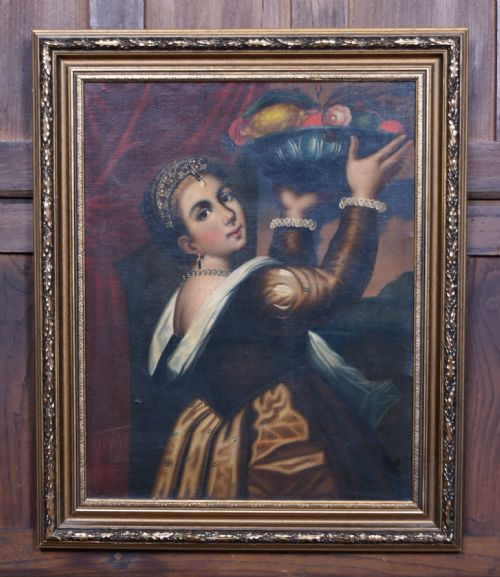
Classical Portraiture Artwork
Classical portraiture artwork captures likenesses in oil and print, offering a direct connection to figures from past centuries.
Classical Portraiture Artwork
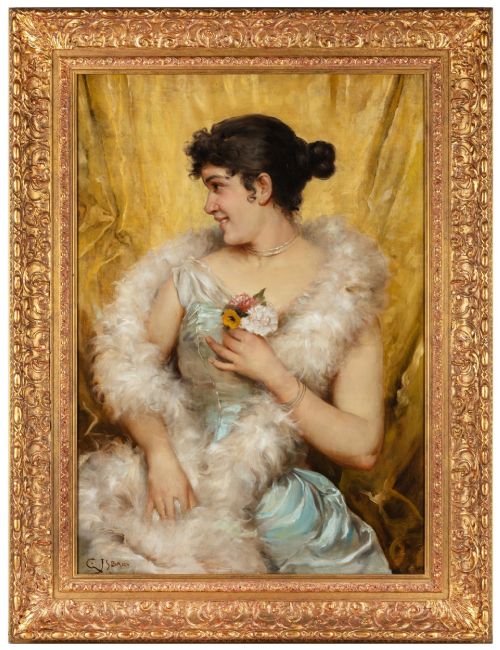
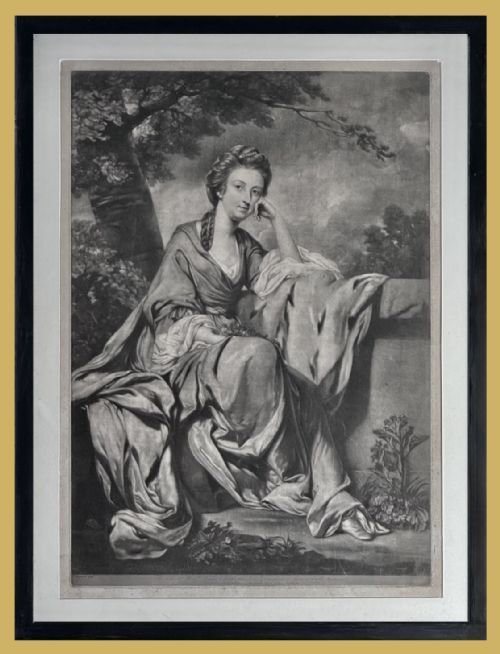
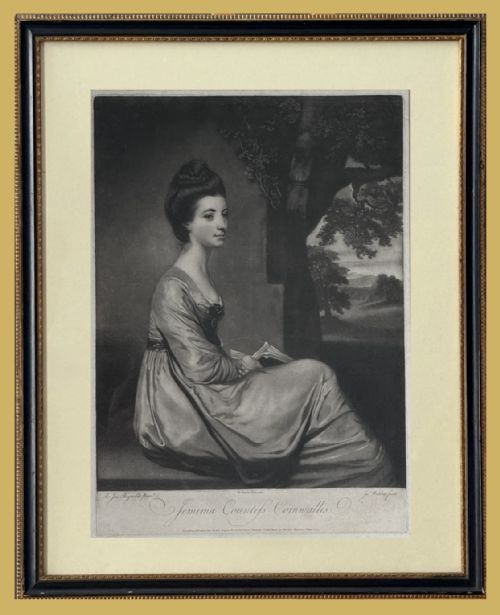
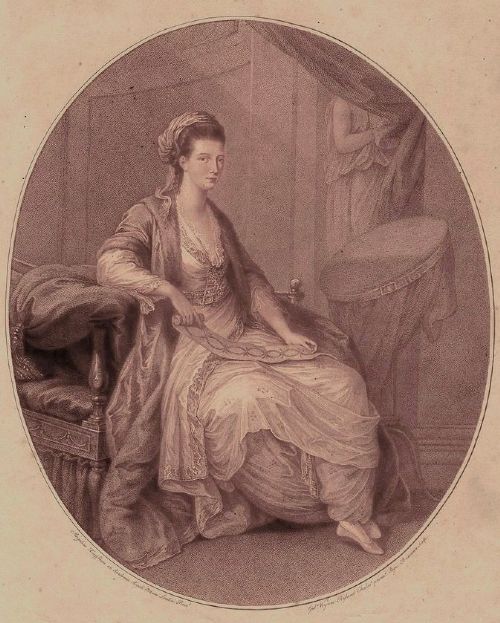
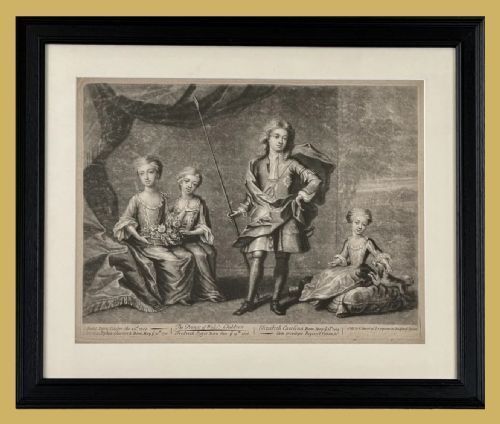
Classical portraiture artwork comprises oil paintings and prints depicting historical subjects, often executed on canvas or paper. These pieces range from intimate depictions of children with pets to formal studies of nobility.
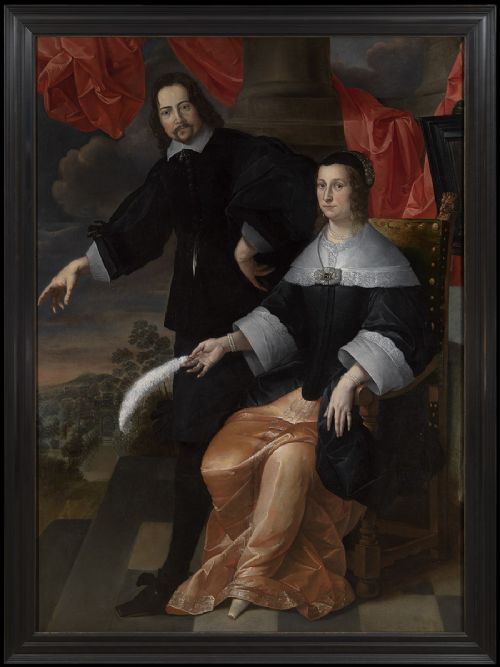
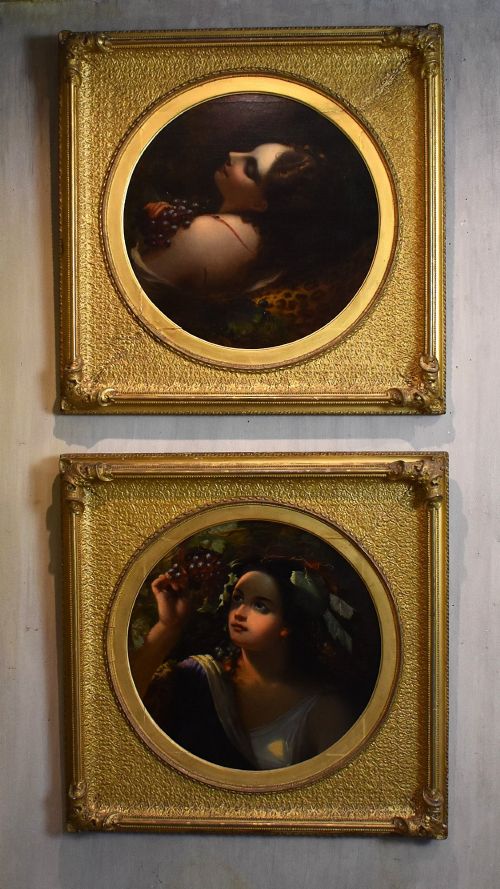
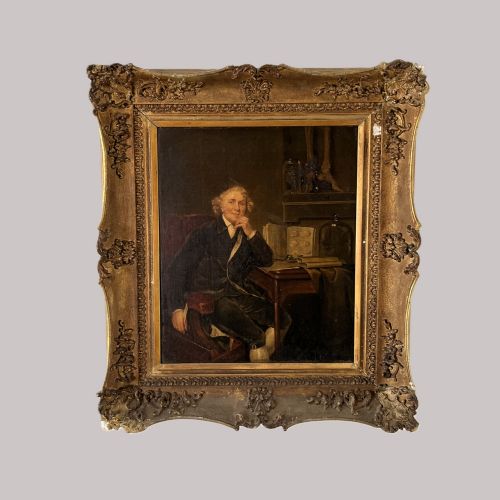
The selections encountered here span several centuries, including 17th-century Dutch works, 18th-century English mezzotints, and 19th-century Italian school pieces. Oil on canvas dominates the selections alongside period engravings and mezzotints.
Buyers frequently encounter framed works reflecting Georgian, Victorian, and Belle Epoque aesthetics. Each piece presents a distinct historical persona captured through traditional media.
Materials and methods
Oil paint applied to woven canvas forms the primary medium for these portraits, allowing artists to build depth and luminosity. Wood panels and paper sheets also serve as supports, particularly for engravings and mezzotints.
The listings span from the 17th century through the 20th century, utilising oil on canvas, paper, and gilded wood.
Judging quality in portraits
The skill of the hand behind attribution, whether a named master, a follower, or an anonymous continental school, shapes the standing of the piece. Preservation of the original canvas and the integrity of the pigment layer determine enduring character.
G. J. S. Bary·Edward Fisher·Sir Joshua Reynolds·James Watson·Theodore Jensen·John Hamilton Mortimer·Christian Lindner·Thomas Gainsborough·Franz Xaver Winterhalter·Guiseppe Mazzolini·Balthasar Denner·Michael Dahl·Jean-Baptiste Santerre
The Classical Portraiture Artwork Glossary
- Mezzotint
- A printmaking process of the intaglio family, where the plate is roughened to achieve rich tonal gradations. This technique allowed printmakers to replicate oil paintings with remarkable fidelity.
- Attributed to
- A term used when a work shows the style of a specific artist but lacks definitive documentation. It denotes strong stylistic links to a named hand.
- Circle of
- A designation indicating that an artist worked in close association with a master. These pieces reflect the prevailing studio practices of the period.
- Giltwood
- Wood carved and coated with gold leaf or a gold-coloured metallic finish. It provides a traditional ornamental border for period frames.
Classical Portraiture Artwork: Frequently Asked Questions
How do I date an old portrait?
Dating relies heavily on costume, hairstyle, and the framing materials associated with the canvas or print. Evidence such as sitter identification or signatures provides further chronological markers.
Examination of the canvas weave and stretcher bars also offers clues to the production period of oil paintings.
What is the difference between a painting and a mezzotint?
Paintings consist of direct pigment applications on canvas or wood by an artist's hand. Mezzotints are printed multiples created from etched copper plates reproducing painted originals.
Print versions offer tonal depth distinct from the layered texture found in oil mediums.
How should I display antique portraits at home?
These works suit traditional living spaces, libraries, or hallway walls where adequate ambient lighting highlights the canvas. Pairing them with period wooden furniture enhances their historical context.
Avoid placing them in direct sunlight to protect oil pigments and paper works from fading.
What does school mean in a title?
School designates a group of artists working within a specific region or following a particular stylistic tradition during an era. It indicates geographical origin rather than a single specific maker.
Italian school or European school labels point to shared regional techniques and aesthetics.