
Rococo Portrait Artwork
When you search for rococo portrait artwork, you encounter painted depictions of historical figures and idealized beauties housed in ornate frames.
Rococo Portrait Artwork
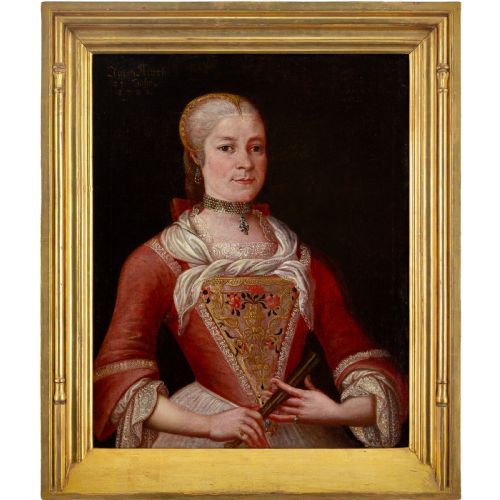
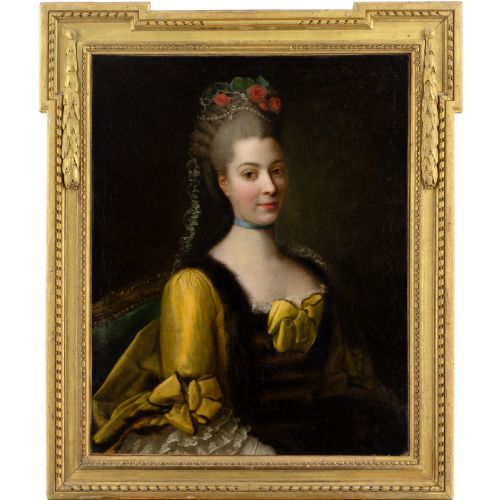
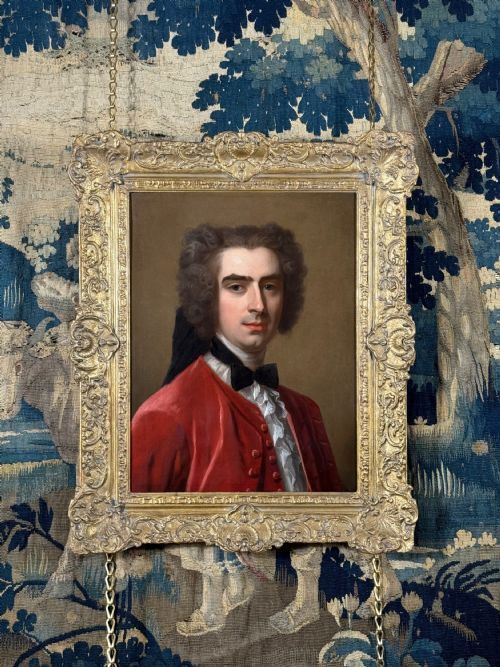
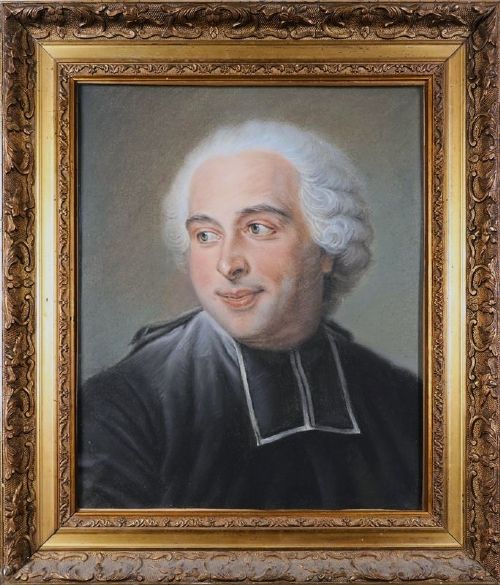
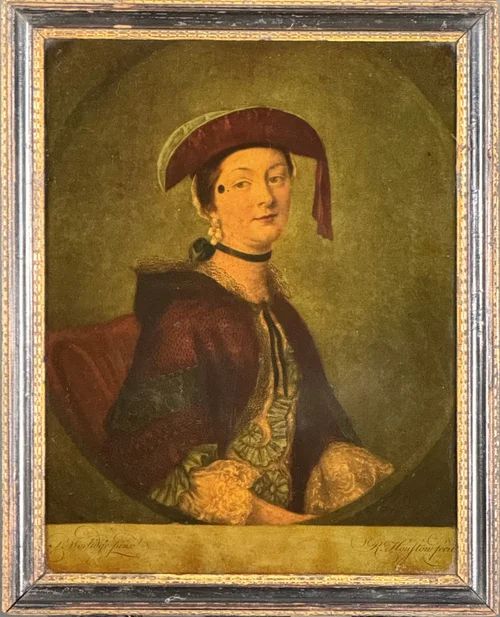
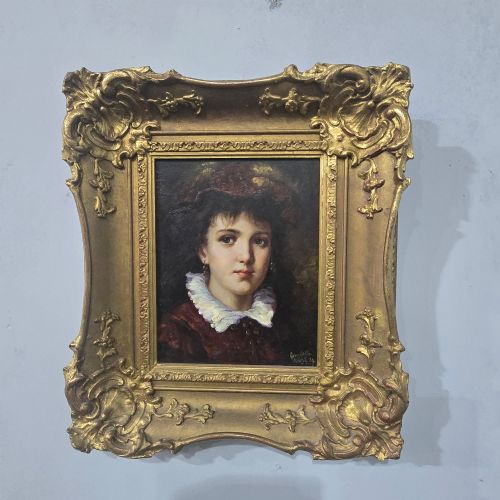
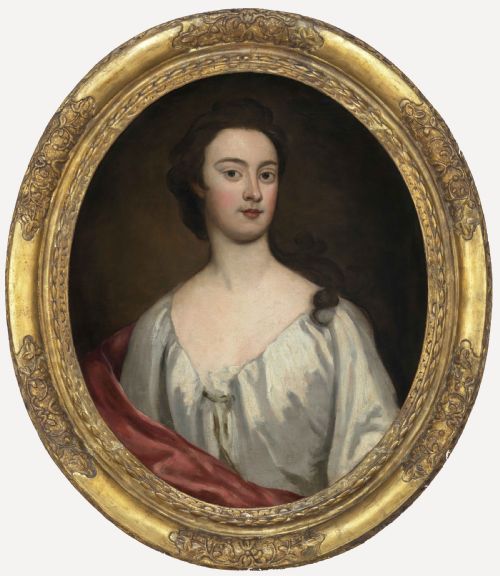
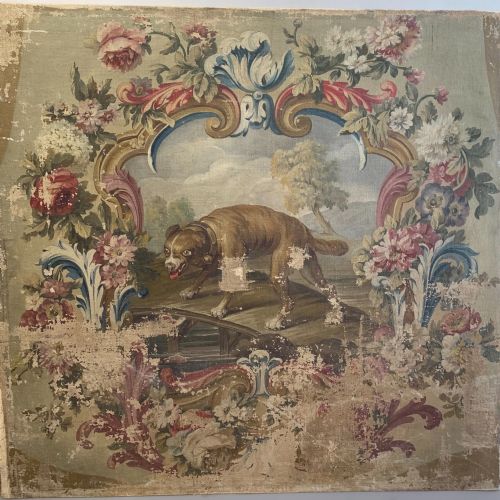
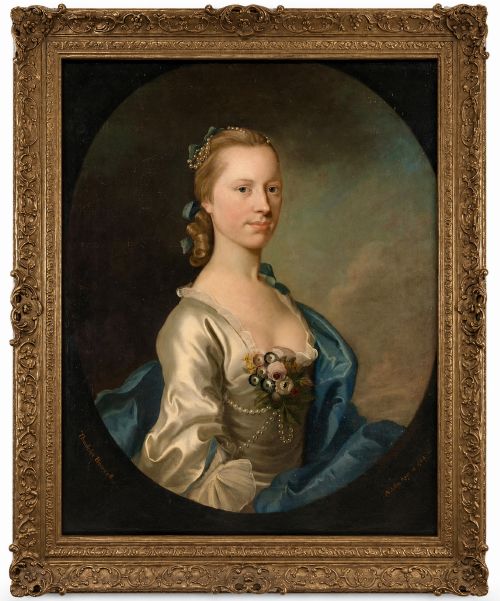
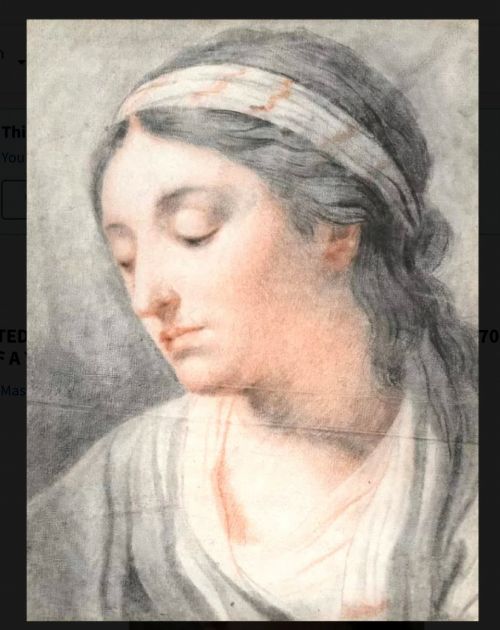
Rococo portrait artwork captures the elegance of the eighteenth century through depictions of aristocrats, elegant women, and gentlemen in period attire. These pieces range from authentic mid-eighteenth-century oils on canvas to later nineteenth-century revivals and pastels.
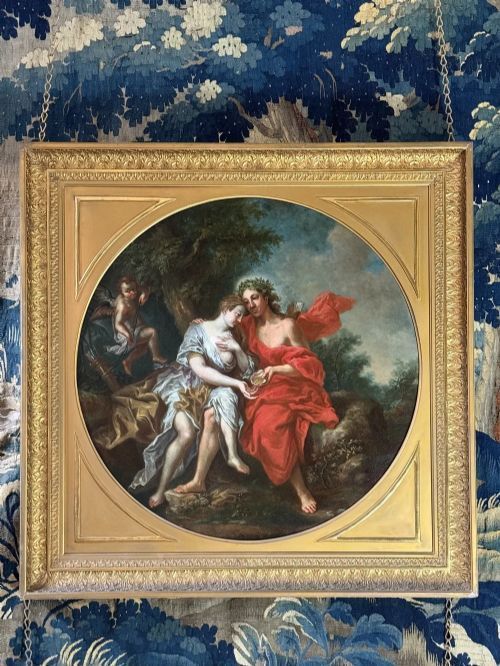
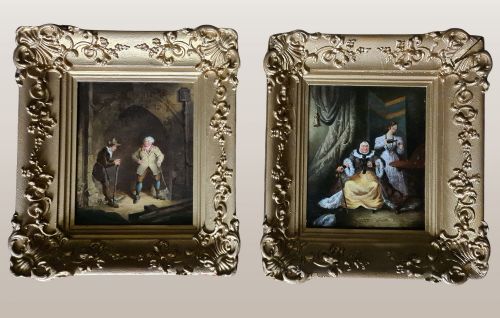
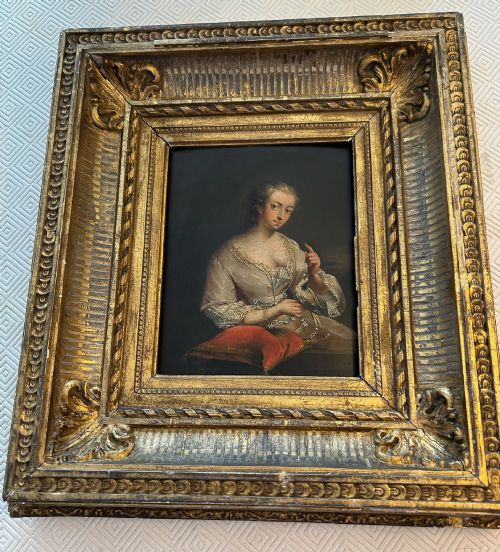
The subjects often appear in formal poses, wearing detailed garments such as lace jabots, yellow dresses, or scarlet jackets. Alongside direct portraits, the selection includes figurative interior scenes and mythological figures framed in period styles.
Works originate from various European schools, including French, Bavarian, German, and Italian workshops. Buyers will find both original period compositions and later interpretations created in the stylistic tradition of the era.
How They Were Made
Artists primarily used oil paint applied to canvas, wood panels, or copper substrates to build rich textures and layered tones. Some works utilise pastel on canvas, while others employ reverse painted mezzotint techniques.
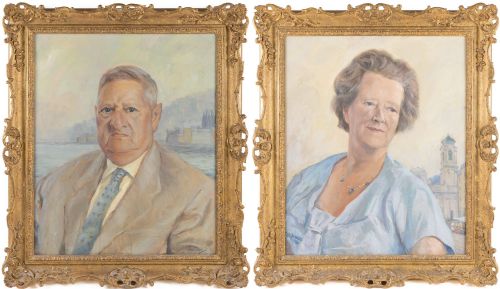
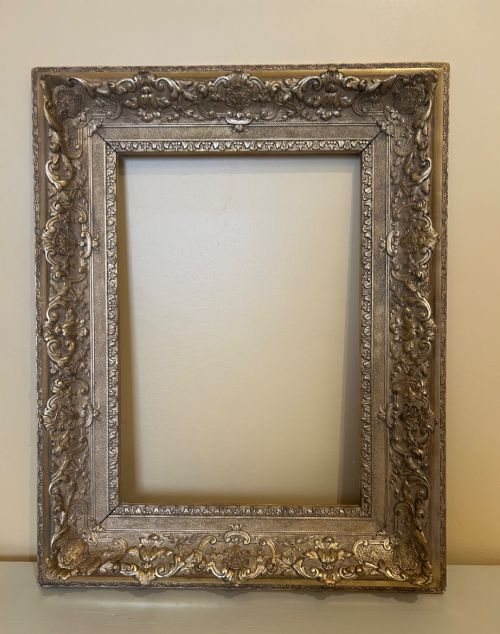
Surviving paintings are frequently housed in their original or period-appropriate surrounds constructed from giltwood, wood, and gesso. These frames often display intricate decorative moulding that complements the theatricality of the painted canvas.
Several portraits capture subjects distracted by feathered pets, spinning tops, or musical instruments rather than posing in solemn stillness.
What Varies in Quality
The integrity and preservation of the support surface, whether canvas, board, or copper, influence the overall condition. Originality of the accompanying giltwood and gesso frames also contributes significantly to the historical coherence of the piece.
Jean-Baptiste van Loo·Charles-Antoine Coypel·Francois Boucher·Jeremiah Davison·Allan Ramsay·Pompeo Batoni·Philip Mercier·Balthasar Denner
The Rococo Portrait Artwork Glossary
- Oil on Canvas
- A painting medium where pigments suspended in drying oil are applied to stretched fabric. This method allowed artists to achieve smooth gradations of tone and rich colour depth.
- Giltwood
- Wood that has been treated with a thin layer of gold leaf or powder. It provides a luminous, reflective border for eighteenth-century portraiture.
- Gesso
- A paint mixture consisting of a neutral binder mixed with chalk, gypsum, or pigment. It served as a prepared foundational base for wooden panels and decorative frame mouldings.
- Mezzotint
- A printmaking process of the intaglio family where the surface is roughened to produce tones and dark fields. Reverse painted examples apply pigment directly to the glass.
- Pastel
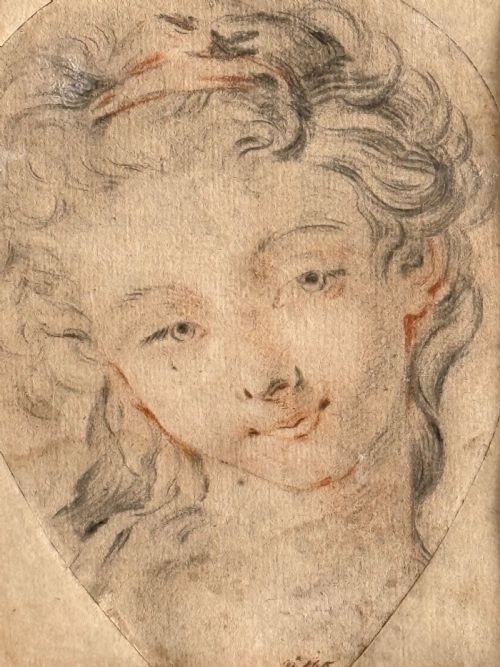
- A medium consisting of powdered pigment combined with a binder gum and formed into a stick. It creates a soft, matte finish popular for intimate portraiture.
Rococo Portrait Artwork: Frequently Asked Questions
What is rococo portrait artwork?
These pieces are historical paintings depicting aristocratic figures, children, and elegant ladies created during the eighteenth century or in later revival periods.
They emphasise decorative grace, elaborate costume, and theatrical lighting characteristic of the European courts.
How were these paintings displayed?
Period artworks were hung in grand salons, drawing rooms, and residential galleries to project social status and taste.
They were specifically designed to harmonize with ornate interior architecture and elaborate gilt frames.
How do I care for an oil painting?
Keep the artwork away from direct sunlight, high humidity, and rapid temperature fluctuations to protect the canvas and paint layers.
Dust the surface and the surrounding giltwood frame gently with a dry, soft brush without applying liquid cleaners.
How can I tell an original period piece?
Examine the physical support, the craquelure in the oil paint, and the construction methods of the accompanying wooden frame.
Stylistic markers and historical attribution notes often provide further context regarding the geographic school and date of creation.