




German Fine Art Portrait
A german fine art portrait brings centuries of continental character into a room through oil on canvas and painted porcelain.
German Fine Art Portrait
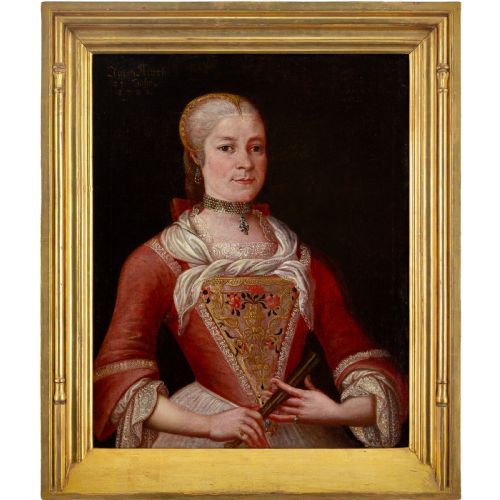
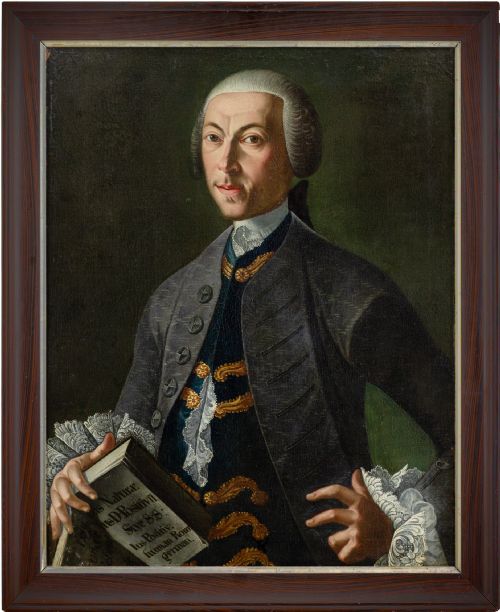
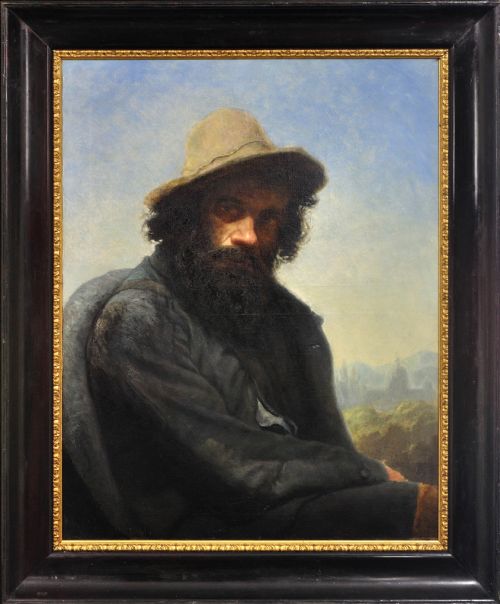
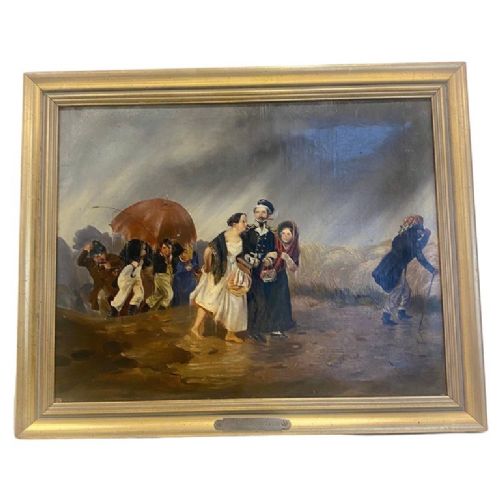
A german fine art portrait encompasses works executed in oil on canvas and painted porcelain across several distinct periods. Buyers encounter regional schools from the seventeenth century onward, capturing sitters from nobility to country girls.
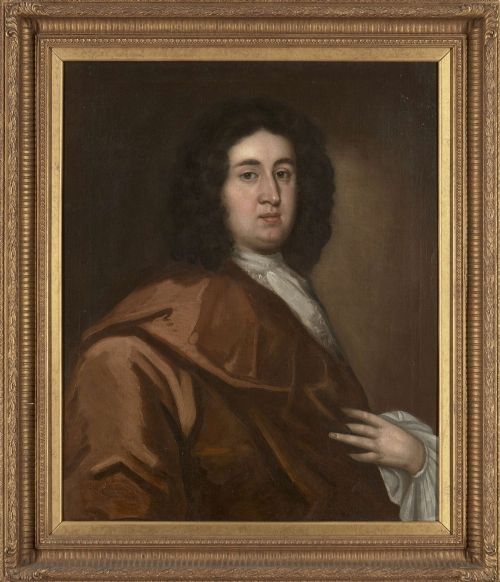
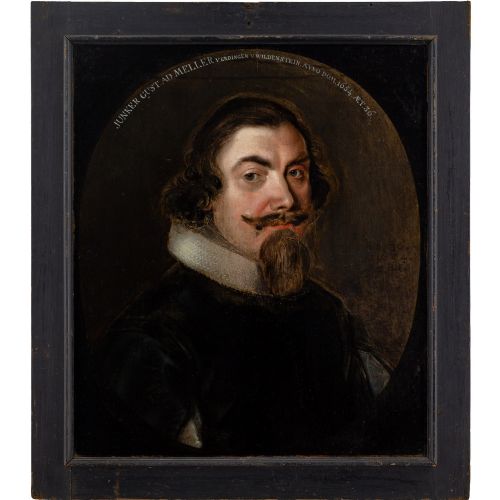
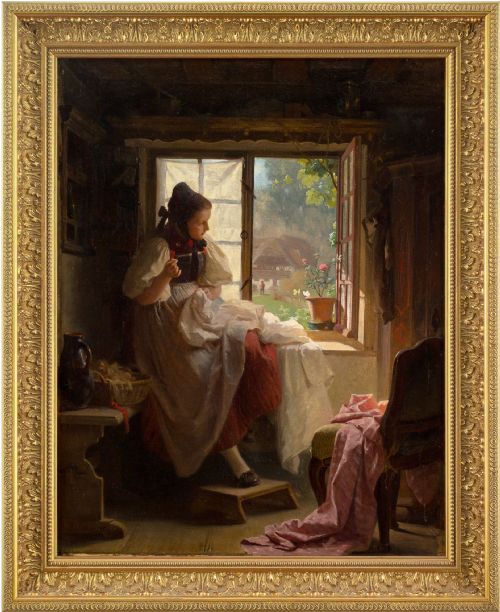
The nineteenth century yields realist depictions and domestic scenes framed in gilt wood, whilst earlier centuries focus on merchants and statesmen. These oil paintings reflect regional European aesthetics, notably Bavarian and Biedermeier traditions.
Works range from intimate portrayals of children with pets to formal studies of gentlemen in cloaks. Each piece demonstrates the enduring technical skill of German portraiture through carefully preserved canvas and wood supports.
Materials and Technique
Artists painted primarily with oil paint on stretched canvas or prepared wood panels, building rich layers of pigment to achieve depth in garments and skin tones. These materials provide the durability seen in surviving seventeenth and eighteenth century examples.
Evaluating Quality
The condition of the original paint layer and the integrity of the canvas or wood support dictate the longevity and visual impact of the piece. Period frames with original gilding further elevate the overall integrity of the artwork.
John Closterman·Max Kaltenmoser·Albin Mattenheimer·Carl Adolf Mende·Heinrich Harder·Christian Lindner·Bernd Funke·Wilhelm Alexander Meyerheim·Arthur Heinrich Wilhelm Fitger·K. Schubert
The German Fine Art Portrait Glossary
- Giltwood Frame
- Wood carved and coated with gold leaf to house and ornament a painting. These frames frequently match the period of the artwork they enclose.
- Biedermeier
- A stylistic period spanning the nineteenth century characterised by domestic realism and clean lines. Portraiture from this era often emphasises middle-class comfort and intimate family settings.
- Baroque
- An artistic style from the seventeenth and early eighteenth centuries known for dramatic lighting and rich detail. Portraits in this manner often feature deep shadows and theatrical poses.
- Oil on Canvas
- A technique using pigments suspended in drying oils applied to woven fabric. This combination allows for subtle blending and rich colour saturation.
- Porcelain Plaque
- A flat ceramic tablet fired with painted decoration. These fragile supports allow for exceptional detail and permanence in portrait miniatures.
German Fine Art Portrait: Frequently Asked Questions
How do I identify a seventeenth century portrait?
Seventeenth century portraits generally display darker palettes, stiff collars or cloaks, and dramatic lighting typical of Baroque influences. Artists of this era focused heavily on status, often depicting merchants, nobility, or historical figures with distinct props.
Examination of the canvas weave and the preparation layers beneath the oil paint can further confirm the age of these early works. Frame styles contemporary to the painting also offer clues to its exact era.
Where should I hang an oil portrait?
Oil paintings require stable environments away from direct sunlight and excessive humidity to protect the canvas and pigment. Placing them on interior walls ensures the giltwood frame and oil surface remain preserved.
Consider eye-level placement in rooms with controlled lighting to properly appreciate the fine details of the sitter's expression. Proper spacing allows the historical character of the artwork to anchor the interior space.
What is a porcelain plaque portrait?
A porcelain plaque portrait involves painting directly onto a fired ceramic tablet rather than fabric or wood. These pieces were often produced by manufactories such as KPM to honour prominent historical figures.
The fired ceramic surface protects the pigments from fading, maintaining the vibrant colours of the subject over centuries. They are typically displayed in compact, ornate frames suited to their miniature scale.
How do regional German schools differ?
Regional schools, such as Bavarian or Biedermeier traditions, reflect the local culture and prevailing artistic training of their specific geographic origin. Bavarian works from the eighteenth century often lean towards rustic or formal portraiture with earthy tones.
Later nineteenth century pieces from Munich show heightened academic realism and attention to domestic detail. Comparing the brushwork and clothing styles helps distinguish one regional workshop from another.