


White Dress Portrait Canvas
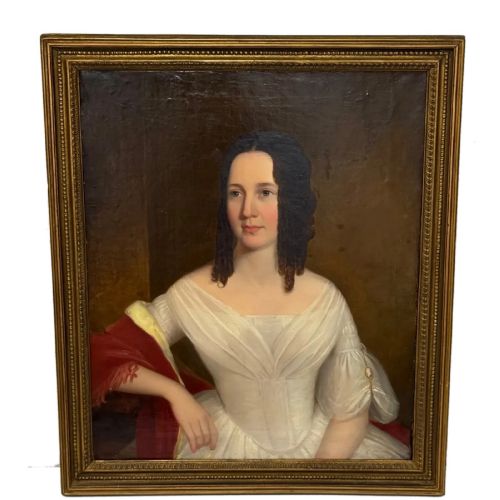
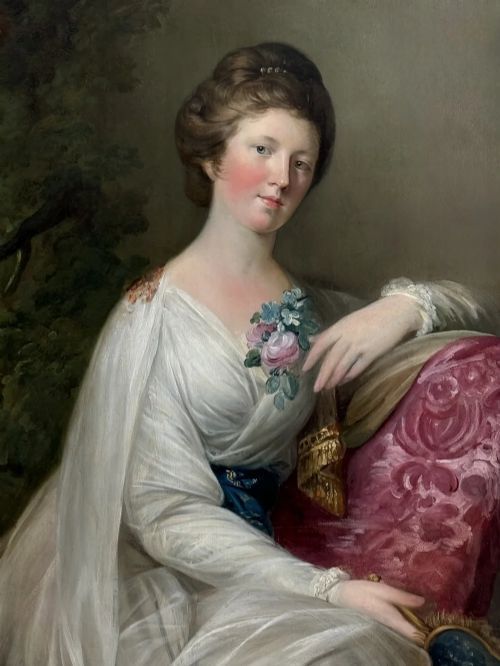
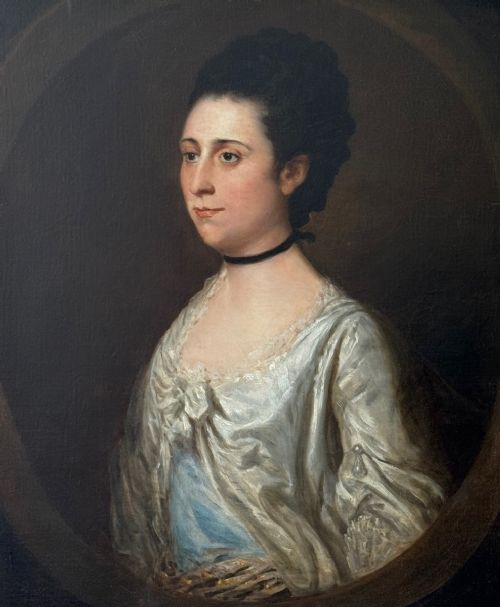
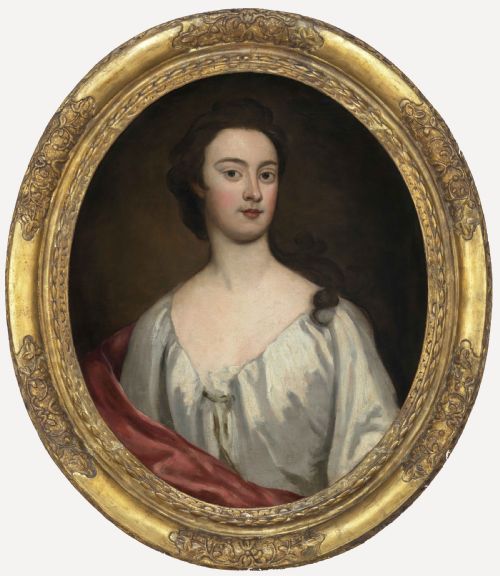
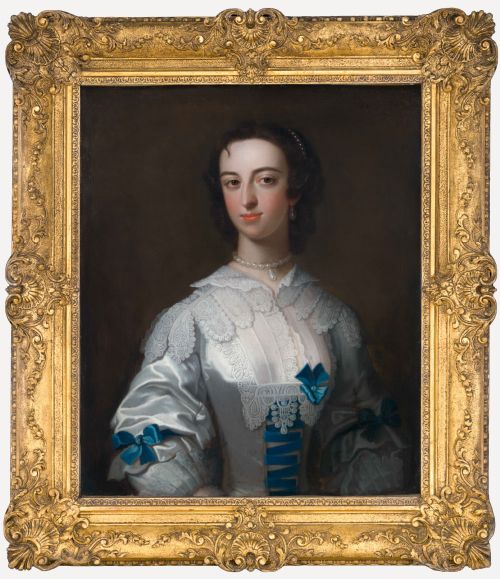
A white dress portrait canvas captures centuries of portraiture, presenting subjects in silk, satin, and cotton across British and continental painting traditions.
White Dress Portrait Canvas
These works comprise oil paintings executed on canvas support, focusing specifically on figures adorned in light-coloured garments. The white dress portrait canvas format spans from the seventeenth century through the nineteenth century, encompassing Georgian, Regency, and Victorian aesthetics.
The selections frequently feature sitters depicted in formal attire, sometimes accompanied by domestic animals, books, or landscape elements. Common variants include works by named portraitists as well as outputs from British and continental schools.
Materials and technique
Artists employed oil paint applied to stretched canvas supports, frequently housing the finished works within decorative giltwood frames. The application utilises rich oil pigments to capture the lustre of silk, satin, and lace garments.
Several portrait subjects share the canvas with faithful pets, including spaniels and a particularly distinguished dog named Mr Quiz.
Distinctions in quality
Attribution to a documented painter or a well-recorded school elevates the standing of a canvas. The survival of an original period frame further influences the integrity of the piece.
George Willison·Thomas Beach·Jeremiah Davison·Henry Pickering·John Greenhill·Nicolaes Maes·Christian Lindner·Charles Jervas·William Owen·Francis Alleyne·Enoch Seeman·John Vanderbank·Michael Dahl·Herman Verelst·John Theodore Heins·Heinrich Beltz·Henry Wyatt
The White Dress Portrait Canvas Glossary
- Oil on canvas
- A traditional painting medium where pigmented oil is applied to a woven fabric support. This combination allows for rich colour blending and lasting durability.
- Giltwood
- Wood that has been coated with a thin layer of gold leaf or gold paint. It is commonly found on ornate antique picture frames.
- Regency
- A British stylistic period spanning the early nineteenth century, characterised by classical restraint and elegance in art and furniture. Paintings from this era often feature refined portraiture.
- Restoration
- The professional process of repairing damage, stabilising canvas supports, or cleaning historic paint layers. Good restoration preserves the original integrity of the artwork.
White Dress Portrait Canvas: Frequently Asked Questions
What periods do these paintings cover?
The available artworks span from the seventeenth century through the eighteenth and nineteenth centuries. Examples represent periods such as the Restoration, Georgian, Regency, and Victorian eras.
Each era brings distinct clothing styles and painting techniques to the canvas. Eighteenth-century works often show elaborate silk gowns, while nineteenth-century pieces lean towards simpler cotton and lace designs.
How can I tell who painted a portrait?
Attributions rely on signatures, historic records, stylistic comparisons, and provenance documentation. Some canvases bear direct signatures and dates from the artist.
When a signature is absent, specialists attribute works to specific schools or followers based on brushwork and composition.
What subjects usually appear in these works?
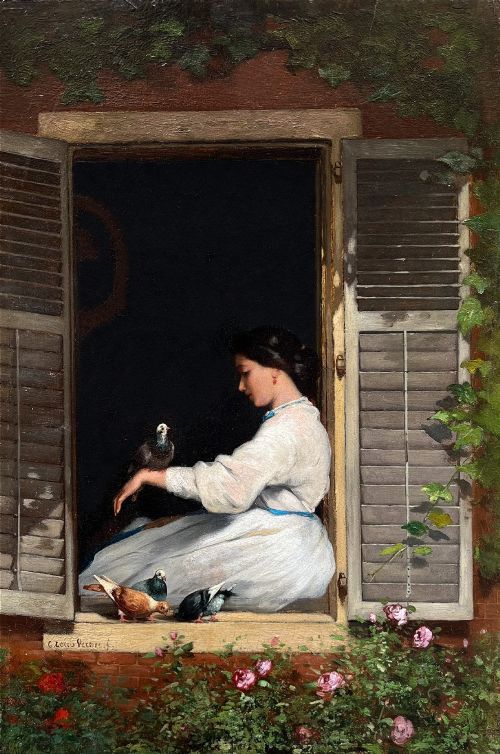
Subjects typically include elegant ladies, young girls, and gentlemen rendered in formal attire. Figures are occasionally depicted with pets, such as dogs and birds, or holding personal items like books and flowers.
These additions offer insight into the sitter's social standing and personal interests during their lifetime.