
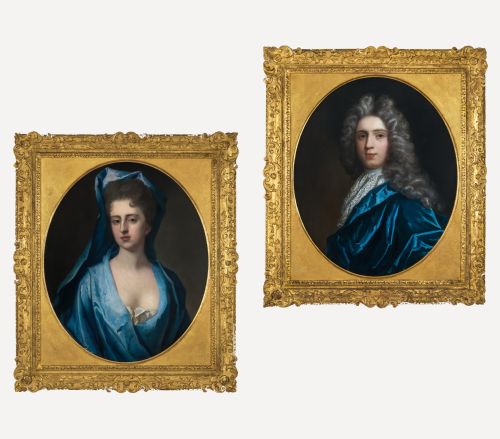
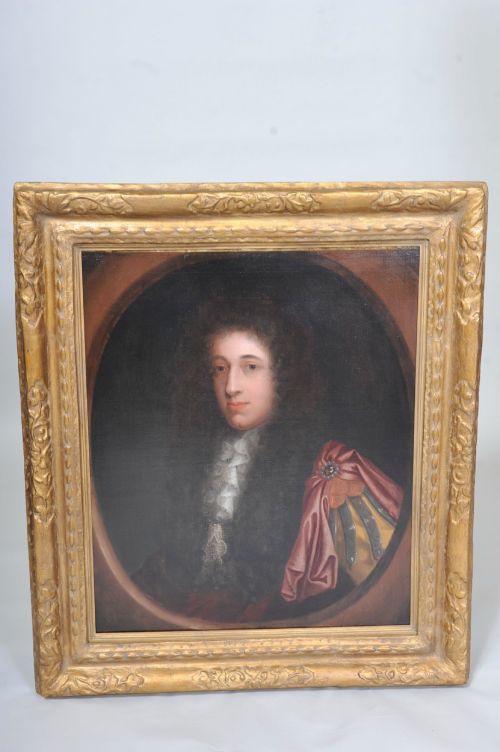
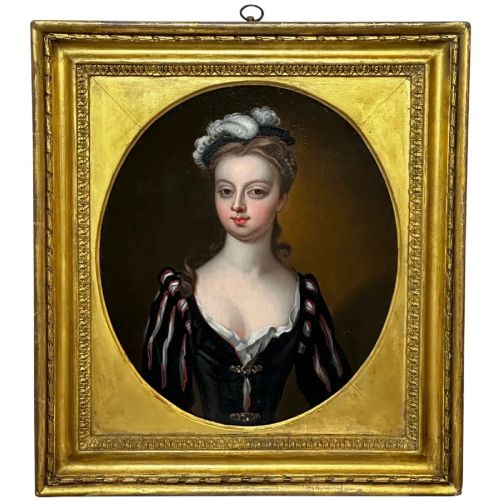
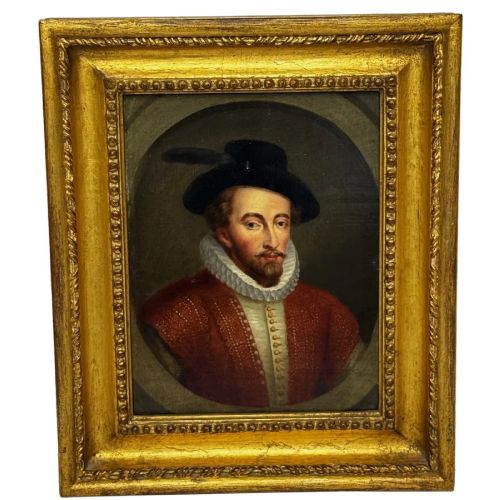
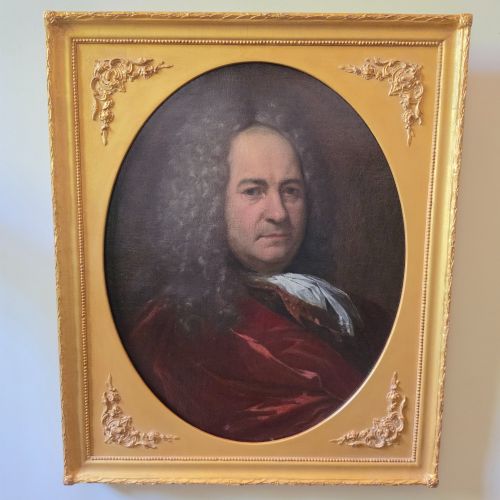
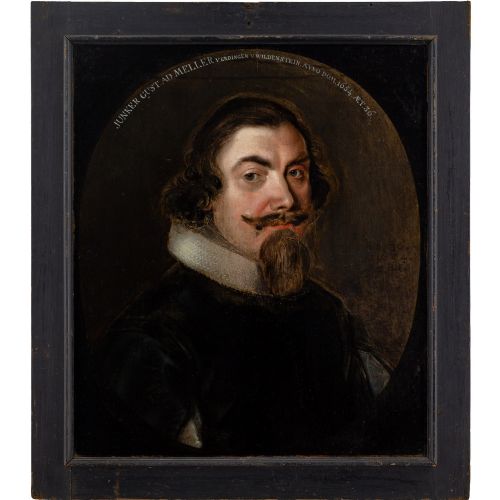
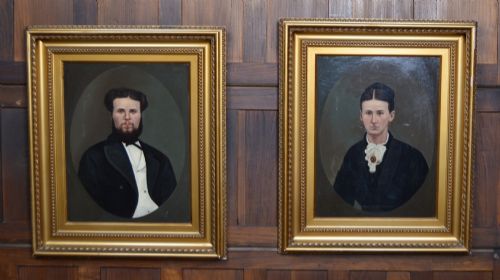
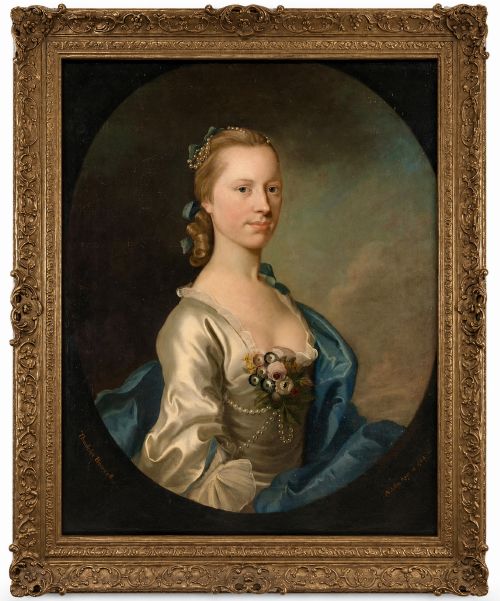
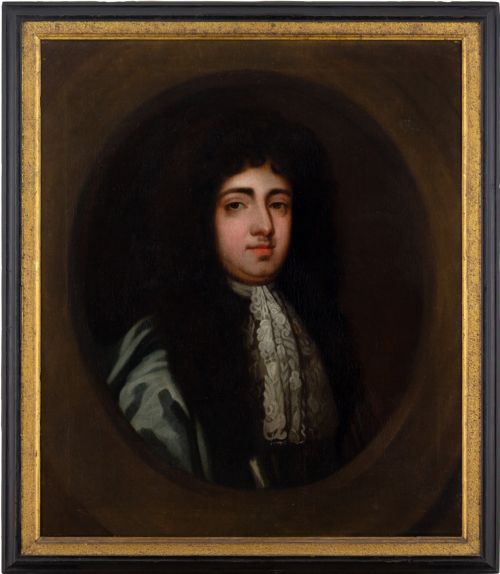


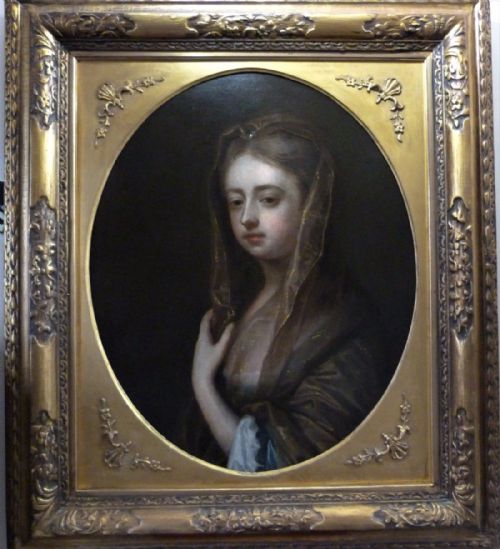


Oval Spandrel Portrait Painting
These oval spandrel portrait painting examples capture centuries of portraiture within curved corners, offering serious collectors striking historic faces.
Materials and construction
Artists painted primarily in oil on canvas, applying layers of oil paint to create depth in clothing, flesh tones, and hair.
Works frequently sit within original or period-matched wood frames finished with gesso and gold leaf or giltwood.
Judging the work
Superior execution shows in the handling of facial expression, fabric drape, and hand rendering by skilled circle members or named masters.
The sophistication of the spandrel corners and the preservation of the underlying canvas and ground layers dictate the overall visual strength.
Current listings feature oil on canvas portraits spanning the seventeenth, eighteenth, and nineteenth centuries, alongside Edwardian works.
Michael Dahl·Thomas Murray·John Vanderbank·Allan Ramsay·Sir Godfrey Kneller·Thomas Hudson·Angelica Kauffman
The Oval Spandrel Portrait Painting Glossary
- Spandrel
- The triangular space between the curved edge of an oval painting and the rectangular frame corners. Painters often decorated these areas with dark, flat tones to give the central portrait sculptural depth.
- Circle of
- A designation indicating the artist worked closely alongside a master and adopted their distinct painting manner. It denotes high-level workshop production of the period.
- Gesso
- A plaster-like mixture applied to wooden frames as a smooth base for subsequent gilding. It provides the crisp surface needed for intricate mouldings.
- Oil on canvas
- A painting medium utilising pigments suspended in drying oils applied to stretched woven fabric. This combination allowed artists to blend tones smoothly over centuries.
Oval Spandrel Portrait Painting: Frequently Asked Questions
What is a spandrel in portraiture?
A spandrel refers to the painted corners that visually transition a rectangular canvas into an oval format. This framing device creates a window-like effect around the sitter.
Artists used dark or neutral tones in these corners to push the central portrait forward, enhancing the three-dimensional presence of the face.
How do I date these portraits?
Dating relies on costume, hair styling, lace collars, and wig designs visible within the portrait. Sitters often wore distinct fashions tied to specific decades.
Frame construction and canvas preparation methods also offer clues to the century of creation when documentation is sparse.
Where should I hang these?
These paintings suit traditional reception rooms, libraries, or studies with controlled natural light. Avoid direct sunlight to protect the oil pigments.
Pairing the giltwood frames with classic wall colours allows the historic depth of the canvas to command the space effectively.
Who are these sitters?
Sitters include landed gentry, aristocracy, and members of notable local families from the seventeenth and eighteenth centuries. Many bear recorded names on old inscriptions.
Lesser-known portraits depict anonymous gentlemen and ladies whose attire reflects the wealth and status of their era.