


Oil Painting Young Lady
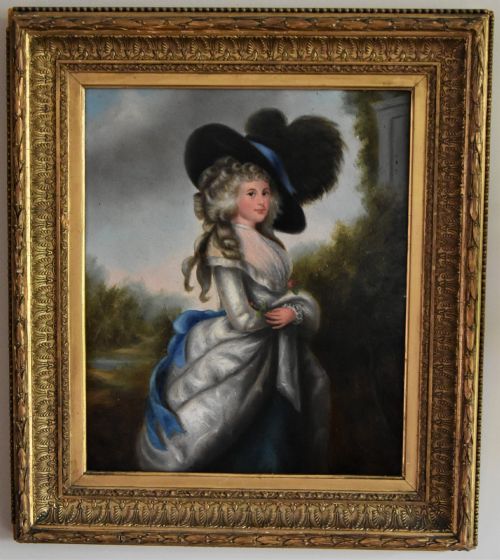
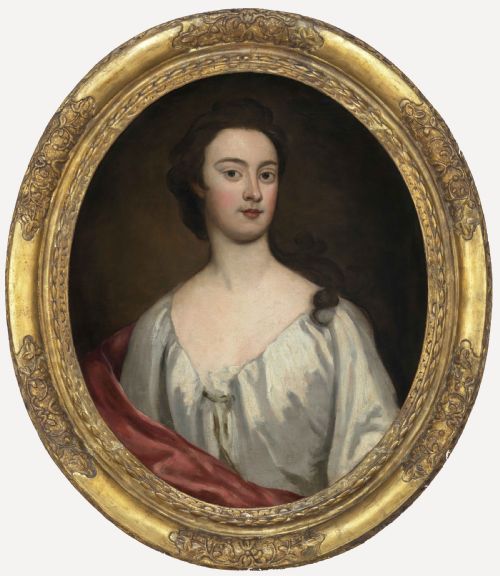
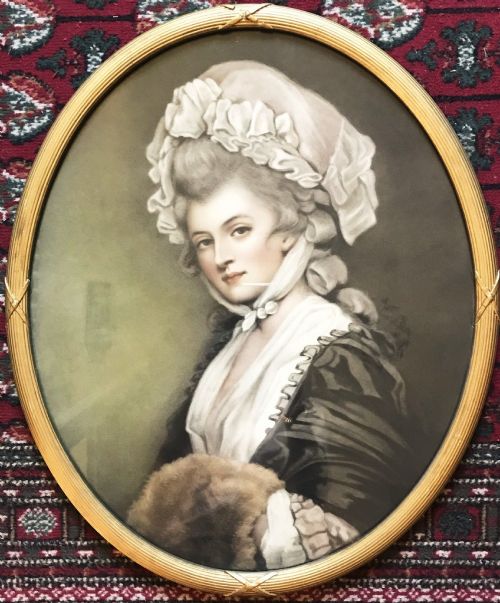
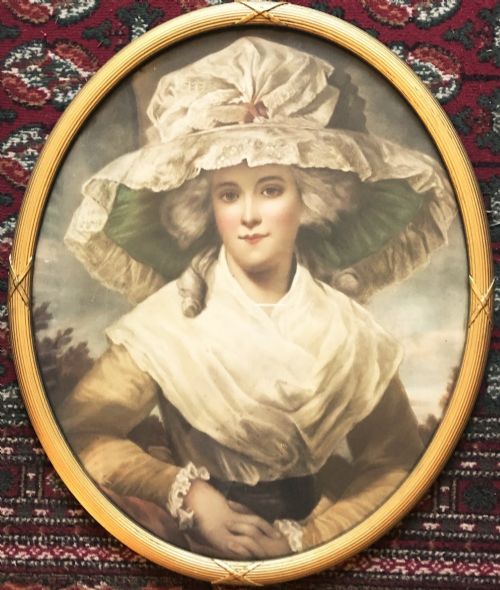
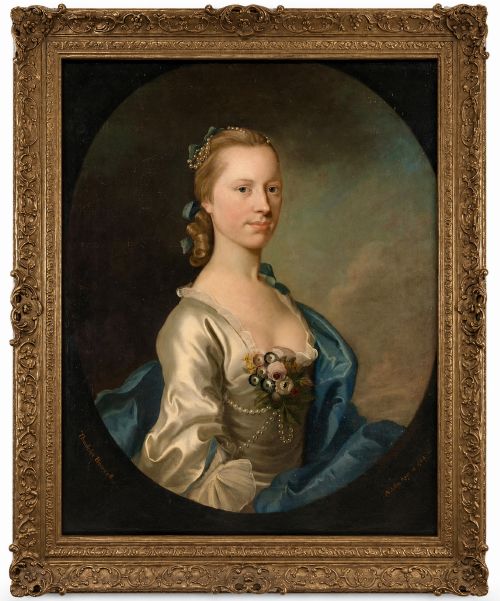
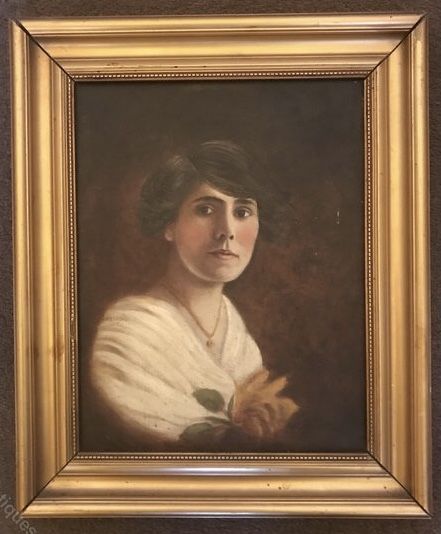
An oil painting young lady brings centuries of character into a room through historic portraiture spanning the eighteenth, nineteenth and twentieth centuries.
Oil Painting Young Lady
When searching for an oil painting young lady, collectors encounter historic portraiture stretching from the seventeenth century through to the mid-twentieth century. These works capture individual sitters in diverse attire, ranging from formal eighteenth-century silk gowns and ruffs to relaxed Edwardian and modern depictions.
The selection on this page leans heavily toward nineteenth-century canvases, alongside earlier Georgian compositions and twentieth-century interpretations. Portraits often present sitters holding objects such as roses, scrolls or fans, or accompanied by animals like spaniels.
Originating across British, Italian and German schools, these pieces reflect changing artistic conventions across different eras. Buyers find both signed works by known artists and pieces attributed to continental circles or historical workshops.
Materials and technique
Historic works in this category are predominantly executed in oil paint applied to stretched canvas, wood panels, board or tin. Pigments were manipulated to render fabrics like silk, lace and velvet with tactile depth.
Surviving pieces frequently retain their period frames constructed from materials such as gesso, gilded wood and giltwood. These heavy frames provide structural support and historical context for the painted surface.
Several sitters pose alongside faithful pets, including spaniels and magpies.
Distinctions in quality
The standard of a portrait rests upon the confidence of the brushwork and the psychological depth achieved in the sitter's expression. Masterful handling of light across skin tones and drapery separates ambitious studio pieces from routine output.
The preservation of the original painted surface and the integrity of the period frame influence the standing of an individual work. Early framing materials that match the era of the canvas add considerable coherence to the piece.
Jeremiah Davison·Allan Ramsay·Thomas Murray·George Percy Jacomb-Hood·William Owen·Harry John Pearson·Alfred Seifert·Frank Moss Bennett·Philip Naviasky·John Verelst·Frans Pourbus the Younger·Charles D’Agar·Antoine Pense·Heinrich Beltz·John William Schofield·François Jouvenet·Eugene von Blaas·Richard Konkély·Jean-Baptiste van Loo·Sophie Frémiet·John Syme·William Oliver·Mary Beale·Heinrich Karl Von Pechmann·Paul-Désiré Trouillebert
The Oil Painting Young Lady Glossary
- Canvas
- A heavy woven fabric stretched across a wooden frame to serve as a support for oil paint. This material forms the primary base for the majority of historical portraits listed.
- Giltwood
- Wood carved and coated with gold leaf or a gold-coloured finish. This material is standard for period frames accompanying fine portraits.
- Gesso
- A plaster-like mixture applied to wood or canvas to prepare a smooth surface for painting or to form moulded details on frames. It provides the foundation for intricate gilded ornamentation.
- Circle
- A term used to describe an artist working closely within the sphere of a master, adopting similar techniques without being the master directly. Works from a circle share stylistic traits with documented painters.
- Attributed to
- An expert assessment suggesting a work is likely by a specific named hand based on stylistic evidence. This designation is common in historic portraiture where documentation is incomplete.
Oil Painting Young Lady: Frequently Asked Questions
How do I date an oil painting young lady?
Dating relies heavily on the sitter's costume, hair styling, and framing materials. Shifts in fashion, such as the transition from Georgian ruffs to Victorian lace collars, offer reliable chronological markers.
In addition, the canvas preparation, stretcher construction, and secondary inscriptions on the reverse help narrow the period of creation.
Where were these portraits displayed originally?
Such portraits typically hung in the reception rooms, libraries, and galleries of country houses and urban townhouses. They served to record family lineages and personal status.
Today, they adapt readily to domestic interiors, adding depth and historic character to modern or traditional walls.
What is the difference between attributed works and signed pieces?
A signed work bears the legible signature or monogram of the artist who painted it, providing a direct link to the creator. Attributed pieces lack signatures but exhibit distinct stylistic traits that experts connect to a specific master or workshop.
Both categories command respect among collectors when the execution demonstrates high artistic capability.
How should I care for an antique oil painting?
Historic canvases require stable environmental conditions away from direct sunlight, excessive heat, and rapid humidity fluctuations. Keeping the room atmosphere steady prevents canvas slackening and paint cracking.
Dusting should be done gently with a soft, dry brush, avoiding any moisture or chemical cleaning agents on the painted surface.