


Vintage Meal Chime
These vintage meal chime pieces bring a clear, resonant summons to the dining table, using period metal and timber to call households together.
Vintage Meal Chime
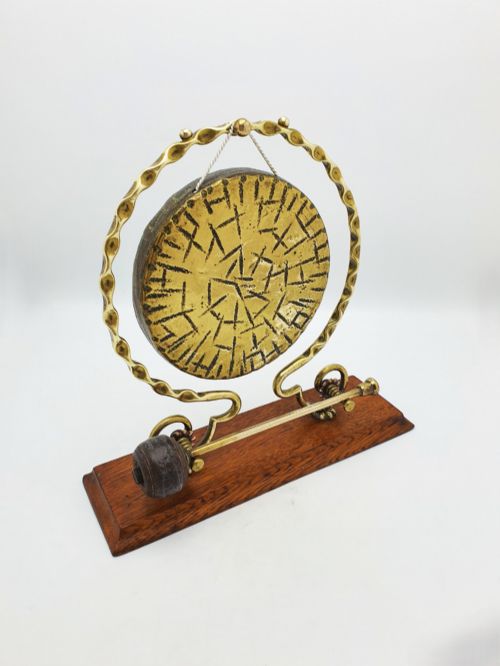
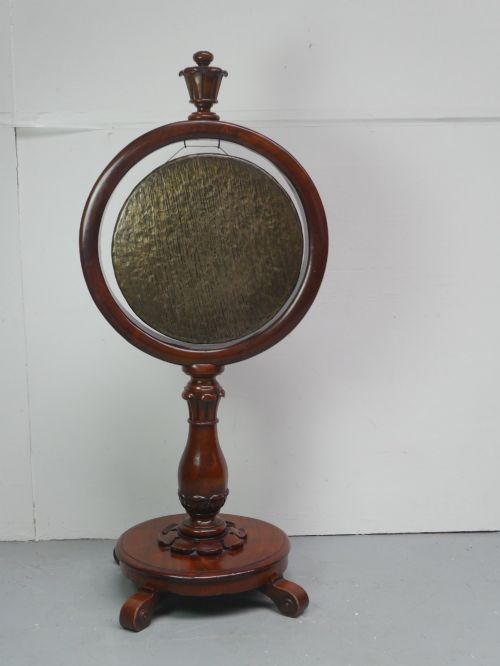
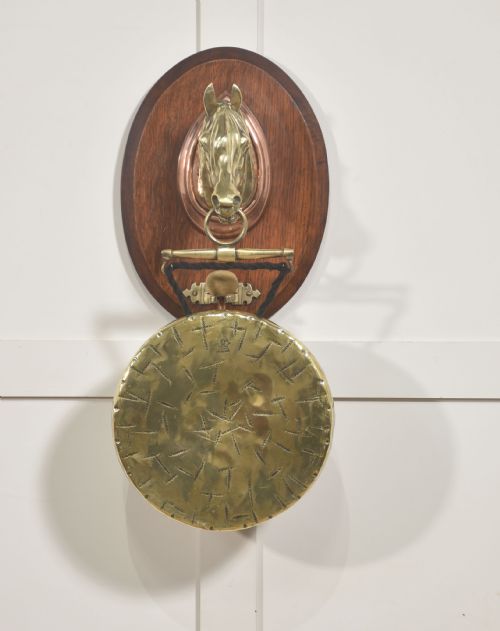
When you search for a vintage meal chime, you are looking at dinner gongs and table gongs designed to announce food service in domestic settings. The pieces listed here span the 19th Century, Victorian period, 1900, 1920, and 1930, capturing over a century of dining room ritual. You will most frequently encounter table gongs and wall-hanging versions mounted on sturdy wooden bases.
The forms vary from simple domestic setups to more elaborate architectural expressions like the Gothic Revival and Aesthetic Movement. Many examples pair a resonant metal gong with a solid timber base or frame, often accompanied by a handheld striker. Origins range from Scottish country houses to continental pieces such as an Italian palazzo wall chime.
How they were made
Makers utilised resonant metals like brass, copper, bronze, and silver plating to form the striking plates, bells, and gongs that produce the characteristic tone. These metal components were shaped through casting and hammering to achieve the required acoustic resonance.
The mounting structures rely on traditional cabinet timbers including oak, mahogany, walnut, and mango wood, alongside wrought iron and cast iron frames. Cord and textile elements often suspend the gong from its stand, allowing the metal to vibrate freely without dampening the sound.
Listings feature periods spanning the 19th Century, Victorian era, 1900, 1920, and 1930, alongside Arts and Crafts and Art Nouveau styles.
What varies in quality
The distinction between standard examples and finer pieces lies in the integration of materials and the ambition of the design. Simpler oak and brass table gongs focus on utilitarian function, whereas Arts and Crafts, Art Nouveau, or Gothic Revival pieces show sculptural intent in the ironwork and carved timber bases.
Acoustic performance and metal composition drive the upper end of the range. Heavier cast bronze or quality brass plates deliver a purer, longer sustain than thinner stamped alternatives, while decorative mounts featuring brass horse heads or specialised wall brackets elevate the object from a mere utensil to an interior focal point.
The Vintage Meal Chime Glossary
- Dinner Gong
- A resonant metal plate or bowl struck with a mallet to summon people to a meal. They became domestic staples in large country houses and suburban homes during the Victorian and Edwardian eras.
- Striker
- The handheld mallet or beater used to hit the dinner gong. These typically feature a wooden handle with a padded, leather, or metal head designed to draw a clean tone from the metal.
- Gothic Revival
- A design style drawing on medieval architectural motifs, visible in pointed arches and heavy timber framing. Pieces in this style often use dark oak and structured joinery.
- Aesthetic Movement
- A late 19th-century design approach prioritising visual beauty over narrative or moral function. Objects from this movement often incorporate refined silver plating and subtle surface decoration.
Vintage Meal Chime: Frequently Asked Questions
How do you ring a dinner gong properly?
Hold the striker firmly by the handle and deliver a single, measured strike to the centre or upper edge of the metal plate. Allow the natural resonance to carry through the room without dampening the vibration with your hand.
Avoid striking the metal with excessive force, as a moderate tap on a quality brass or bronze gong produces a richer and more pleasing tone than a heavy blow.
Where were these gongs placed in the house?
Dinner gongs were traditionally kept in hallways, landings, or near the dining room entrance so the sound could travel effectively through the property. Wall-hanging versions were secured to studs or panelled walls to support the weight of the timber mount and metal plate.
Table gongs sat on sideboards or dedicated furniture surfaces, ready for the butler or host to signal the start of dinner.
How do I identify a Victorian dinner gong?
Victorian examples frequently utilise heavy oak or mahogany bases paired with cast brass or bronze gongs, often reflecting Gothic Revival or Aesthetic Movement design traits. Look for traditional joinery methods and patination on the timber that indicates substantial age.
Maker choices and material combinations from this era tend to prioritise robust construction and dark, polished wood finishes.
What maintenance do metal gongs need?
Keep the metal surfaces clean by dusting them regularly with a soft, dry cloth to prevent the accumulation of grime. If you choose to polish brass or copper components, use a gentle metal cleaner sparingly to preserve the underlying patina.
Inspect the suspension cord or textile ties periodically to ensure the gong remains securely hung and free from undue friction.