

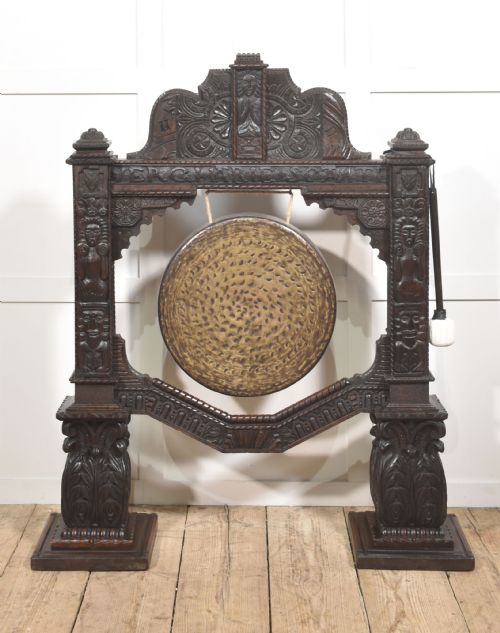


Antique Standing Gong
An antique standing gong calls family and guests to dinner with a resonance that mere words cannot match.
Antique Standing Gong
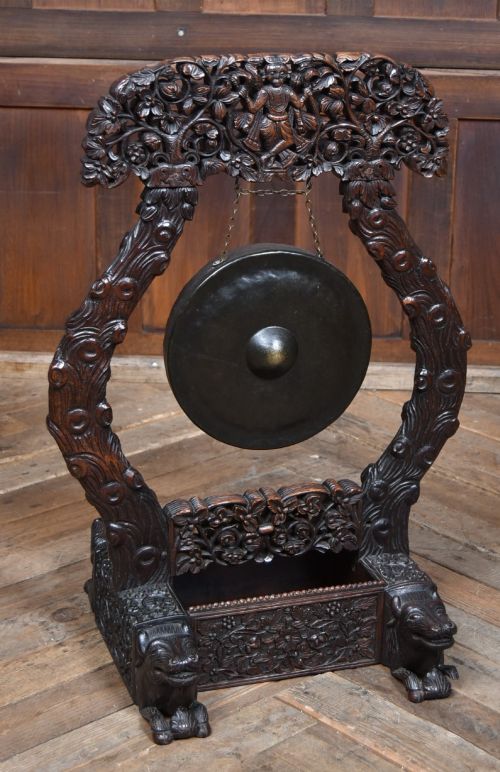
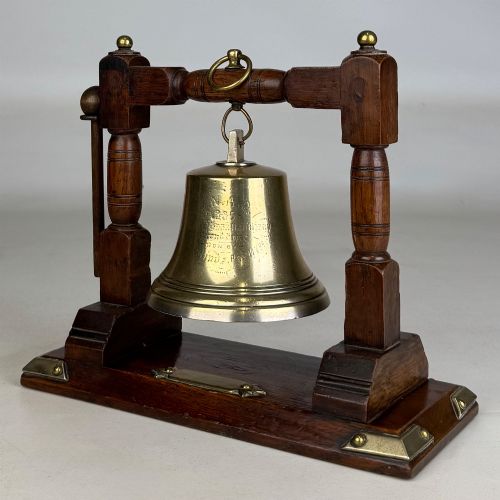
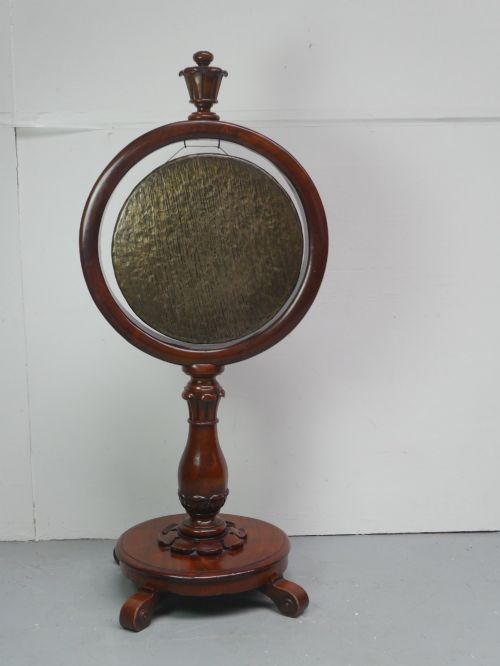
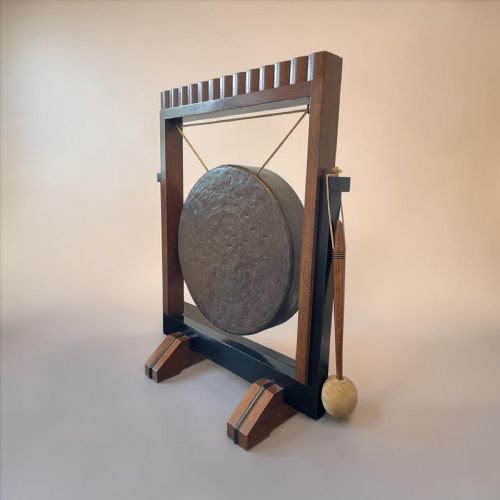
An antique standing gong combines a resonant metal disc or bell with a timber or metal framework designed to hold it aloft. These pieces range from compact table models to monumental floor standing versions intended for grand halls. Most examples encountered here date from the Victorian and Edwardian periods, reflecting a domestic enthusiasm for striking acoustic accents.
The form encompasses various cultural expressions, from British Gothic Revival oak frames to Chinese carved stands and Burmese gongs. Dinner gongs and tea ceremony gongs serve as the primary functional types within this category, often incorporating matched strikers or beaters hanging from the structure. Alongside these, related forms such as table bells and hall tables occasionally appear in the selection.
Materials and construction
The frames rely heavily on dense hardwoods such as oak, mahogany, and walnut, often shaped to suit Victorian Gothic Revival or Arts and Crafts aesthetics. Wrought iron and cast iron also provide sturdy structural support for heavier hanging plates.
The gongs and bells themselves utilise cast brass, bronze, and silver plate, sometimes embellished with intricate oriental carving or silver-plated details. Cord suspends the metal element from the upper crossbar, allowing free vibration when struck.
Listings feature periods from the nineteenth century through the 1930s, constructed in oak, brass, walnut, and bronze.
Assessing quality and craftsmanship
Quality rests primarily in the acoustic resonance of the metal plate and the structural integrity of the supporting frame. Superior pieces demonstrate careful timber selection, deep hand-carving, and stable joinery that supports the weight without distortion.
The refinement of the casting and the proportion of the frame relative to the bell determine the visual balance. Finer examples retain their original suspension cord and matching striker, preserving the integrity of the ensemble.
The Antique Standing Gong Glossary
- Dinner gong
- A percussion instrument mounted on a stand, traditionally used in large country houses to announce meals. It produces a deep, sustained tone.
- Gothic Revival
- An architectural and decorative style popular during the nineteenth century, characterised by pointed arches, heavy tracery, and dark woods. It heavily influenced domestic furniture design.
- Striker
- The mallet or beamer used to hit the gong, typically featuring a wooden handle and a padded or wrapped head to soften the initial impact.
- Silver plate
- A thin layer of silver applied to a base metal such as copper or brass, seen on decorative novelty table gongs from the late nineteenth century.
Antique Standing Gong: Frequently Asked Questions
How do I care for my antique standing gong?
Dust the wooden frame regularly with a dry cloth and avoid harsh chemical polishes that might damage the finish. Metal components require only gentle cleaning to preserve their natural patina.
Keep the piece away from direct heat sources and drastic humidity changes to protect the timber joinery and maintain the tension of the hanging cord.
Where were standing gongs placed in the home?
Dinner gongs traditionally stood in large entrance halls, corridors, or near dining rooms so the sound could carry clearly throughout the house.
Smaller table gongs sat upon sideboards or reception desks, serving a similar domestic purpose on a more intimate scale.
What metals are used in these gongs?
The hanging discs and bells are typically cast from brass, bronze, or silver plate, chosen specifically for their acoustic resonance.
Some Asian and oriental examples incorporate specialised temple bell alloys that produce rich, complex overtones when struck.
How do I identify a Victorian Gothic Revival gong?
Victorian Gothic Revival pieces usually feature carved oak or walnut frames displaying architectural motifs like quatrefoils, pointed arches, and heavy chamfering.
These structures often appear robust and imposing, matching the heavy oak furniture popular in late nineteenth-century country houses.