


Vintage Maritime Picture
A vintage maritime picture captures the enduring power of the open sea and the history of sail through period watercolours and oils.
Vintage Maritime Picture
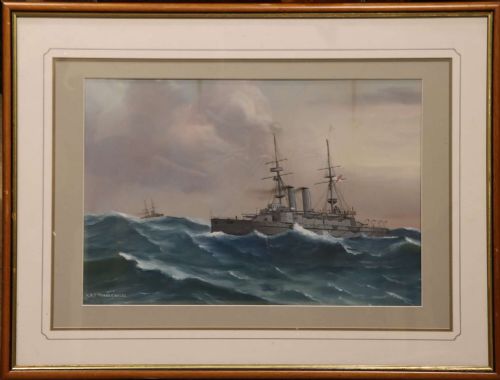
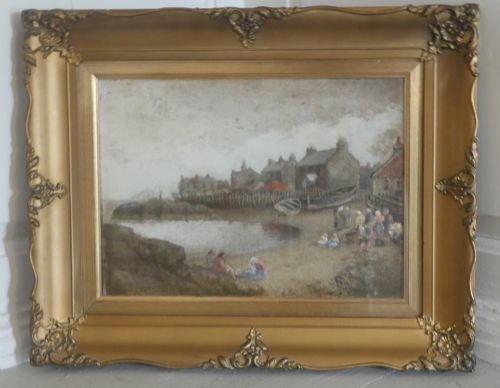
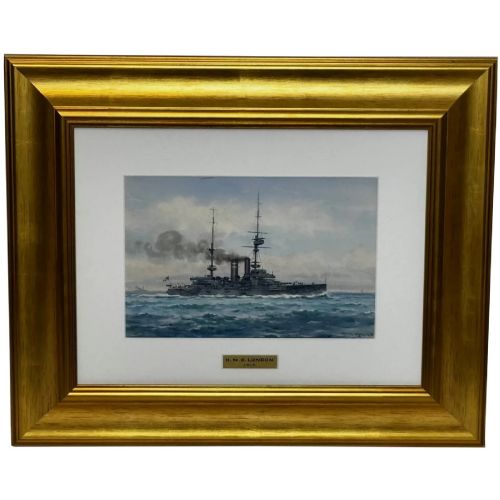
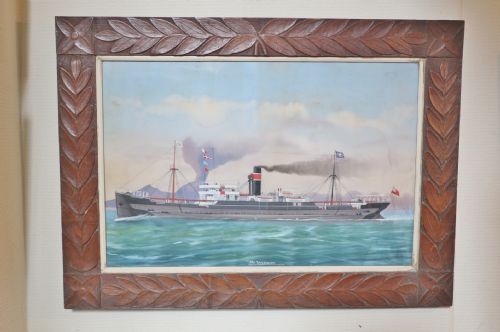
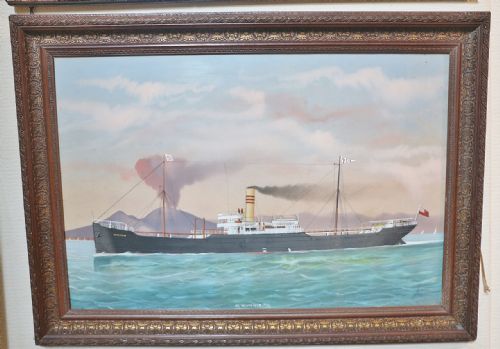
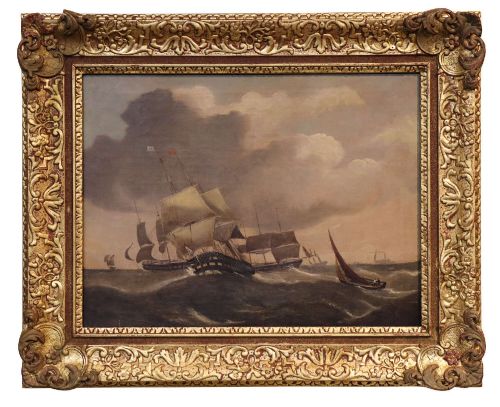
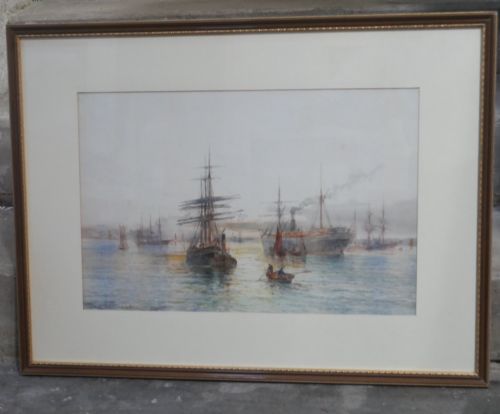
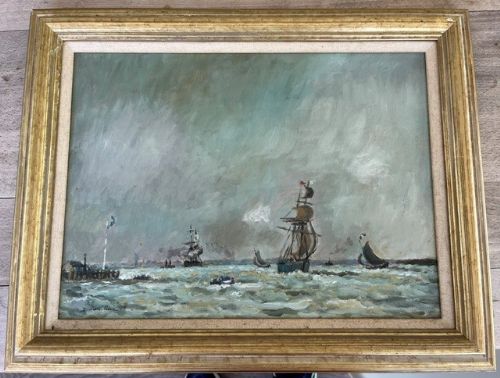
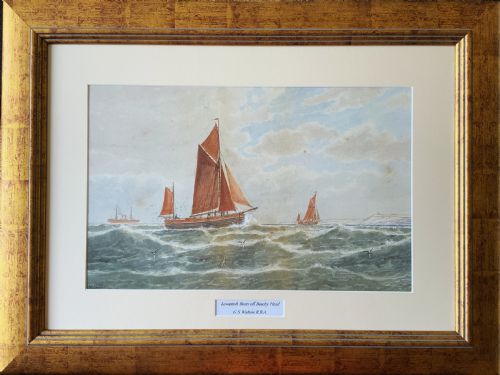
A vintage maritime picture encompasses framed artworks recording naval engagements, coastal harbours, and working vessels across the nineteenth and twentieth centuries. These pieces range from detailed watercolours of nineteenth-century clippers to mid-century oil paintings of coastal scenes.
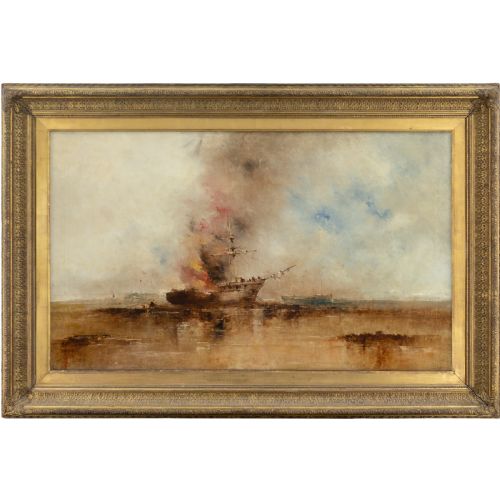
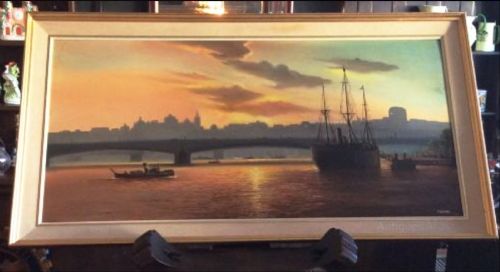
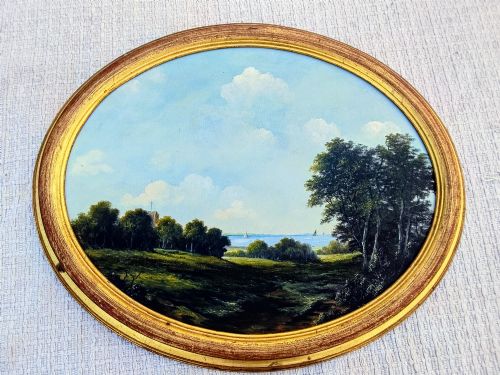
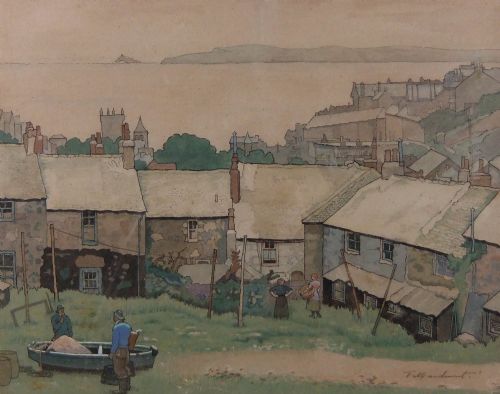
The selection on this page relies heavily on Victorian and Edwardian works alongside interwar and mid-century interpretations of marine life. Buyers encounter works in oil on canvas, gouache, and watercolour, often preserved in period gilt wood frames.
Materials and Technique
Artists rendering these coastal and open sea subjects utilised traditional mediums such as oil on canvas, watercolour on paper, and gouache. Canvases stretch across wooden frames while watercolours find protection beneath glass and within timber surrounds.
Framing plays a defining role in the construction of these works, with many pieces retaining original gilt wood or maple frames that complement the maritime subject matter.
Listings feature works spanning from the nineteenth century through the mid-twentieth century, utilising oil, watercolour, and gouache.
Assessing Quality and Execution
Quality in a vintage maritime picture rests upon the artist's command of light, atmosphere, and the accurate rendering of rigging and hull forms. Master painters capture the restless movement of heavy seas and the specific architectural details of naval and merchant vessels.
The depth of the palette and the preservation of the paper or canvas further distinguish finer examples from standard decorative works. Original framing in harmony with the period adds integrity to the piece.
Kenneth Cozens·Frank Watson Wood·Thomas Maidment·George Stanfield Walters·William Frederick Settle·Alfred George Morgan·Elisabeth Bardon·Charles Napier Hemy·Vincenzo D’Esposito·Gyrth Russell·William Lee Hankey·William Tuck·Fred Waugh·T.S. Wallis·Samuel Owen·Leslie Rackham
The Vintage Maritime Picture Glossary
- Gouache
- An opaque watercolour medium used by marine artists to achieve rich, solid areas of colour and sharp detail on paper. It often appears in naval works depicting specific ships.
- Seascape
- A painting, drawing, or photograph depicting the sea, coastal views, or ships in motion. This genre forms the core of vintage marine art.
- Impasto
- A painting technique where paint is laid on an area of the surface in thick layers, giving texture to the churning water and rough skies of marine oils.
Vintage Maritime Picture: Frequently Asked Questions
How do I date a maritime painting?
Dating relies on the ship types depicted, such as ironclad battleships or steamships, alongside costume details and artist signatures. Frame styles and backing materials also offer firm chronological clues.
Examine the canvas preparation and stretcher construction for further indicators of nineteenth or twentieth-century origin.
Where should I hang a marine oil painting?
Select a wall with stable ambient temperature and away from direct sunlight to protect pigments and paper from fading. Traditional oil paintings on canvas benefit from rooms without excessive moisture.
Ensure the hanging hardware matches the weight of the original wooden or gilt frame.
What is a woolie picture?
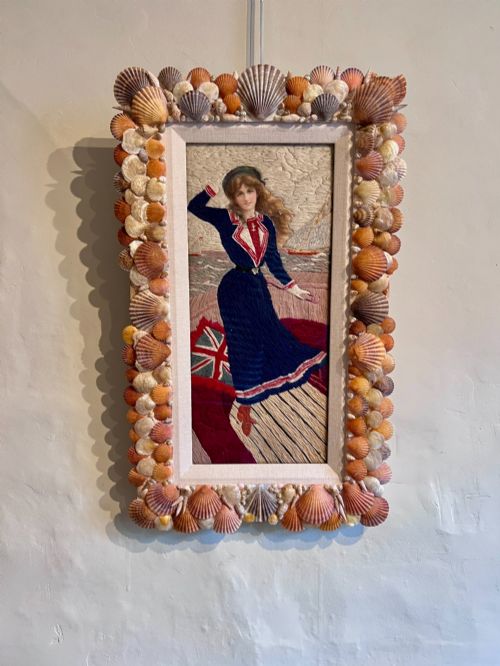
A woolie is a nineteenth-century textile picture created by sailors using coloured wool yarns to depict sailing ships and naval flags. They represent a unique branch of maritime folk art.
These pieces are typically housed behind glass in original wooden frames to protect the delicate textile fibres.
How do I care for watercolour marine art?
Watercolour paintings require protection from direct sunlight to prevent fading of the paper and pigments. Keeping them behind glass in a dry environment preserves the integrity of the work.
Avoid hanging them in damp spaces such as kitchens or unventilated hallways.