



Coastal Boat Painting
A coastal boat painting captures the working life of harbours and shores through the eyes of artists who recorded maritime history on canvas and paper.
Coastal Boat Painting
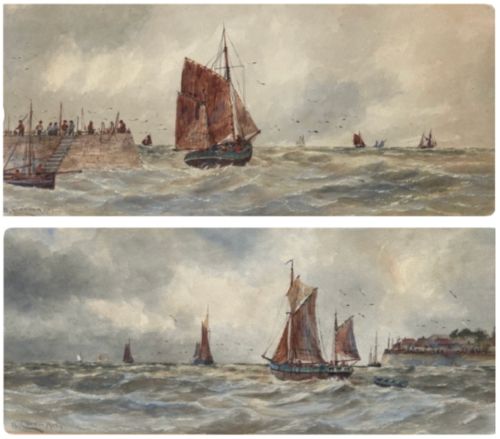
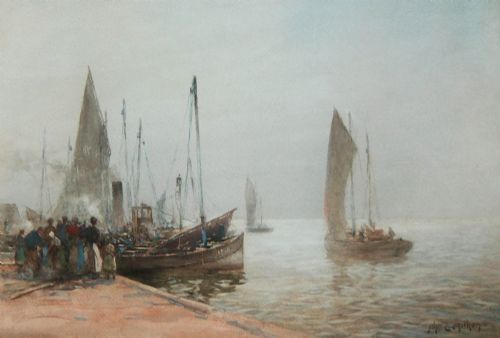
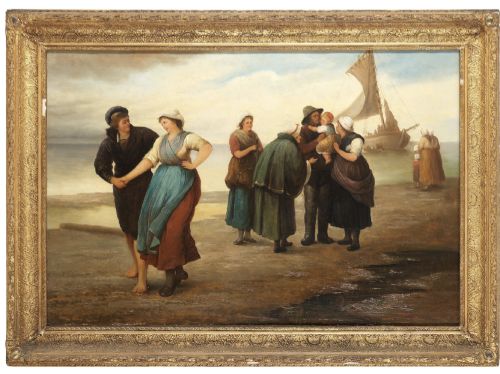
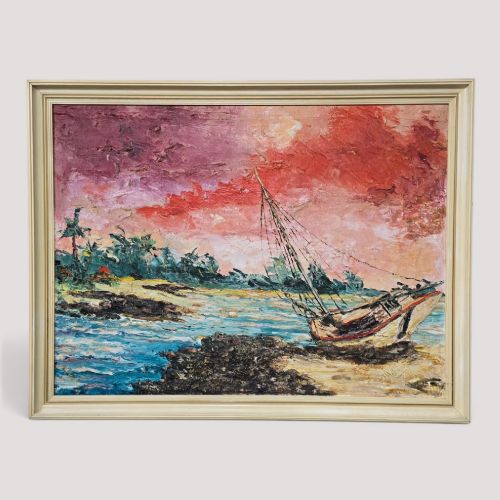
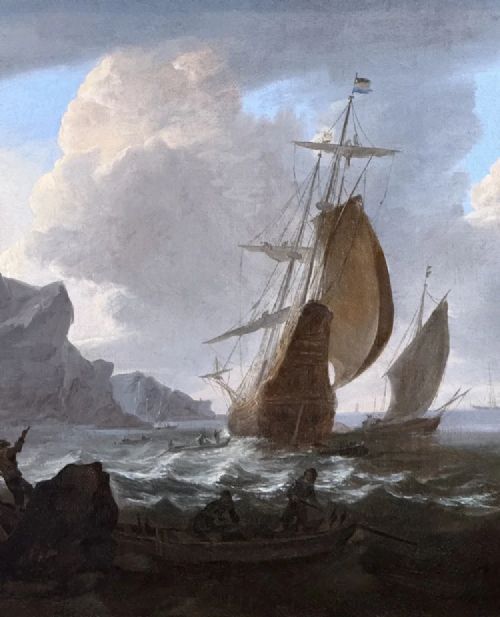
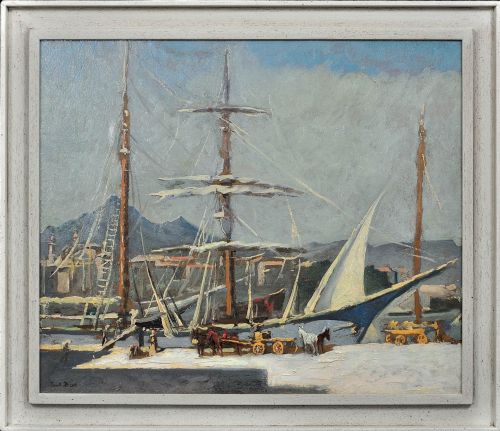
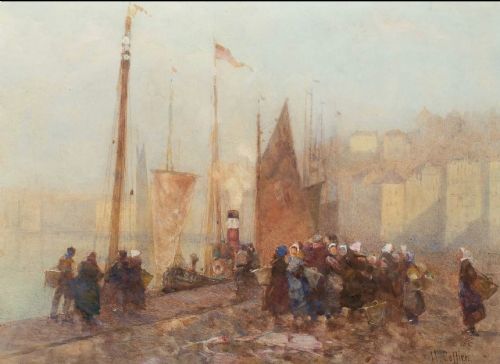
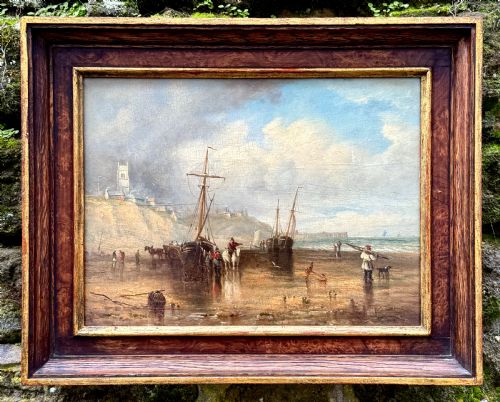
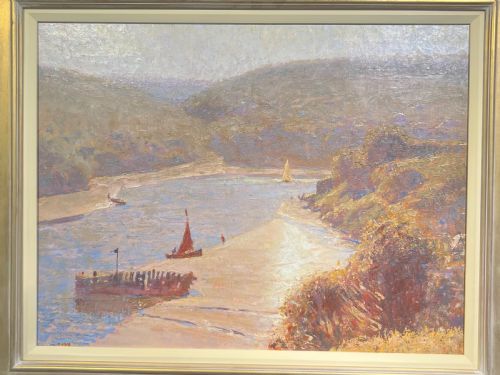
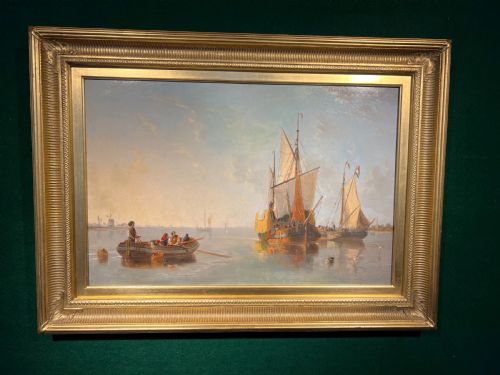
When searching for a coastal boat painting, collectors encounter a diverse range of maritime scenes that document harbours, fishing fleets, and open seas from the nineteenth century through the mid-twentieth century. The selection spans quiet British watercolour studies of coastal villages to dramatic continental oil paintings of vessels navigating gales.
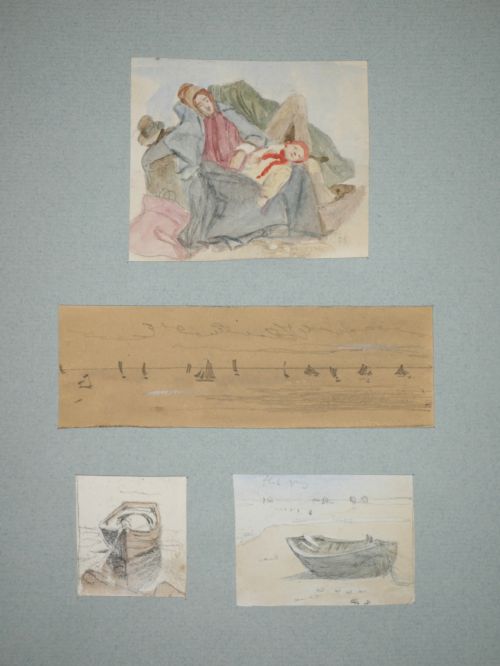
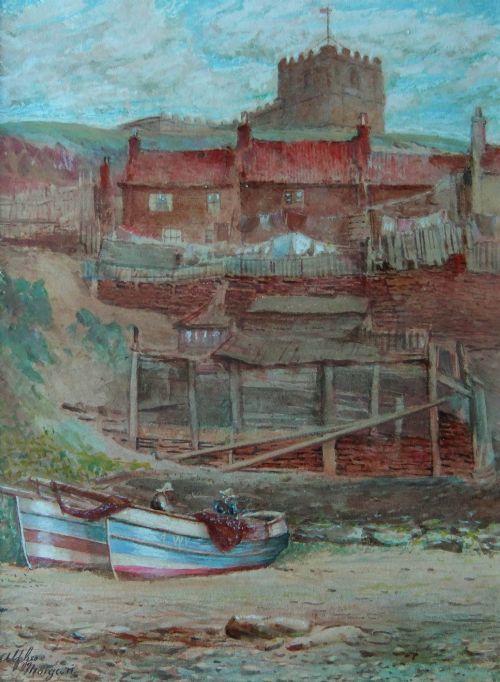
Most pieces date from the Victorian and Edwardian eras, reflecting a period when maritime trade and fishing dominated coastal communities. Works range from intimate depictions of stranded boats at low tide in Cornwall and Yorkshire to grand canvases portraying international ports across France and Italy.
Materials and methods
Artists relied primarily on oil on canvas, oil on board, and watercolour on paper to capture the shifting light and moisture of marine environments. Oil paints allowed for textured brushwork that rendered turbulent water and stormy skies, while watercolours provided translucent washes suited to bright coastal atmospheres.
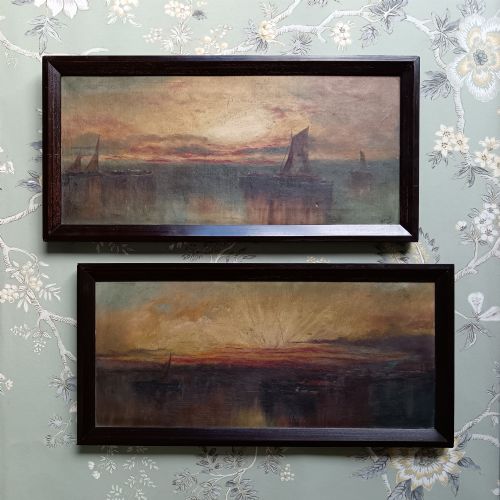
Many surviving works retain their original gilt wood frames, which complement the maritime subject matter and protect the paper or canvas surfaces. Support panels of wood and heavy card also appear frequently among works produced during the nineteenth and early twentieth centuries.
Several artists clearly braved salt spray and stiff gales, returning home with damp paper and stubborn patches of dried oil paint in their beards.
Judging the range
Quality in a coastal boat painting rests upon the artist's ability to render atmosphere, light, and the convincing movement of water rather than mere technical precision in rigging or hull design. Superior examples demonstrate a confident handling of pigment that conveys the weight of a heavy sea or the specific quality of dawn light over a harbour.
Compositional strength and the integration of figures into the landscape separate accomplished works from routine topographical records. The best pieces unite the vessels and the shore into a cohesive whole, whereas lesser examples treat boats as static insertions into an otherwise formulaic view.
John Wilson Carmichael·Bernard Benedict Hemy·George Stanfield Walters·Abraham Hulk I·Charles Napier Hemy
The Coastal Boat Painting Glossary
- Seascape
- A work of art depicting the sea, coastal views, or marine vessels in motion. These compositions often focus on the interplay between weather, water, and shoreline architecture.
- Provenance
- The documented history of ownership of a piece, establishing its authenticity and past exhibitions. A clear record adds context to the date and origin of the artwork.
- Gilt wood
- Wood framing treated with a thin layer of gold leaf or metallic gilding. Such frames were often designed specifically to complement the tonal qualities of Victorian oil paintings.
- Medium
- The material used by the artist to create the image, such as watercolour, oil paint, or ink. Understanding the medium helps determine the correct preservation and framing requirements.
Coastal Boat Painting: Frequently Asked Questions
How do I date a maritime painting?
Dating relies on stylistic clues, artist signatures, framing methods, and the type of vessel depicted in the scene. Early steam vessels or specific types of sailing riggings often narrow down the decade of creation.
Examine the back of the canvas or board for old labels, stamps, or handwritten inscriptions left by previous owners or galleries.
What is the difference between oil and watercolour marine works?
Oil paintings on canvas or board offer rich texture and deep colour saturation, allowing artists to build up thick layers for stormy water and heavy skies. Watercolours on paper provide a lighter, more translucent quality well suited to calm harbours and bright coastal light.
Oils generally required heavier gilt wood frames for protection, whereas watercolours needed glass glazing to prevent moisture damage.
How should I display antique marine art?
Keep paintings away from direct sunlight and areas prone to high humidity, as moisture can damage both paper watercolours and canvas grounds. Ensure that wall fixings securely support the weight of heavy gilt wood frames.
Maintain a stable room temperature to prevent the wood panels or canvas stretches from warping over time.
Are regional British ports common subjects?
Artists frequently painted specific fishing ports along the Yorkshire, Cornish, and Scottish coasts, capturing local boat designs and familiar landmarks. Locations such as Whitby, St Ives, and Scarborough appear repeatedly across nineteenth-century portfolios.
These topographical details help historians identify the exact stretch of coastline depicted by the artist.