




Nautical Landscape Artwork
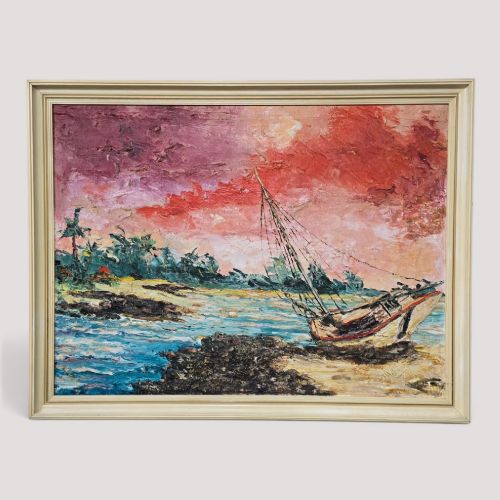
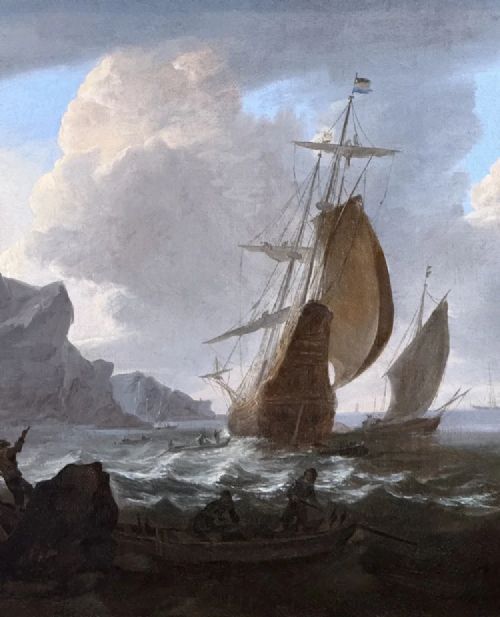
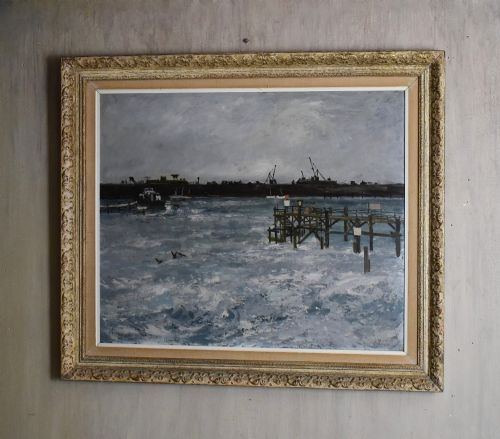
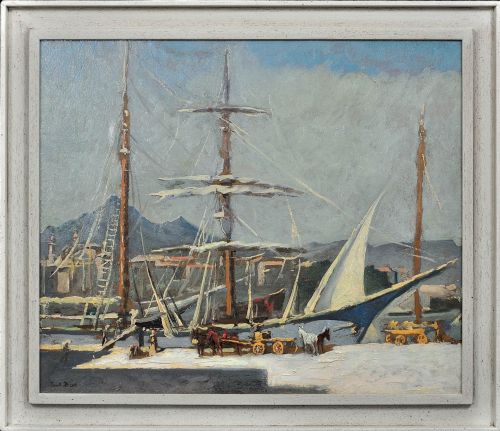
When you search for nautical landscape artwork, you encounter maritime scenes capturing coastal life, bustling harbours and open seas.
Nautical Landscape Artwork
Nautical landscape artwork brings together coastal views, maritime activity and open water painted across the nineteenth and twentieth centuries. These pieces record historical ports, fishing fleets and coastal geography through the eyes of contemporary painters.
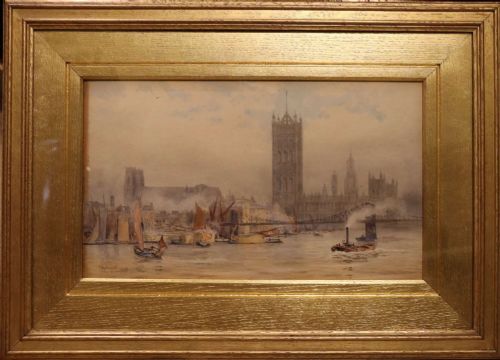
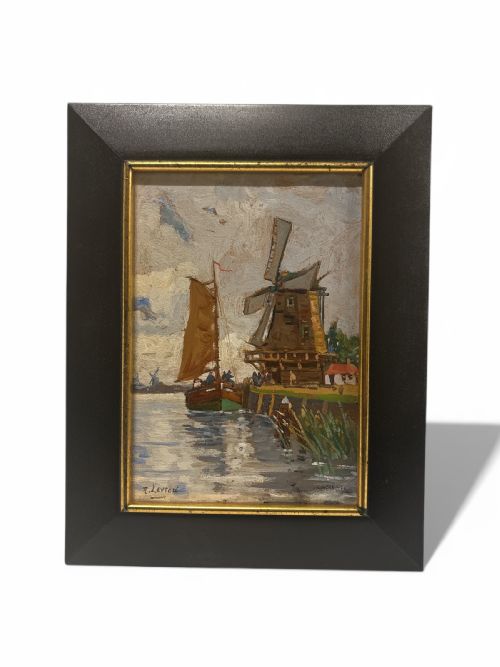
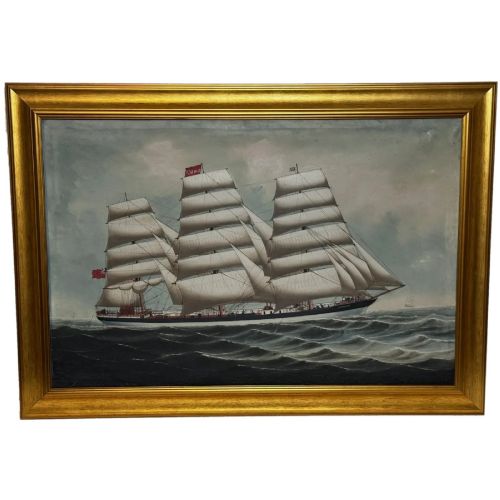
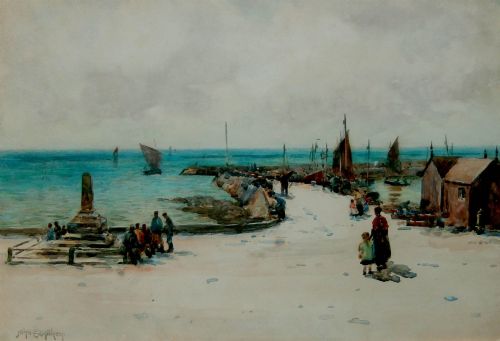
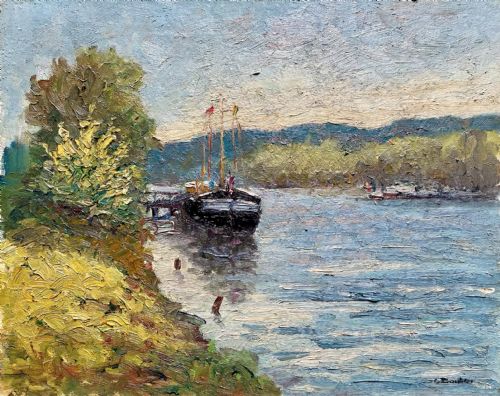
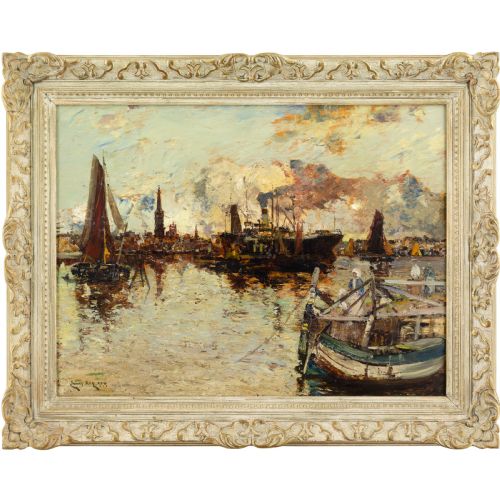
The selections available range from detailed Victorian watercolours of British fishing boats to mid-century continental oils depicting European rivers and harbours. Works span various movements including British Impressionism, Post-Impressionism and traditional maritime art.
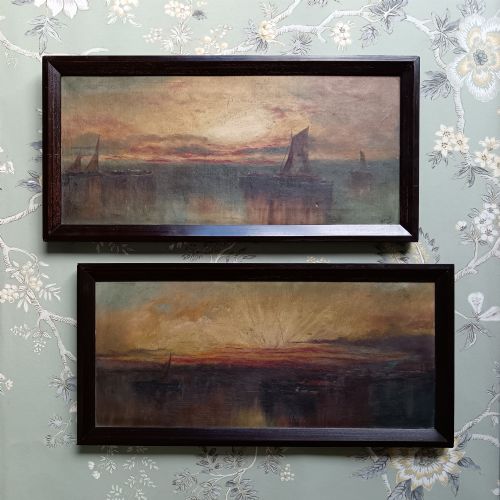
Buyers frequently encounter framed oil paintings on canvas or board alongside traditional watercolours on paper. Most examples date from the Victorian and Edwardian eras up to the mid-twentieth century.
Materials and Technique
Artists utilised oil paint on stretched canvas or wooden board to build layered textures and rich atmospheric effects. Watercolours on paper offered a lighter medium for capturing translucent coastal light and shifting sea tones.
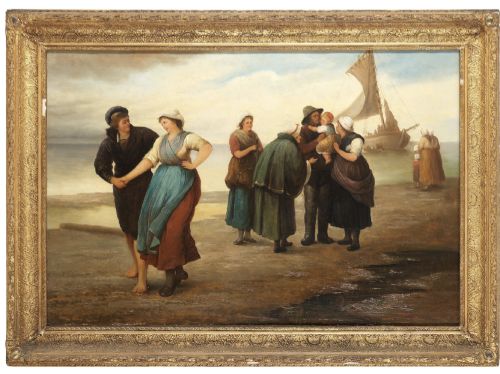
Many period works remain housed in their original gilt wood frames, which complement the maritime subject matter. Pigment application ranges from precise nineteenth-century maritime detail to looser twentieth-century impressionist brushwork.
Several artists painted active harbours while standing on windy quaysides, occasionally capturing stray grains of sand embedded directly into the wet oil paint.
Factors of Quality
Quality rests in the artist's ability to render light, water movement and atmospheric perspective convincingly. Superior compositions demonstrate a confident handling of pigment and a strong sense of spatial depth.
Condition of the medium and the preservation of the original support determine the integrity of the piece. Works retaining their period gilt frames and clear artist signatures or attributions command greater interest.
Bonaventura Peeters·John Wilson Carmichael·Thomas Bush Hardy·William Henry Williamson·George Stanfield Walters·James Orrock·Gustave De Bréanski·Pieter Cornelis Dommersen
The Nautical Landscape Artwork Glossary
- Seascape
- A work of art depicting the sea, coastlines or maritime vessels. These compositions focus primarily on marine elements rather than inland scenery.
- Watercolour
- A paint consisting of water-soluble pigments applied to paper. This medium produces transparent washes that capture light effects effectively.
- Gilt wood
- Wood coated with a thin layer of gold leaf or metallic paint. This finish frequently adorns period frames surrounding nineteenth-century canvases.
- Impressionism
- An art movement characterised by relatively small, thin yet visible brush strokes and open composition. It emphasises accurate depiction of light in its changing qualities.
- Maritime art
- Any form of figurative art that depicts or draws inspiration from the sea. This genre encompasses ships, coastal towns, and naval engagements.
Nautical Landscape Artwork: Frequently Asked Questions
What periods do these paintings cover?
The available selection spans from the nineteenth century through the Edwardian era and into the mid-twentieth century. Works reflect stylistic shifts from traditional Victorian marine art to twentieth-century impressionist approaches.
Dates often derive from artist lifespans, signatures or stylistic markers recorded within individual piece titles.
How were these maritime scenes displayed?
Historic nautical works were traditionally hung in domestic parlours, offices or marine institutions to celebrate coastal heritage and shipping. Many pieces retain their original gilt wooden frames chosen to complement the imagery.
Framing styles assist in dating the artwork and protecting the painted surface over generations.
Are watercolours as durable as oils?
Watercolours on paper require careful framing behind glass to protect the pigments from humidity and direct sunlight. Oil paintings on canvas or board offer a more robust surface but still benefit from stable indoor environments.
Both mediums survive well when kept away from extreme temperature fluctuations.
How do I distinguish regional styles?
British works frequently portray local fishing vessels, rivers like the Humber or Thames, and coastal towns such as Whitby or Scarborough. Continental European pieces often capture Dutch canals, French riverbanks, or Mediterranean harbours.
Subject matter and naming conventions within the titles usually point directly to the geographic origin.