



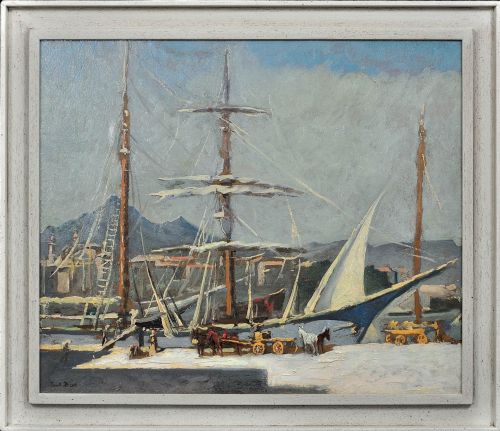
Vintage Maritime Oil Canvas
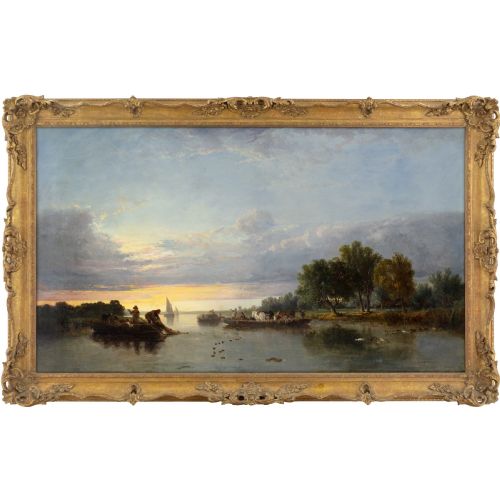
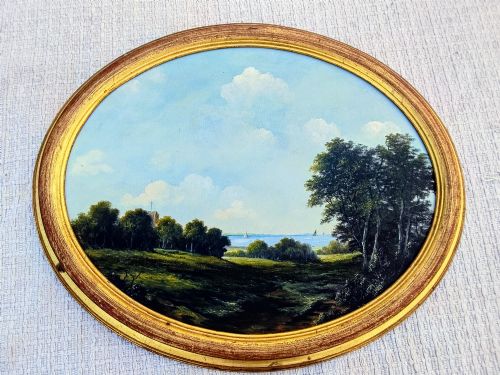
A vintage maritime oil canvas captures the enduring power of the sea, offering buyers a window into historic shipping lanes, coastal harbours and turbulent marine weather.
Vintage Maritime Oil Canvas
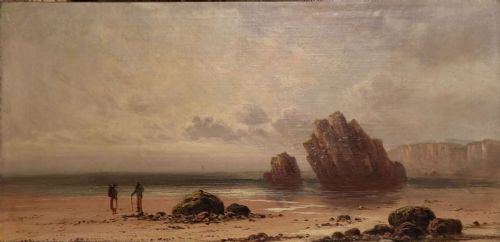
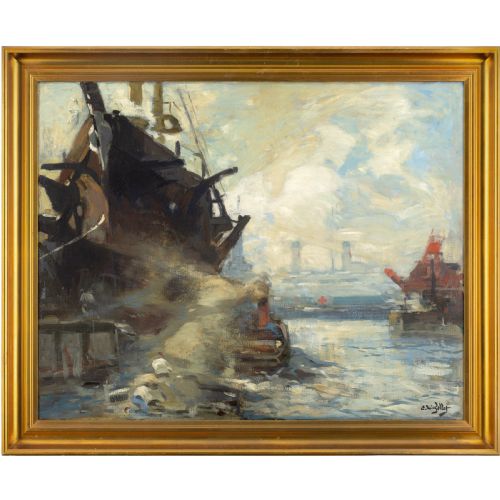
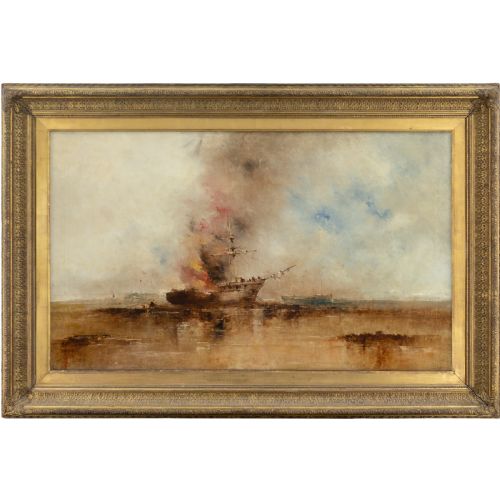
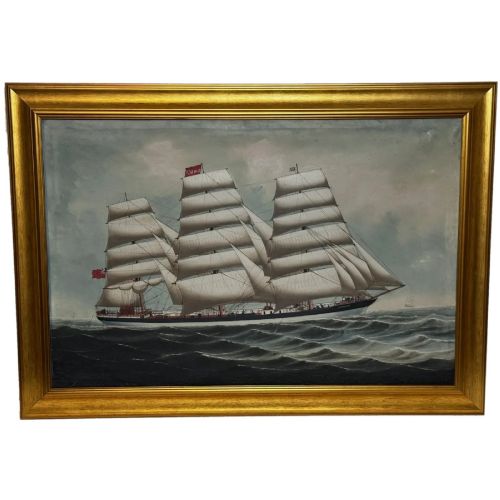
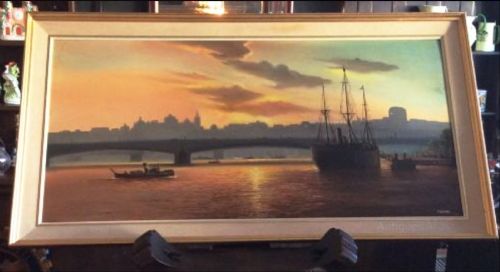
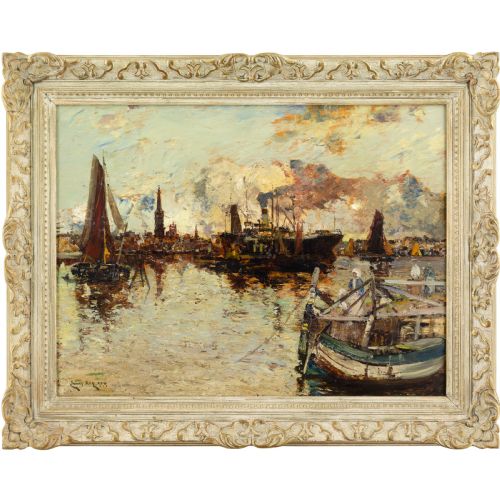
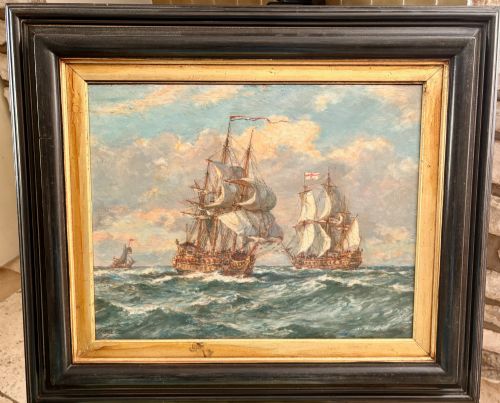
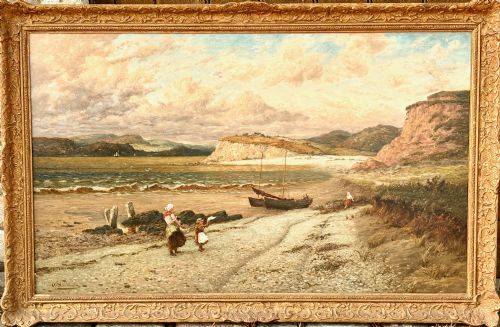
When you search for a vintage maritime oil canvas, you encounter artworks spanning from the mid nineteenth century through the Edwardian era into the mid twentieth century. These pieces record commercial sailing ships, naval vessels, stormy coastal waters and quiet European harbours rendered in traditional oil paint.
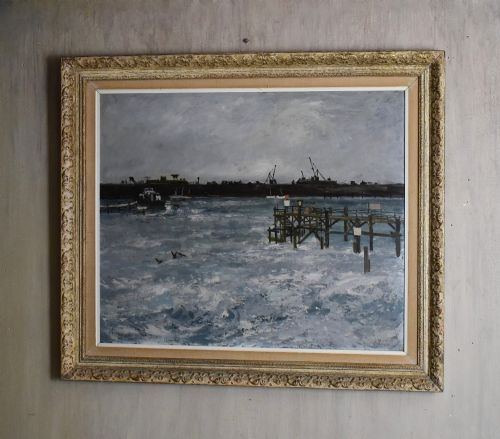
The selections on this page rely heavily on Victorian marine compositions alongside later British and continental interpretations. Canvases range from expansive panoramic seascapes to intimate harbour scenes framed in period wood or giltwood.
Subjects frequently document specific vessels, historical events like the Crimea deployment, or working coastal communities. The material base is predominantly oil on canvas or board, reflecting the standard methods of painters working from the nineteenth century onwards.
Materials and technique
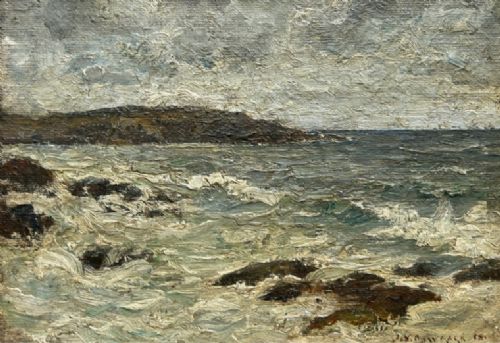
Artists built these works using oil paint applied to stretched canvas or wood panels, a medium prized for its rich colour depth and long drying times that allowed for subtle blending. Painters utilised loaded brushstrokes and impasto techniques to capture the churning movement of waves and the rough textures of wooden hulls.
Listings feature canvases spanning the nineteenth, Edwardian, and twentieth centuries, utilising oil paint on wood and stretched canvas.
Judging the work
Quality rests upon the artist's command of light, atmosphere and maritime architecture, where accurate rigging and hull perspective distinguish accomplished hands from routine studio output. A compelling composition captures the specific weight of heavy seas or the precise slant of light across a harbour at sunset.
The condition of the paint layer and the integrity of the canvas support dictate the visual impact of the piece. Works that retain their original impasto texture and undisturbed varnish surfaces offer a clearer connection to the painter's initial intent.
Eugène-Louis Gillot·William McAlpine·Reginald Arthur Borstel·James Kay·Bernard Gribble·Peter Brannan·Paul Bret·Bernard Benedict Hemy·Cyril Walduck Edwards·Willem Bos·Cecil Allan Mould·Lai Fong·John Holland·Walter Goodin·Abraham Hulk I·Elisabeth Bardon·William Edward Webb·Edward Matthew Elliott·Charles Napier Hemy·Louis Suire·Gyrth Russell·Jean-Baptiste Olive
The Vintage Maritime Oil Canvas Glossary
- Impasto
- Paint applied thickly to a canvas, standing out from the surface so that the marks of the brush or palette knife remain visible. This technique adds tactile dimension to representations of crashing water and stormy skies.
- Giltwood
- Wood that has been decorated with a thin layer of gold leaf or gold paint. Frames constructed in this manner were designed to complement the warm tones of traditional oil paintings.
- Marine painting
- A genre of art that depicts ships, harbours, coastal views and ocean scenes. It demands an accurate understanding of nautical architecture and maritime weather.
- Barque
- A sailing vessel with three or more masts having the fore and main masts square-rigged and the mizzen mast fore-and-aft rigged. This rig configuration appears frequently in nineteenth-century shipping artwork.
Vintage Maritime Oil Canvas: Frequently Asked Questions
How do I date a maritime oil painting?
Dating relies heavily on the style of the vessels depicted, the clothing of figures on the shore, and the construction of the canvas stretcher and frame. Signatures, exhibition labels on the reverse, and biographical dates of the artist provide definitive chronological markers.
Changes in painting technique also guide the timeline, moving from the tight academic finish of the nineteenth century towards looser impressionistic brushwork in the twentieth century.
Were these paintings created at sea?
Most finished works were completed in land-based studios using preliminary sketches, watercolour studies, and detailed knowledge of naval architecture. Artists often observed coastal conditions from cliffs or harbours rather than painting aboard pitching vessels.
Exceptions exist where travelling painters recorded immediate impressions on small wood panels while journeying on commercial ships.
How should I frame and display an antique canvas?
Displaying these works requires avoiding direct sunlight and maintaining stable room humidity to prevent the canvas from slackening or the oil paint from crazing. Period gilt frames complement the traditional palette, but they must be checked to ensure the rebate securely holds the painting.
Professional mounting ensures the canvas breathes naturally without relying on modern synthetic adhesives that might damage the original fabric.
What is the difference between marine art and maritime art?
Marine art strictly focuses on the ocean itself, the sea surface, coastal landscapes, and beach scenes with human activity secondary to the water. Maritime art encompasses a broader scope that includes ships, naval battles, dockyards, and commercial shipping operations.
In practice, dealers and collectors often use the terms interchangeably when describing historical canvas works.