





Vintage Marine Watercolour Art
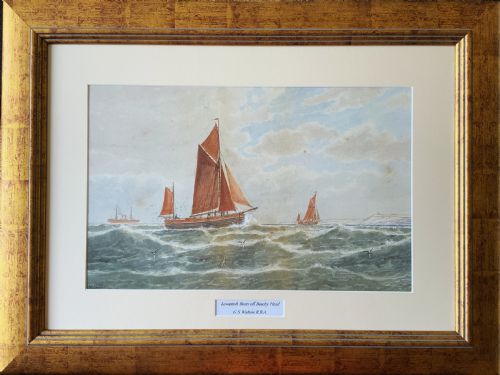
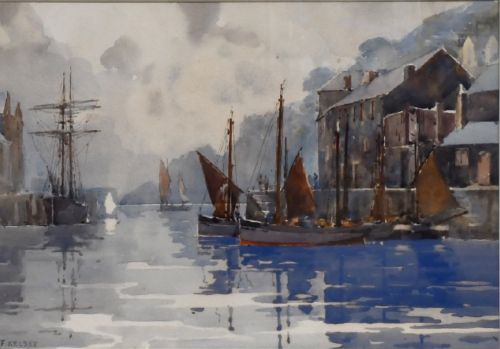
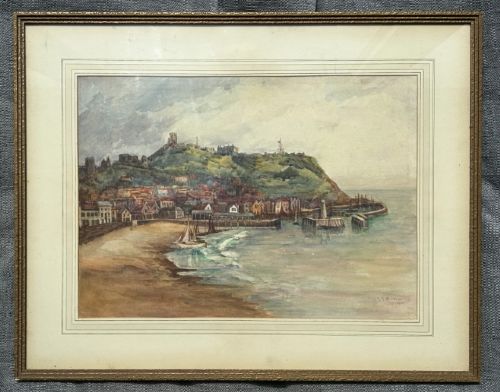
Vintage marine watercolour art brings together ships, harbours and coastal light through works originating from the nineteenth century to the mid-twentieth century.
Vintage Marine Watercolour Art
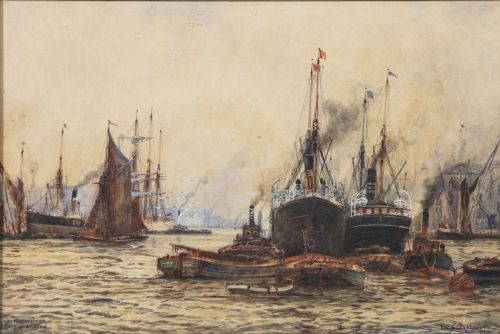
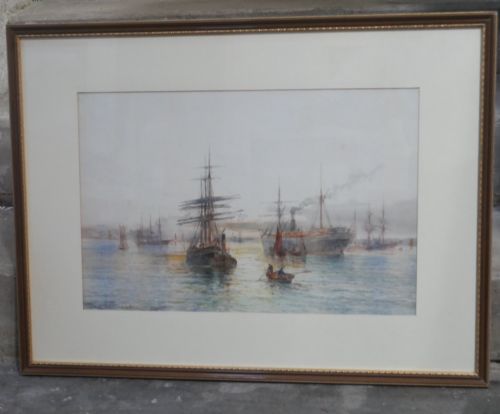
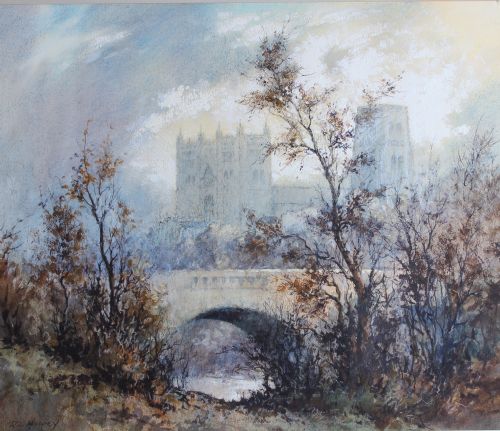
When you search for vintage marine watercolour art, you encounter original paintings depicting coastal views, harbour scenes, and maritime vessels. The selection spans the nineteenth century, the Edwardian period, and stretches into the nineteen-fifties and sixties.
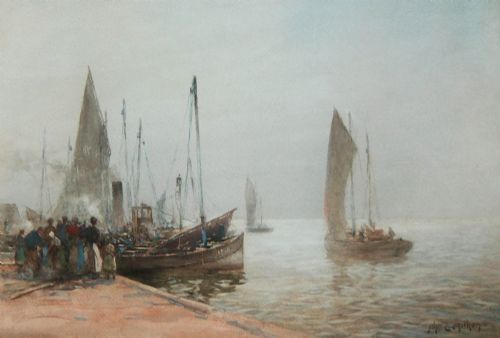
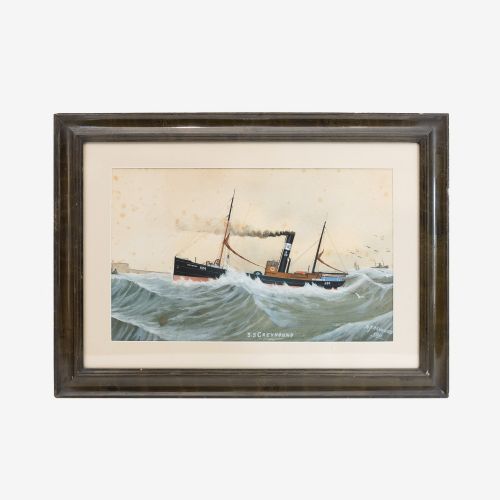
The subjects range from working fishing luggers and naval warships to serene coastal landscapes and bustling ports such as Whitby, Scarborough, and the Port of London. Many examples are framed and presented behind glass, preserving the paper support and pigment.
You are most likely to meet works executed in watercolour pigment, often enhanced with gouache, capturing specific locations along British shores and international waters.
Materials and methods
Artists utilised watercolour pigment and gouache applied directly to paper supports, capturing light and atmosphere with fluid washes and opaque highlights. The application relies on the transparency of the pigment over a light paper ground to create luminosity in skies and water.
Protection and presentation typically involved framing the works beneath glass within wood or gilt wood frames, safeguarding the delicate paper and water-soluble pigments from environmental moisture and handling.
One sentimental piece records a sailor's tribute to a French ironclad battleship, complete with personal devotion to his shipmates.
Distinctions in quality
The standard of a piece rests upon the artist's command of perspective, tonal control in representing water and sky, and the precision with which rigging and vessel architecture are rendered. Works by established practitioners demonstrate a confident handling of maritime movement and coastal atmosphere.
Condition also plays a part, distinguishing pieces with vibrant, unfaded pigment and clean paper supports from those affected by damp or excessive exposure to light.
James E Aitken·Charles Edward Dixon·Eric Tufnell·William Banks Fortescue·Frank Watson Wood·Frank William Scarbrough·George Stanfield Walters·Thomas Bush Hardy·Edward Seago
The Vintage Marine Watercolour Art Glossary
- Watercolour
- A paint consisting of a pigment suspended in a water-soluble vehicle, used on paper supports.
- Gouache
- An opaque watercolour paint containing an added white pigment to create density and covering power.
- Seascape
- A work of art depicting the sea, coastal views, shipping, or naval engagements.
- Gilt wood
- Wood coated with a thin layer of gold leaf or metallic gilt, commonly used in traditional picture framing.
Vintage Marine Watercolour Art: Frequently Asked Questions
What subjects appear in these paintings?
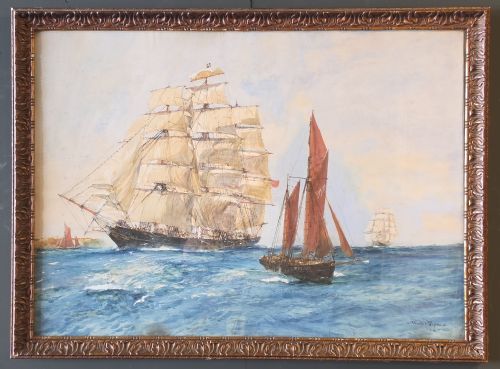
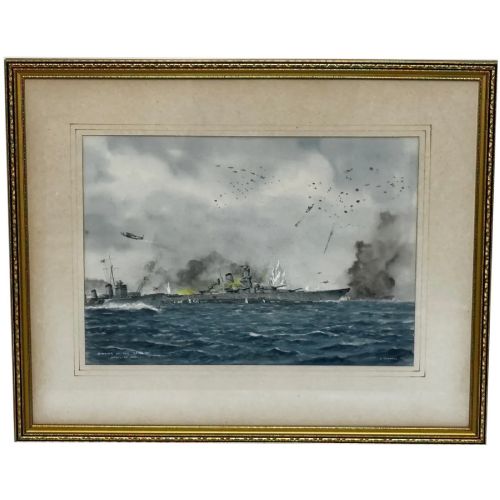
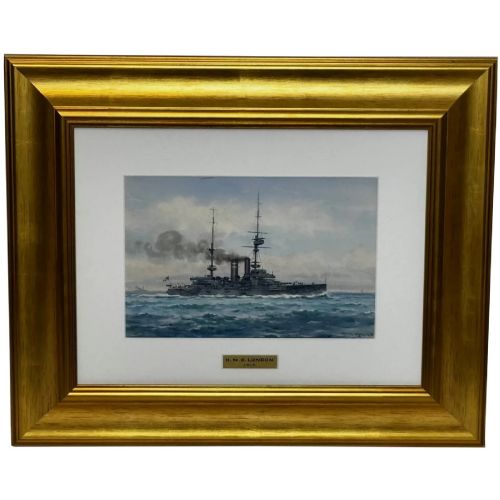
The works depict naval warships, sailing clippers, fishing boats, and coastal harbours. Scenes frequently feature specific locations such as Whitby, the Port of London, and various international waters.
Artists recorded both bustling maritime trade and quiet coastal inlets, documenting ships at sea and vessels in dock during the nineteenth and twentieth centuries.
How should I display a watercolour?
Display these works away from direct sunlight to prevent the watercolour pigments from fading over time. Maintaining a stable environment protects the paper support from humidity.
Framing behind glass is essential to shield the delicate medium from airborne dust and moisture damage.
Are these works original paintings?
The selections consist of original, hand-painted works created on paper supports. Artists applied watercolour pigment and gouache directly by hand.
Each piece represents a unique execution by the named painter rather than a mass-produced print or reproduction.
How do I identify the period?
Dating relies on artist signatures, period framing styles, and written inscriptions recording specific dates or naval events. Many pieces carry annotations regarding the vessel or location depicted.
Stylistic elements also point towards Victorian, Edwardian, or mid-century aesthetic conventions.