
Vintage Mantelpiece
A vintage mantelpiece display gathers clocks, mirrors, and ornaments crafted to sit above a hearth and anchor a room.
Vintage Mantelpiece
When you search for vintage mantelpiece ornaments, you encounter a varied collection of decorative objects designed for the hearth, ranging from timepieces and mirrors to candlesticks and sculptures. These items span multiple periods from the Georgian era through to the Art Deco epoch, reflecting the changing tastes of interior decoration over two centuries.
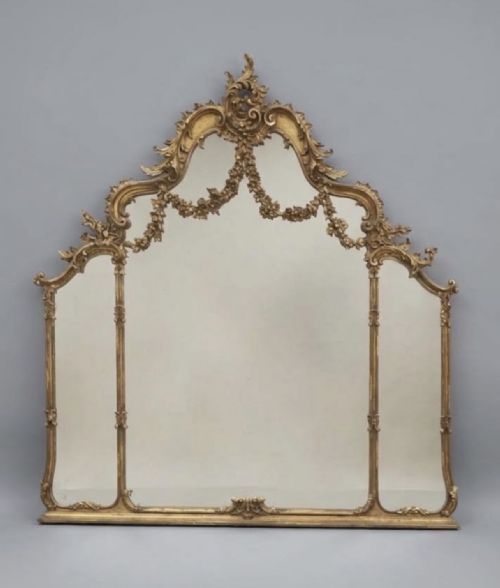
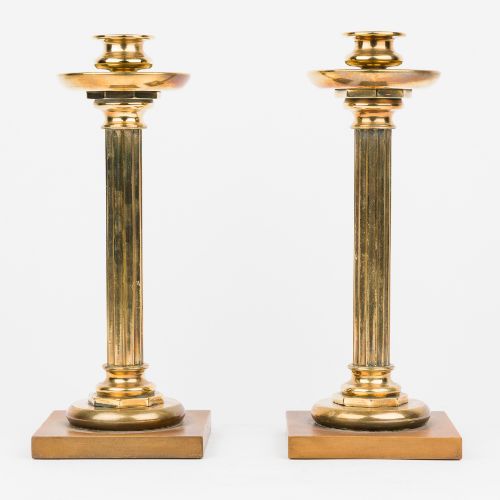
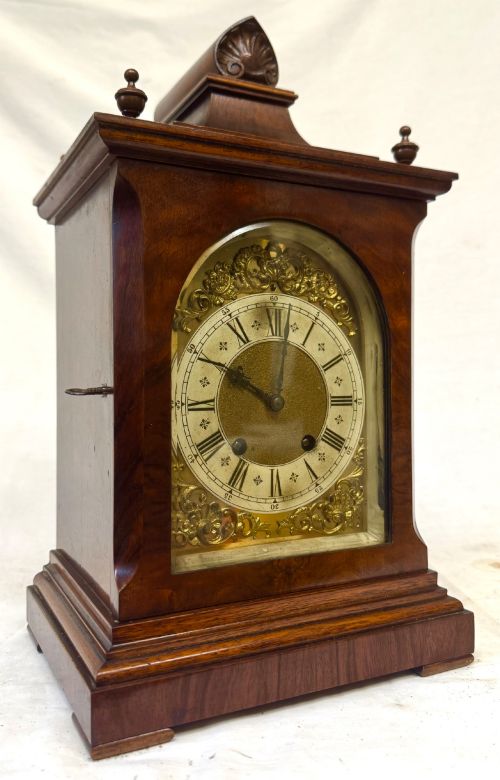
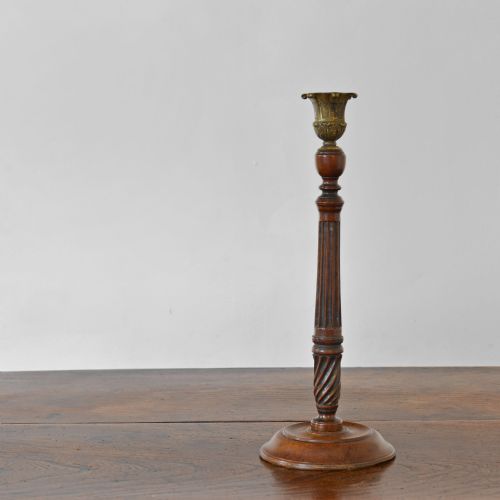
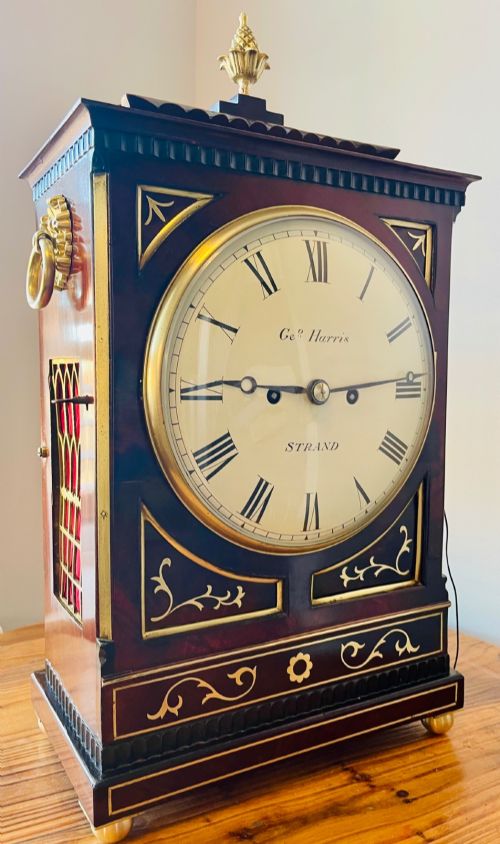
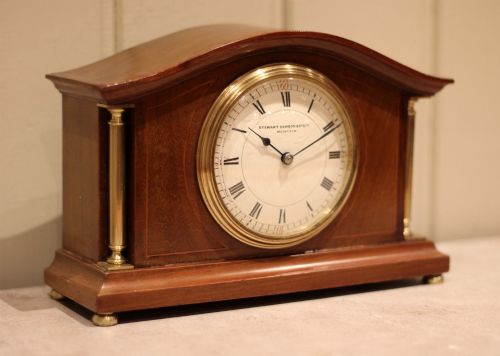
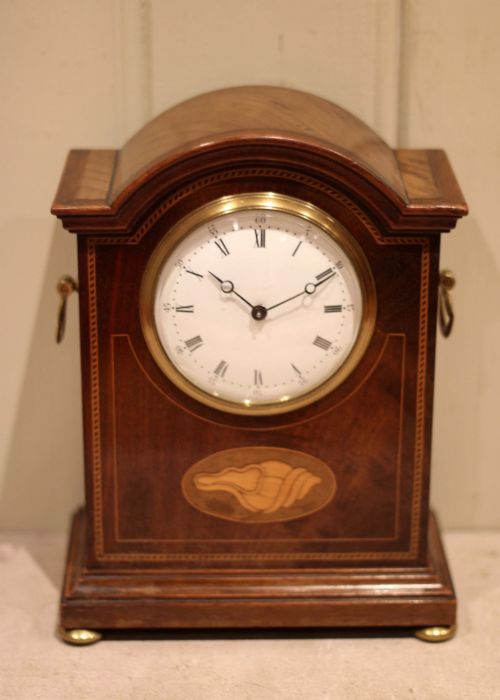
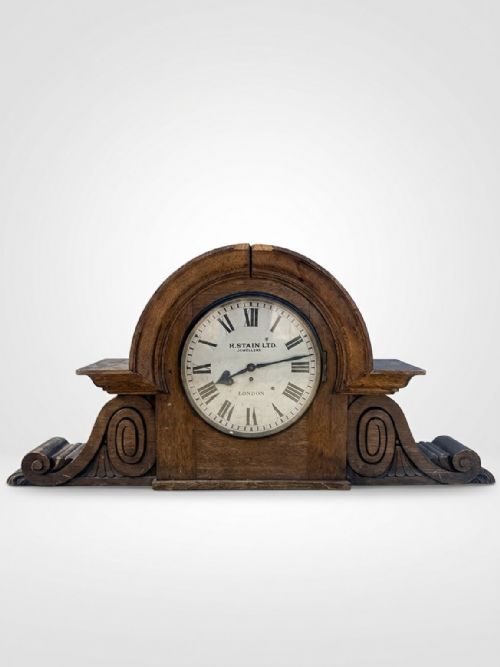
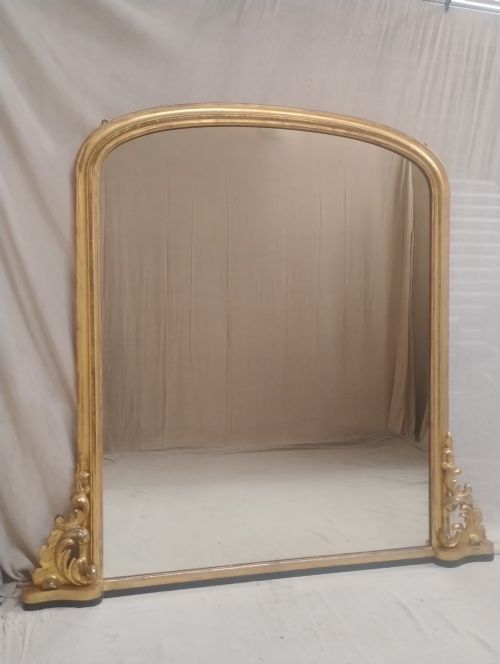
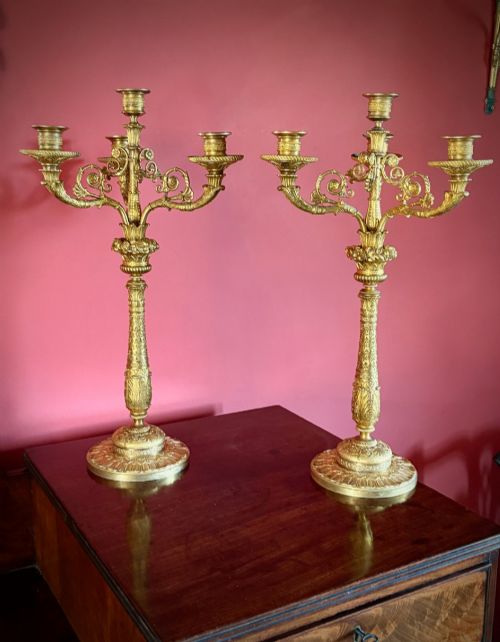
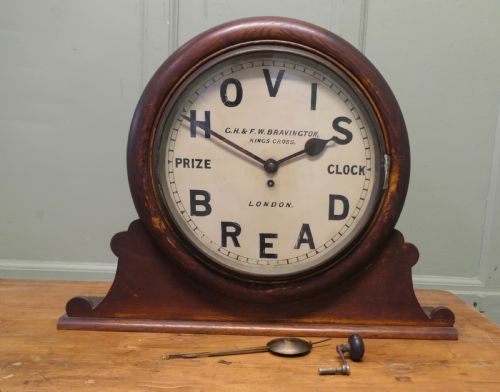
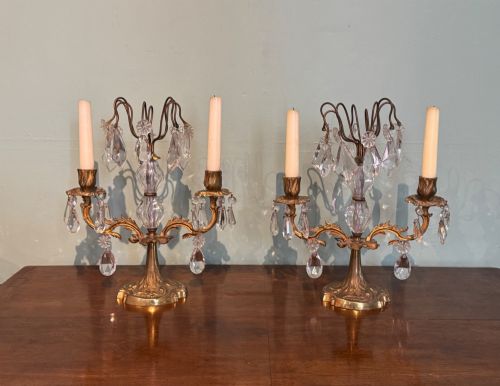
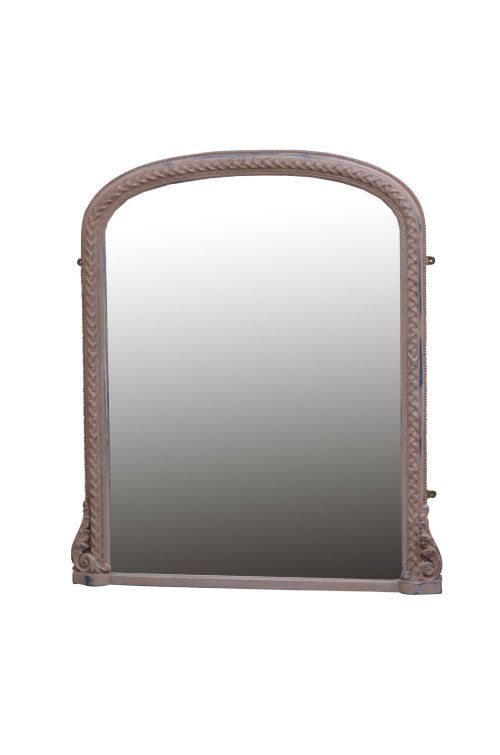
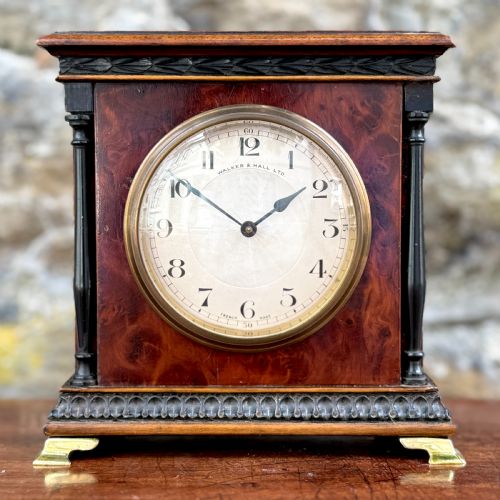
Clocks housed in mahogany, oak, or walnut cases frequently appear alongside overmantel mirrors framed in giltwood or carved pine. Paired items such as brass candlesticks, ormolu candelabras, and glass lustres also form a central part of what is available.
The selection encompasses diverse styles including French Rococo Revival, Neoclassical, and Edwardian designs. Each object served a functional or decorative purpose upon the mantel, bringing symmetry and focal weight to a chimney breast.
Materials and construction
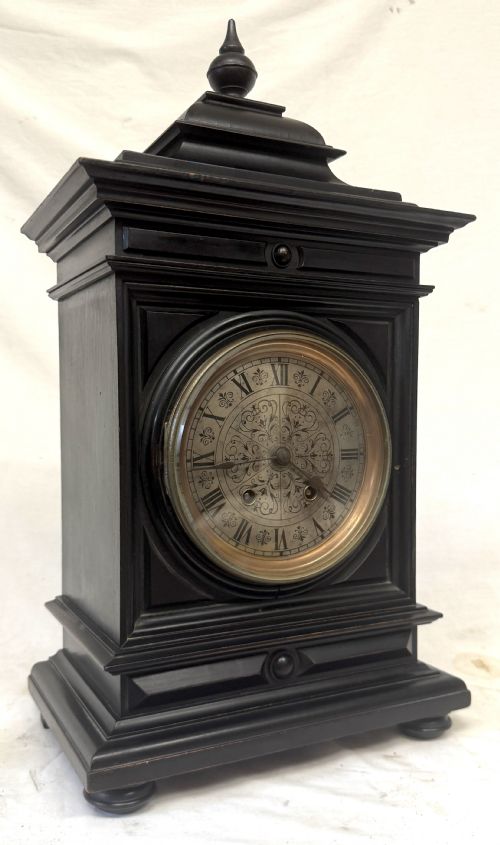
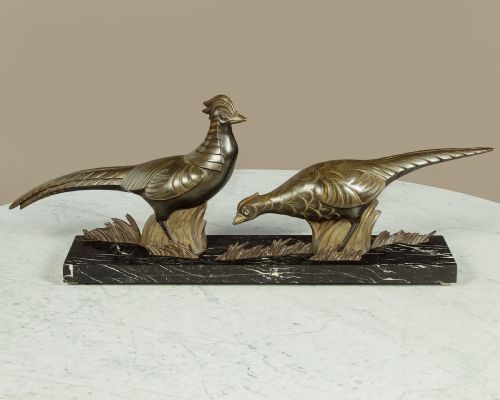
Makers utilised traditional woodworking techniques, constructing clock cases and mirror frames from solid or veneered mahogany, oak, walnut, and ebonised timber with inlaid details. Metalwork relies on cast bronze, brass, ormolu, and cast iron, often shaped into figural or botanical motifs.
Glass is utilised for mercury mirror plates, cut glass table accessories, and ruby glass lustres, whilst giltwood and gesso finishes provide reflective warmth to large architectural mirrors. Carved pine and painted surfaces also appear on larger structural fireplace surrounds.
Assessing quality
The standard of carving and metal casting sets the baseline for quality across these items. Crisp detailing in giltwood frames, finely chased ormolu mounts, and precise wooden joinery indicate superior craftsmanship from the workshop.
The integrity of the original movement in a bracket clock or the clarity of an antique mirror plate distinguishes finer examples from later replacements. Materials such as solid mahogany or substantial bronze retain their presence better than lighter substitute alloys.
Lenzkirch·G.H.& F.W. Bravington London·Walker and Hall·P J Mêne·L. Vick of Stroud·Sibylle May
The Vintage Mantelpiece Glossary
- Overmantel mirror
- A large mirror designed to hang specifically above a mantelpiece. These often feature architectural frames or giltwood ornamentation.
- Ormolu
- Gilt bronze produced by applying a finely ground high-carat gold-mercury amalgam to a bronze object. The process was widely used in French decorative arts.
- Bracket clock
- A portable spring-driven clock originally designed to sit on a wall bracket or a mantel. Many include fusee movements for consistent timekeeping.
- Glass lustre
- A decorative table ornament featuring a glass stem and bowl hung with prismatic pendants. They were popular in Victorian interiors for catching candlelight.
- Fusee
- A conical pulley used in clocks to maintain an even pull on the mainspring as it unwinds. This mechanism improves the accuracy of the timepiece.
Vintage Mantelpiece: Frequently Asked Questions
How do I choose the right clock?
Consider the scale of your fireplace and the surrounding room before selecting a wooden or bronze mantel clock. Enclosed cases in mahogany, oak, or walnut provide a traditional anchor for the hearth.
Examine whether the piece uses a fusee movement or a simpler pendulum mechanism. Matching the timber tone to other furniture in the space helps integrate the clock naturally.
Where should I place an overmantel mirror?
An overmantel mirror hangs centrally above the fireplace to reflect light and create a sense of depth in a room. The width of the mirror should generally align with or sit slightly within the footprint of the mantel shelf below.
Ensure the wall fixings can support heavier giltwood or carved wooden frames safely. Pairing the mirror with matching candlesticks or small sculptures on the shelf completes the traditional arrangement.
How do I identify a Georgian piece?
Georgian items display restraint, classical proportions, and careful timber selection such as figured mahogany. Candlesticks and clocks from this era prioritise structural clarity over heavy ornamentation.
Look at the joinery methods and surface patination to confirm the age. Hardware and fasteners should match the manufacturing techniques typical of the eighteenth and early nineteenth centuries.
What maintenance do these items need?
Dust wooden frames and metal ornaments regularly with a dry, soft cloth to prevent particulate buildup. Avoid harsh chemical cleaners that can strip original giltwood, polish, or patination from brass and bronze.
Mechanical clocks benefit from professional servicing every few years to keep the gear trains functioning correctly. Glass and mirror plates should be cleaned sparingly with a gentle solution applied to the cloth rather than directly to the surface.