

Antique Fireplace Frame
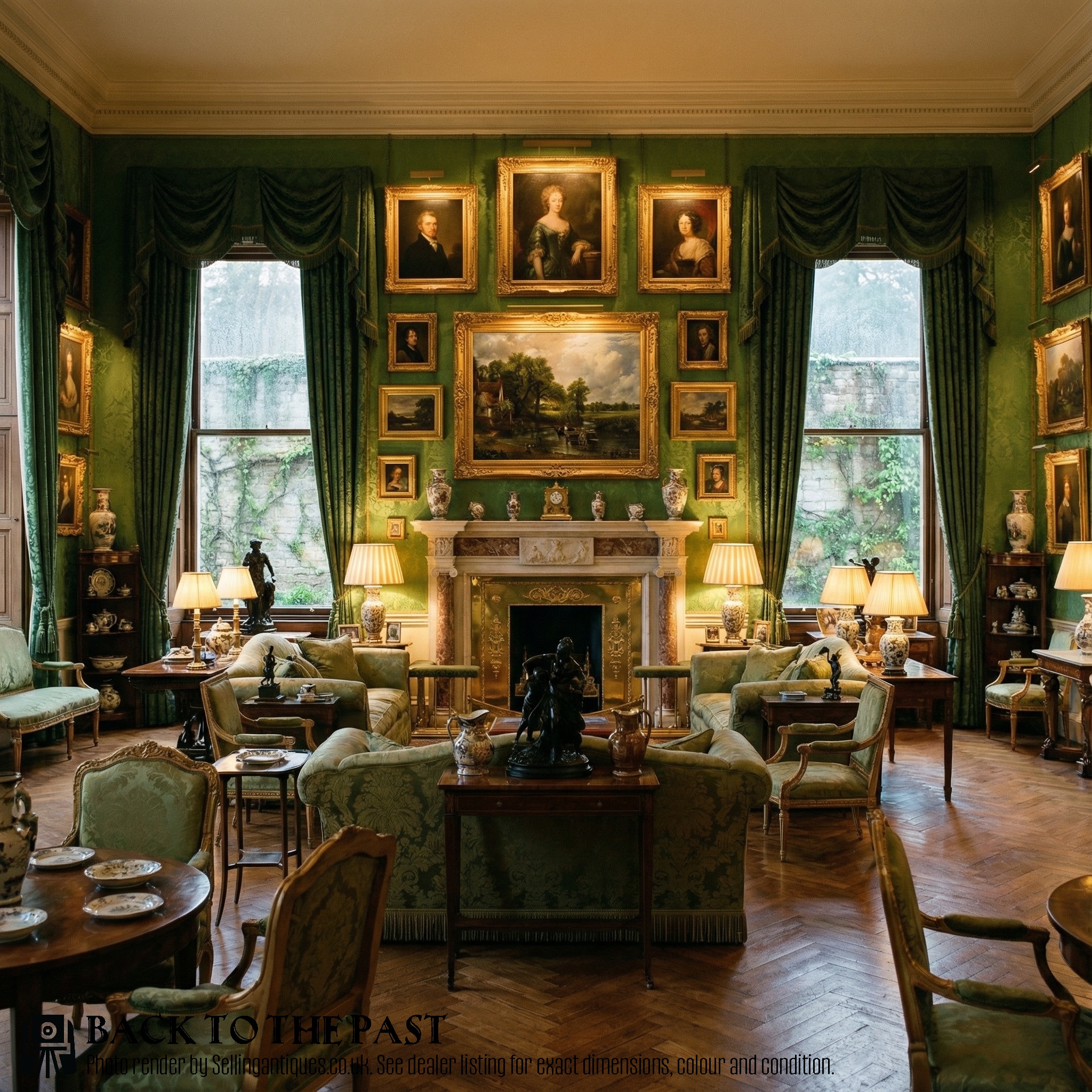
An antique fireplace frame anchors a room with period proportion, offering architectural presence above a hearth.
Antique Fireplace Frame
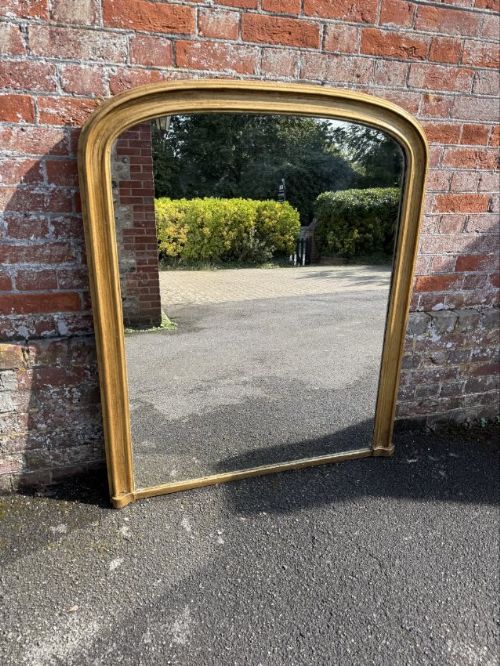
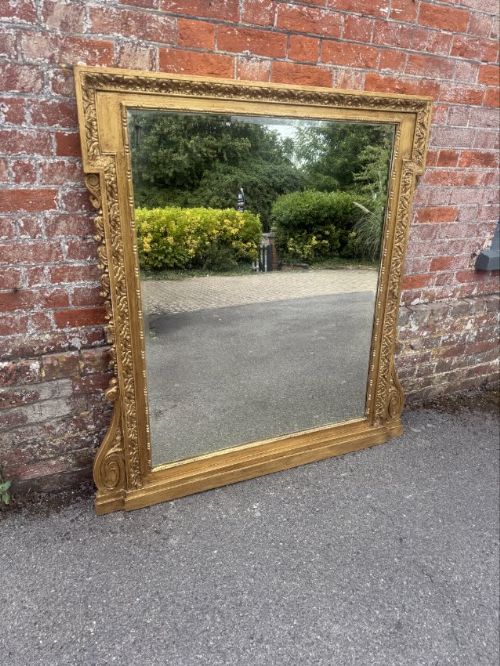
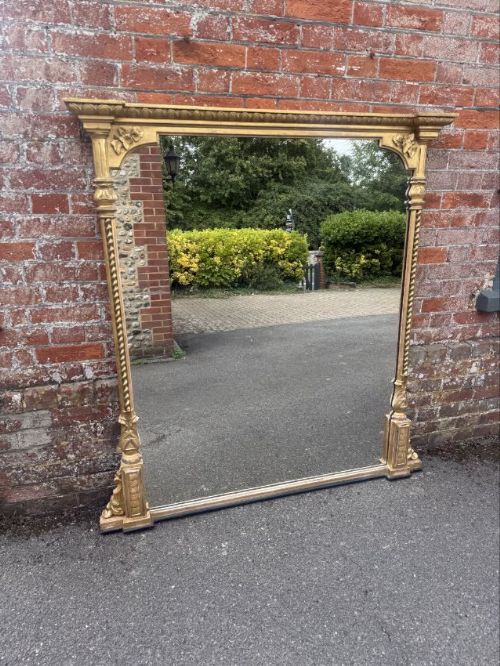
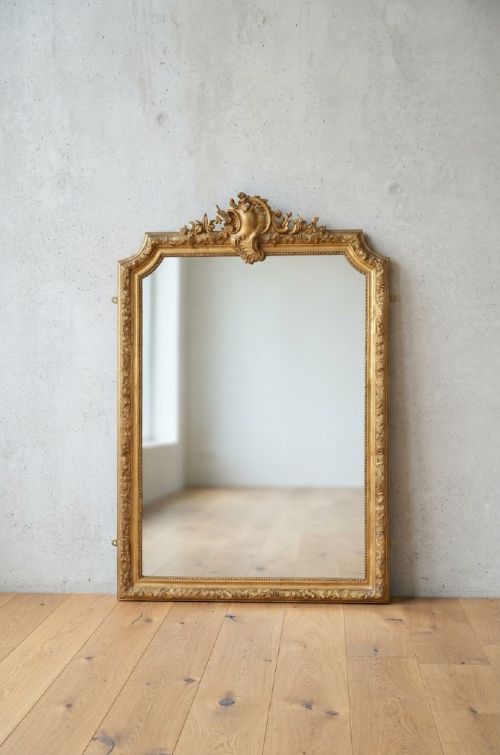
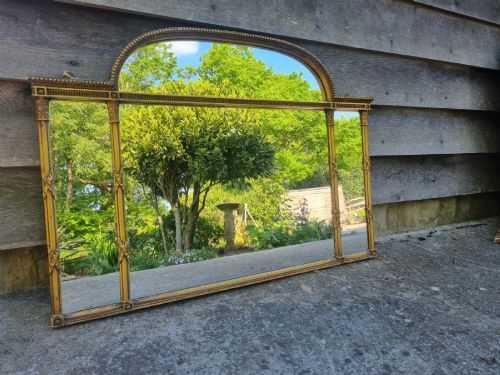
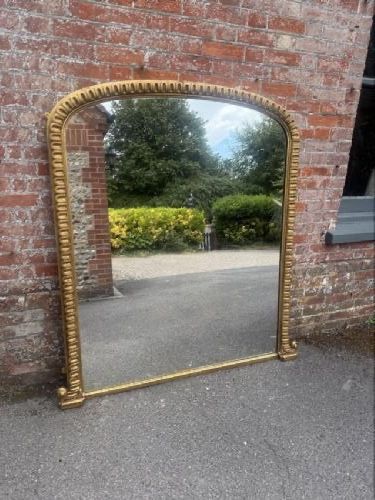
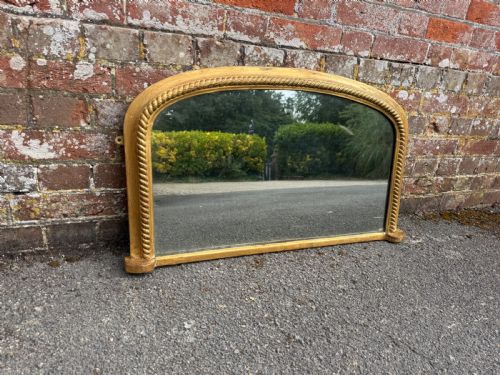
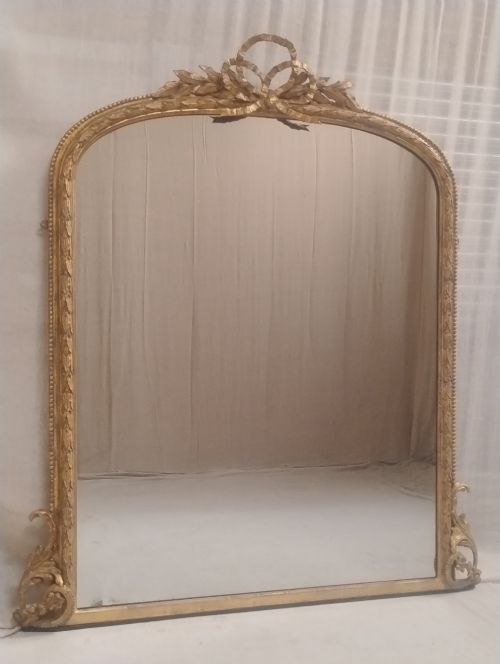
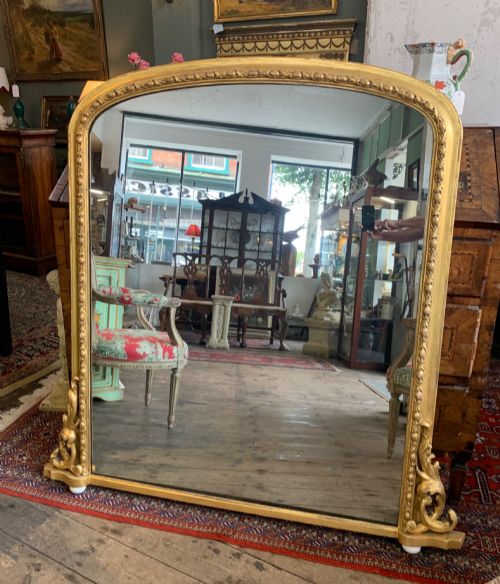
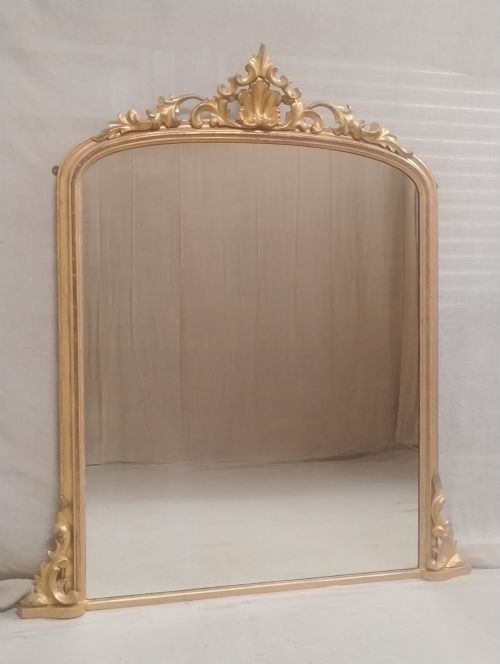
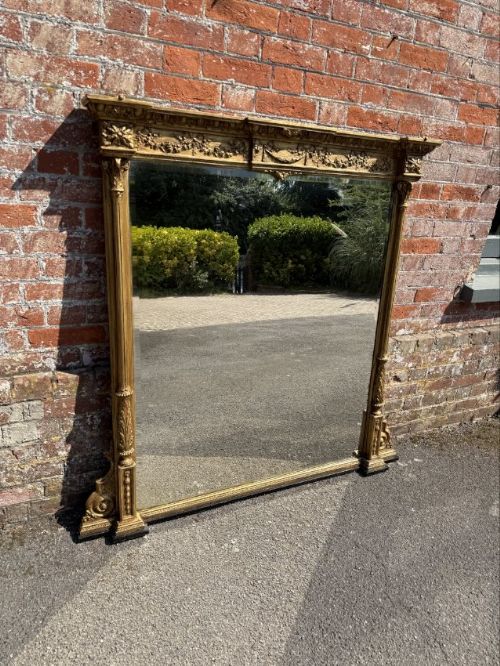
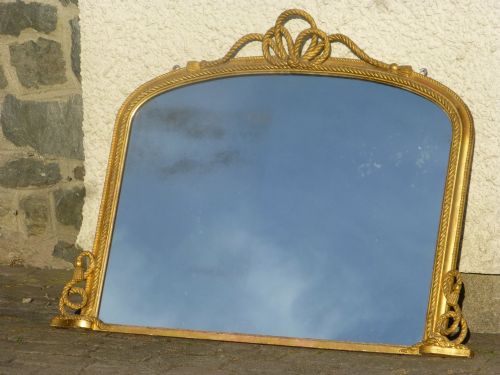
When searching for an antique fireplace frame, buyers encounter large architectural pieces designed to sit above a mantelpiece, predominantly taking the form of overmantel mirrors alongside occasional timber surrounds. The selection spans the nineteenth century through the Edwardian period, incorporating Victorian, Regency, and French aesthetic influences.
Materials and construction
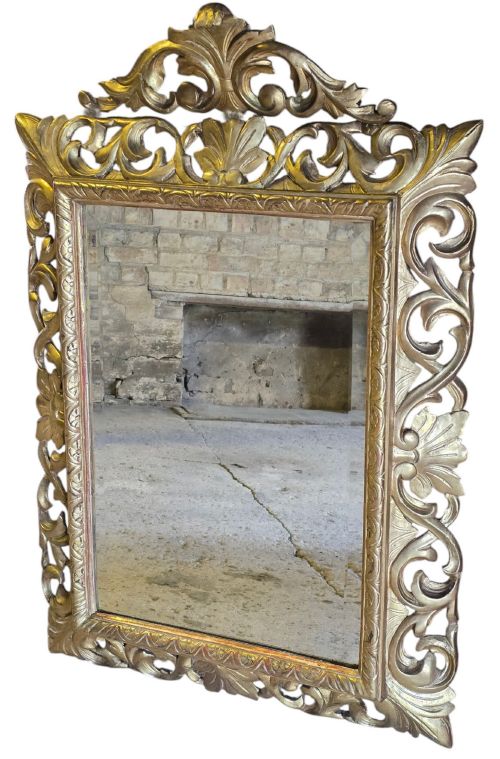
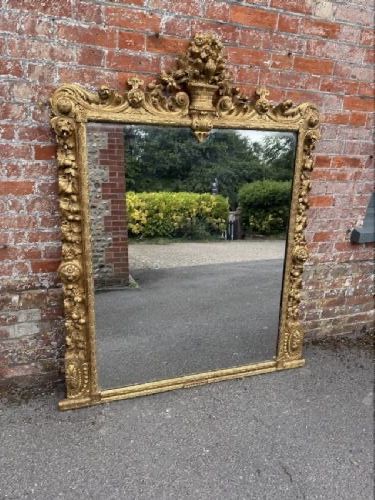
The construction relies on carved wood carcasses, frequently pine or hardwood, built to support considerable weight above a fireplace. Craftsmen applied layers of gesso to these wooden bases to build up intricate relief mouldings before applying gold leaf or liquid gilding.
Mirrored glass plates, sometimes retaining original foxing or bevel cuts, are fitted within the frames alongside applied decorative elements like rope twists, columns, and cresting.
Assessing craftsmanship
Quality in these frames rests on the crispness of the hand-carving and the depth of the gesso relief work beneath the gilding. Superior examples display sharply defined motifs and robust joinery that has remained stable across centuries of temperature changes near hearths.
The character of the glass plate also distinguishes pieces, with older mirror plates showing natural ageing through light foxing rather than modern replacement silvering.
Herbert Dicksee·Hendrik Valkenberg·Godfried Schalcken
The Antique Fireplace Frame Glossary
- Gesso
- A plaster-like mixture applied to wood frames to create a smooth surface for carving and gilding. This material allows for intricate relief details such as floral motifs and scrolls.
- Giltwood
- Timber that has been coated with gold leaf or metallic paint. It reflects firelight effectively in a drawing room setting.
- Overmantel
- A large mirror or decorative panel specifically designed to hang or sit upon the mantelpiece above a fireplace. They visually expand the hearth area.
- Foxing
- Age-related brown spots and speckles that develop in the silvering of antique mirror glass. This chemical oxidation indicates genuine age.
Antique Fireplace Frame: Frequently Asked Questions
How do I choose the right size fireplace frame?
Measure the width of your mantelpiece to ensure the frame does not exceed the shelf dimensions. Overmantel mirrors typically look best when they match or slightly sit within the outer edges of the fireplace surround.
Consider the ceiling height of your room as well, selecting arched or crested top designs that draw the eye upward without dominating the entire wall space.
Were these frames always used above fireplaces?
While primarily built as overmantels to sit on mantel shelves, many large nineteenth-century examples functioned equally as principal wall mirrors in reception rooms. Their substantial proportions were engineered to reflect light from windows and chandeliers across large Victorian and Regency interiors.
Today, buyers frequently hang them directly on living room walls as statement focal points, regardless of whether a working fireplace sits below.
Can I clean original giltwood frames?
Giltwood surfaces require gentle dusting with a soft, dry brush to remove particulate matter without disturbing fragile metallic leaf. Avoid using liquid cleaners, moisture, or chemical solvents, which can strip the delicate gesso and gold leaf layers.
If the glass requires cleaning, apply a mild glass cleaner to a cloth rather than spraying directly onto the mirror, preventing moisture from seeping behind the antique frame edges.