





Art Deco Fireplace
An art deco fireplace brings geometric lines and period materials straight to the hearth, offering an instant anchor for a room.
Art Deco Fireplace
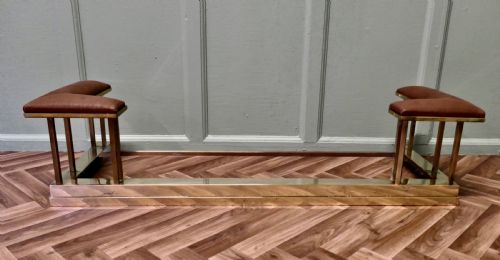
When you search for an art deco fireplace, you encounter a distinct gathering of hearth furniture, surrounds, and accessories stemming largely from the 1920s and 1930s. The selection ranges from substantial wood and iron surrounds to club fenders upholstered in tan leather.
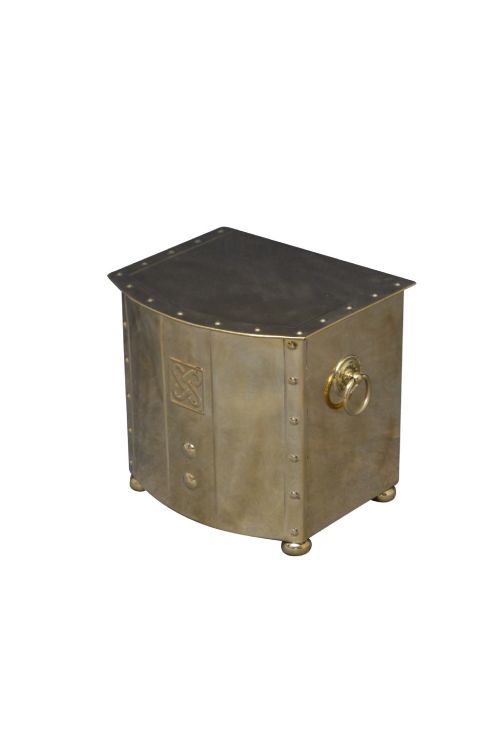
You are most likely to meet club fenders and wall mirrors alongside coal bins, log stores, and mantel clocks. These items frequently combine utilitarian metals with decorative glass to define the fireside aesthetic of the interwar period.
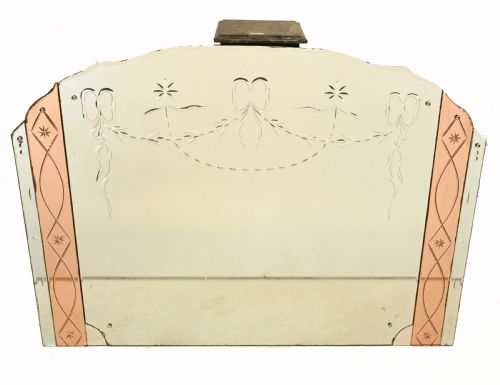
Surrounds and companion sets appear alongside overmantel mirrors in peach glass and sunburst designs. Each piece contributes to the cohesive geometric scheme characteristic of the style.
How they were made
Makers utilised heavy metals such as brass, iron, and dinanderie copper alongside wood and cast iron to build durable hearth furniture. Leather upholstery often provides seating on club fenders, while shaped glass forms mirrors and fire screens.
Techniques combine structural metalwork with decorative finishing, seen in peach-coloured glass panels and sunburst frame details. These construction methods ensure the pieces withstand daily fireside use while maintaining their decorative impact.
Companion sets occasionally feature small children and lambs standing quietly by the hearth.
What varies in quality
Quality rests upon the heft of the materials, the crispness of the metalwork, and the preservation of original glass and leather elements. Heavier ironwork and substantial brass indicate superior construction.
The sophistication of the design, from simple oak surrounds to elaborate dinanderie copper planters and matching garnitures, distinguishes finer examples. Intact period materials elevate the standing of any fireside piece.
THE BIRMINGHAM GUILD
The Art Deco Fireplace Glossary
- Club fender
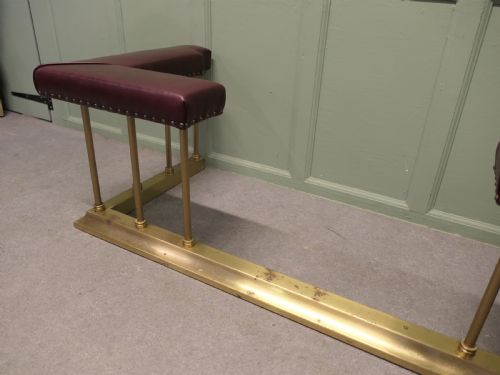
- A low fireside seat with upholstered corners built around the base of a hearth. These brass and leather structures provide extra seating close to the fire.
- Dinanderie
- A term for various objects made of hammered brass or copper, often featuring decorative patination. This technique produces textured metal vessels and planters.
- Garniture
- A set of matching decorative ornaments, typically a clock paired with matching vases or side pieces. These arrangements sit upon mantelpieces above the hearth.
- Overmantel mirror
- A large mirror designed to hang specifically on the wall above a fireplace surround. They frequently incorporate bevelled peach glass and sunburst motifs.
- Fire screen
- A decorative barrier placed in front of the hearth when the fire is unlit. They often utilise metal frames and glass panels.
Art Deco Fireplace: Frequently Asked Questions
What is an art deco fireplace?
An art deco fireplace encompasses surrounds, club fenders, mirrors, and companion sets dating primarily from the 1920s and 1930s. These pieces use geometric forms and materials like brass, leather, and peach glass.
They serve as both functional hearth furniture and decorative focal points within a room. The style leans into modernism while retaining traditional fireside utility.
How do I use a club fender?
A club fender provides low seating around the perimeter of the hearth, traditionally allowing people to sit close to the fire. They feature upholstered leather bench corners supported by metal frames.
In modern rooms, they work well as freestanding seating benches even without an active fireplace. Their brass and iron construction makes them sturdy everyday furniture.
What materials are common?
Common materials include brass, iron, oak, and leather, frequently paired with decorative glass. Peach-coloured glass and dinanderie copper appear often in mirrors and planters.
These durable substances were chosen to withstand heat and daily use near the hearth. Over time, metals develop a natural patina that marks their age.
How do I date these pieces?
Dating relies on stylistic markers from the 1920s and 1930s, alongside occasional Edwardian precursors. Streamlined geometric lines and specific glass tints help identify the era.
Maker marks or stamps on metalwork can also confirm the production period. Surviving elements like original tan leather point directly to interwar manufacturing.