

Vintage Mahogany Vanity
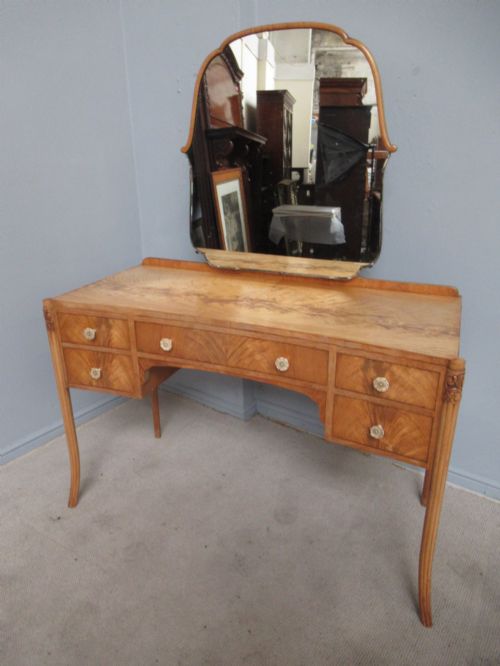
A vintage mahogany vanity brings warmth and practical elegance to a bedroom, offering a dedicated space for grooming and preparation.
Vintage Mahogany Vanity
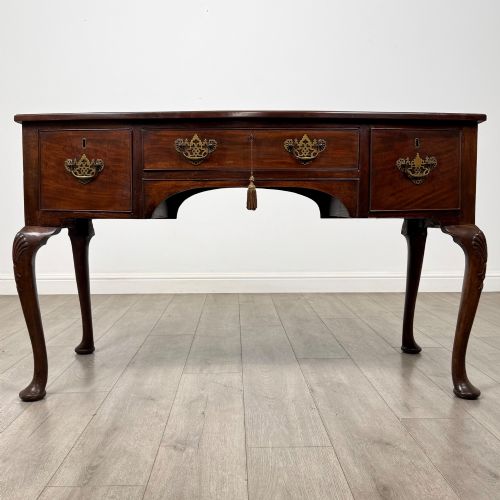
When searching for a vintage mahogany vanity, buyers encounter a diverse selection of furniture designed for grooming, dressing, and personal care. The listings span multiple periods including Georgian, Victorian, Edwardian, and Regency, alongside revival styles like Chippendale, Sheraton, and Georgian Revival.
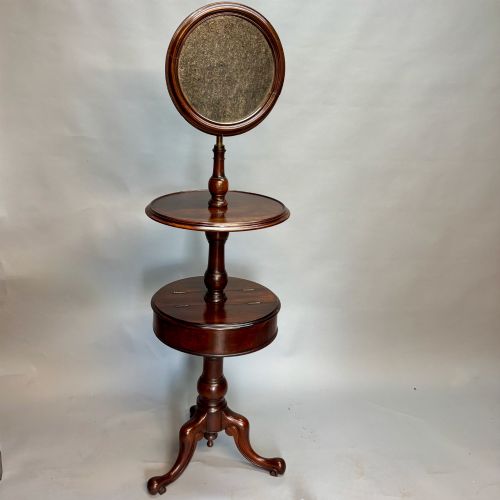
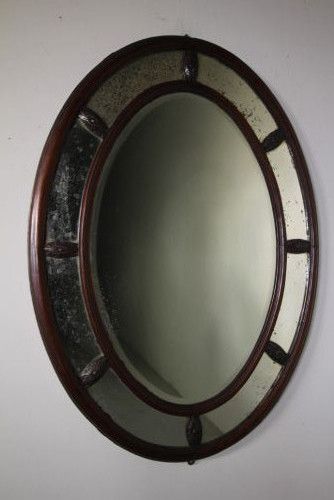
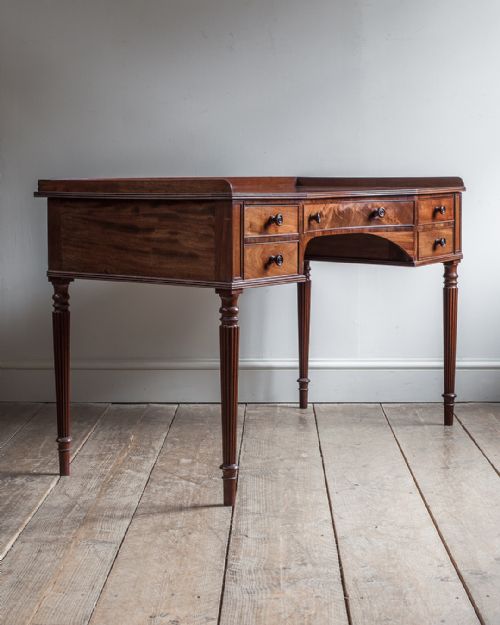
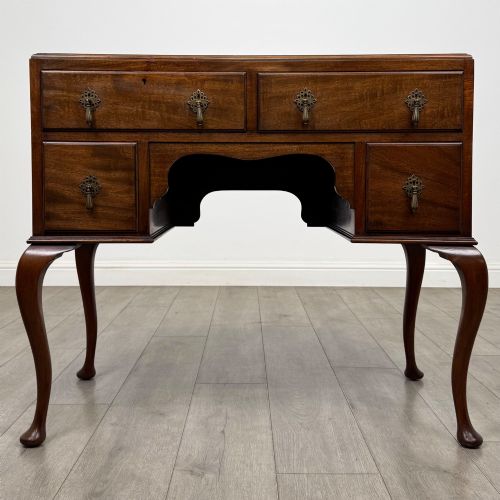
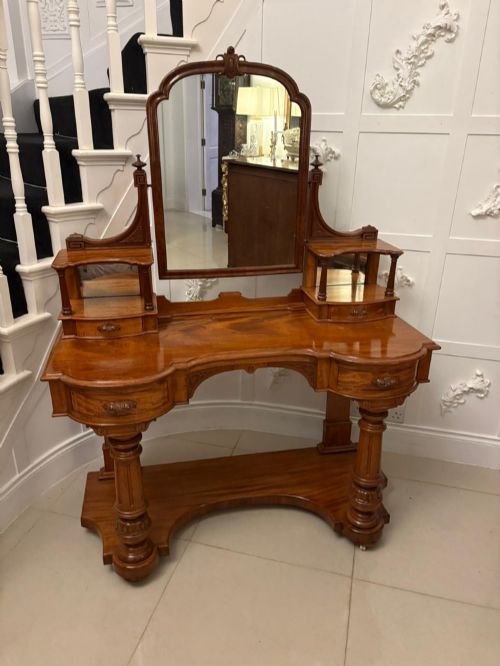
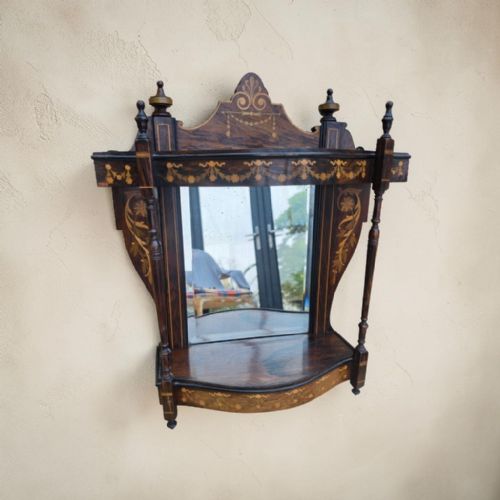
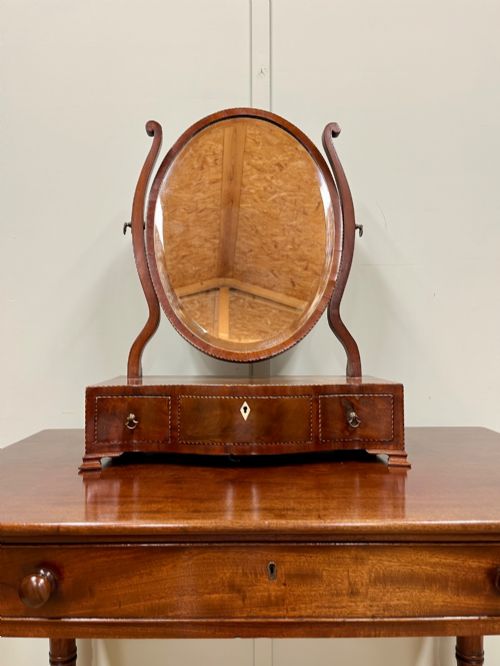
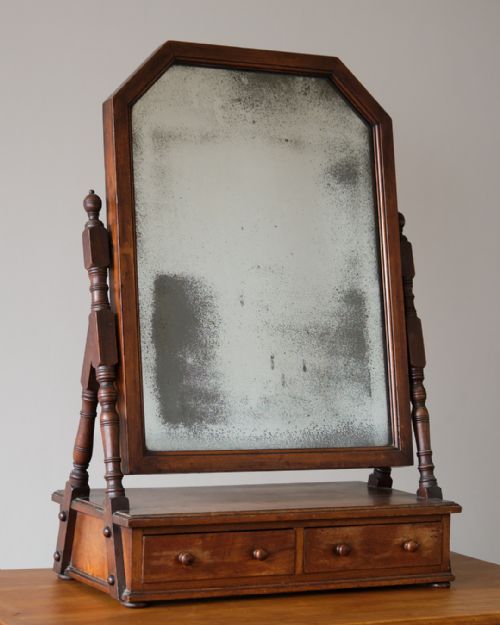
The most common forms on this page include dressing tables, dressing table mirrors, wall mirrors, and dressing mirrors. Alongside these core pieces, buyers also find related items such as washstands, desks, writing tables, stools, piano stools, and jewellery boxes.
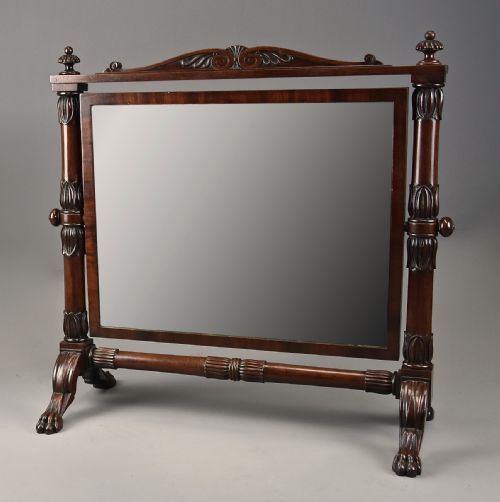
Materials and accents vary across the inventory, with solid and flame mahogany frequently complemented by brass, glass, mirror glass, fabric, leather, velvet, satinwood, and maple. Pieces range from simple swing mirrors to large cheval mirrors, standing dressing tables, and compact writing desks.
Evaluating Quality
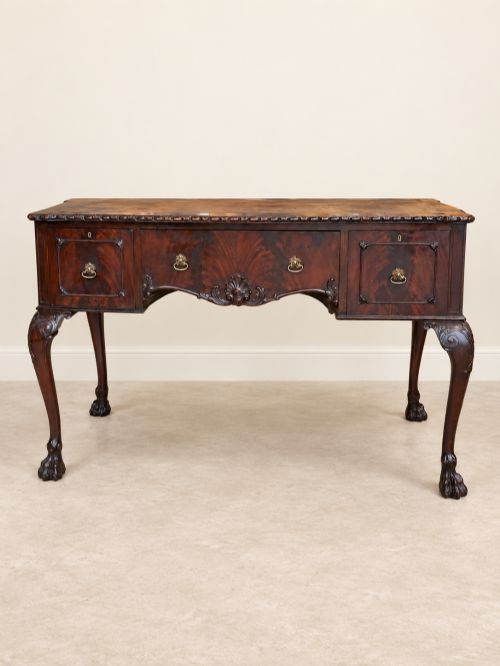
Quality in these pieces rests upon the selection of timber, particularly the grain figuration seen in flame mahogany and the precision of inlaid details like satinwood stringing. Superior examples demonstrate refined proportions and well-executed carving, such as fret-cut ornament or cabriole legs, rather than mass-produced uniformity.
The sophistication of the construction and the retention of original elements, including brass handles, mirror glass, and leather top inserts, elevate a piece. Finer examples often reflect the design idioms of specific periods, such as Regency or Georgian, executed with careful attention to structural balance.
An early French marine vanity cabinet includes an integrated sink built specifically for use on a yacht or boat.
Heal And Sons·P And Ma Nicholson·Harrods
The Vintage Mahogany Vanity Glossary
- Cheval mirror
- A full-length mirror hung in a frame that allows it to tilt, standing independently on feet. These large mirrors were popular for dressing rooms and bedrooms.
- Fret-cut
- A decorative technique where thin wood is pierced with a fretsaw to create intricate openwork patterns. This is commonly found on the crests of Georgian and revival mirrors.
- Secretaire
- A piece of furniture incorporating a writing drawer with a drop-front desk surface and internal pigeonholes. It combines storage with a practical writing space.
- Washstand
- A standalone piece designed to hold a basin, jug, and washing accessories before plumbed bathrooms became standard. Edwardian examples often feature tiled backs or marble tops.
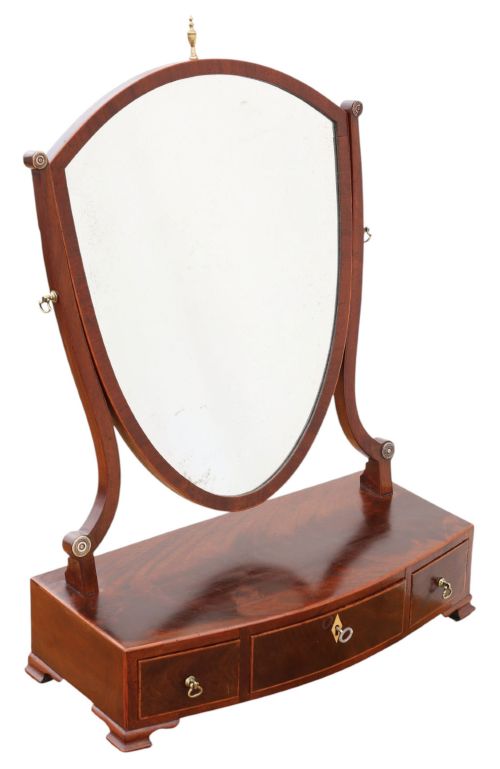
- Swing mirror
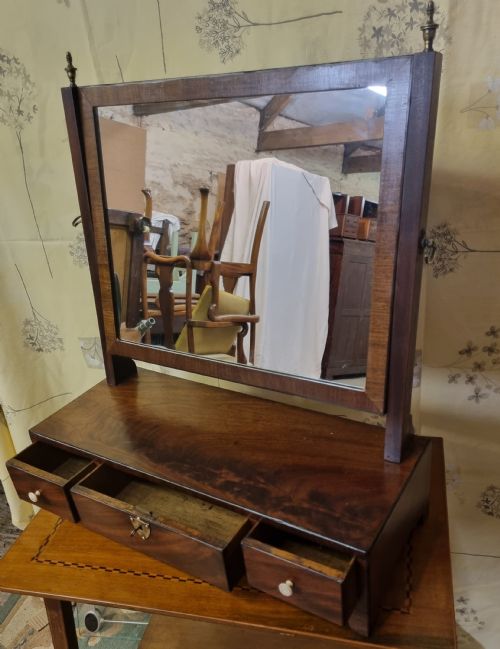
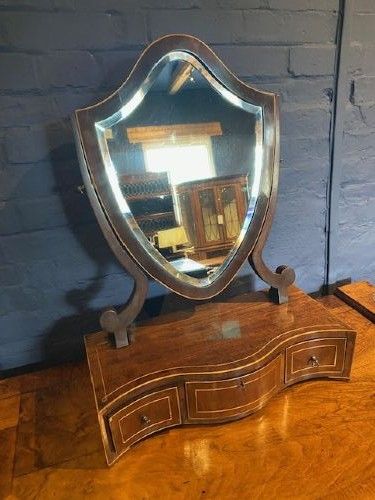
- A tabletop or dressing table mirror mounted on vertical pivots within a frame, allowing the glass angle to be adjusted. They often sit atop small drawer bases.
Vintage Mahogany Vanity: Frequently Asked Questions
What is a vintage mahogany vanity?
A vintage mahogany vanity encompasses dressing tables, washstands, and writing desks made from mahogany across various historical periods. These items served functional roles in bedrooms and dressing rooms for personal grooming and writing.
They range from compact tabletop swing mirrors to large standing dressing tables and desks equipped with drawers. The dark, rich tone of mahogany remains a defining characteristic across these forms.
How do I date a mahogany dressing table?
Dating relies on stylistic cues, construction methods, and the specific revival movements represented in the design. Georgian and Regency pieces show classical proportions and hand-cut joinery, while Edwardian and later pieces incorporate machine-made elements and revival aesthetics.
Examining the secondary woods, hardware, and mirror glass backing can also provide clues to the era of manufacture. Surviving retailer labels or stamps offer the most direct confirmation of origin.
Where were these pieces used?
These pieces were primarily designed for bedrooms, boudoirs, dressing rooms, and country house chambers. Dressing tables and swing mirrors provided a dedicated station for morning routines and grooming.
Washstands were positioned in bedchambers for washing before modern plumbing, while writing tables and secretaire chests served light administrative tasks. Smaller boxes were used for storing jewellery and travel accessories.
How do I style a vanity in a modern room?
A mahogany vanity pairs well with neutral walls, which allow the dark wood grain and brass hardware to stand out. Pairing the table with a contrasting upholstered stool in velvet, leather, or fabric softens the formal appearance.
Adding contemporary lighting alongside the antique mirror creates a functional workspace that bridges historical charm with modern daily use.