


Antique Wooden Vanity Desk
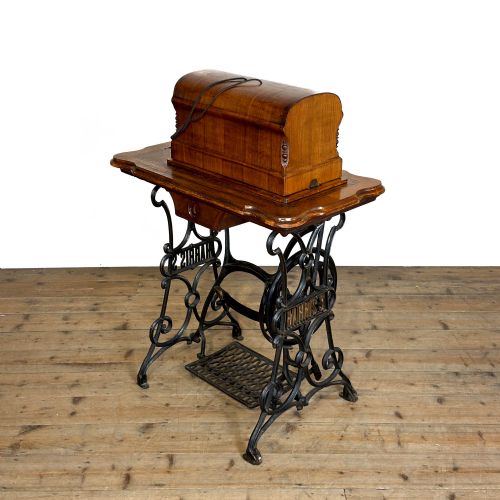
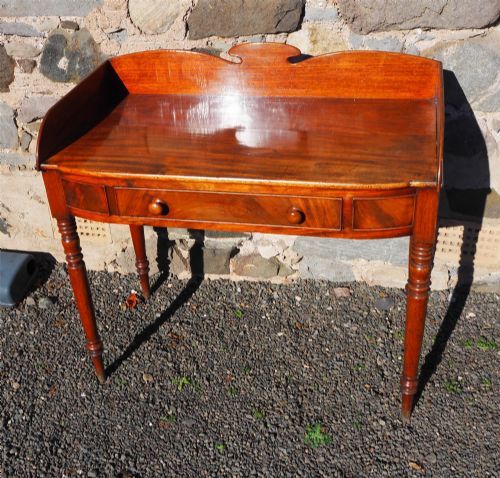
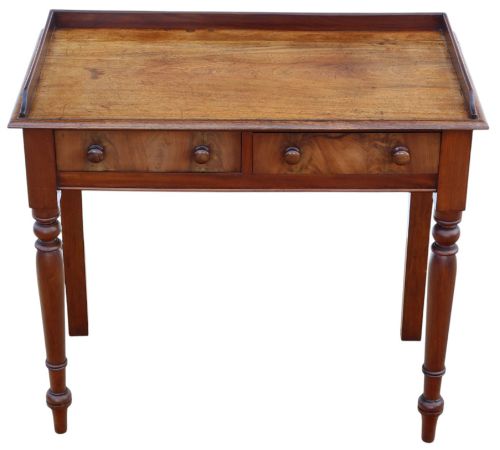
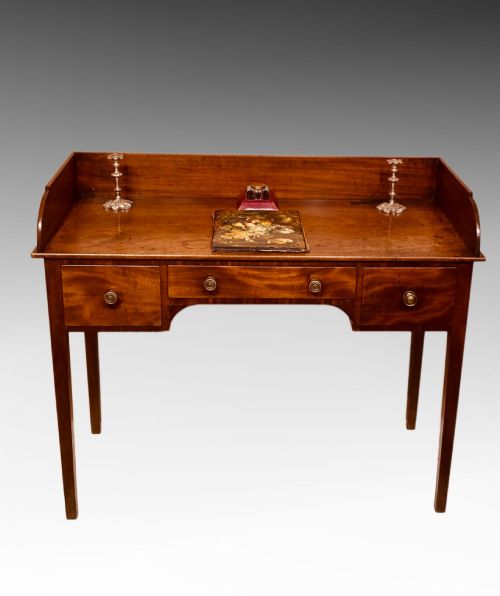
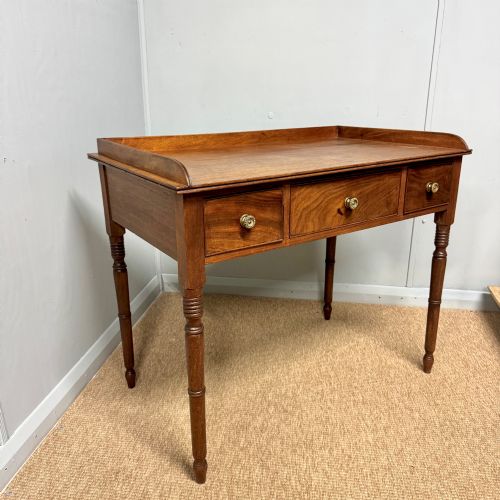
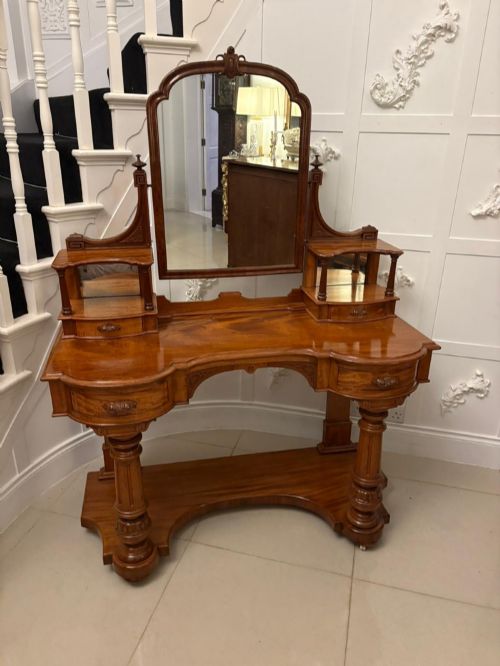
An antique wooden vanity desk brings period character to a dressing room, offering fitted surfaces and deep mahogany or pine drawers.
Antique Wooden Vanity Desk
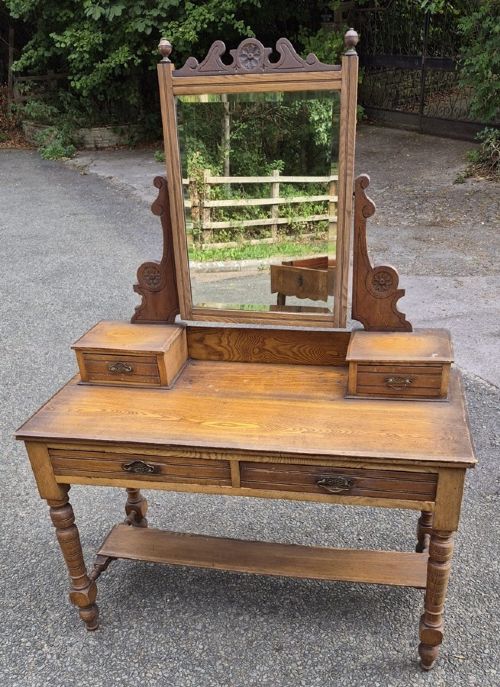
An antique wooden vanity desk serves as a dedicated space for grooming and personal writing, combining the functions of a dressing table and a writing desk. These pieces emerge predominantly from the Georgian, Victorian, and Edwardian eras, alongside later Art Deco interpretations.
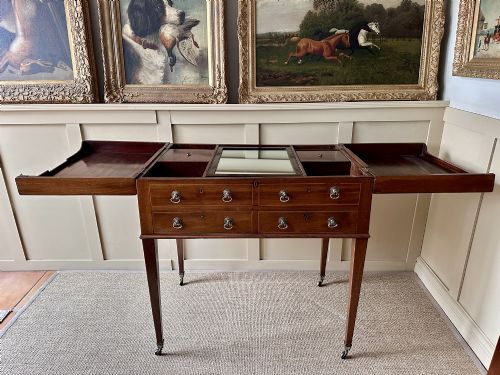
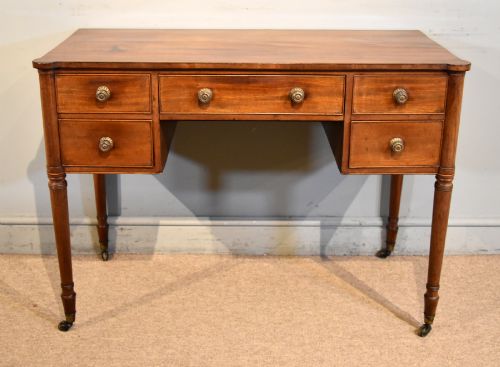
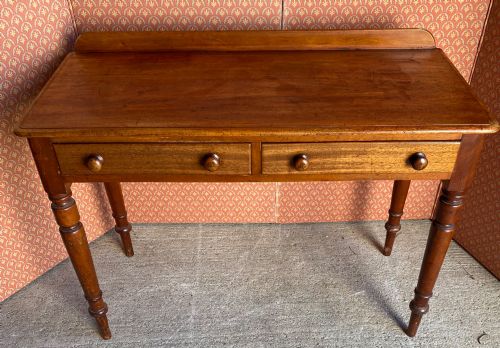
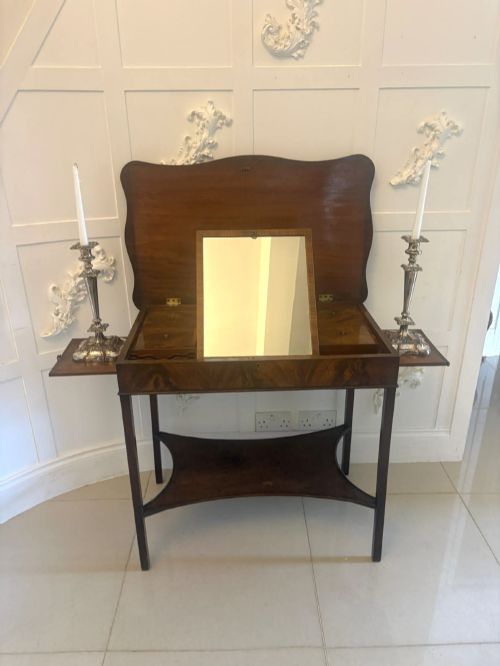
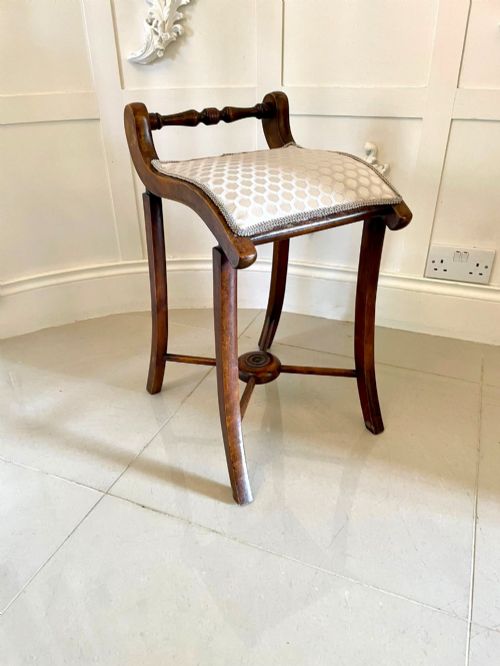
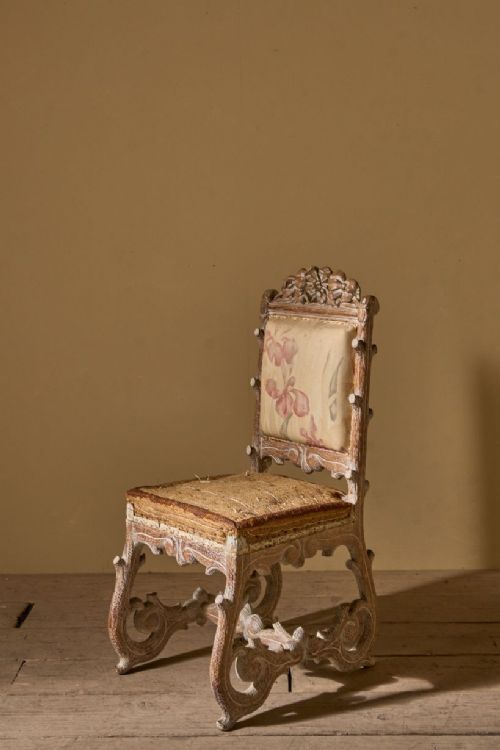
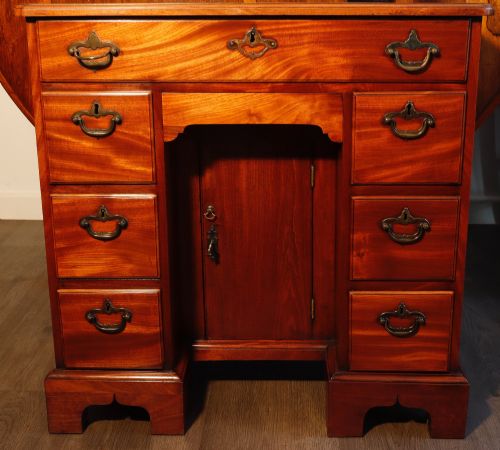
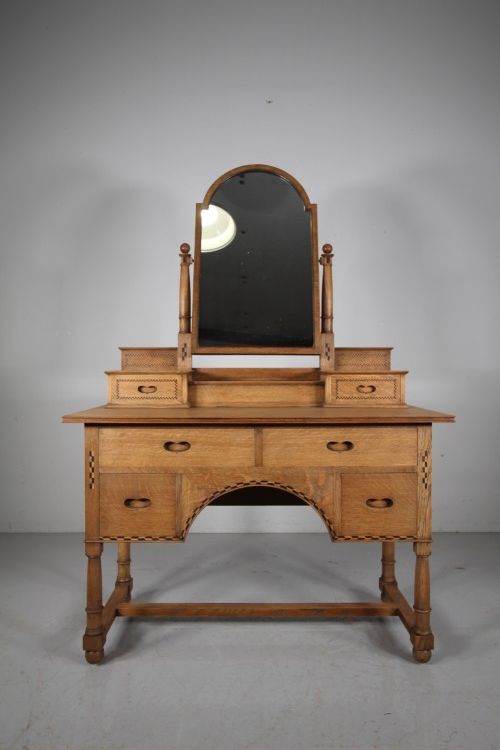
Buyers encountering this search phrase find diverse forms ranging from large mahogany dressing tables with carved details to compact pine kneehole writing tables and satinwood pieces. Many examples feature integrated mirrors, small drawers for jewellery, and matching side chairs or dressing chests.
Origins span English cabinet makers, Regency workshops, and 19th-century French ateliers, reflecting shifting domestic habits from formal powdering rooms to private bedroom dressing spaces.
How they were made
Cabinet makers constructed these pieces using solid timbers like mahogany, oak, pine, and walnut, often applying flame mahogany veneers or burr walnut to prominent surfaces. Drawer linings frequently utilise secondary woods such as oak or pine, joined with traditional hand-cut dovetails.
Decorative elements involve brass mounts, satinwood inlay, marquetry, and carved woodwork, supplemented by glass mirror plates and fabric upholstery on associated chairs. Surface finishes rely on traditional French polish or wax to protect the timber grain.
Antique Wooden Vanity Desk Retail Price Guide 2026
Typical asking prices for wooden vanity desk among the pieces listed under this phrase on Sellingantiques today, from the lower quarter to the upper quarter. They describe what is for sale here now, not the wider market.
Several boxes retain their original velvet linings, preserving the faint scent of Victorian glove powder across the centuries.
What varies in quality
The standard of timber selection largely dictates value, with finely figured flame mahogany and burr walnut commanding greater attention than plain pine or secondary woods. The crispness of hand-carving and the precision of inlaid stringing or marquetry distinguish standard regional workshop production from master cabinet work.
Structural integrity depends on the retention of original brass hardware, sound drawer construction, and untouched surface patination. Alterations to mirror frames or replaced timber diminish the historical consistency of the piece.
Heal and Sons
The Antique Wooden Vanity Desk Glossary
- Dressing table
- A low table or chest equipped with drawers and a mirror, designed for personal grooming. These items evolved significantly from eighteenth-century powder tables into substantial Victorian wash and dressing furniture.
- Kneehole desk
- A writing table featuring a central recess for the sitter's legs, flanked by pedestals of small drawers. This compact form provides generous storage without dominating a bedroom or study.
- Lowboy
- A small eighteenth-century dressing or writing table on slender legs, typically fitted with one or more rows of small drawers. The form represents an elegant precursor to larger nineteenth-century kneehole desks.
- Marquetry
- Decorative veneer work forming pictorial or geometric patterns using various coloured woods. Craftsmen cut thin slices of exotic timbers and fitted them precisely into a background veneer.
- Washstand
- A wooden stand designed to hold a basin and pitcher for morning ablutions, often sharing forms with contemporary dressing tables. Many include marble tops or tiled splashbacks to resist water damage.
Antique Wooden Vanity Desk: Frequently Asked Questions
What is an antique wooden vanity desk?
An antique wooden vanity desk is a period piece designed for personal grooming and light correspondence, combining drawer storage with a flat writing surface.
These pieces typically date from the Georgian, Victorian, and Edwardian periods, utilising timbers such as mahogany, walnut, and pine.
How do I date an antique vanity desk?
Dating involves examining the construction methods, such as hand-cut dovetails in the drawers, and identifying the prevailing furniture style.
Secondary woods, hardware types, and the presence of original mirrors or maker labels further clarify the period of manufacture.
Are these desks suitable for daily use?
These desks accommodate daily laptop work or writing when paired with an appropriate chair, provided the writing height is comfortable.
Careful placement away from direct heat sources protects the antique wood and historic polish from drying out or cracking.
What woods were commonly used?
Mahogany remains the predominant timber, appearing in both solid form and as decorative flame veneers on drawer fronts.
Cabinet makers also utilised walnut, burr walnut, satinwood, oak, and pine, often combining primary display woods with secondary structural timbers.