
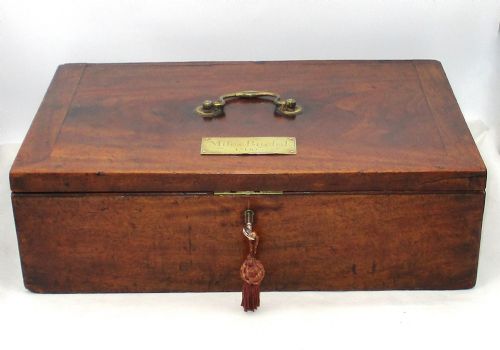
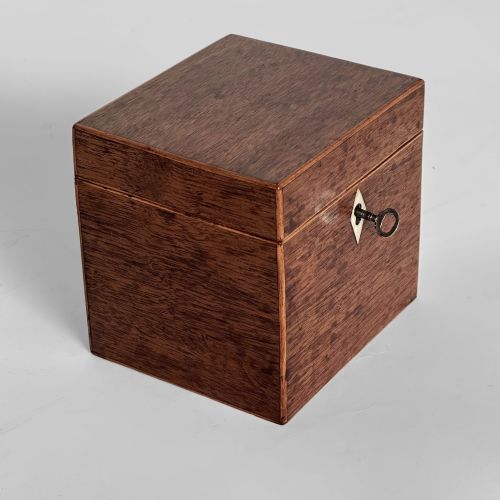
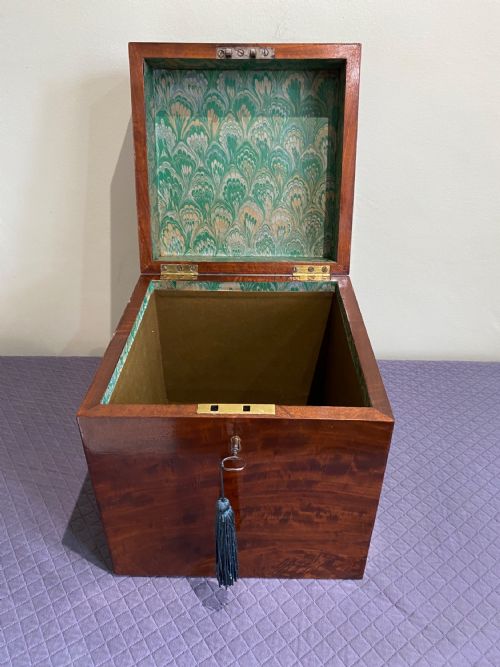
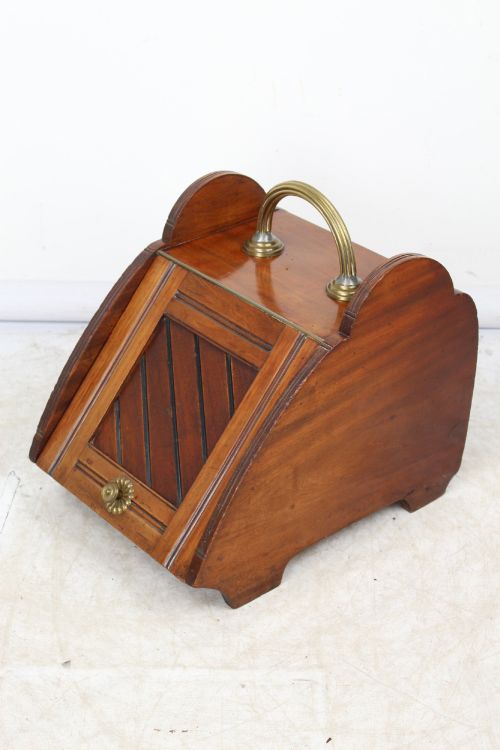
Vintage Mahogany Storage Box
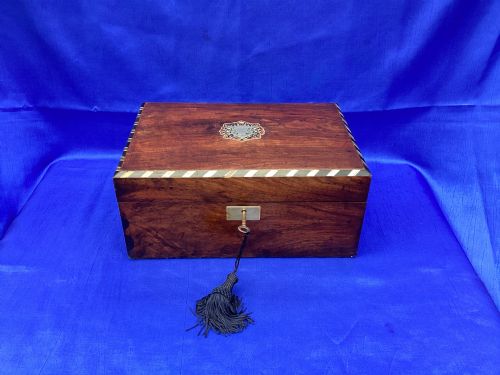
A vintage mahogany storage box provides sturdy, handsome containment for papers, tea, or valuables, built to endure through centuries.
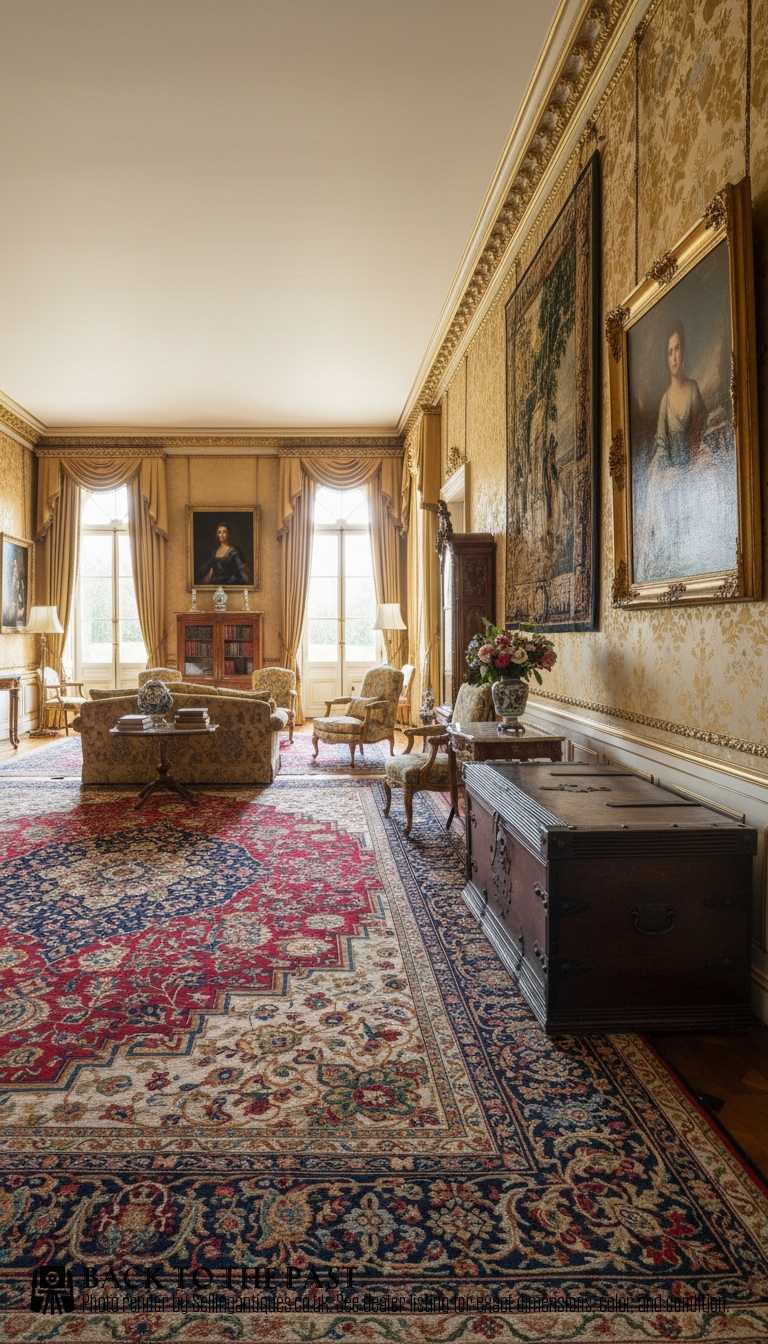
Vintage Mahogany Storage Box
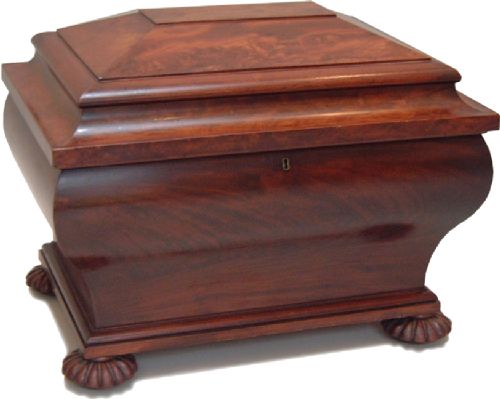
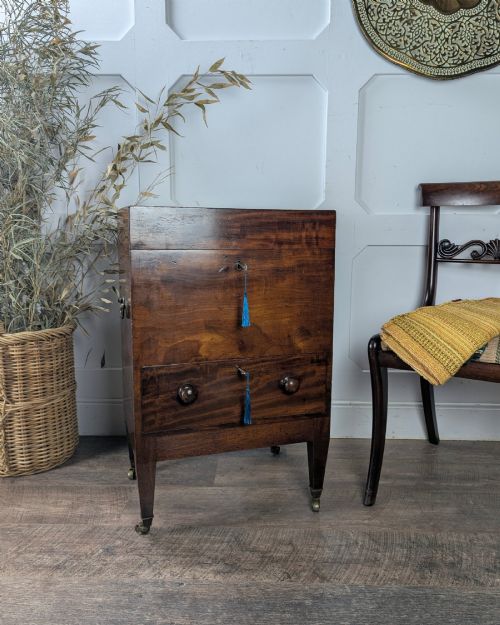
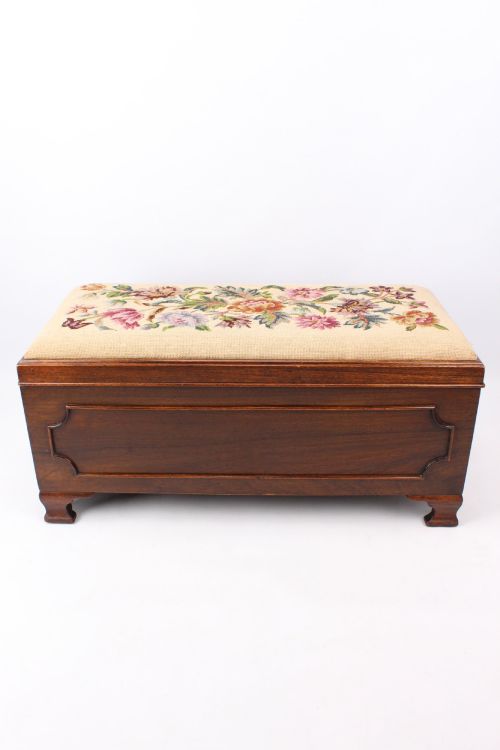
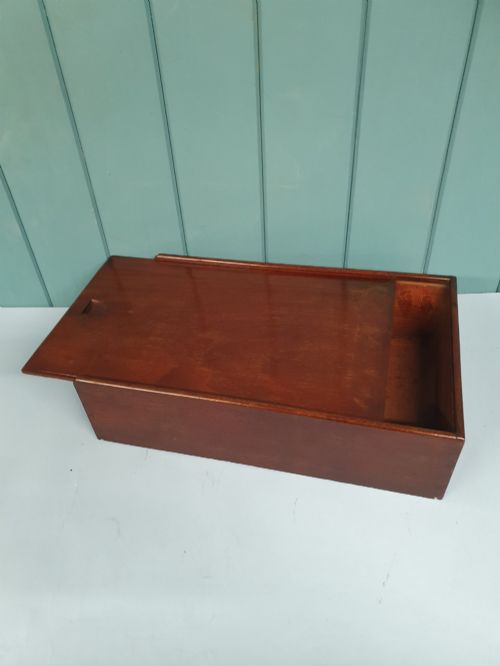
A vintage mahogany storage box encompasses a broad range of vessels designed to organise and protect valuables across domestic and professional spaces. Buyers seeking a vintage mahogany storage box most frequently encounter tea caddies, document cases, and cellarettes originating from the eighteenth and nineteenth centuries.
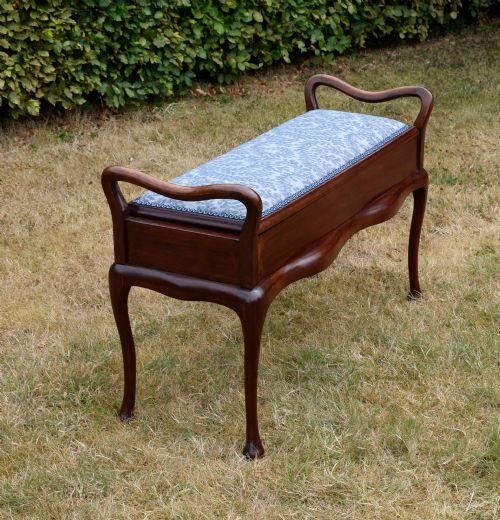
The selection ranges from compact desktop deed boxes to substantial floor-standing cellarettes and musical cabinets. These objects served specific functions in period interiors, from holding dry leaf tea to securing legal documents and apothecary bottles.
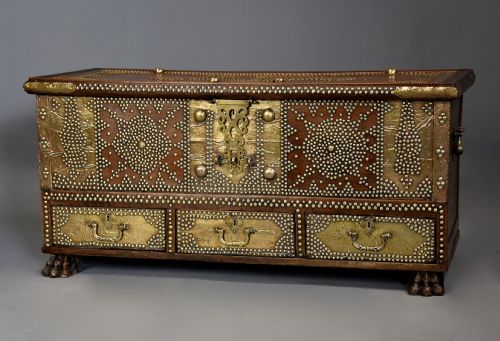
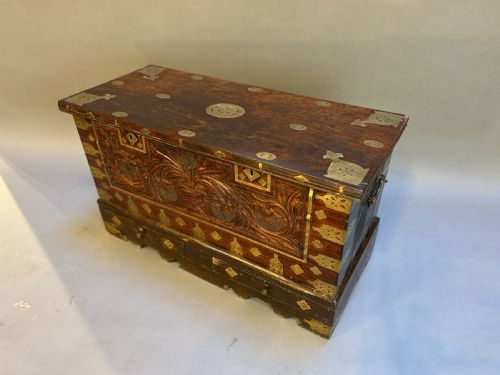
Origins span standard English workshop production to more exotic overseas examples featuring decorative brass stud work or bone details. The form adapts from simple hinged lids to multi-drawer collectors' cabinets designed for microscope slides.
Materials and construction methods
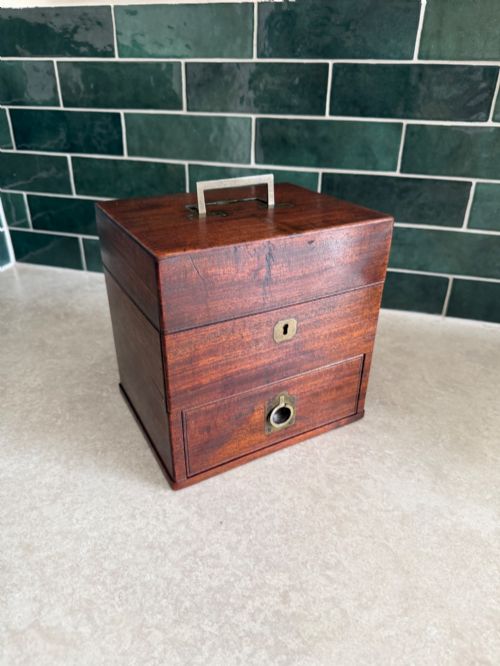
Constructed primarily from solid mahogany or timber faced with flame mahogany veneers, these boxes rely on dense tropical hardwoods for structural integrity. Cabinet makers utilised brass for carrying handles, escutcheons, hinges, and corner reinforcement brackets.
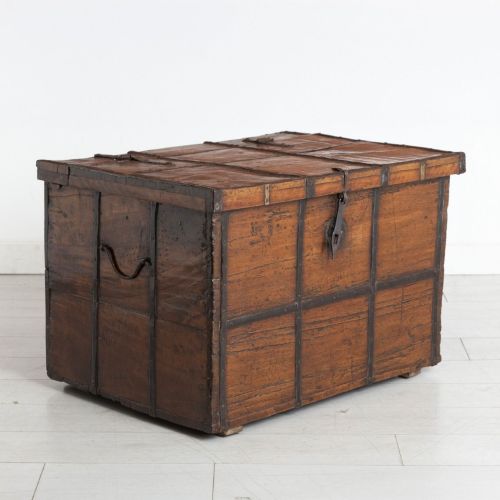
Interiors often incorporate secondary woods alongside fitted glass bottles, bone details, and fabric linings. Iron is occasionally present on heavier trunks and coal scuttles intended for utilitarian household duties.
Book-shaped boxes were cleverly designed to sit on a library shelf while secretly holding snuff or small valuables out of sight.
What distinguishes finer examples
Quality rests upon the selection of timber grain, particularly the use of highly figured flame mahogany veneers on primary display surfaces. Superior pieces demonstrate precise dovetail joinery and well-integrated brass or ebony stringing details.
The sophistication of the internal arrangement dictates value, such as fitted apothecary bottle tiers, secret compartments, or complete sets of original glass and metal accessories.
Holtzapffel and Co·Hallett and Sons·Gillingtons
The Vintage Mahogany Storage Box Glossary
- Cellarette
- A freestanding box or cabinet designed to hold bottles of wine and spirits near the dining table. They frequently incorporate lead-lined interiors or fitted internal dividers.
- Tea caddy
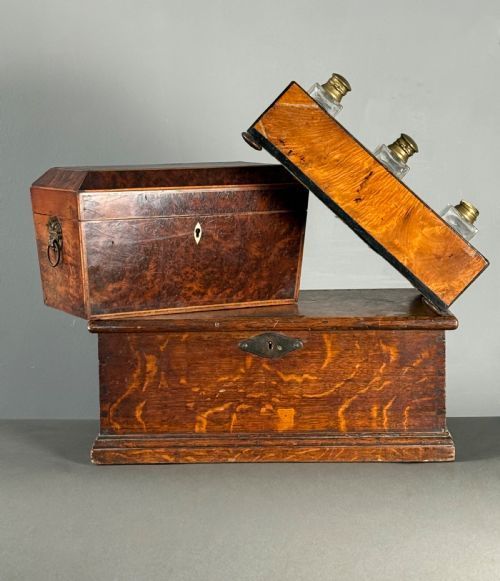
- A small lidded container built to store loose leaf tea safely away from light and moisture. Many include internal compartments and fitted glass mixing bowls.
- Apothecary box
- A portable travelling case fitted with internal pigeonholes and glass bottles for medicines. These boxes feature secure locking mechanisms to protect medical contents.
- Flame mahogany
- A decorative veneer cut from timber where the grain creates a distinctive flickering flame pattern. Cabinet makers reserved this material for the most prominent exterior surfaces.
- Escutcheon
- A flat plate of brass surrounding a keyhole to protect the surrounding wood from wear. They are often cast with decorative borders on period boxes.
Vintage Mahogany Storage Box: Frequently Asked Questions
What were tea caddies used for?
Tea caddies stored expensive loose leaf tea securely under lock and key in Georgian and Victorian households. Servants or masters kept the key to ration the supply.
Interior compartments kept black and green teas separate, sometimes alongside a central mixing bowl for blending leaves.
How do I identify a cellarette?
A cellarette functions as a dedicated wine and spirits storage box, often standing on short legs or resting on the floor. They appear in dining rooms and libraries from the Georgian and Regency periods.
Inside, you typically find partitioned sections or metal linings designed to hold bottles securely in transit or storage.
What is an apothecary box?
An apothecary box is a portable medical chest fitted with numerous small glass bottles, pill tiles, and scales. Doctors and well-to-do travellers used them to carry remedies on journeys.
These boxes feature secure locking lids and secret drawers to conceal dangerous substances or precious instruments.
How are different periods distinguished?
Periods are identified through a combination of timber selection, construction techniques, and decorative hardware styles. Eighteenth-century boxes often display simpler, robust joinery and solid timber construction.
Later Victorian and Regency examples introduce complex veneers, elaborate brass inlay, and cast handles reflecting changing interior fashions.