



18th Century Document Box
An 18th century document box is a sturdy repository for deeds and letters, offering tangible history and practical desktop storage for the modern study.
18th Century Document Box
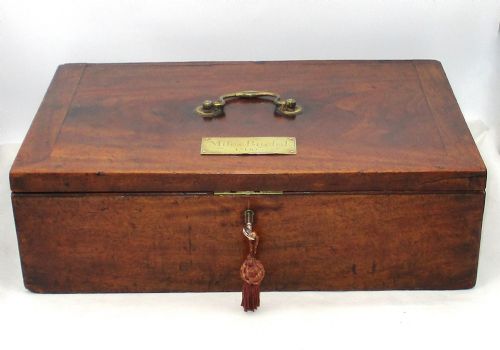
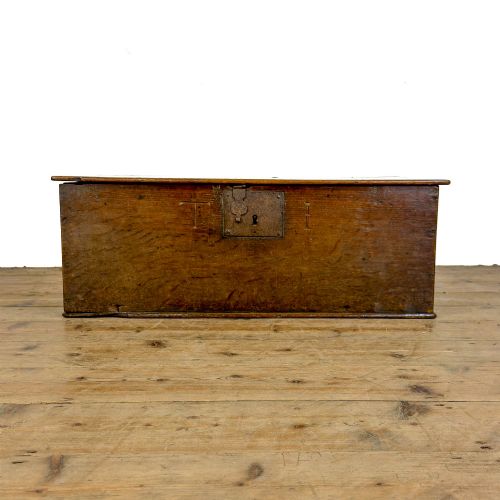
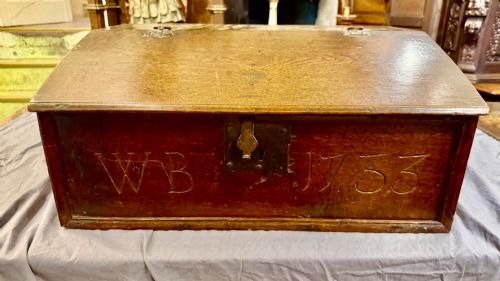
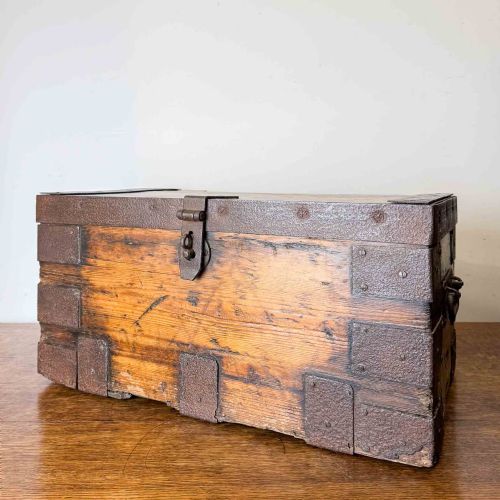
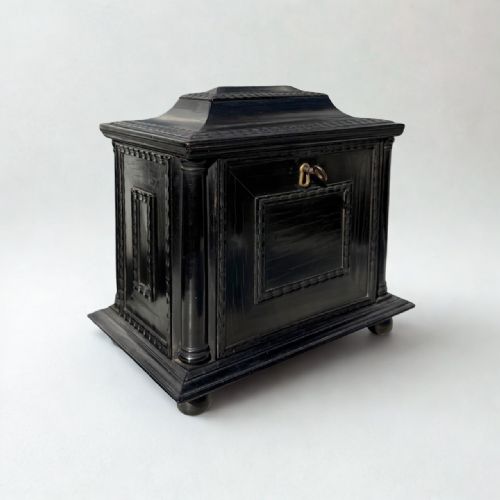
An 18th century document box encompasses a variety of utilitarian receptacles designed to safeguard papers, legal deeds, and personal letters before the general adoption of fitted filing furniture. You will encounter these storage containers fashioned in robust regional timbers as well as finer imported cabinet woods.
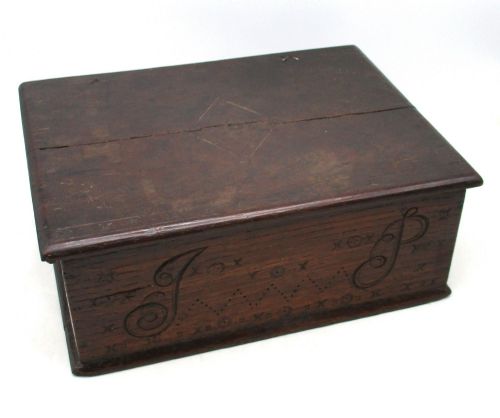
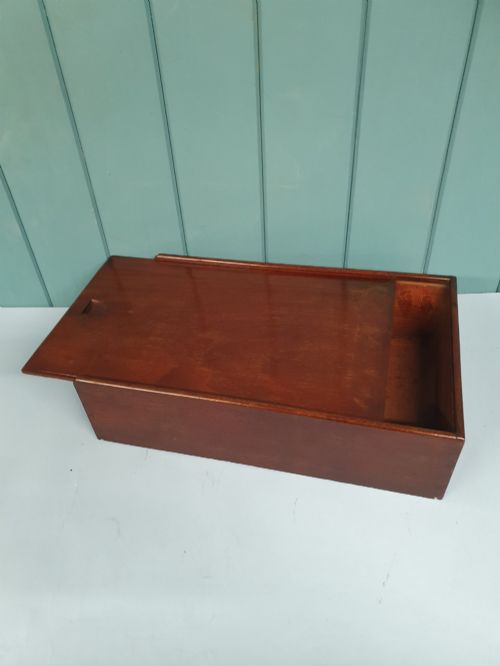
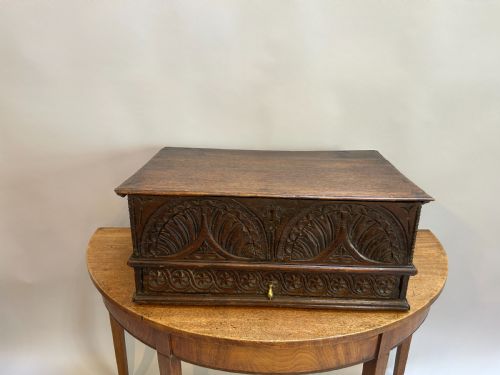
The selections on this page lean heavily toward substantial oak bible boxes, sliding lid deed storage, and mahogany writing slopes from the Georgian era. Makers across England, Wales, and continental Europe constructed these lidded chests to withstand heavy daily use in offices, homes, and administrative buildings.
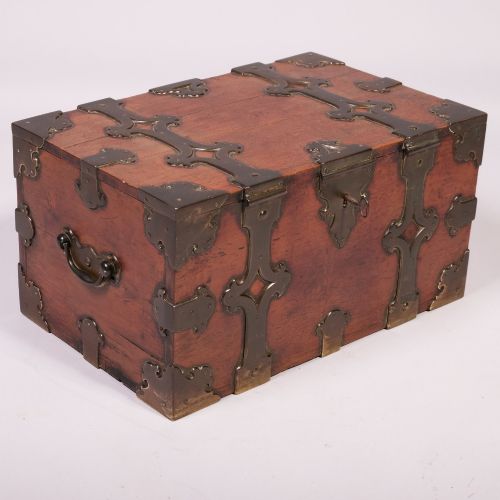
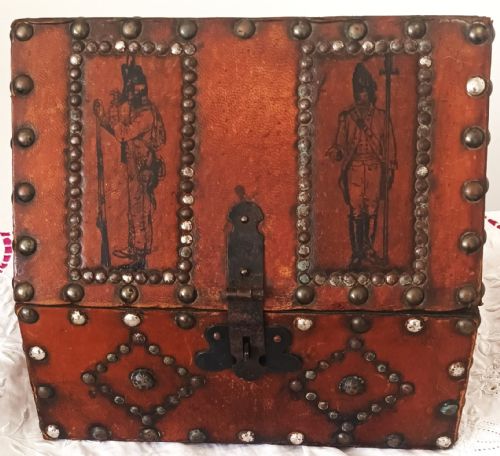
Smaller tabletop formats and miniature chests with internal drawers frequently appear alongside iron-bound strongboxes and camphor caskets. Each variation reflects the specific security needs and writing habits of its original owner, ranging from rustic country workshops to refined urban cabinetmakers.
Materials and Construction
Joiners and cabinetmakers utilised native timbers like oak, elm, pine, and mahogany, frequently selecting quarter-sawn boards to prevent warping over decades of atmospheric change. Construction methods relied on robust dovetail joints, pegged framing, and sturdy iron or brass hinges to secure the heavy lids.
Many examples feature decorative enhancements such as carved friezes, holly and bog oak inlay, or parquetry work executed in ebony. Metal fittings, including wrought iron straps and brass carrying handles, provided essential reinforcement for boxes intended to secure valuable documents.
18th Century Document Box Retail Price Guide 2026
Typical asking prices for 18th century document box among the pieces listed under this phrase on Sellingantiques today, from the lower quarter to the upper quarter. They describe what is for sale here now, not the wider market.
Listings feature oak, mahogany, elm, pine, and rosewood, alongside iron and brass hardware from the 17th, 18th, and 19th centuries.
Evaluating Quality and Character
The distinction between ordinary utility pieces and exceptional examples rests in the selection of timber figure, the crispness of carved detail, and the retention of original hardware. Superior boxes display harmonious proportions, such as carefully balanced mouldings and intact interior compartments or till drawers.
Patina plays a defining role in the evaluation of these containers, where centuries of handling have mellowed the raw wood into a deep, lustrous surface. Alterations to hinges, locks, or feet diminish the integrity of the piece, whereas undisturbed surfaces and working original keys elevate the historical value.
The 18th Century Document Box Glossary
- Bible box
- A sloping-lidded wooden box originally intended to hold a family bible, frequently adapted for general correspondence and legal papers.
- Writing slope
- A portable desk featuring an angled lid that folds down to provide a slanted writing surface, often fitted with internal compartments for ink and pens.
- Parquetry
- A geometric mosaic of wood pieces used for decorative veneer on cabinet furniture and caskets.
- Till
- A small internal compartment or drawer built into the interior of a box for storing coins, stamps, or keys.
- Patina
- The surface sheen and softening of edges developed by wood through age, handling, and regular waxing.
- Strongbox
- A heavily reinforced chest constructed with iron straps or bound in metal to protect valuables from theft and fire.
18th Century Document Box: Frequently Asked Questions
What is an 18th century document box?
These pieces are portable wooden containers built to secure letters, legal deeds, and household accounts prior to the widespread use of filing cabinets.
Craftspeople built them with sturdy lids and sometimes internal compartments to keep important papers organised and protected from moisture or theft.
How were these boxes used?
Owners placed them on tables or desks to store personal correspondence, financial records, and valuable family documents securely within the home.
Some variants served specialised functions, such as holding family bibles or acting as portable writing desks for travellers and professionals.
Where were document boxes placed?
They sat on library tables, sideboards, or designated writing desks in the principal rooms of Georgian houses and offices.
Because they were portable, owners easily moved them between chambers depending on where administrative work took place.
How do I care for antique wood?
Keep the boxes away from direct heat sources and dramatic humidity fluctuations to prevent the timber from splitting or warping.
Apply a traditional beeswax polish occasionally to maintain the surface sheen and nourish the dry grain of the antique wood.