
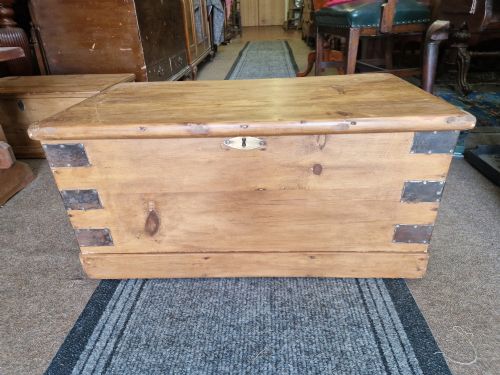
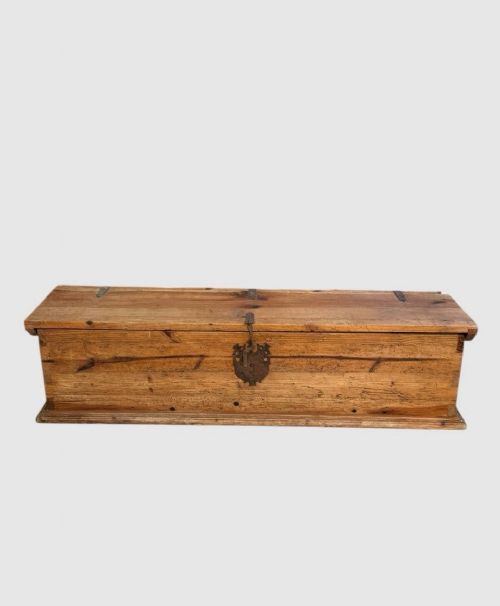
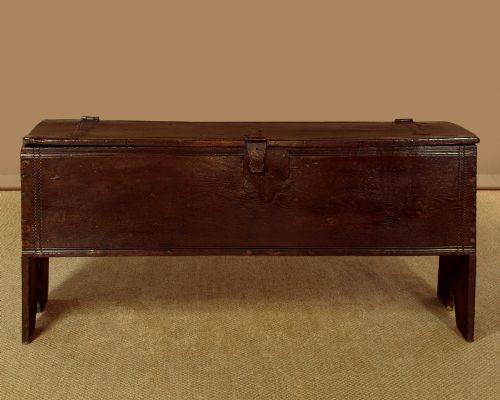
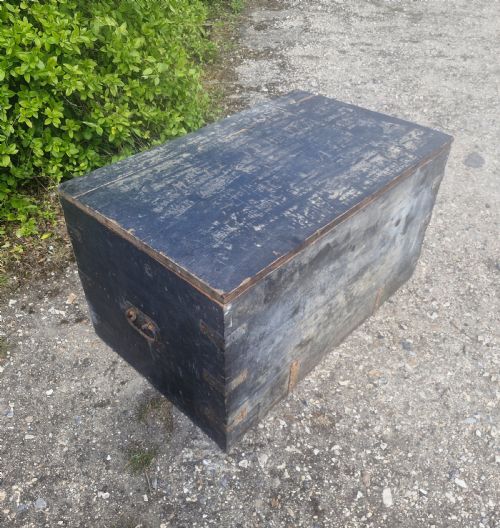
Iron Bound Storage Box
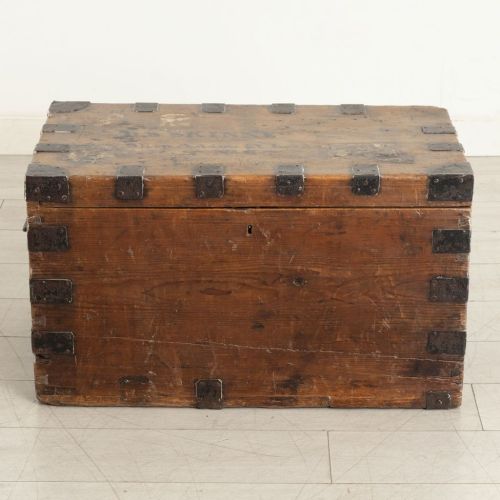
An iron bound storage box is a sturdy timber chest reinforced with metal straps, built to protect belongings through travel and time.
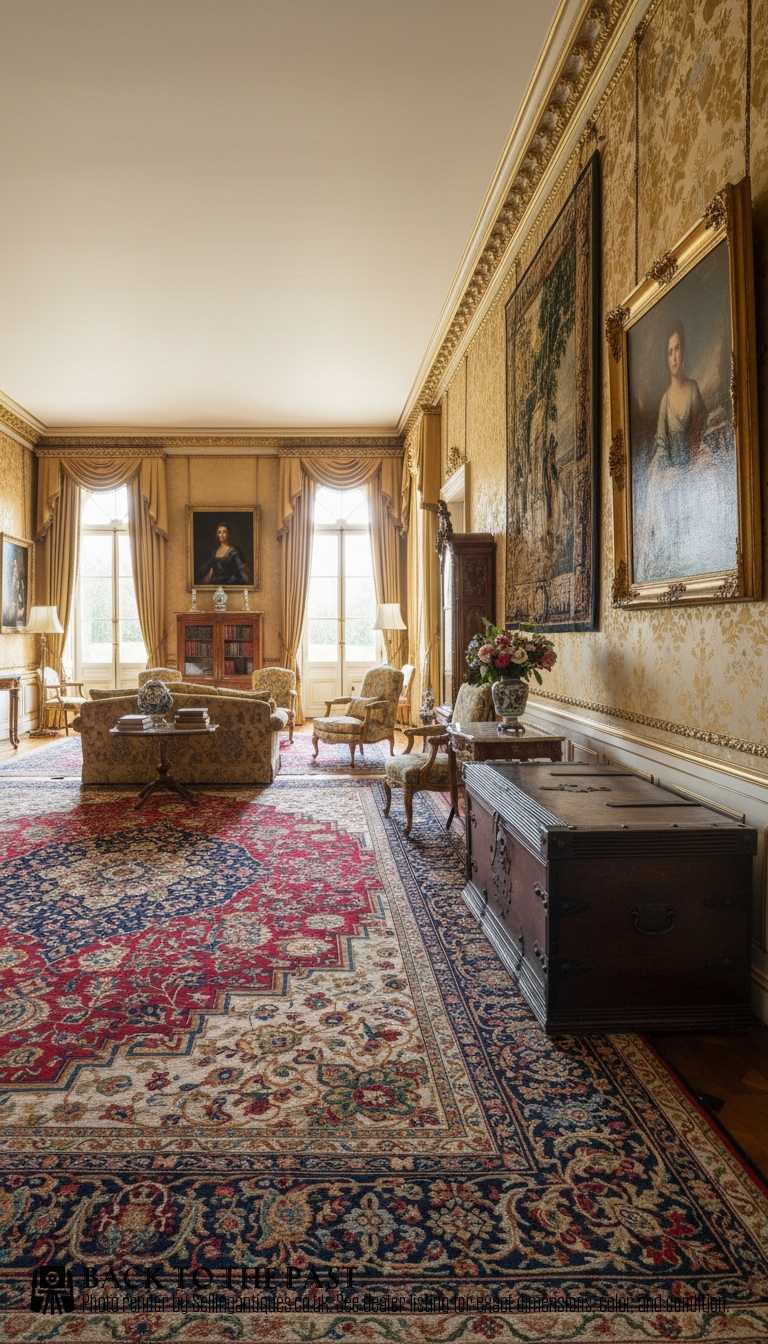
Iron Bound Storage Box
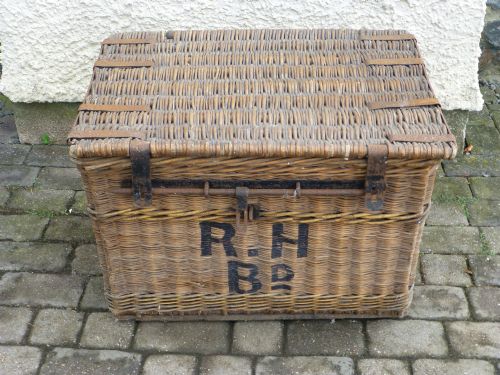
When searching for an iron bound storage box, buyers encounter heavy timber receptacles shaped by domestic utility and military transport.
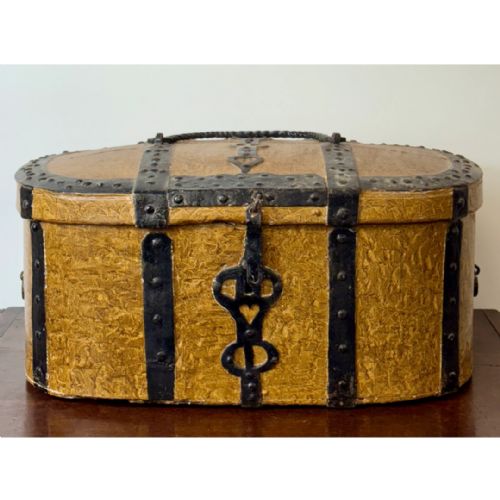
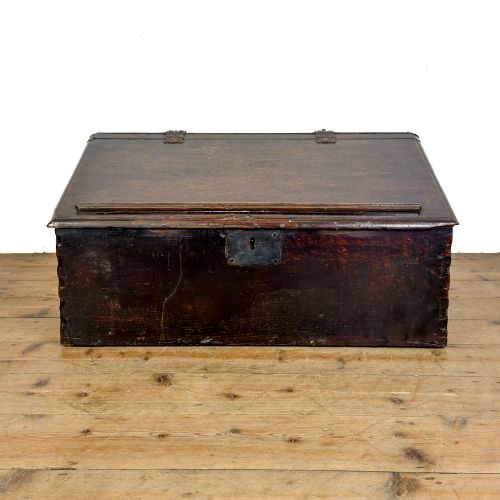
The selections span the eighteenth and nineteenth centuries, including Victorian travelling trunks, Georgian oak chests, and Scandinavian folk art boxes.
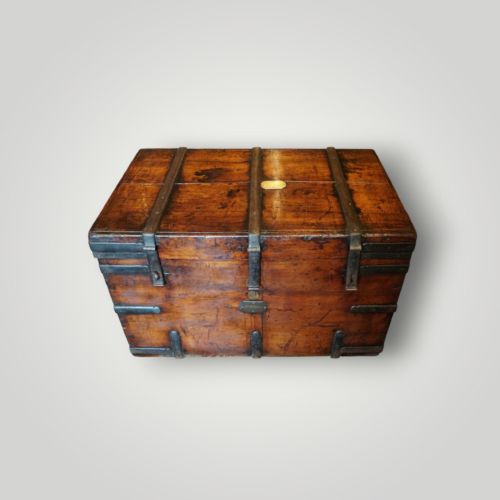
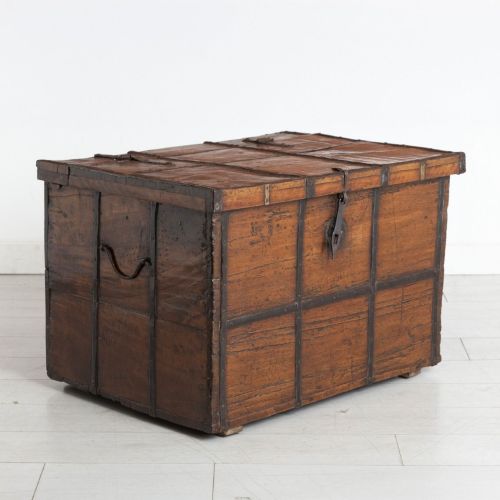
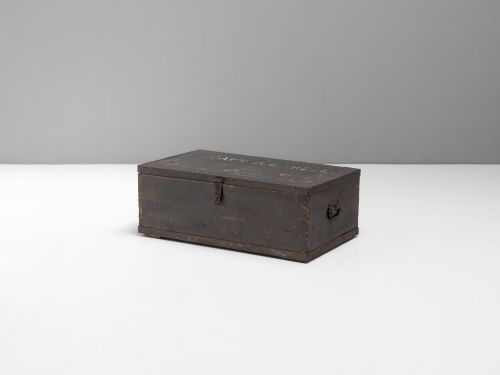
Common forms range from dome top strongboxes to long sword chests and military campaign cases designed for movement.
Materials and construction
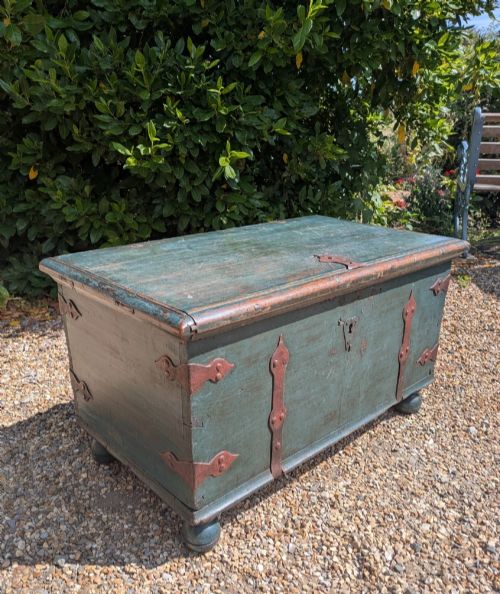
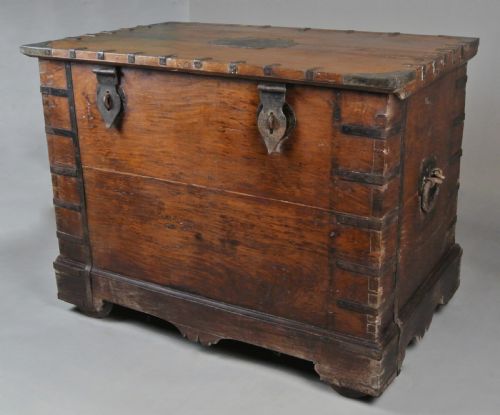
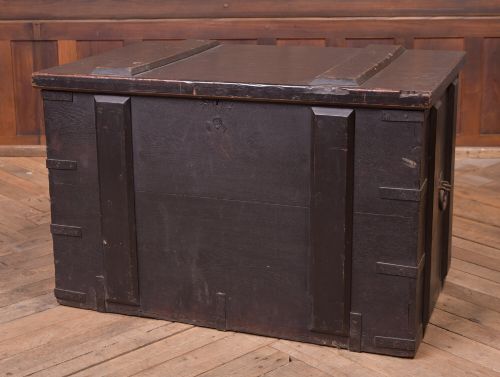
Carpenters constructed these pieces primarily from sturdy woods like pine, oak, mahogany, and teak, often reinforced with hand-forged iron strapwork and brass fittings.
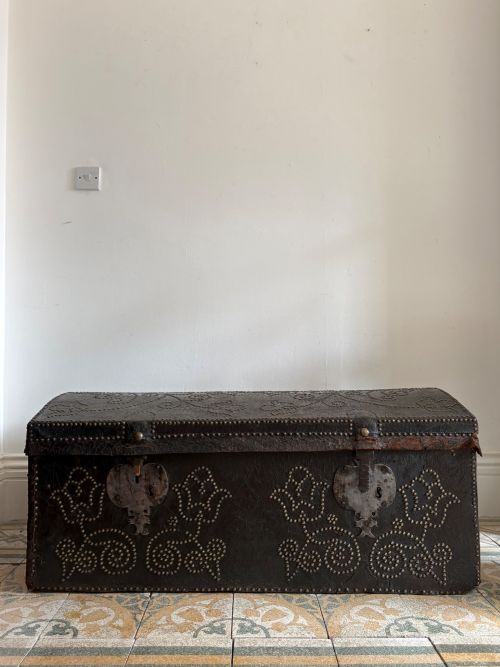
Smiths hammered and shaped iron bands to secure corners and lids, providing structural strength alongside decorative leather studding and painted finishes.
Some trunks bear the names of Waterloo commissariat generals and colonial regiments, having crossed oceans before settling in modern living rooms.
Build and integrity
Quality rests in the substance of the timber and the integrity of the ironwork, distinguishing robust joinery from lighter decorative alternatives.
Original surface treatments, such as folk art paintwork or patinated hide, elevate pieces beyond utilitarian storage into exceptional examples of period craftsmanship.
Seabrook of St.Pauls
The Iron Bound Storage Box Glossary
- Strapwork
- Metal bands crossing a wooden surface. These strips of iron provide structural reinforcement to the lid and sides of a chest.
- Strongbox
- A secure container for valuables. These heavy boxes utilise thick timber and iron locks to protect money and silver.
- Campaign chest
- Modular furniture built for travel. Officers and regiments used these dismantling boxes during military expeditions.
Iron Bound Storage Box: Frequently Asked Questions
What are iron bound storage boxes?
These pieces are timber trunks and chests reinforced with metal bands, constructed to secure and transport belongings.
They serve as heavy-duty receptacles originating from domestic households, military campaigns, and Scandinavian folk traditions.
How were these boxes used originally?
Owners utilised them for moving possessions across land and sea, storing silver, blankets, and personal documents.
Military officers carried campaign versions on expeditions, while families kept dowry chests for household linens.
How do I live with an iron bound box?
Position the chest as a coffee table in a living room or place it at the foot of a bed for spare blankets.
The sturdy flat top provides functional surface area while the interior conceals everyday clutter.
How can I tell the periods apart?
Earlier eighteenth-century pieces often display hand-forged iron strapwork on oak or painted pine with folk art motifs.
Victorian and mid-nineteenth-century examples frequently incorporate standardised metal hardware, brass corners, and campaign handles.