





Iron Strapped Coffer
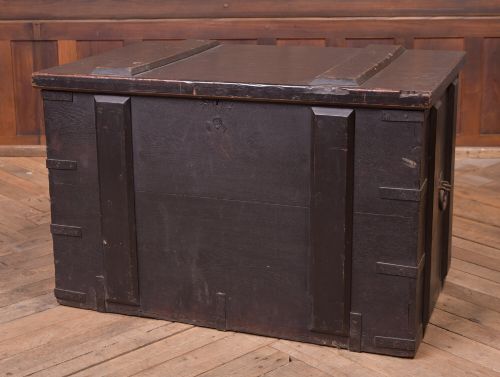
An iron strapped coffer is a heavy utility chest strengthened with metal bands, offering robust storage with genuine historical character.
Iron Strapped Coffer
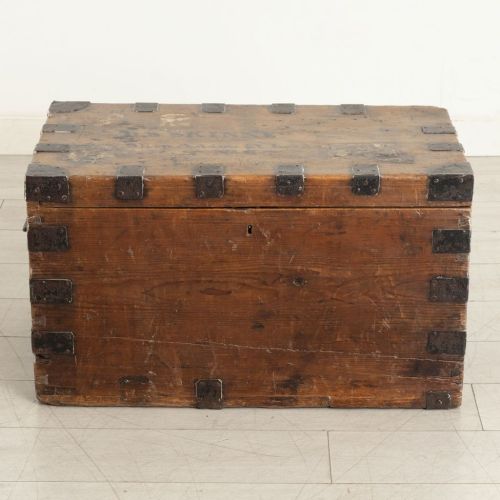
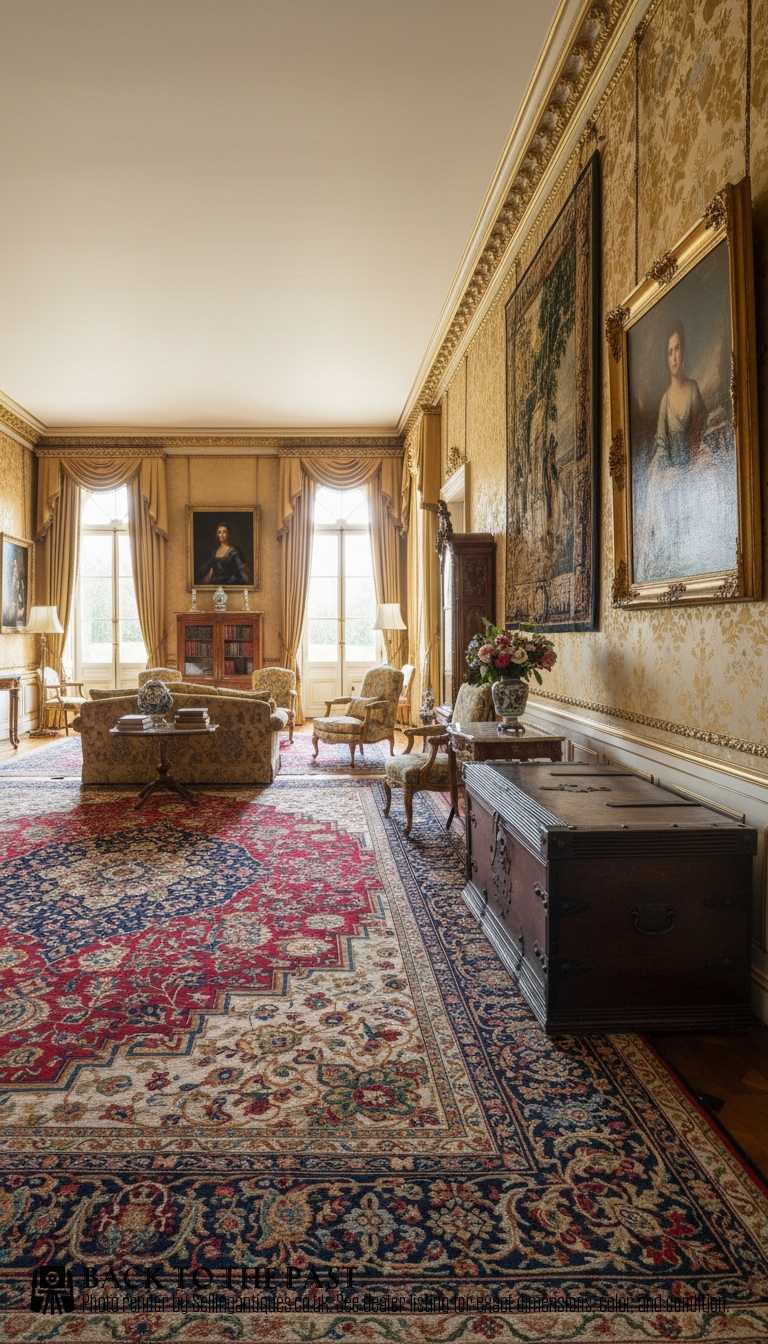
An iron strapped coffer brings together timber construction and stout metal reinforcement designed for secure transport and storage. You will frequently find pine, oak, and teak versions originating from domestic British workshops, Scandinavian maker traditions, and colonial trade routes.
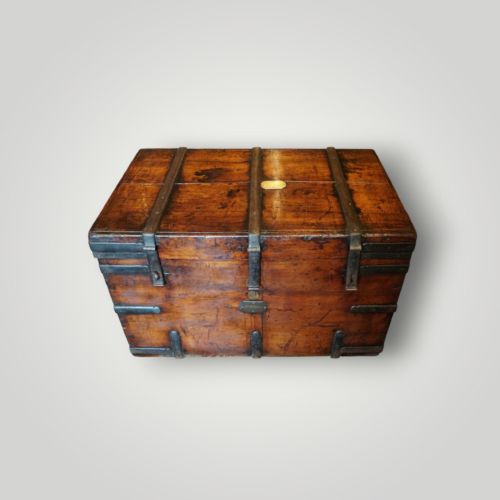
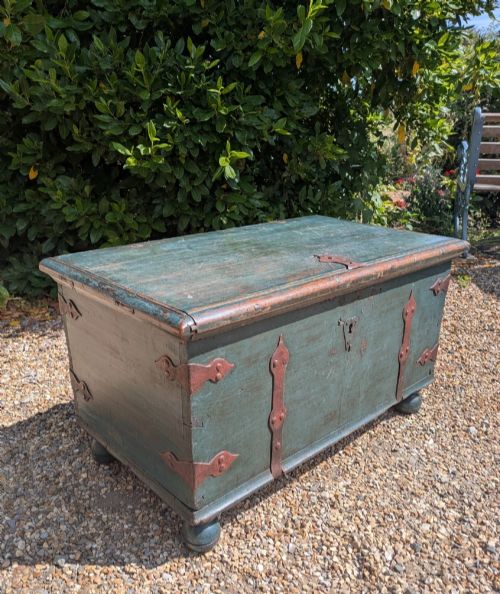
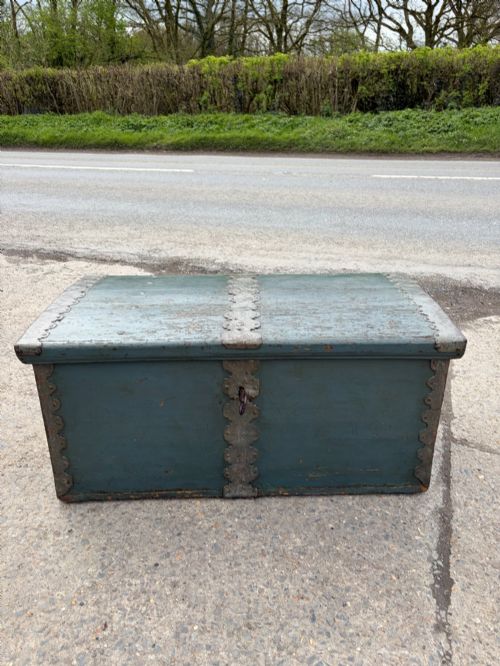
The selection ranges from dome-topped Swedish travel trunks and painted marriage boxes to heavy oak silver chests fitted for the carriage of valuables. These pieces served practical roles in domestic households, military campaigns, and long-distance shipping before entering the collector market.

How They Were Made
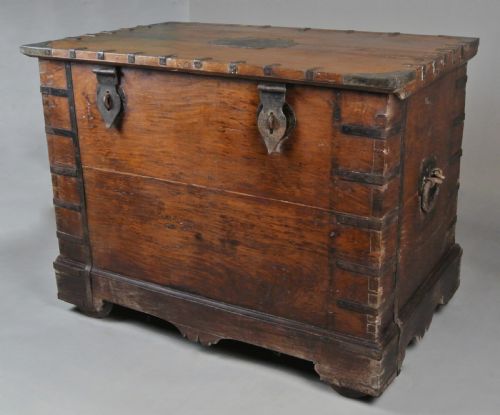
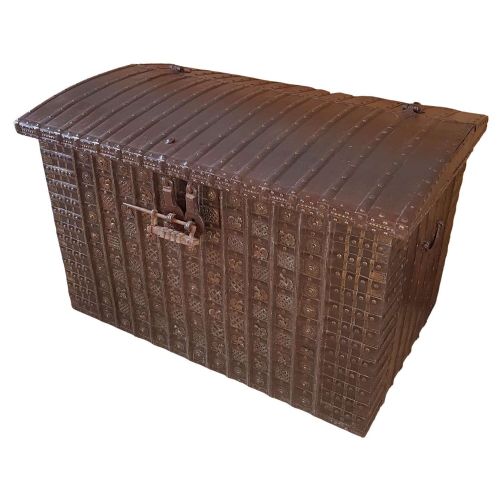
Joinery relied on solid timber boards of pine, oak, walnut, or exotic hardwoods secured by dovetailed or pinned corners. Hand-forged iron straps, hinges, and hasps were then applied across the exterior to reinforce the carcass against the rigours of travel.
Makers often incorporated brass drop handles, internal compartments, and complex iron locks to protect the contents. Surface finishes varied widely from original paint and dark wax polishes to the bare grain of structural woods.
Current listings span periods from the sixteenth century through the Edwardian era, utilising pine, oak, teak, and wrought iron.
What Varies in Quality
Quality rests upon the integrity of the original construction and the survival of authentic surface treatments. Pieces retaining their primary forged ironwork, working locks, and untouched painted or polished finishes command greater interest than heavily restored examples.
The sophistication of the timber selection and the execution of the strapwork distinguish standard utilitarian boxes from bespoke silver chests and regional folk art marriage coffers.
Elkington·Sir Randolph Isham Routh
The Iron Strapped Coffer Glossary
- Coffer
- A heavy wooden chest used for storing valuables, often reinforced with metal bands. These sturdy containers served both domestic and travel purposes.
- Strapwork
- Decorative or reinforcing bands of iron or other metals applied across the exterior of a box or chest. This metalwork provides structural rigidity while adding visual contrast.
- Silver chest
- A specialised storage trunk lined to protect domestic silverware during transport or storage. They frequently feature fitted interior trays and robust oak construction.
- Dome top
- A curved lid profile designed to shed water during travel and increase internal storage capacity. This form appears frequently on Scandinavian and domestic trunks.
- Marriage box
- A decorated regional chest presented to mark a wedding. These pieces often display folk art painting or specific regional motifs.
Iron Strapped Coffer: Frequently Asked Questions
What were iron strapped coffers used for?
These chests served primarily for the secure storage and transport of valuable personal possessions, household silver, and legal documents. Their robust construction protected contents from theft, dampness, and the heavy impacts associated with stagecoach and ship travel.
Over time, many transitioned from active travel utility to static household storage, holding blankets, dowry goods, and family archives in domestic settings.
How do I care for an iron strapped coffer?
Maintain the wood and metal elements by keeping the piece away from direct heat sources and sudden humidity changes, which can cause timber to split and iron to oxidise. A light application of microcrystalline wax preserves both dry pine or oak surfaces and exposed metal straps without attracting dust.
Avoid harsh chemical cleaners on painted or waxed finishes to protect the original surface patination accumulated over the centuries.
How can I tell the age of a coffer?
Age is determined by examining the construction methods, tool marks on the timber, and the style of the ironwork and locks. Hand-forged straps, early dovetailing, and original paint or surface patination point towards earlier periods like the eighteenth century, whereas later Victorian examples often show machine-sawn timber and standardised hardware.
Examining internal hinges, lining fragments, and any historical transport labels also helps narrow down the manufacturing window.
Where were these coffers made?
The listings demonstrate a diverse geographic range spanning British workshops, Scandinavian rural communities, and colonial trade regions including India. Domestic pieces often utilised native oak and pine, while Scandinavian makers produced painted softwood dome-top boxes.
Colonial pieces frequently incorporated dense hardwoods such as teak and ironbound construction suited to long-distance maritime transport.