



Iron Bound Oak Trunk
An iron bound oak trunk brings together heavy metal strapwork and durable timber, built to secure valuables through centuries of travel and domestic storage.
Iron Bound Oak Trunk
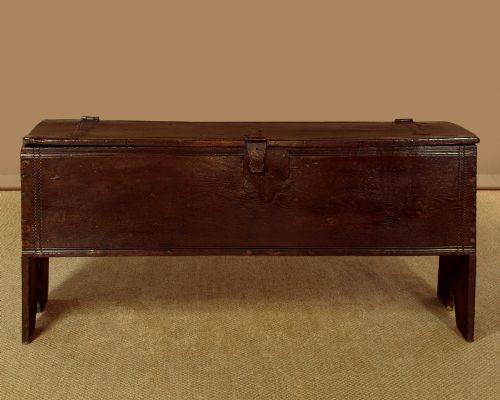
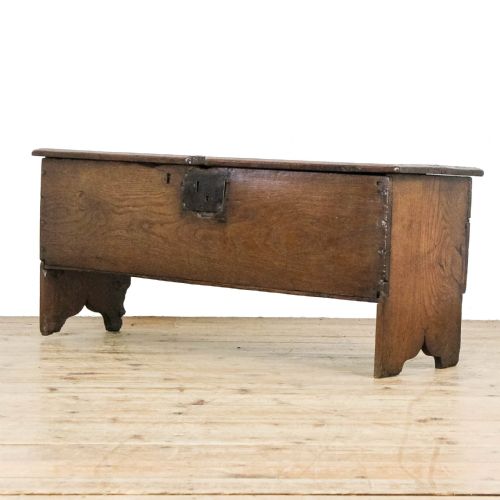
When you search for an iron bound oak trunk, you encounter robust storage pieces constructed primarily from timber and banded with metal for strength. The examples on this page span several centuries, with Victorian silver chests and dome top forms appearing alongside earlier 17th and 18th century sword chests and strong boxes.
The versions most commonly met here are heavy Victorian silver chests and travel trunks, frequently fitted with reinforced corners and drop handles. These utilitarian pieces originate from country houses, military campaigns and merchant shipping, where security and durability were essential requirements.
Materials and construction methods
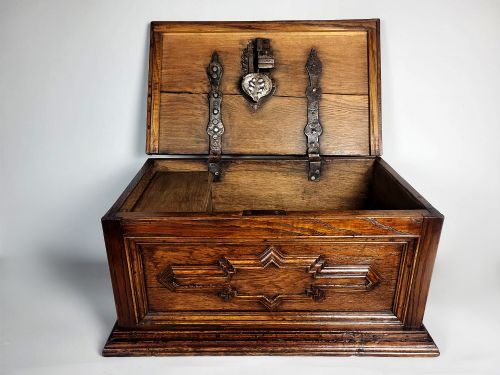
Construction relies upon solid oak timbers joined to form deep rectangular or dome top bodies, reinforced extensively with iron, steel or brass strapping. Blacksmiths and metalworkers secured these heavy bands with numerous hand-forged or cast rivets, binding the corners and lids to withstand rigorous transport.
Surface treatments vary from natural waxed oak and painted finishes to complex internal linings of cloth or paper. Many surviving items incorporate sophisticated steel locks, sometimes operated by intricate mechanisms requiring specialised keys.
Listings feature oak trunks spanning the 16th century through to the Edwardian era, incorporating painted pine and chestnut alongside iron, brass and steel.
Evaluating the standard of a trunk
Quality rests upon the integrity of the original metalwork and the preservation of the oak timber beneath. Pieces featuring hand-forged straps, complete working locks with original keys, and untouched internal fittings command greater interest than heavily altered examples.
The sophistication of the internal compartments, such as fitted lift-out trays and compartmentalized silver storage, distinguishes standard domestic containers from high-grade merchant or military trunks.
H D Dean
The Iron Bound Oak Trunk Glossary
- Silver chest
- A heavy storage box specifically designed and internally partitioned to hold family silver. These pieces usually feature sturdy iron banding and robust carrying handles for transport.
- Dome top
- A curved lid construction designed to shed water during travel. This older form allows for greater internal storage capacity beneath the arched roof.
- Campaign trunk
- A portable storage box made for military officers on the move. Such pieces typically incorporate recessed brass handles and reinforced corners to endure rough handling.
- Coffer
- A traditional heavy chest with a lid, used primarily for storing valuables or documents before dedicated wardrobes became common. Early examples often display elaborate iron strapwork.
- Strong box
- A compact, highly secure container fitted with an intricate lock. These small receptacles were utilised for holding currency, deeds and precious items.
Iron Bound Oak Trunk: Frequently Asked Questions
What were iron bound oak trunks used for?
These trunks served as secure receptacles for transporting and storing valuable possessions, silver collections, and documents. Their heavy metal strapping protected the contents against theft and the rigours of travel.
Wealthy households relied upon them for seasonal packing, while military officers and merchants utilised them on long journeys across land and sea.
How do I date an iron bound oak trunk?
Dating relies upon examining the construction techniques of both the woodwork and the metal fixings. Hand-forged iron strapwork and dovetail joints generally point toward earlier 17th and 18th century origins.
Later Victorian examples often display machine-rolled steel bands, cast iron brackets, and standardised brass hardware associated with industrial production.
Are the locks usually in working order?
Many surviving trunks retain their original complex steel or brass locks, though some require professional attention or replacement keys to function properly. Internal locking mechanisms on these pieces were often remarkably intricate for their time.
Lock quality generally reflects the value of the items the trunk was originally built to safeguard.
How do I fit a trunk into a modern interior?
An antique trunk works well as a practical coffee table in a living room, offering substantial internal storage for blankets or books. Its flat top surface accommodates lamps and decorative objects.
Placing one at the foot of a bed provides functional bedroom storage while introducing rich timber textures and patinated metal detail to the space.