
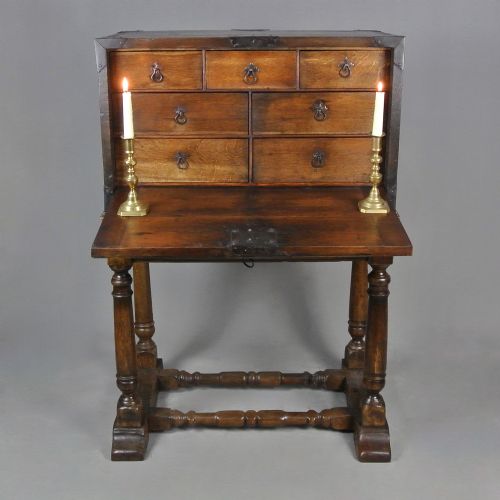
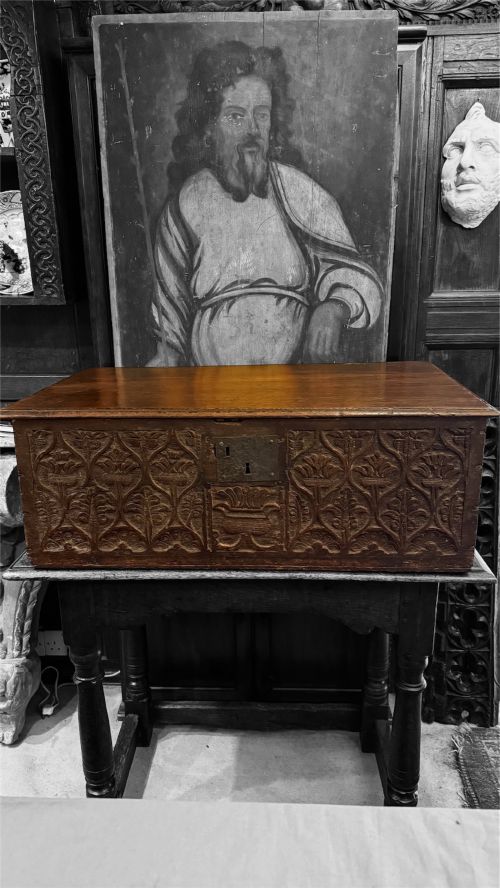
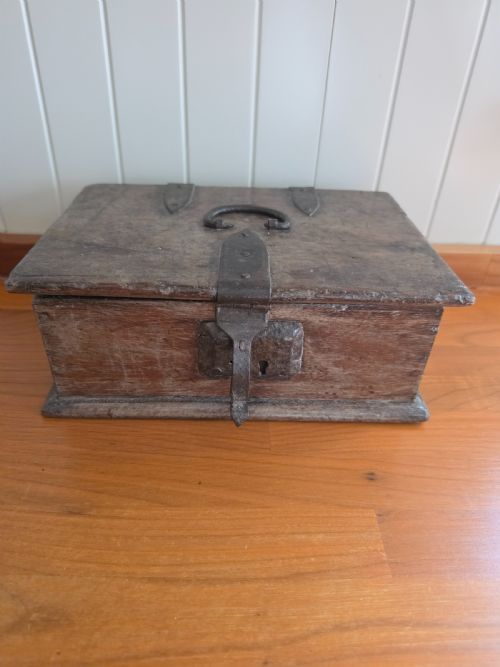


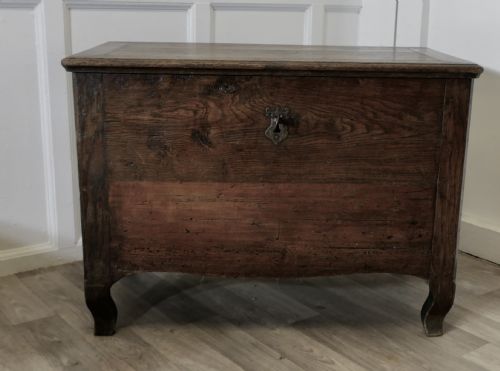


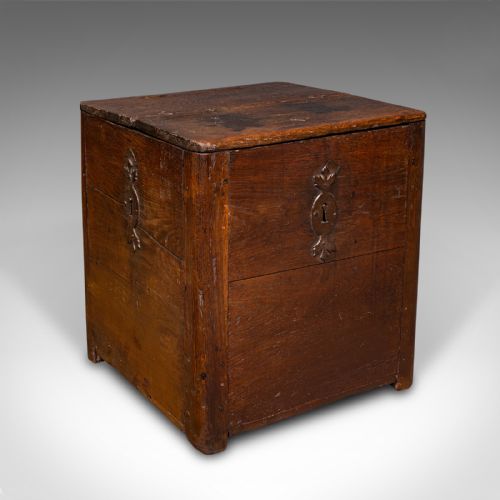
Dark Oak Strongbox
These dark oak strongbox pieces are sturdy timber containers built for secure storage, offering robust construction and enduring historical utility for any collector.
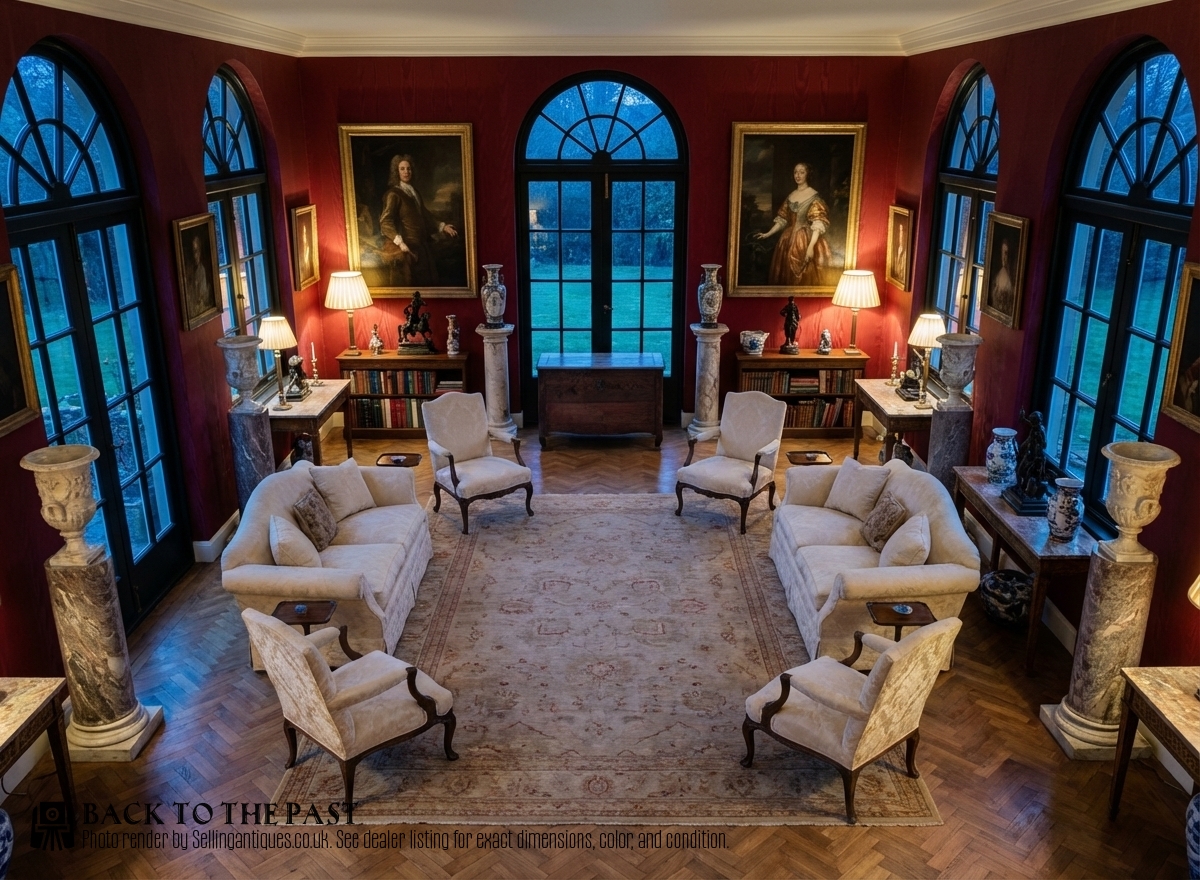
Dark Oak Strongbox
When you search for a dark oak strongbox, you encounter heavy timber security chests and travelling boxes primarily originating from the seventeenth, eighteenth, and nineteenth centuries. These pieces serve as secure repositories for documents, silver, and valuables, reflecting domestic and institutional need for protection.
The selections on this page encompass various forms including document boxes, small travelling strongboxes, silver chests, and French coffers. Examples span multiple regional styles such as Charles II, Jacobean, Gothic, and Early Georgian aesthetics.
Most items rely on solid oak construction, though chestnut and mixed timbers occasionally appear alongside extensive iron and steel reinforcement. Formations range from compact bible boxes to large carriage strongboxes equipped with complex internal locking mechanisms.
How they were made
Maker construction relies heavily on solid oak boards joined to create rigid frames capable of housing heavy contents. Iron and wrought iron bands, straps, and hinges are fastened to the exterior to reinforce the timber against forced entry.
Security relies upon complex steel locks integrated directly into the lid or interior mechanisms, often accompanied by brass hardware. Certain regional variations incorporate detailed Gothic carving directly into the chestnut or oak panels.
Listings feature oak, chestnut, iron, and brass across seventeenth, eighteenth, and nineteenth-century periods.
What varies in quality
Quality separates simple timber storage from high-grade security work through the complexity and originality of the locking mechanism. Boxes retaining their original complex steel locks and corresponding keys hold greater historical significance.
The integrity of the iron banding and the degree of hand-forged metalwork dictate the overall calibre of the piece. Finer examples maintain untouched surface patination on the timber alongside robust structural joinery.
The Dark Oak Strongbox Glossary
- Strongbox
- A heavily reinforced security chest designed to protect valuable items from theft or fire. These containers typically feature iron banding and intricate locks.
- Coffer
- A timber chest traditionally used for storing valuables, often featuring a hinged lid and robust construction. French and English variants demonstrate distinct regional carving traditions.
- Silver chest
- A specialised storage box lined to protect heavy silverware and plate. Nineteenth-century iterations frequently feature iron bindings and retailer plaques.
- Wrought iron
- Iron that is heated and shaped with tools by a blacksmith, producing durable straps and hinges. This material is essential for reinforcing the exterior of security boxes.
- Document box
- A compact storage container built for letters, deeds, and vital papers. Many seventeenth-century versions feature sloped or flat lids with internal compartments.
Dark Oak Strongbox: Frequently Asked Questions
What were dark oak strongboxes used for?
These boxes secured precious metals, legal documents, currency, and family valuables in domestic and travel settings.
Their robust timber walls and metal bands deterred theft while keeping contents safe from moisture and dust during transport.
How do I date an oak strongbox?
Dating relies on examining the construction methods, such as hand-cut joints, timber species like oak or chestnut, and the style of ironwork.
Hardware design, including the complexity of the steel lock and hinges, provides clear indicators of period manufacture.
Are original locks common on these boxes?
Original locks appear on select pieces, though many historical security boxes received replacement mechanisms over centuries of active use.
Complex internal steel locks that remain intact significantly enhance the historical interest of the box.
How should I care for a historic strongbox?
Maintain stable indoor humidity levels and apply appropriate wax sparingly to preserve the dry historic timber surface.
Avoid exposing iron bands to moisture to prevent rust formation on the structural metalwork.