






Wooden Strong Box
A wooden strong box provides secure storage for valuables, combining heavy timber construction with elaborate iron locking mechanisms.
Wooden Strong Box
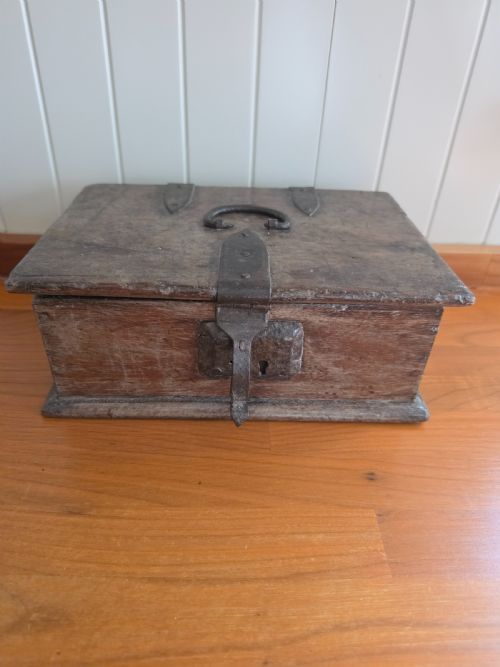
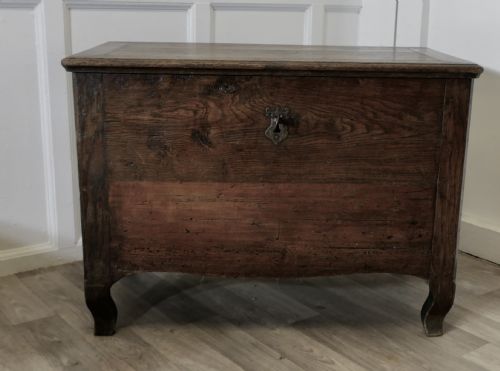
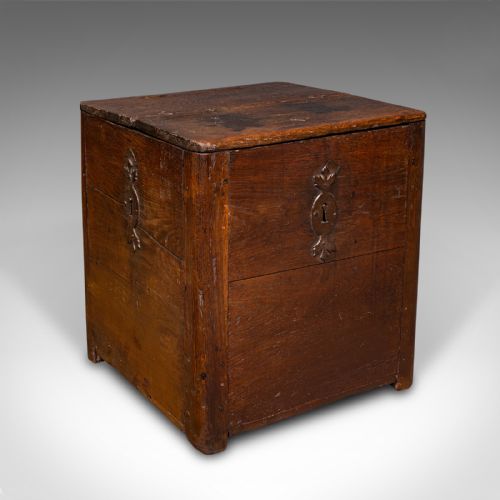
A wooden strong box is a robust chest designed to secure valuables, money or documents against theft and fire. The pieces seen here span from the sixteenth century through the nineteenth century, reflecting various regional domestic and travel requirements.
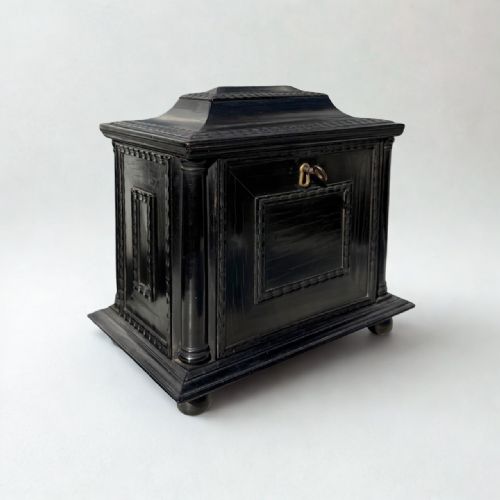
Most examples on this page date to the nineteenth century, frequently originating from Scandinavian workshops where pine and oak were shaped into painted rural storage chests. Alongside these are earlier continental pieces including seventeenth-century German and Flemish examples utilising exotic woods and marquetry.
Formations range from small table caskets to large floor-standing coffers and mail carriage chests. These objects combine utilitarian security functions with regional decorative traditions, displaying painted surfaces, wrought iron straps or intricate parquetry.
How they were made
Construction relies on solid timbers such as oak, pine and padouk, joined to withstand heavy use and secure interior mechanisms. Wood selection depends on origin, with northern European makers employing local pine and oak while colonial workshops utilise dense tropical woods like ebony.
Some nineteenth-century Scandinavian strong boxes were painted green, proving that rural security could still match the living room decor.
What varies in quality
The sophistication of the internal locking mechanism and the preservation of original ironwork distinguish finer examples from standard utilitarian boxes. Original mounted brass or wrought iron hardware that remains intact adds significantly to the integrity of the piece.
Surface preservation defines the visual standard, particularly the survival of original paint on Scandinavian folk art pieces or the precise execution of parquetry and marquetry on continental caskets. The choice of materials, from basic pine to imported padouk and ebony, marks the distinction between vernacular rural items and high-status export goods.
The Wooden Strong Box Glossary
- Coffre fort
- A French term for a strong box or safe chest, usually denoting an armoured or heavily reinforced security container. These pieces often feature complex internal locking mechanisms.
- Parquetry
- A geometric mosaic of wood pieces used for decorative ornamentation on furniture and boxes. Artisans arrange contrasting timbers like ebony to create patterns.
- Marquetry
- The art and craft of applying pieces of veneer to a structure to form decorative designs. German and Flemish workshops utilised this technique on seventeenth-century caskets.
- Casket
- A small ornamental box or chest used for holding jewellery, valuables or documents. These objects often feature fine metal mounts and internal divisions.
- Wrought iron
- Iron that has been heated and shaped with hand tools by a blacksmith. This material provides the robust strapwork and hinges found on strong boxes.
Wooden Strong Box: Frequently Asked Questions
How are wooden strong boxes different from regular chests?
A wooden strong box incorporates heavy iron or brass reinforcement, complex internal locking mechanisms and thick timber walls designed specifically for security rather than general household storage.
Regular chests typically focus on capacity and ease of access for garments or linens, whereas strong boxes prioritise the protection of valuables and important documents against unauthorised entry.
Where were painted Scandinavian strong boxes used?
Painted Scandinavian strong boxes served as secure storage within rural homes, farmsteads and merchant households across Sweden during the nineteenth century. They held family documents, silver and coinage.
The bright exterior paintwork often reflected local folk art traditions, turning a utilitarian security object into a decorative piece of household furniture.
What woods appear most frequently in these boxes?
Pine and oak form the primary body material for the majority of nineteenth-century Scandinavian and eighteenth-century French or English examples. These native timbers provided necessary structural strength.
More exotic materials such as padouk, ebony and marquetry veneers appear on specialised colonial and continental export pieces intended for wealthy merchants or travellers.
How can I tell the age of a strong box?
Dating relies upon examining construction methods, timber species, hinge types and the style of any painted decoration or iron strapwork. Sixteenth and seventeenth-century pieces display heavy joinery and distinct Baroque or regional decorative traits.
Nineteenth-century examples often feature vernacular folk painting or simpler dovetailed pine construction typical of rural Scandinavian workshops.