

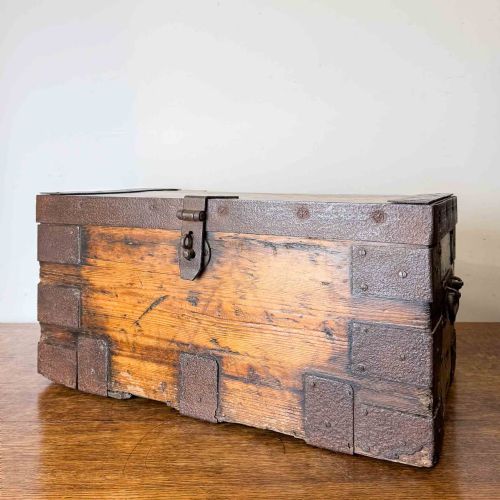


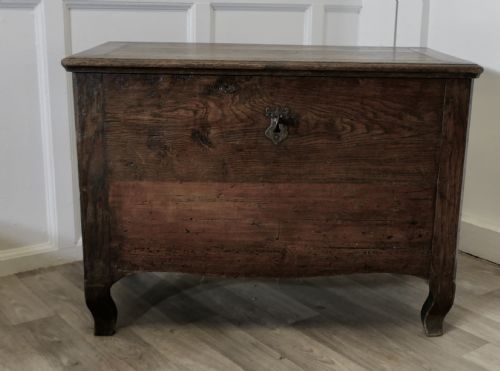


Strongbox Storage Trunk
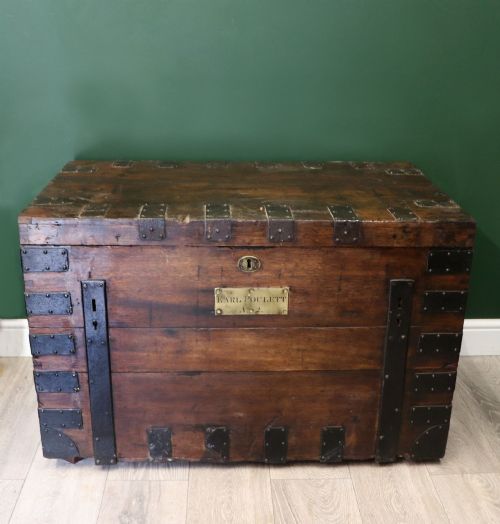
These heavy strongbox storage trunk pieces offer robust security and historical presence, combining heavy timber construction with protective metal bands.
Strongbox Storage Trunk
A strongbox storage trunk typically serves as a secure receptacle for valuables, silver, and travelling documents. Buyers searching this phrase will find pieces spanning from the seventeenth century through the Victorian era, reflecting utilitarian security.
The nineteenth century provides the majority of examples on this page, often taking the form of iron-bound oak or pine chests. These range from country house silver boxes to Scandinavian hand-painted variants.
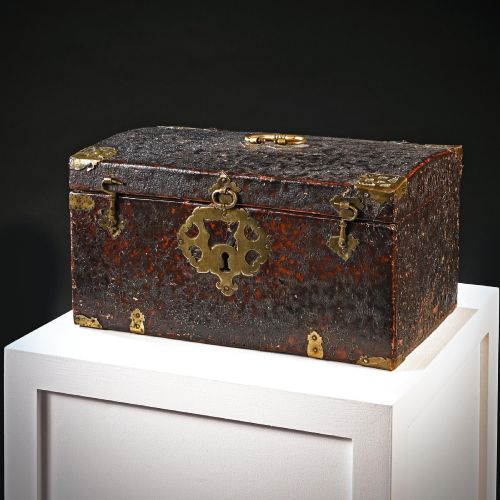
Earlier periods are represented by late seventeenth-century leather and brass travelling boxes alongside eighteenth-century oak coffers. Forms encompass trunks, chests, coffers, and storage boxes designed for specific domestic and travel functions.
Construction and materials
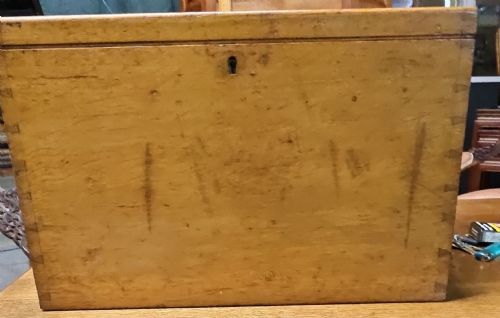
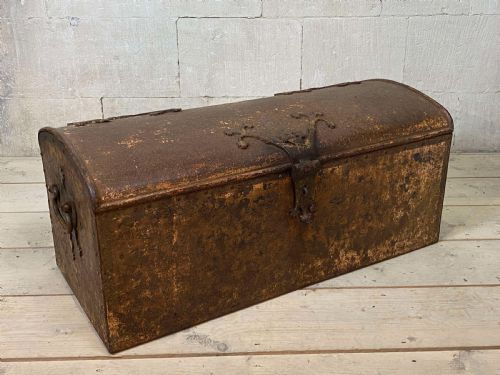
Construction relies heavily on sturdy timbers such as oak, pine, elm, and general wood frameworks reinforced for security. Makers bound these bodies with wrought iron, sheet iron, and brass bands to prevent forced entry.
Surface treatments vary from natural polished wood and iron reinforcement to Scandinavian hand-painted decoration. Leather covering appears on earlier travelling boxes, secured with decorative brass work.
Strongbox Storage Trunk Retail Price Guide 2026
Typical asking prices for strongbox storage trunk among the pieces listed under this phrase on Sellingantiques today, from the lower quarter to the upper quarter. They describe what is for sale here now, not the wider market.
The listings span four centuries, featuring oak, pine, elm, wrought iron, brass, and leather across British, Scandinavian, and French origins.
Judging quality in strongbox storage trunk pieces
Quality differentiates through the integrity of the original iron-bound framing and the preservation of internal fittings or maker labels. Pieces retaining original hardware, locks, and maker documentation command greater attention.
The refinement of the cabinetry work, from rustic country pine to formal Georgian oak and Gillows production, dictates the level of craftsmanship. Hand-painted surfaces on Scandinavian boxes present distinct artistic merit separate from utilitarian iron trunks.
Gillows of Lancaster
The Strongbox Storage Trunk Glossary
- Silver chest
- A heavy timber box reinforced with iron bands, originally built to transport and store household silver plate securely.
- Cofer
- An early form of chest with a lid, often heavily banded with iron and utilised for storing valuables before the widespread use of built-in closets.
- Travelling box
- A smaller reinforced container designed for secure transit of personal documents and valuables on journeys.
- Wrought iron
- Iron beaten into shape by hand while hot, commonly used for the structural bands and hinges on these chests.
Strongbox Storage Trunk: Frequently Asked Questions
What were strongbox storage trunk pieces used for?
These boxes primarily served affluent households and travellers for securing silver plate, documents, and valuables against theft or damage during transit.
Their heavy timber and iron construction ensured contents remained protected in country houses or on long journeys.
How do I date a strongbox storage trunk?
Dating relies on timber species, construction joints, and the style of the ironwork hinges and lock plates. Seventeenth-century examples often feature leather and brass, while nineteenth-century pieces frequently utilise oak or pine with heavy iron banding.
Maker labels or retailer inscriptions further pinpoint the origin and decade of manufacture.
Where should I place a strongbox storage trunk at home?
These sturdy chests function well as coffee tables, end tables, or standalone statement pieces in living areas or studies. Their flat lids provide practical surface space while concealing internal storage.
Position them away from direct heat sources to preserve the historic wood and iron components.
Are painted Scandinavian strong boxes authentic?
Hand-painted pine and oak strong boxes represent a distinct regional folk art tradition, particularly from nineteenth-century Scandinavia. Their decorated surfaces distinguish them from utilitarian British silver chests.
Examining the pigment wear and surface integration helps verify the age of the paintwork.