
Vintage Mahogany Mirror
A vintage mahogany mirror brings rich timber grain and classic silvered reflection to a room, spanning styles from Georgian elegance to Edwardian practicality.

Vintage Mahogany Mirror
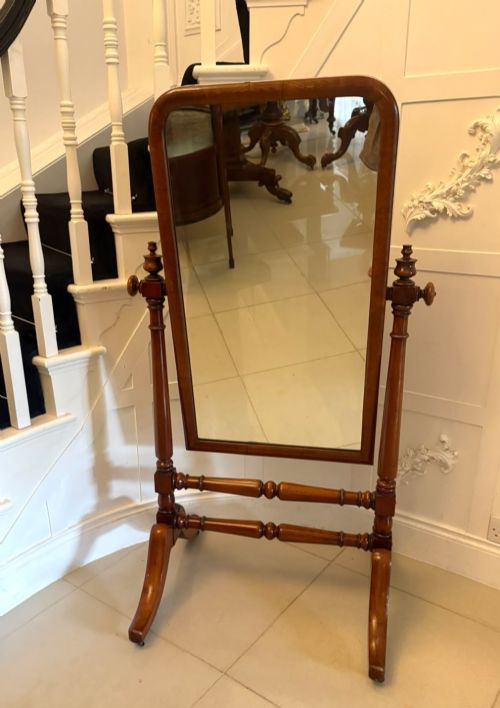
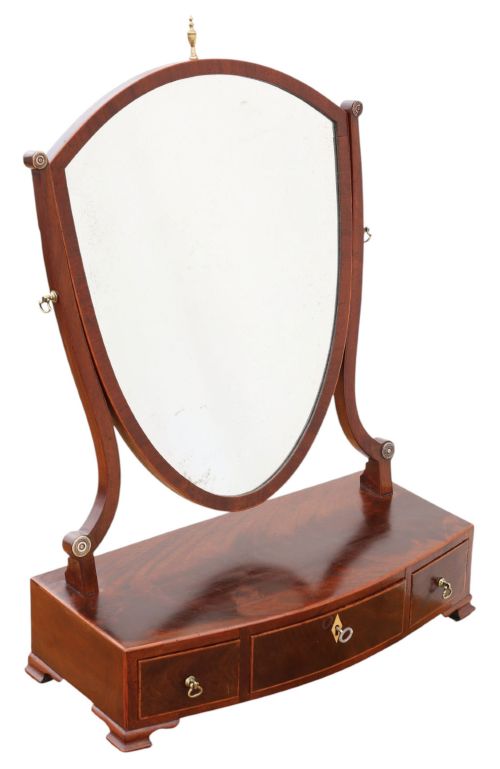
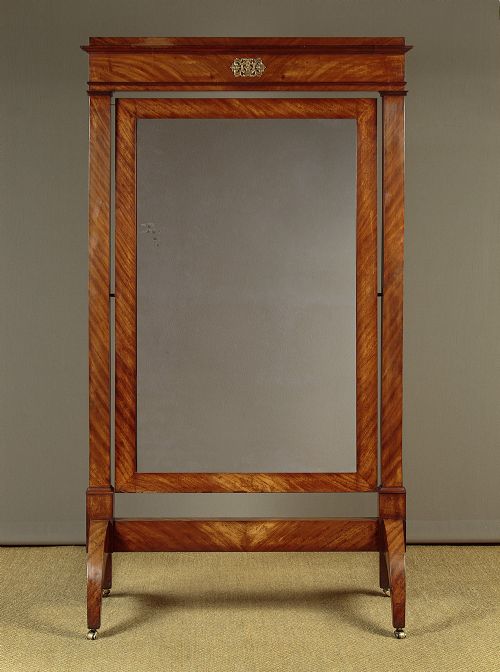
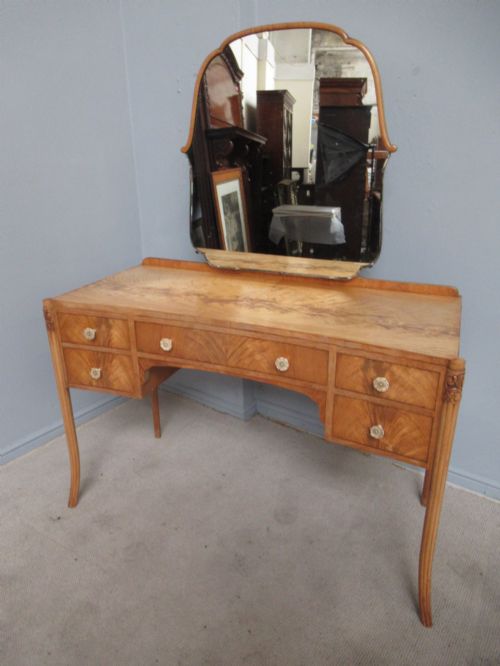
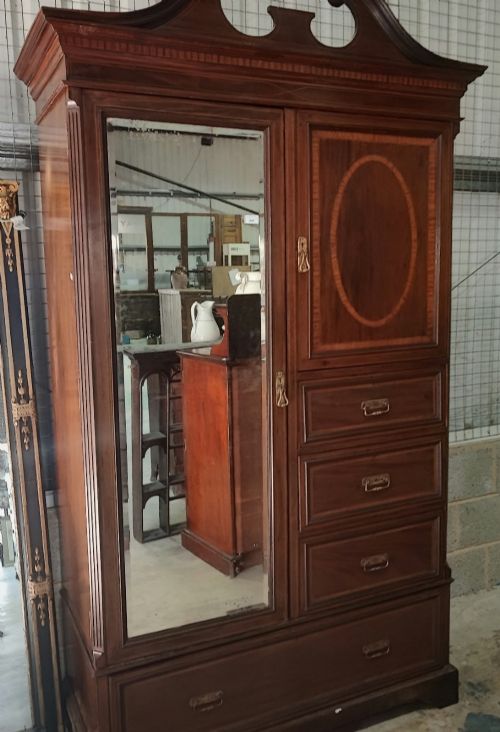
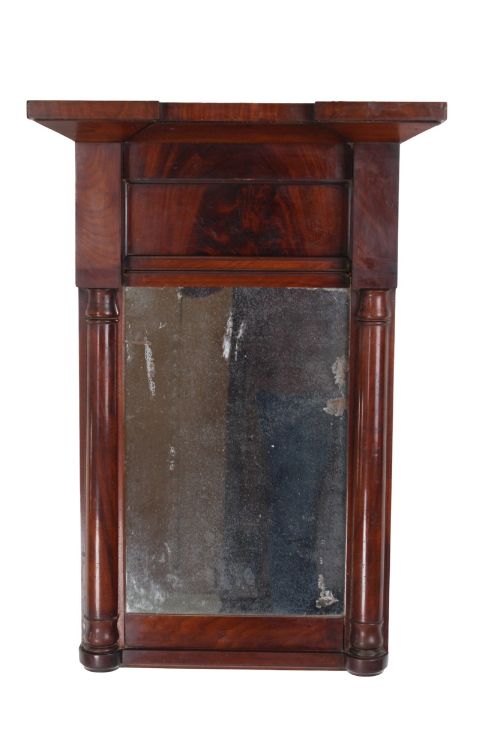
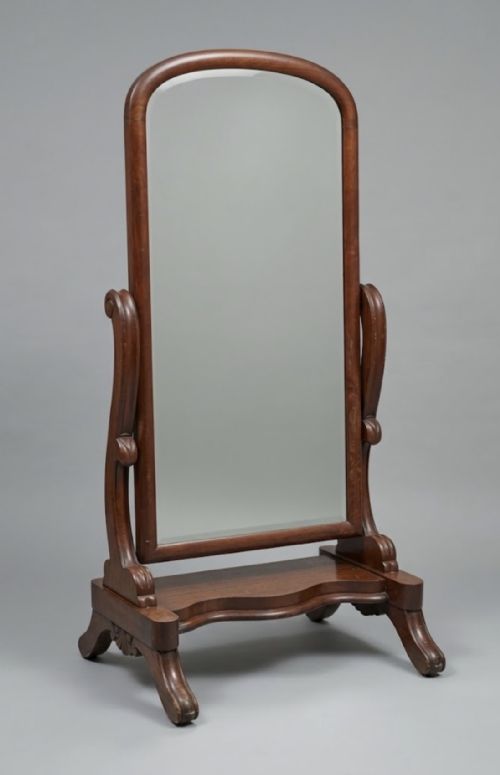
A vintage mahogany mirror encompasses wall-mounted looking glasses, freestanding cheval frames, and dressing table swing mirrors built from dense tropical hardwood. Buyers seeking a vintage mahogany mirror will encounter pieces originating across the Georgian, Victorian, Regency, and Edwardian eras, reflecting changing domestic fashions.
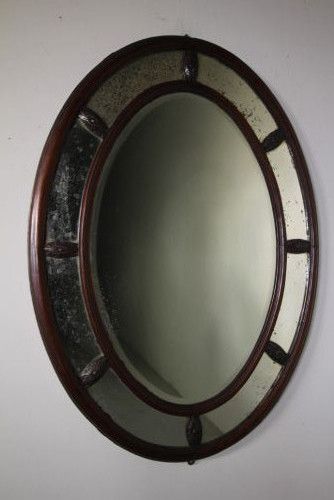
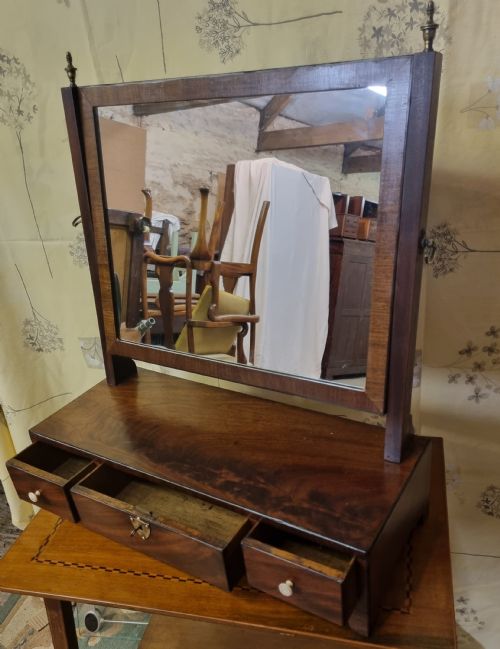
The selection ranges from small box dressing mirrors with fitted drawers to large country house oval wall mirrors and heavy floor-standing cheval pivots. Many examples combine mahogany with contrasting brass hardware, satinwood stringing, or parcel gilt accents.
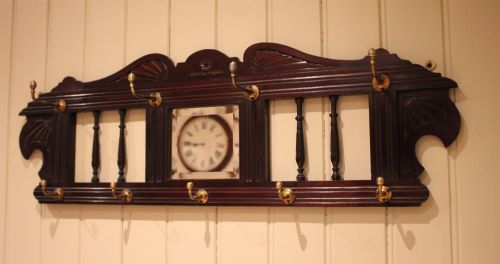
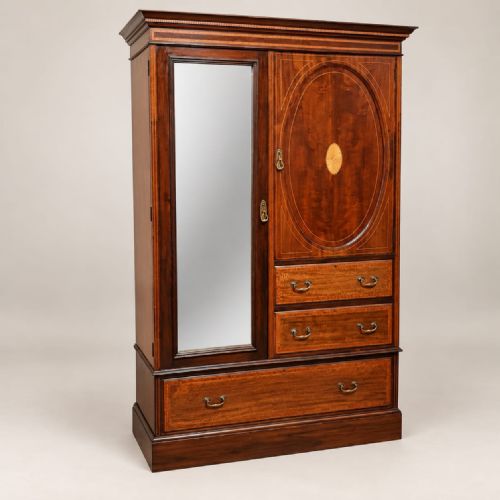
While some pieces function independently, others appear integrated into larger bedroom suites, wardrobes, sideboards, or hall stands. The majority date from the nineteenth and early twentieth centuries, constructed to serve daily domestic grooming and decorative display.
Materials and construction methods
Makers built these frames using solid mahogany and Cuban mahogany veneers applied to secondary structural timbers, often enhanced with satinwood inlay or fretwork carving. Timber selection prioritised deep reddish-brown grain patterns, which were hand-polished with wax or shellac to achieve a warm lustre.
Silvered mirror glass sat within rebated frames, secured by wooden backs and frequently accompanied by original brass pivots, candle sconces, or hanging loops. Joinery relied on mortise and tenon corners for rigidity, supporting the weight of heavy glass plates without twisting.
Vintage Mahogany Mirror Retail Price Guide 2026
Typical asking prices for vintage mahogany mirror among the pieces listed under this phrase on Sellingantiques today, from the lower quarter to the upper quarter. They describe what is for sale here now, not the wider market.
Several mirrors arrive paired with hidden cocktail compartments and shaving stands, proving that past generations valued a quick drink alongside their reflection.
Distinctions in craftsmanship
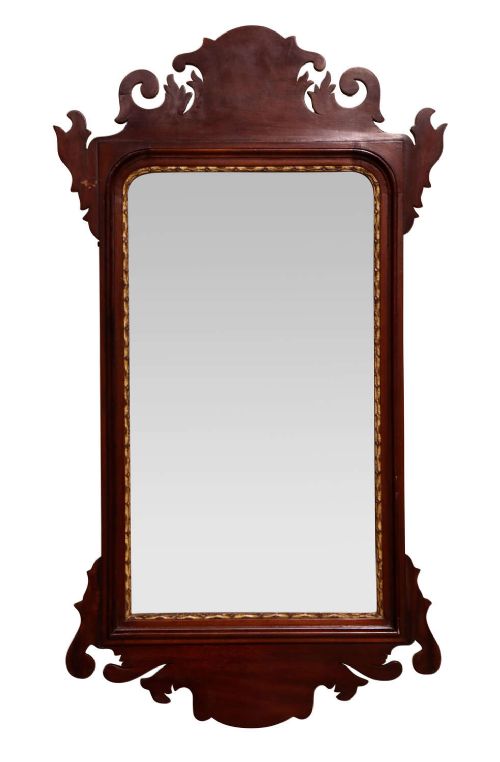
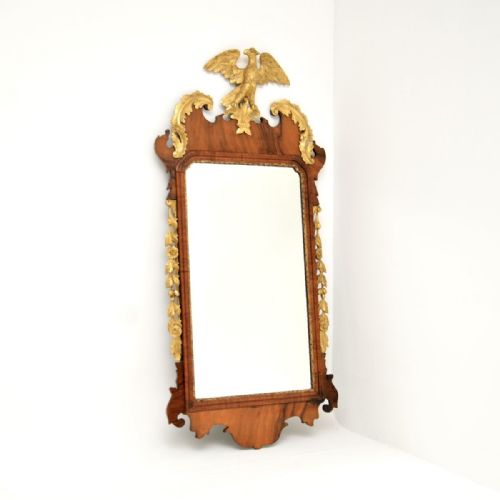
Quality rests in the crispness of carved details such as Ho-ho birds, parcel gilt mouldings, and fret-cut scrolling, which separate restrained vernacular items from ambitious cabinetmaker work. Superior examples display carefully chosen flame mahogany veneers and robust internal joinery that prevents frame distortion.
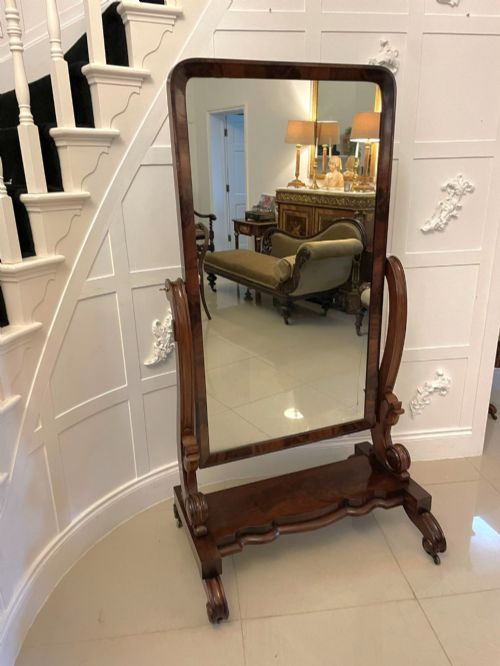
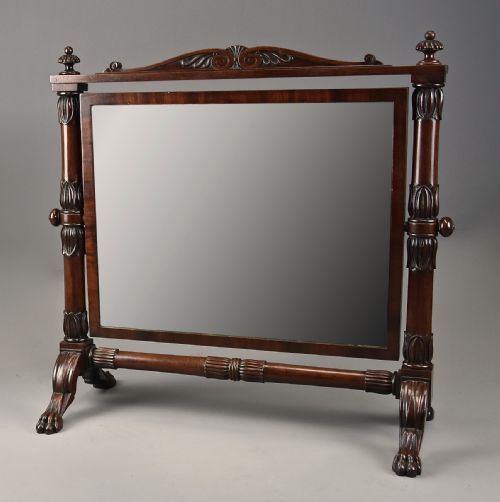
The retention of original mirror glass, mercury silvering characteristics, and authentic brass hardware distinguishes untouched pieces from later restorations. Heavier floor-standing cheval frames reveal quality through the stability of their upright pillars and the smooth action of original brass adjustment knobs.
Edwards and Roberts·P & MA Nicholson·Heal & Sons·Harrods
The Vintage Mahogany Mirror Glossary
- Cheval mirror
- A full-length floor-standing looking glass suspended on a vertical frame with pivoting side pins. This form allows the user to tilt the glass plate to various angles.
- Parcel gilt
- Partially gilded woodwork where gold leaf highlights specific carved motifs, mouldings, or fretwork against the dark mahogany background. It creates a subtle contrast popular in Georgian and revival pieces.
- Fretwork
- Thin wood panels pierced with decorative patterns using a fretsaw, frequently seen on the scrolled crests and ears of Chippendale style wall mirrors.
- Satinwood
- A pale yellowish exotic timber used extensively for contrasting stringing lines and geometric inlay work on Edwardian and Regency frames.
Vintage Mahogany Mirror: Frequently Asked Questions
How do I date an old mahogany mirror?
Dating relies on observing construction traits, timber types, and edge bevels on the glass plate. Georgian pieces often feature hand-beveled edges and pegged joinery, whereas Edwardian items incorporate machine-sawn backing boards and lighter internal framing.
Cabinet styles also shift from the ornate fretwork of the eighteenth century to the simpler inlaid Edwardian silhouettes and heavy Victorian architectural proportions.
What is a cheval mirror used for?
A cheval mirror functions as a full-length dressing glass designed for bedroom use, allowing individuals to view their complete outfit. The pivoting mechanism enables easy angle adjustment for different heights.
Historically, these stood on bedroom floors near dressing tables or wardrobes, offering mobility without requiring wall fixings.
Are dressing table mirrors removable?
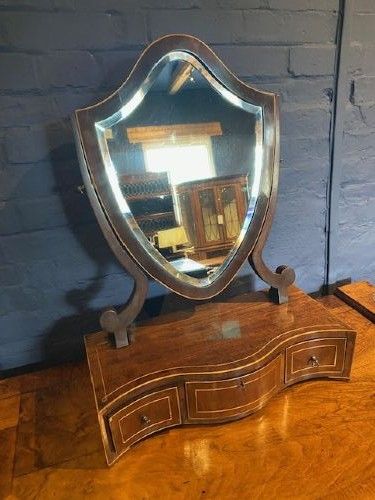
Most period dressing table mirrors detach easily from their supporting upright arms and base boxes. The entire swing frame lifts out once the side thumbscrews or wooden retaining pins are unscrewed.
This modular design aided transportation and allowed the tabletop base box to function independently as a small storage chest.
How should I clean a mahogany frame?
Maintain the polished timber surface using a soft, dry cloth and occasional applications of microcrystalline wax to nourish the grain. Avoid silicone-based sprays that soften traditional shellac finishes over time.
Glass panels require standard glass cleaner applied sparingly to a cloth rather than sprayed directly, preventing moisture seepage behind the frame edges.