

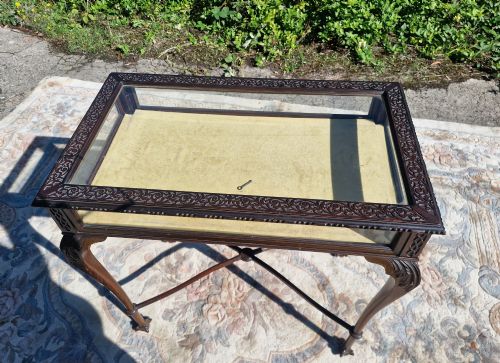
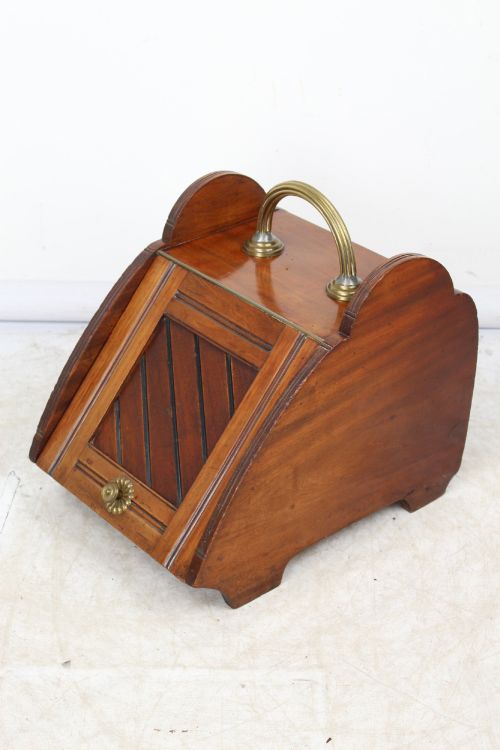
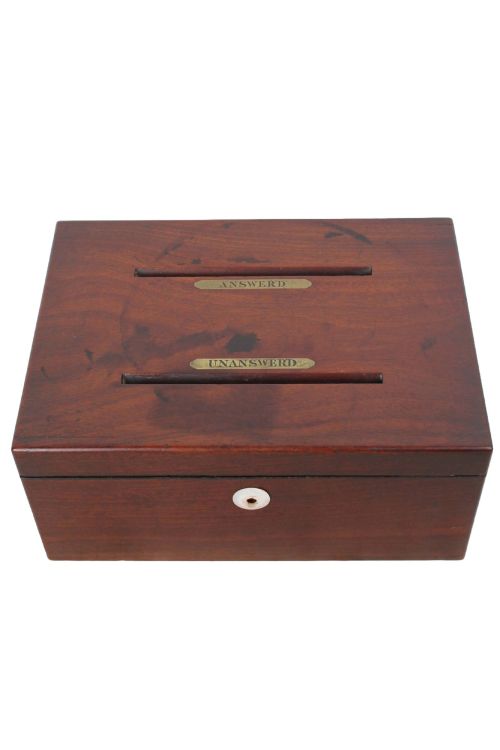
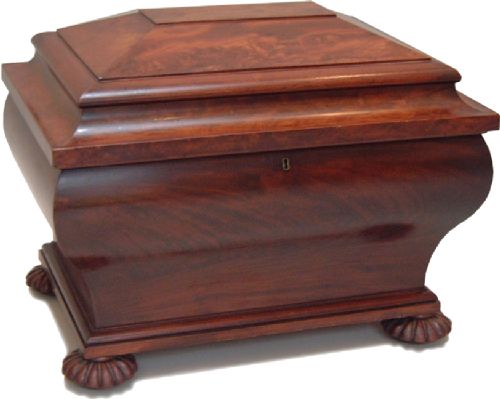
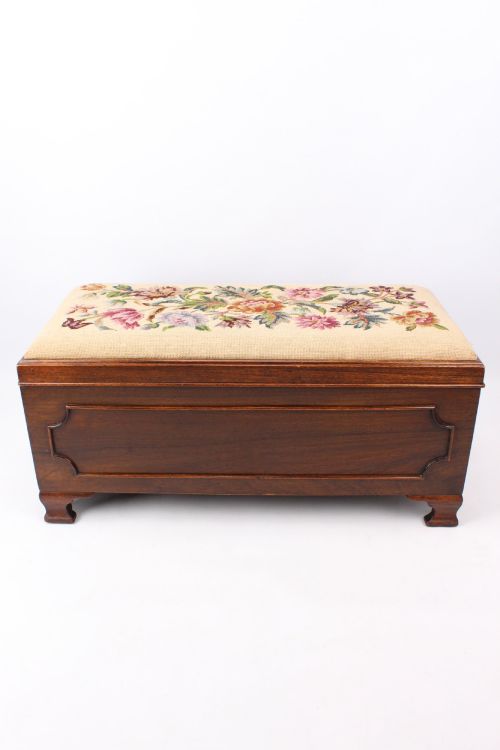
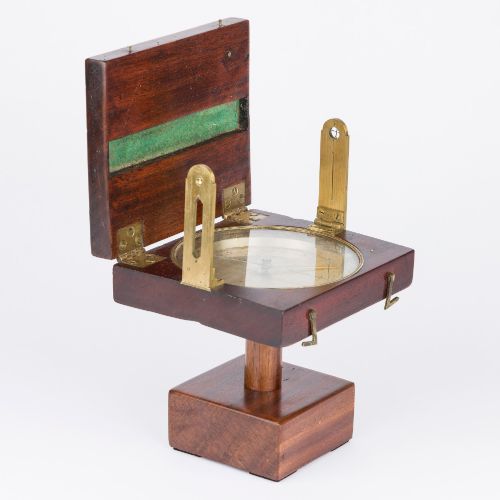
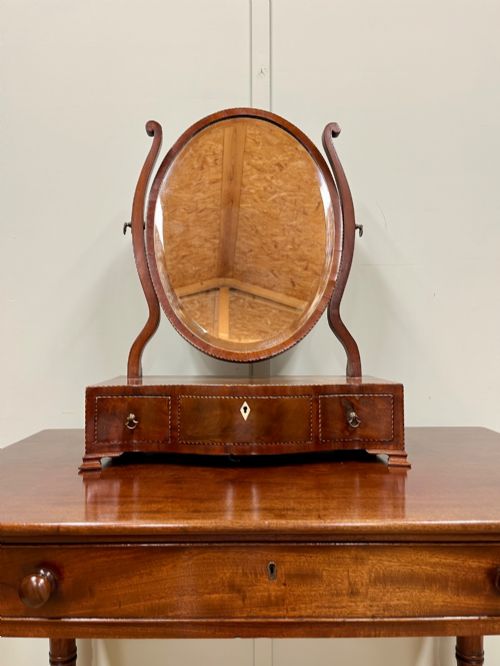
Vintage Mahogany Box
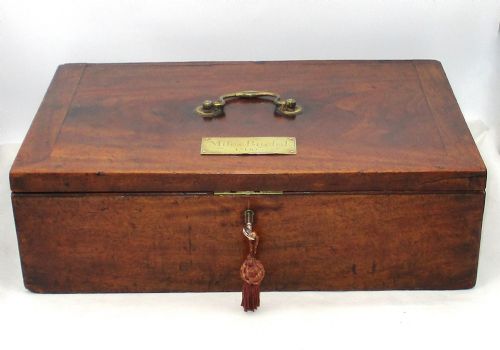
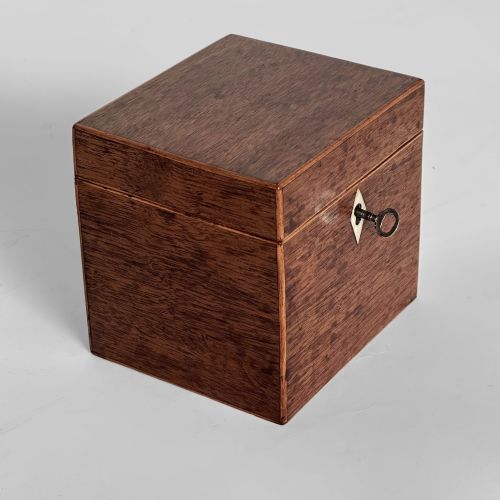
A vintage mahogany box brings warmth and practical storage to a room, ranging from small tea caddies to campaign writing slopes.
Vintage Mahogany Box
When you search for a vintage mahogany box, you encounter a wide selection of wooden receptacles designed for specific domestic and travel tasks across the eighteenth, nineteenth, and early twentieth centuries.
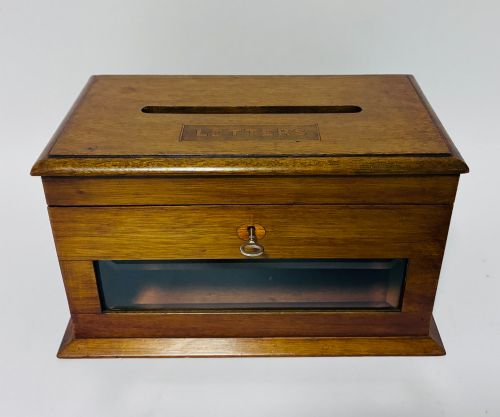
The objects listed under this term span utilitarian storage such as document boxes, letter boxes, and coal scuttles, alongside refined personal items like tea caddies, writing slopes, and jewellery cases.
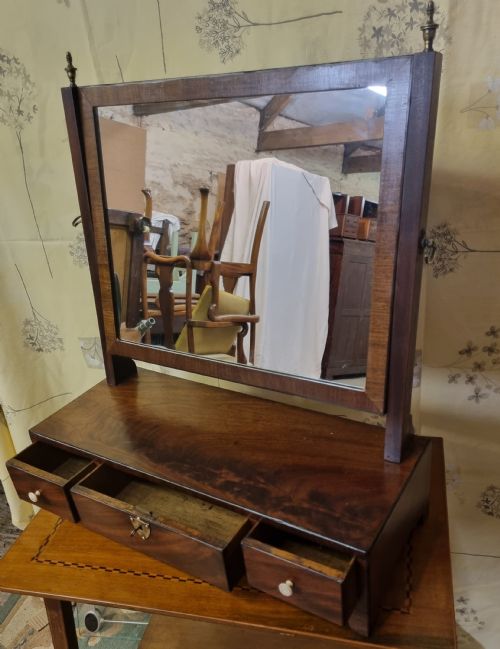
Georgian and Victorian examples dominate the selection, showing both British craftsmanship and pieces travelled from colonial outposts such as Zanzibar.
Materials and construction methods
The core material across these items is mahogany, frequently selected for its deep grain and stability, sometimes paired with satinwood for contrast or padouk.
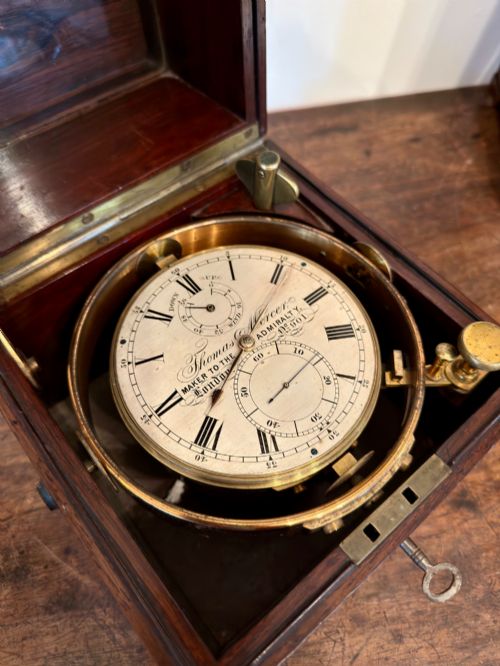
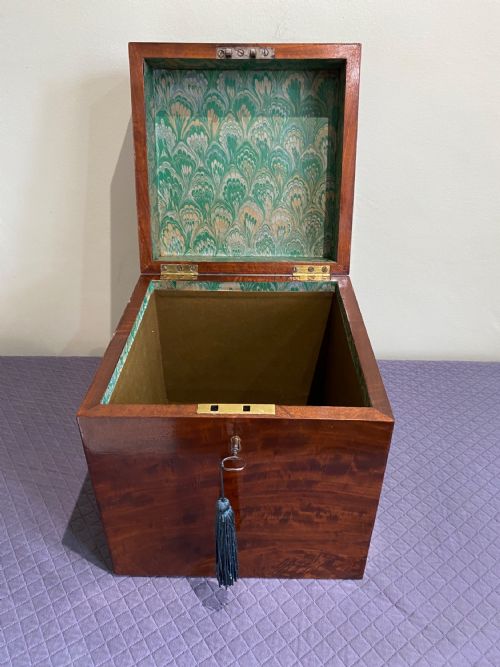
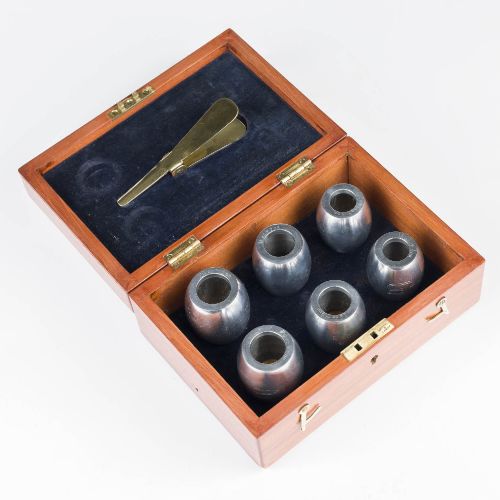
Internal fittings often incorporate glass, bone, paper, and fabric linings such as baize to protect contents like documents, instruments, or jewellery.
The site listings span pieces from the 18th century through to the 1930s, utilising brass, bone, glass, and fabric alongside solid and veneered mahogany.
Judging quality and execution
Quality rests in the precision of the joinery and the selection of timber figures, particularly flame mahogany veneers that show deliberate grain matching.
Hardware execution dictates the grade of the piece, where heavy cast brass mounts, working locks with original keys, and flush-fitting hinges separate standard utility items from top-tier commissions.
Mercer of London·De Grave Short and Co·G Davis of Leeds
The Vintage Mahogany Box Glossary
- Campaign writing slope
- A portable desk designed for travel that folds open to reveal a slanted writing surface and compartments for ink and paper. These typically feature recessed brass handles and corner brackets to withstand transit.
- Cellarette
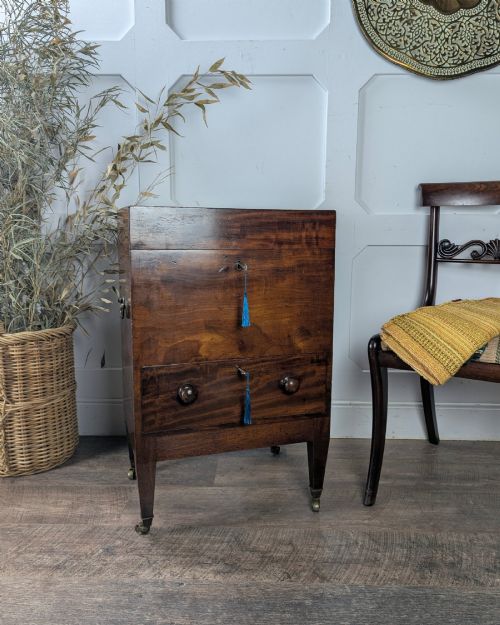
- A lockable container used for storing wine bottles in the dining room, often lined or insulated. Georgian and Regency examples sit on low stands or floor frames.
- Tea caddy
- A small lidded box built to hold loose tea leaves securely. They frequently feature internal compartments and delicate veneer work.
- Flame mahogany
- A figure in mahogany timber produced by cutting across the branch junction, creating a distinctive rippled pattern resembling flickering flames. Cabinetmakers reserved this for prominent exterior surfaces.
Vintage Mahogany Box: Frequently Asked Questions
How do I spot a campaign box?
Campaign boxes feature recessed brass carrying handles, reinforced corners, and flush hardware designed to prevent snagging during travel. They often open into writing slopes or contain fitted compartments for instruments and bottles.
These utilitarian pieces date predominantly from the nineteenth century and reflect the needs of officers and travellers.
What was a tea caddy used for?
Tea caddies stored precious loose leaves under lock and key when tea was an expensive commodity. They often contain inner lidded canisters and mixing bowls.
Earlier Georgian versions frequently utilise fine veneers and small proportions to sit upon sideboards.
How do I care for mahogany?
Keep mahogany boxes away from direct sunlight and heat sources to prevent the wood and internal veneers from drying out and splitting. Light dusting with a dry cloth maintains the polish.
Avoid excessive liquid polishes, which can build up on the historic finish over time.
Are these boxes waterproof?
While solid timber and brass bindings offer robust protection against the elements, historical boxes were not sealed for modern submersion or damp environments. Rubber seals did not feature in their construction.
Contents should be kept in stable indoor humidity conditions.