


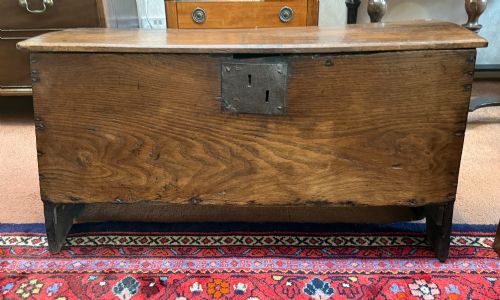
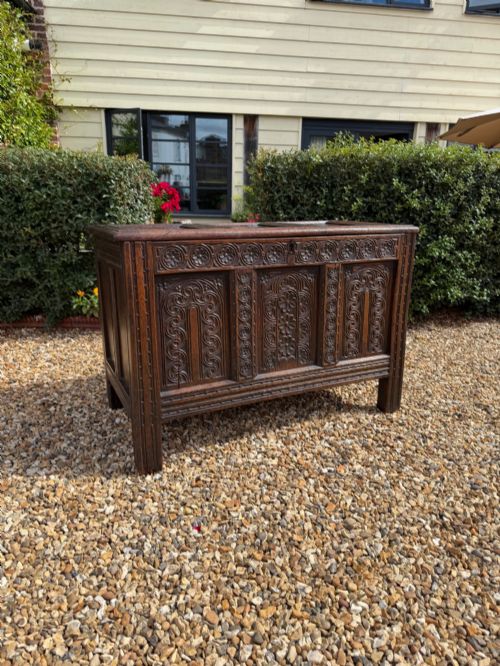
Brown Wooden Storage Box
A brown wooden storage box brings practical history into a modern room, offering sturdy utility shaped by centuries of craftsmanship.
Brown Wooden Storage Box
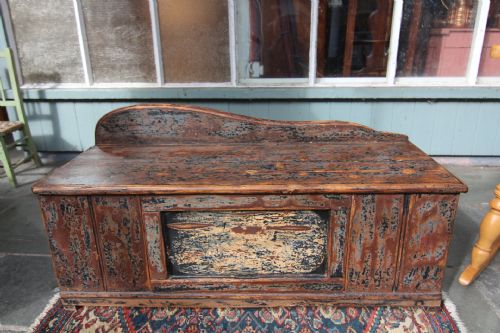
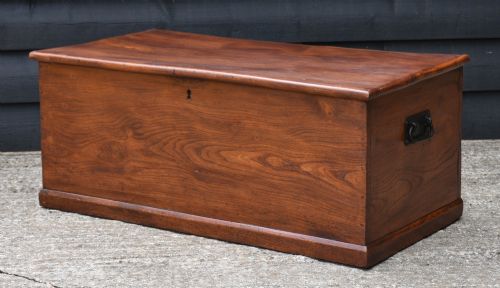
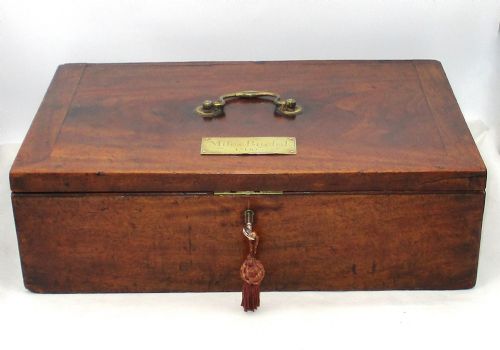
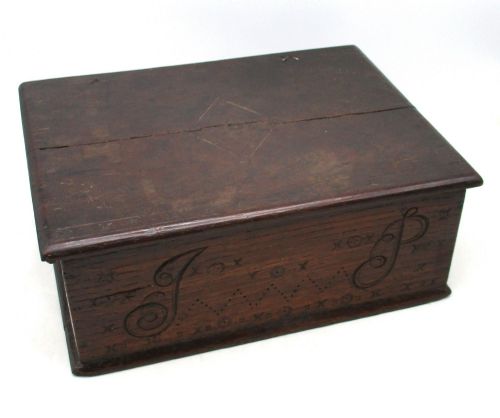
When you search for a brown wooden storage box, you encounter a diverse selection of antique containers spanning from the sixteenth century to the twentieth century. These pieces encompass domestic utility items, travelling trunks, and desk accessories designed to secure documents, textiles, and valuables.
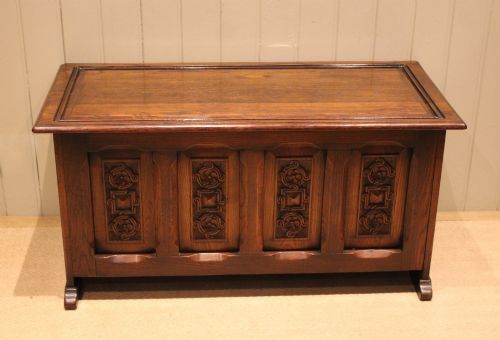
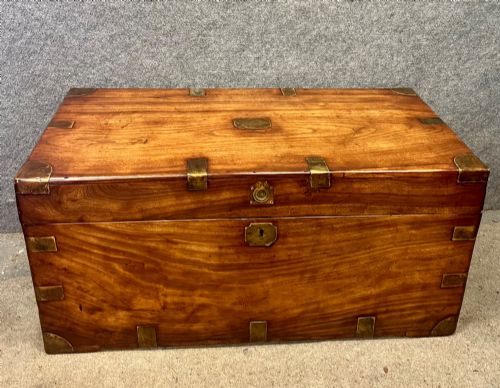
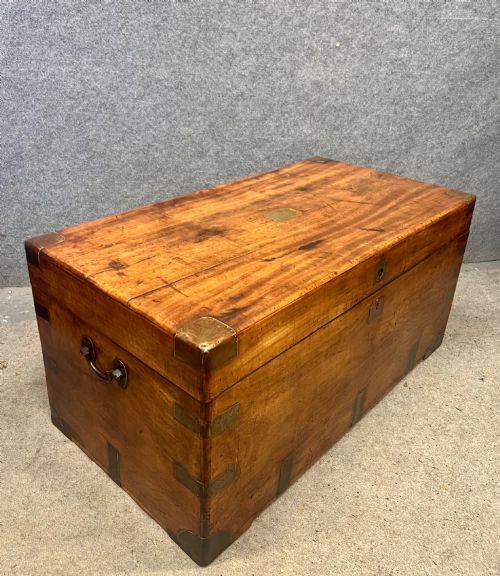
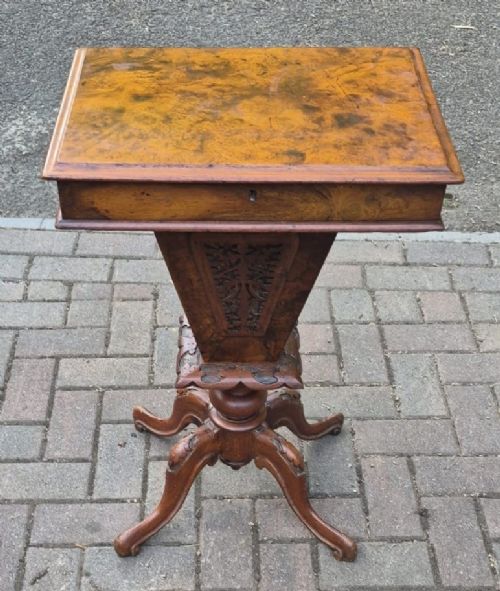
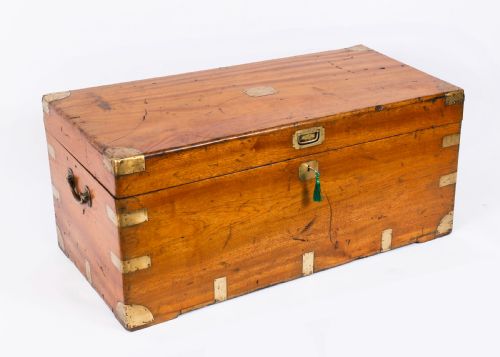
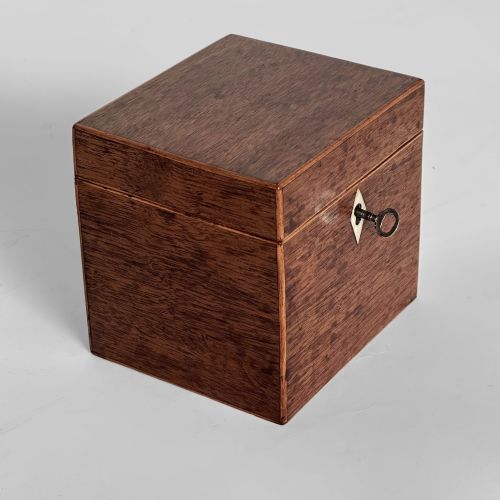
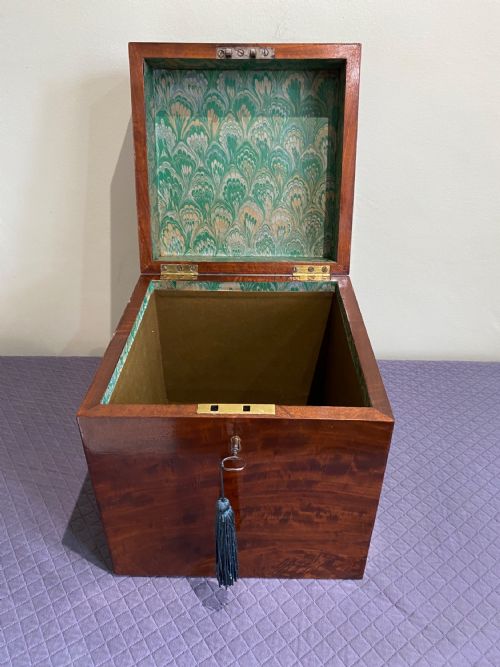
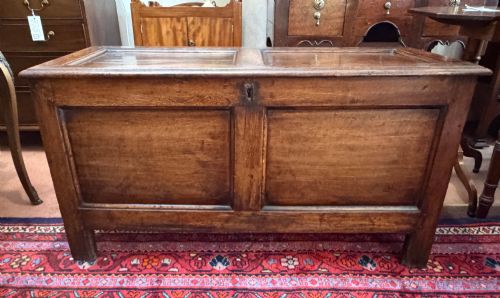
The most common versions on this page are oak coffers and chests originating from the seventeenth and eighteenth centuries, alongside nineteenth-century campaign trunks fashioned from camphor wood or mahogany. Smaller table pieces such as document boxes and tea caddies also appear frequently.
Styles range from rustic country examples and provincial Jacobean panels to British colonial campaign pieces fitted with brass corners and carrying handles. Each object reflects the primary storage needs of its original era, whether for household linen or overseas travel.
Materials and construction
Carpenters and cabinetmakers utilised dense native and exotic timbers including oak, mahogany, walnut, elm, and camphor wood. Oak provides the structural foundation for early panelled coffers, whilst mahogany and satinwood serve finer Georgian and Victorian boxes.
Joinery techniques relied on pegged mortise and tenon joints for heavy coffers, and precise dovetailing for smaller mahogany document boxes. Iron strapwork, brass corners, and flush-fitting carrying handles reinforced travel trunks designed to withstand arduous transport.
Some nineteenth-century wooden boxes served as portable writing desks, carrying secret compartments for hidden love letters.
Indicators of excellence
The distinction between standard utility items and superior examples lies in the crispness of the carving, the selection of figured timber grain, and the integrity of the original hardware. Hand-forged iron hinges, original brass carrying handles, and untouched surface patination elevate a piece significantly.
Proportion and structural survival dictate desirability, particularly in early oak pieces where timber shrinkage and board replacement alter the original silhouette. Boxes retaining their original internal divisions, sliding lids, or lock mechanisms demonstrate superior original craftsmanship.
The Brown Wooden Storage Box Glossary
- Coffer
- A heavy wooden chest traditionally used for storing valuables, linen, or documents. Early examples feature boarded or panelled construction.
- Campaign trunk
- A portable storage chest utilised by military officers during travel, typically reinforced with brass corners and recessed handles.
- Document box
- A compact lidded container designed to hold legal papers, deeds, or correspondence securely.
- Tea caddy
- A small box partitioned internally for storing loose tea leaves, often fitted with a lock and key.
- Dovetail
- An interlocking joint formed by interlocking wedge-shaped fingers, commonly found at the corners of fine wooden boxes.
Brown Wooden Storage Box: Frequently Asked Questions
How do I date an old oak coffer?
Dating relies on examining the construction methods, tool marks left by the carpenter, and the style of any carved panelling. Seventeenth-century examples often display pegged frame and panel joinery with geometric or floral relief carving.
Later vernacular pieces from the nineteenth century tend to use simpler board construction and machine-sawn timber. Hardware such as hinges and locks also provides reliable chronological clues.
What is a campaign chest?
A campaign chest is a sturdy storage box built in sections or fitted with carrying handles to facilitate transport on military campaigns. They are typically made from durable timbers like camphor wood or mahogany and reinforced with brass corners.
These pieces were designed to withstand rough travel while maintaining a polished appearance for officers in the field.
Can I use these boxes for modern storage?
These wooden boxes lend themselves well to everyday household storage, housing blankets, shoes, or paperwork. Their robust construction ensures they remain entirely functional for contemporary living.
Placing them in stable environmental conditions away from direct heat sources protects the antique wood from splitting.
Why do some trunks smell of camphor?
Camphor wood was deliberately chosen for travel trunks and storage chests because its natural aromatic oil repels moths and insects. This enduring scent protects woollens and linens stored inside the box.
The distinct fragrance often lingers in the timber grain for centuries after manufacture.