


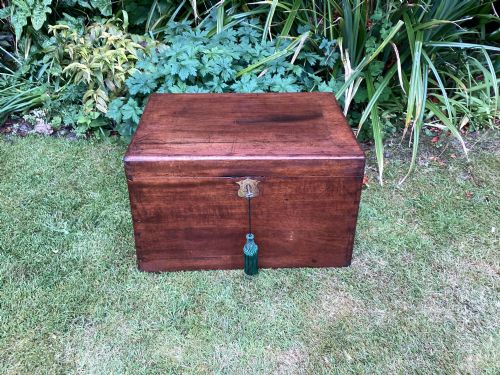
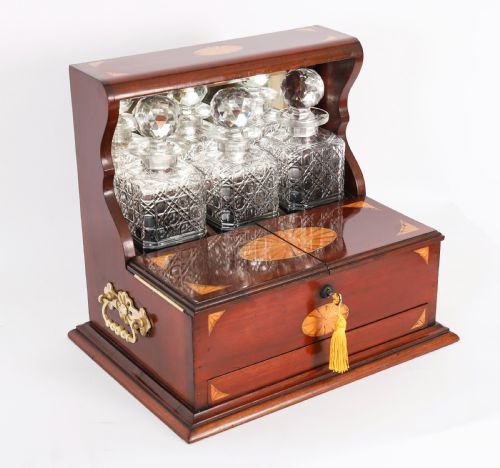


Mahogany Lockable Box
A mahogany lockable box is a secure receptacle designed to safeguard valuables, letters, or tea, appealing to collectors of period woodwork.
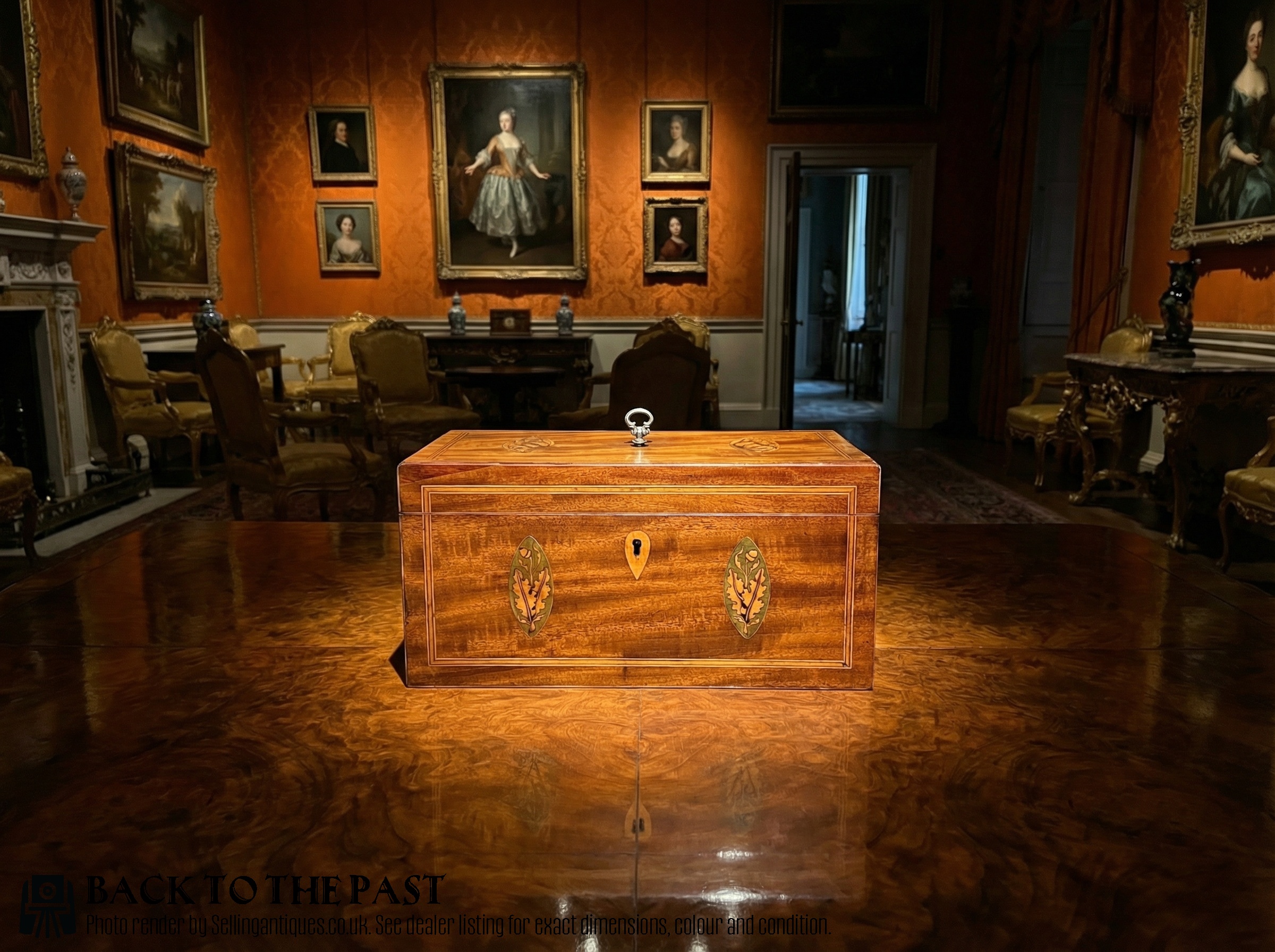
Mahogany Lockable Box
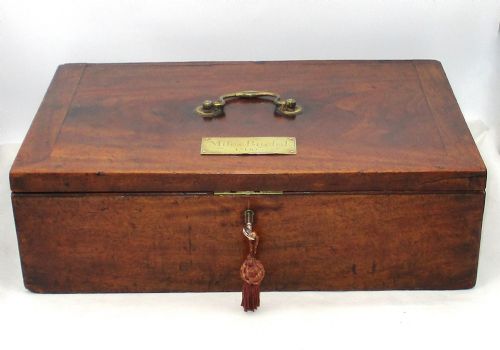
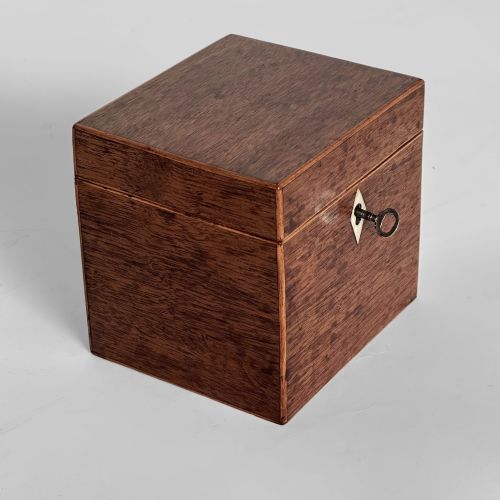
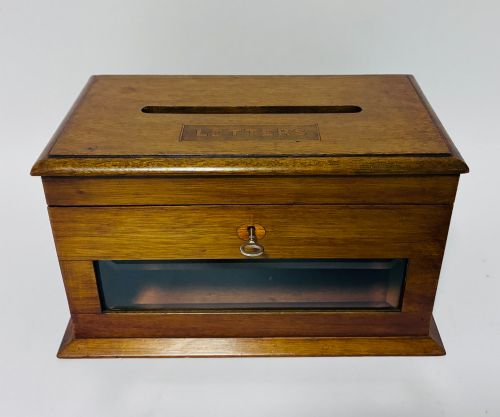
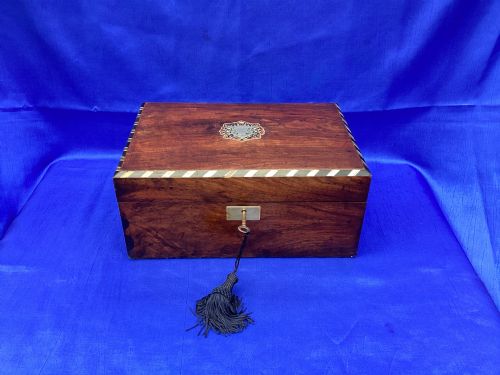
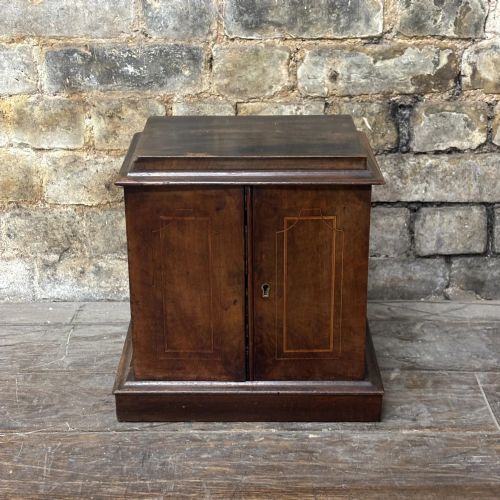
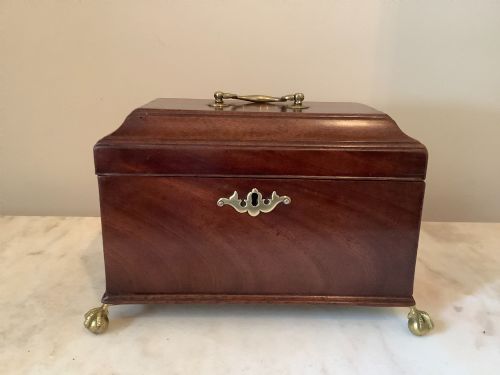
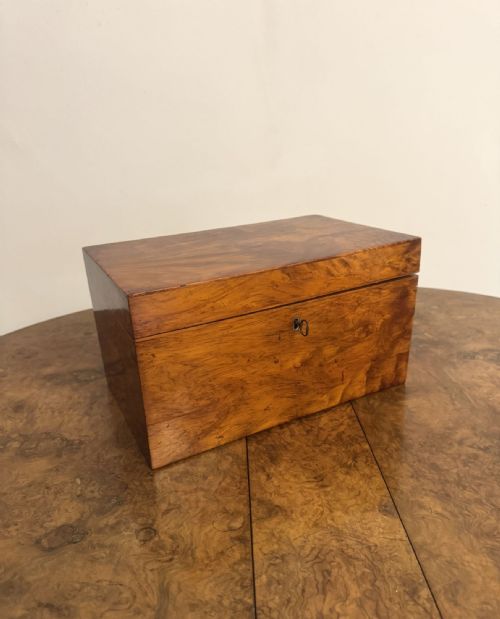
A mahogany lockable box primarily takes the form of tea caddies, document cases, stationery cabinets, and jewellery storage units originating from the eighteenth, nineteenth, and early twentieth centuries. These pieces span Georgian, Regency, Victorian, and Edwardian periods, reflecting the shifting domestic storage needs of those eras.
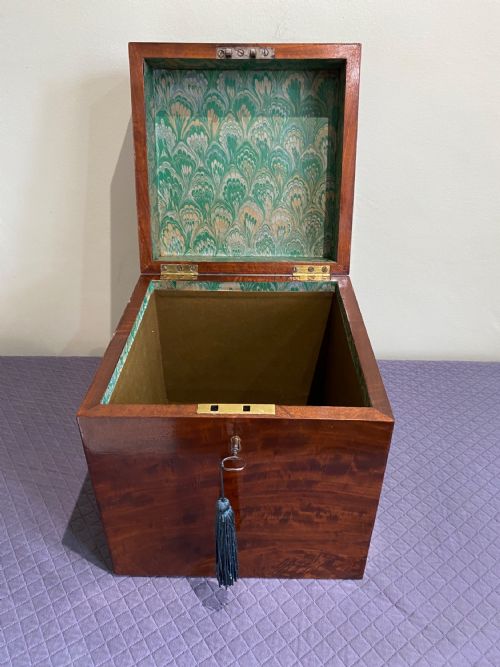
Tea caddies represent the most common iteration of a mahogany lockable box encountered here, frequently featuring internal compartments, mixing glasses, or canisters. Document and letter boxes appear alongside larger apothecary and veterinary cabinets, showing how secure storage adapted for specific household and professional uses.
The architectural silhouettes range from simple rectangular chests to sarcophagus forms and octagonal boxes, spanning decades of British cabinetmaking. Each piece relies on an integrated lock, often retaining a functional key, to restrict access to its contents.
Materials and construction
Cabinetmakers constructed these pieces primarily from solid or veneered mahogany, frequently employing secondary timbers such as satinwood, boxwood, ebony, and burr maple for contrasting stringing and decorative banding. The exteriors often display careful grain selection, matched across lid and body panels.
Inlay and marquetry techniques define the surface decoration, utilising star motifs, geometric banding, and painted details to enhance the rich reddish-brown tones of the primary wood. Brass escutcheons, hinges, and carrying handles provide functional reinforcement and visual contrast to the dark timber.
Internal layouts involve precise joinery to create separate compartments, sometimes housing fitted glass mixing bowls, metal canisters, or secret drawers concealed behind sliding partitions. These internal fittings demonstrate the meticulous standards applied to utilitarian objects.
Secret drawers tucked behind sliding panels meant even tea time required a minor vault-cracking expedition.
Distinctions in execution
Quality in a mahogany lockable box rests upon the precision of its timber selection and the restraint of its decorative inlay. Pieces featuring finely figured veneers and crisp, unblemished stringing stand apart from plain or heavily restored examples.
The sophistication of the internal architecture dictates the upper tier of the range, particularly where hidden drawers, original glass mixing bowls, or intact metal canisters survive. The integrity of the brass hardware and the smooth operation of the lock mechanism further distinguish superior examples.
The Mahogany Lockable Box Glossary
- Sarcophagus form
- A box design featuring a steep-sided, domed lid reminiscent of a stone coffin, popular during the Regency and Victorian periods. This shape allowed cabinetmakers to showcase bold mahogany grain across curved surfaces.
- Stringing
- Thin inlaid lines of contrasting wood, such as boxwood or ebony, used to outline panels and borders on the exterior of a box. It provides linear definition against the darker mahogany background.
- Escutcheon
- A protective plate surrounding the keyhole, typically cast from brass to prevent the timber from splitting around the lock. It serves both a structural purpose and a decorative function.
- Canister
- A fitted metal container housed within a tea caddy to store loose leaf tea safely away from moisture. These containers often feature secure lids of their own.
- Tantalus
- A locking beverage stand that holds decanters visible yet inaccessible without a key. It combines secure storage with display, often incorporating games compendiums in later Victorian and Edwardian iterations.
Mahogany Lockable Box: Frequently Asked Questions
What were tea caddies used for?
Tea caddies served as secure storage containers for expensive loose leaf tea when the beverage was a precious commodity in British households. The lockable lid ensured that domestic staff or guests could not access the leaves without permission.
Inside, these boxes typically contained dual compartments for different tea varieties and a central glass bowl for blending. This setup allowed the master or mistress of the house to prepare infusions directly in the parlour.
How do I date a mahogany box?
Dating relies on examining the construction methods, timber choices, and overall decorative style visible in the piece. Georgian and George III boxes often display clean lines with restrained stringing, while Victorian examples frequently adopt heavier sarcophagus shapes or elaborate brass mounts.
Hardware style also provides chronological clues, as handmade brass hinges and locks differ markedly from later mass-produced components. Comparing the secondary timbers inside the box helps narrow down the period of manufacture.
How do I care for mahogany?
Mahogany requires stable environmental conditions away from direct sunlight and sudden temperature shifts to prevent the timber from warping or splitting. Keeping the wood away from radiator heat sources preserves the integrity of the natural veneers.
Applying a light coat of quality beeswax periodically helps maintain the lustre of the polished surface. Avoid modern silicone-based sprays, which can degrade the antique finish over time.