
Vintage Low Stool
These vintage low stool examples offer practical seating and footrests in oak, walnut, and timber, bringing period charm to interior spaces.
What vintage low stool pieces are
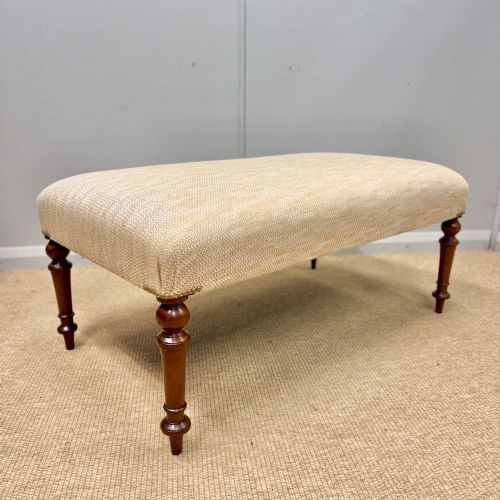
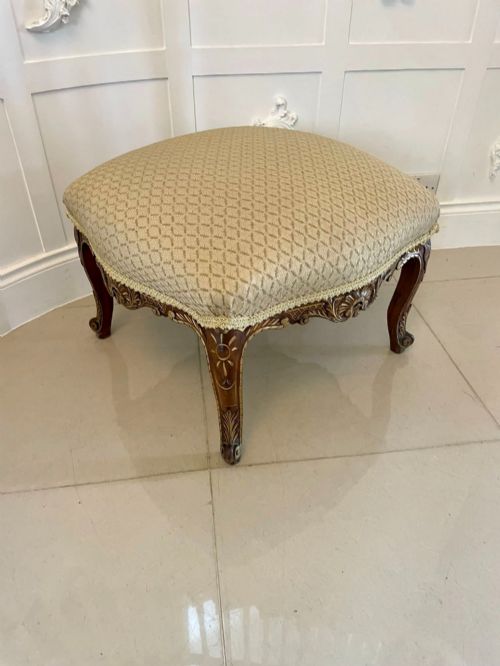
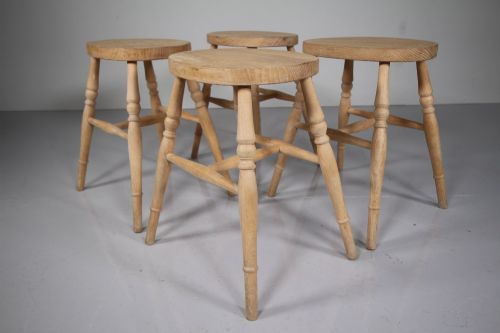
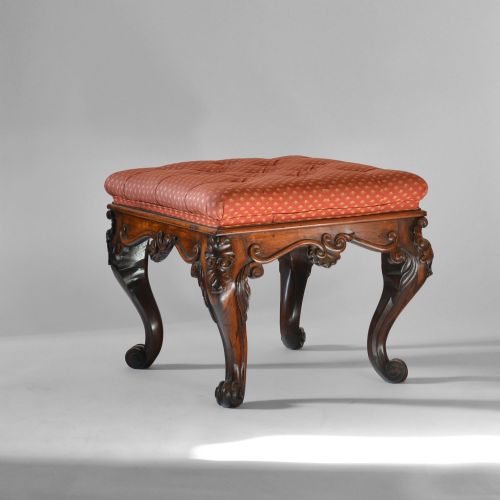
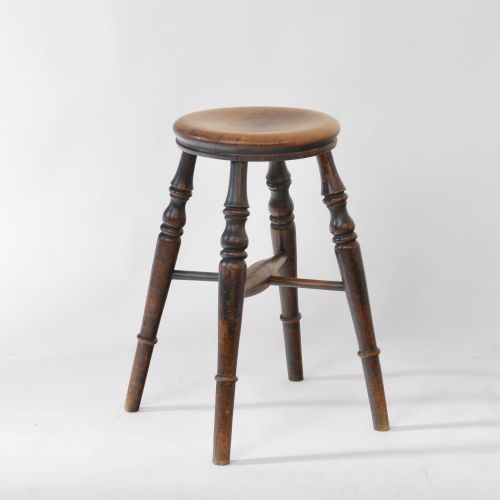
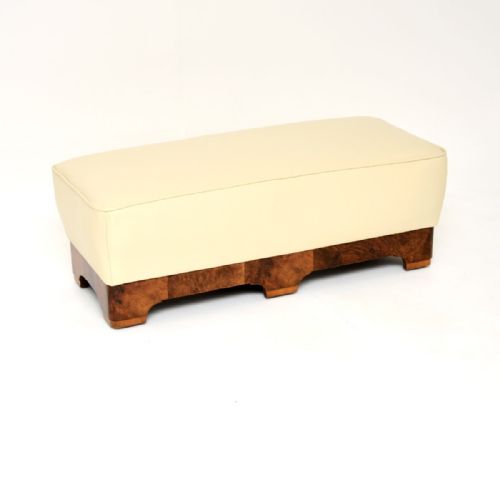
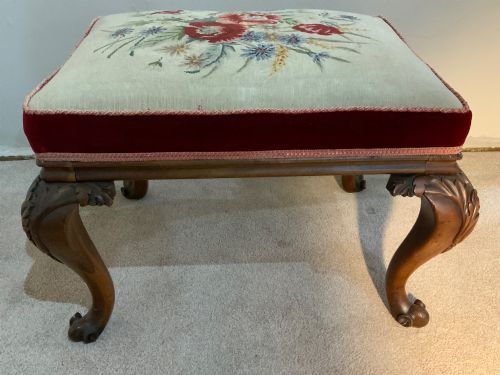
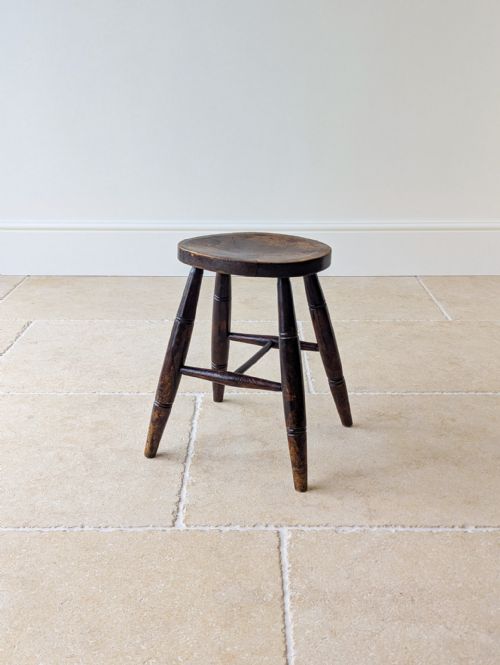
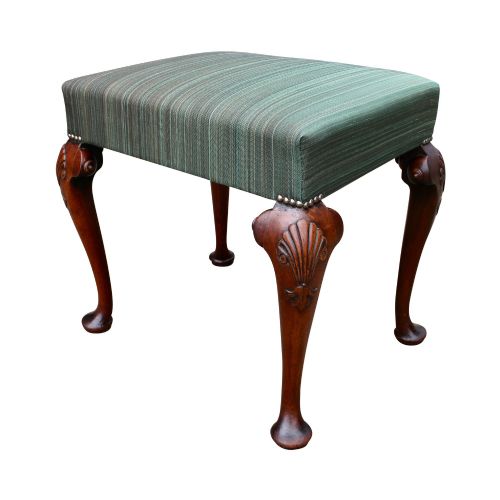
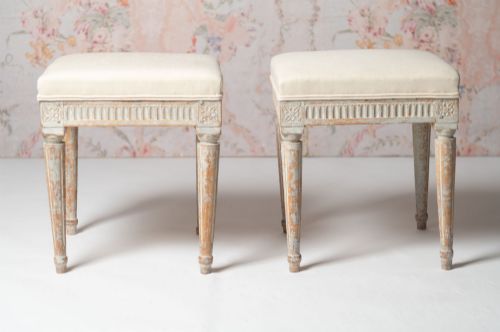
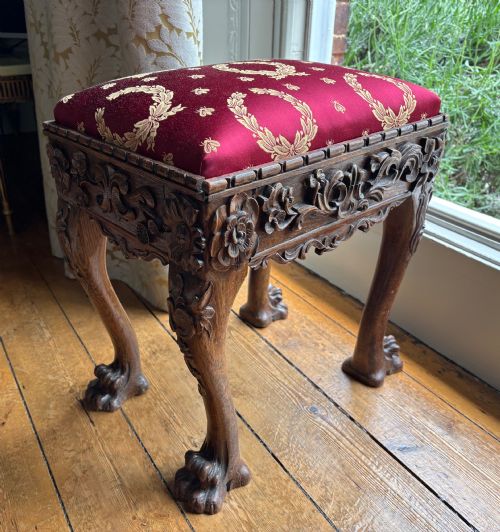
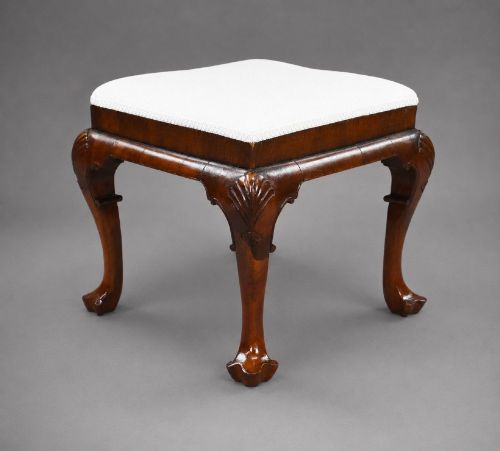
When you search for a vintage low stool, you encounter diverse seating forms originating from the Georgian period through to the early twentieth century. The selection includes specific variations such as rustic milking stools, dressing table stools, salon stools, and footstools.
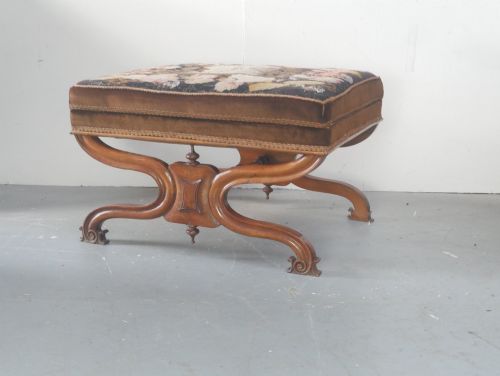
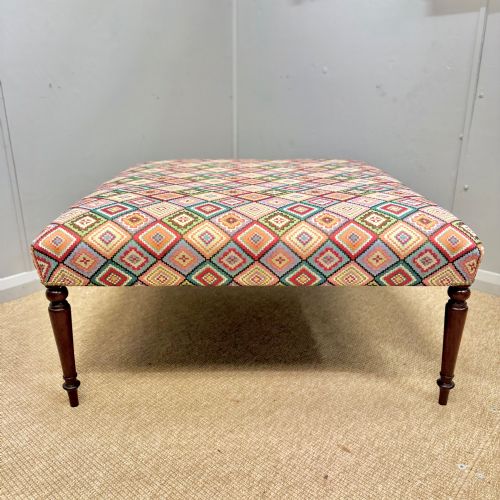
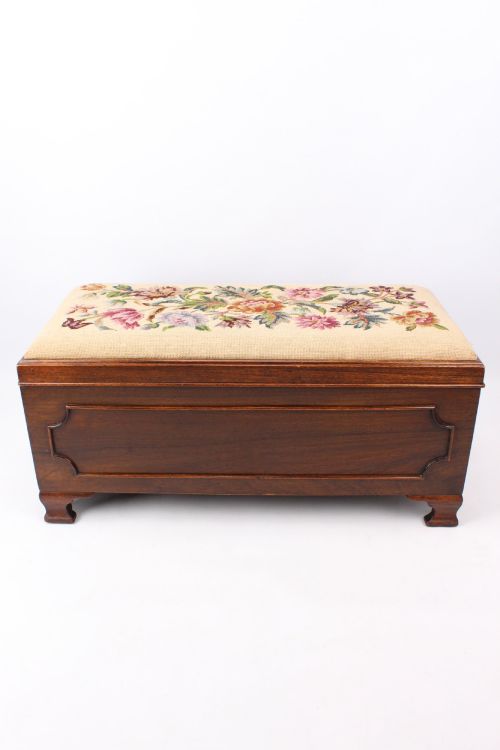
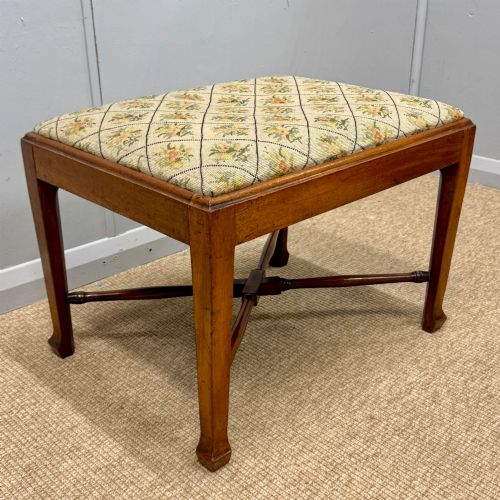
The pieces on this page span the eighteenth, nineteenth, and early twentieth centuries, encompassing Victorian Country and French Country styles. You are likely to meet both plain wooden forms and upholstered examples featuring needle point or textile coverings.
How they were made
Construction utilises solid timbers including oak, dark oak, walnut, elm, ash, and general hardwood. Artisans shaped these materials using traditional joinery and turned legs to create sturdy frames.
Surface finishes include original paint on rustic pieces, alongside carved wooden details and textile upholstery. Needle point work adds decorative surface texture to dressing table stools.
Retail Price Guide 2026
Typical UK retail prices for vintage low stool, calculated from the Sellingantiques database of over a million retail prices indexed since 2003. This retail price guide relies exclusively on Sellingantiques data; no external sources or auction records are used, so the figures do not describe the wider market.
A Birmingham jeweller's stool brings the hunched, focused energy of a Victorian workbench directly into the modern living room.
What varies in quality
Quality differences emerge in the selection of timbers and the sophistication of the carpentry, such as finely turned legs versus simple rustic carving. The integrity of the frame construction and the preservation of original paint or upholstery distinguish standard utility pieces from finer salon examples.
The refinement of period stylistic details, from Georgian proportions to Victorian upholstery standards, separates basic regional items from accomplished workshop production.
The Vintage Low Stool Glossary
- Milking stool
- A simple rustic seat, often with three legs, designed for agricultural labour.
- Needle point
- A form of canvas work embroidery used for upholstery and decorative panels on dressing table stools.
- Turned legs
- Furniture supports shaped on a lathe to create cylindrical and decorative profiles.
- Salon stool
- A refined seat designed for formal reception rooms, frequently executed in walnut during the Victorian era.
Frequently Asked Questions
What is a jeweller's stool?
A jeweller's stool is a specialised workshop seat designed for bench work, often constructed from sturdy timbers like elm and ash.
These pieces reflect specific occupational uses rather than domestic parlour display, showing practical adjustments for long hours of close handwork.
How do I identify a Georgian foot stool?
Georgian foot stools exhibit the formal design characteristics of the eighteenth century, utilising hardwoods and traditional joinery.
They serve primarily as low supports for the feet and often feature period upholstery styles distinct from later Victorian seating.
Where were milking stools used?
Milking stools originated in agricultural settings for use during daily farm chores, particularly milking livestock.
Their three-legged construction ensured stability on uneven floors in barns and fields before transitioning into decorative rustic home furnishings.
What is a salon stool?
A salon stool is an upholstered domestic seat intended for refined interior spaces like drawing rooms and boudoirs.
These pieces typically date from the nineteenth century and employ decorative woods such as walnut alongside textile coverings.