


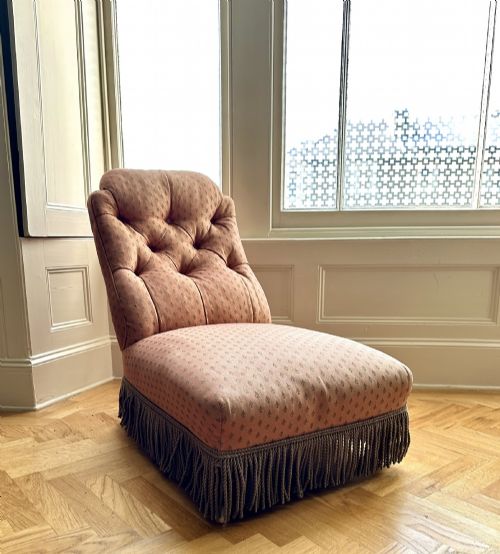

Vintage Low Accent Chair
A vintage low accent chair brings period character and low-slung seating to a room, drawing on Victorian and Edwardian forms.
Vintage Low Accent Chair
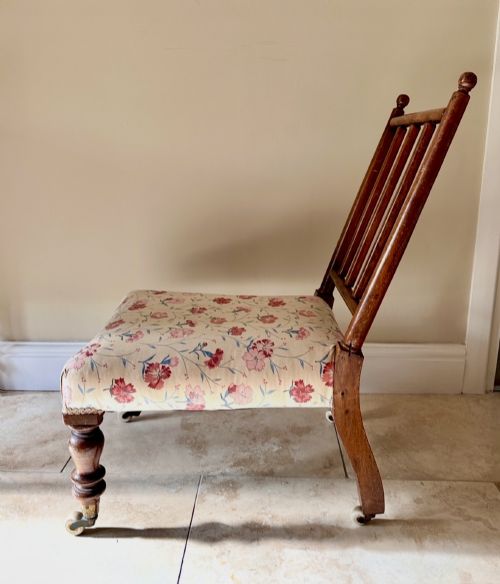
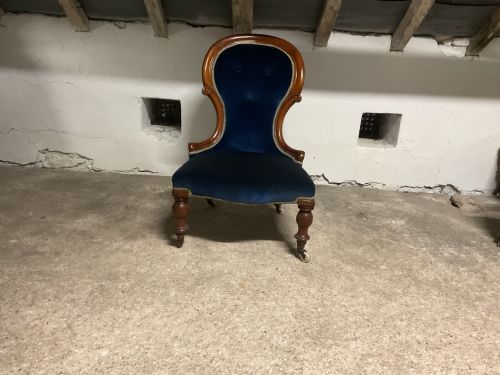
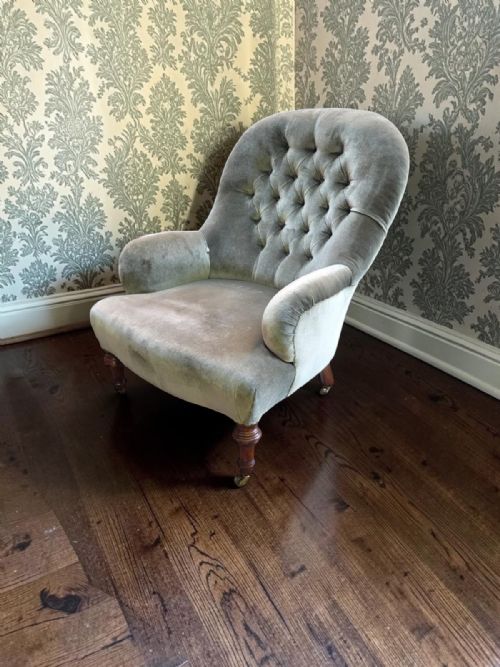
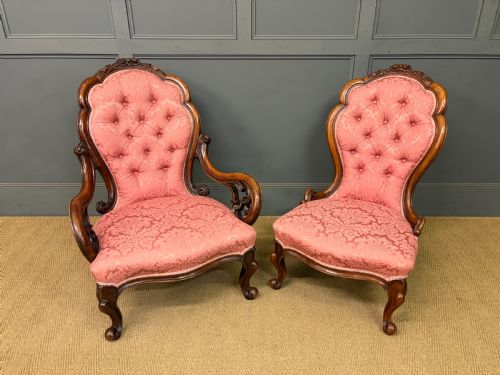
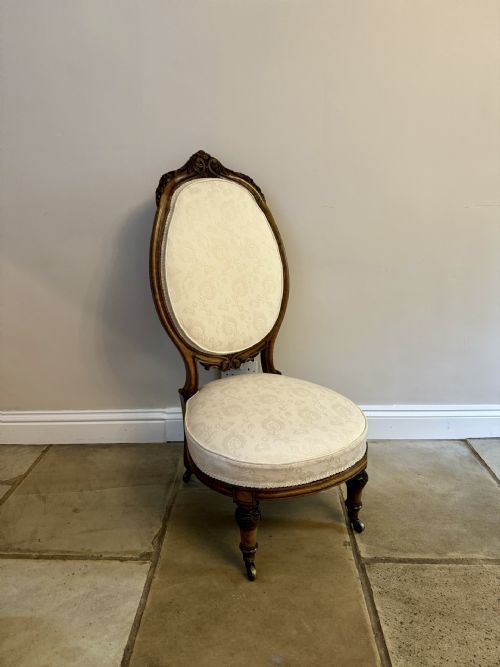
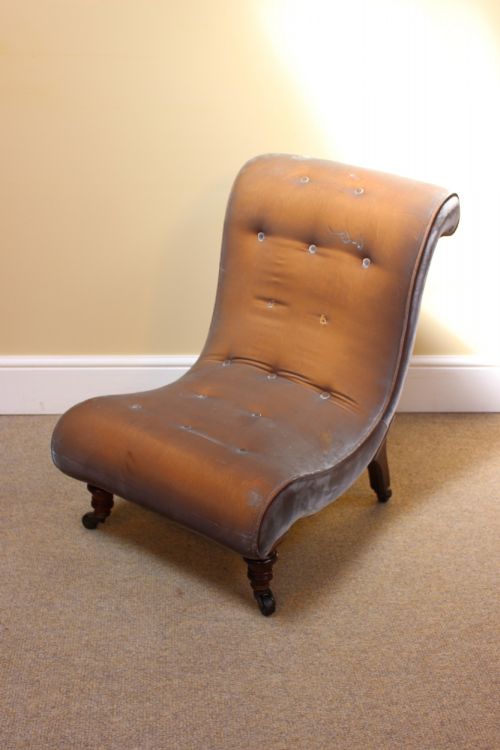
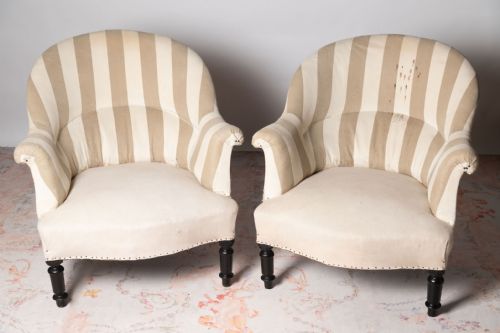
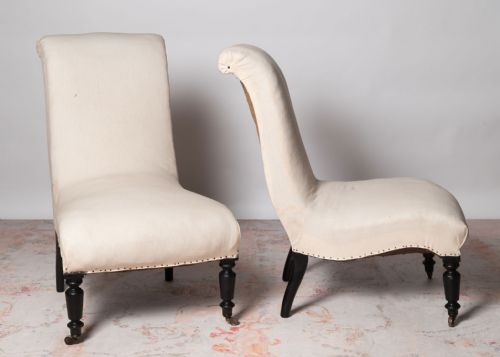
A vintage low accent chair spans forms such as slipper chairs, nursing chairs, boudoir chairs, and salon chairs dating from the nineteenth century into the early twentieth century. You will frequently encounter Victorian and Edwardian examples designed with compact proportions for bedroom, drawing room, or boudoir use.
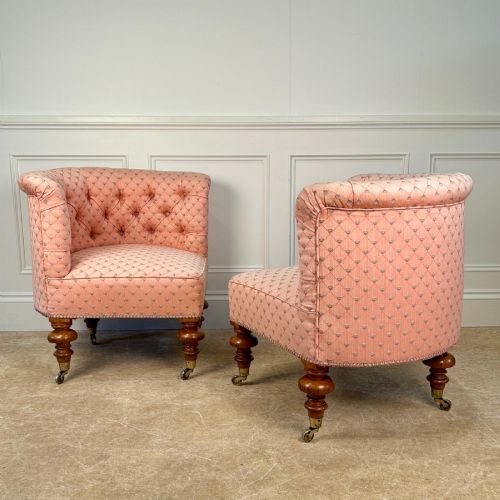
These pieces encompass diverse stylistic influences, ranging from French Chateau and Napoleon III designs to Arts and Crafts oak frames and Queen Anne style details. The selection brings together low armchairs, corner chairs, and gossip chairs created for intimate seating.
Makers and retailers such as Liberty Morris & Co and Wheeler of Arncroach appear alongside unassigned English and French workshop pieces. The core of the offering relies on period seating adapted for modern low-profile placement.
Materials and construction
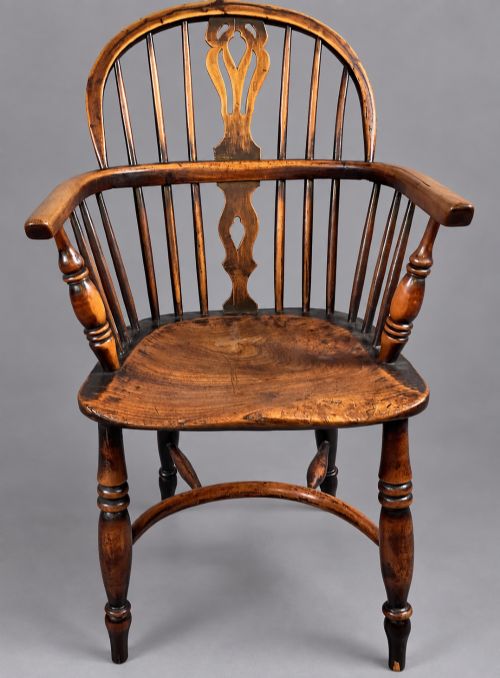
Frames rely primarily on hardwoods such as mahogany, walnut, and oak, often shaped with carved walnut, inlaid mahogany, or ebonised and gilt legs. Structural integrity depends on traditional joinery suited to low-slung seating.
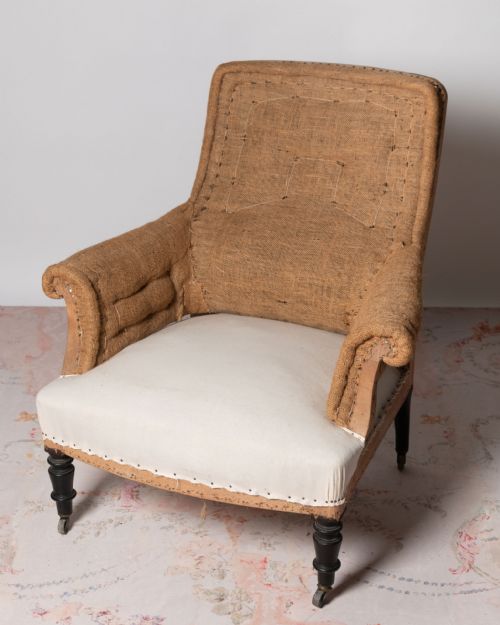
Upholstery employs traditional textile coverings including velvet, carpet, linen, and rush seating, frequently finished with button backs and fringe detailing. Early examples utilise coiled springs and horsehair stuffing beneath the outer fabric layer.
Gossip chairs whisper tales from 1900, engineered specifically so two people could chat whilst facing opposite directions.
Judging the standard
Quality reveals itself in the crispness of the timber carving, the refinement of inlay work, and the structural balance of the frame. Superior examples demonstrate expert joinery in curved components like spoon backs and scroll arms.
The standard of upholstery materials and the fidelity of restoration work distinguish finer specimens. Original elements like retained rush seats or documented maker stamps elevate a piece above standard workshop production.
Liberty Morris And Co·Wheeler Of Arncroach·Howard And Sons
The Vintage Low Accent Chair Glossary
- Slipper chair
- A low-seated upholstered chair originally designed for ladies' bedrooms for dressing. These seats sit close to the floor.
- Nursing chair
- A low Victorian armchair traditionally used for feeding infants or sewing. The reduced height provides comfortable ergonomic support.
- Button back
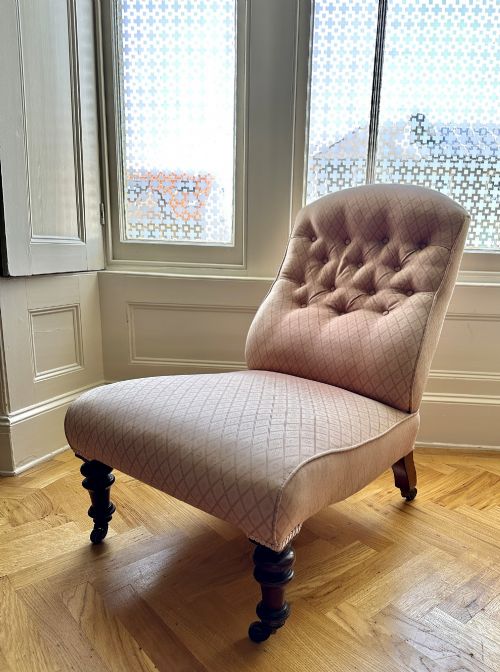
- An upholstery technique where buttons are pulled deep into the padding to create a quilted diamond pattern. This secures the internal stuffing.
- Gossip chair
- An early twentieth century seat featuring an asymmetrical design intended for intimate conversation. These often pair with oak or mahogany frames.
- Rush seated
- A woven seating surface made from dried marsh grasses. This technique appears on Arts and Crafts chairs.
Vintage Low Accent Chair: Frequently Asked Questions
What is a vintage low accent chair used for?
These chairs provide low-slung occasional seating in living spaces, bedrooms, and dressing rooms. Their compact proportions make them suitable for smaller corners where standard armchairs overwhelm the floor plan.
Historically, specific variants served practical functions like dressing or nursing infants. Today, they function primarily as decorative accent pieces that introduce period texture into an interior.
How do I identify a Victorian example?
Victorian pieces frequently feature dark timbers such as walnut and mahogany, often paired with button-backed upholstery, spoon backs, or carved wooden details. Their frames tend to emphasise curves and deep padding.
Later Edwardian versions often incorporate lighter woods, simpler inlaid decoration, or exposed oak frames reflecting Arts and Crafts influence.
Were these chairs originally used in bedrooms?
Many low chairs, particularly slipper and nursing designs, originated as bedroom or boudoir seating where ladies dressed or cared for children. Their reduced height allowed for ease of use near dressing tables.
Salon and drawing room chairs served formal entertaining spaces. Over time, these distinctions relaxed, allowing all such low seating to migrate into general living areas.
How should I care for antique upholstery?
Protect delicate textiles such as velvet, silk, and vintage linen from direct sunlight to prevent fading and fibre degradation. Regular gentle vacuuming with a soft brush attachment removes surface dust.
Consult a professional restorer experienced in period techniques for deeper cleaning or reupholstery work. Preserving original internal stuffing maintains the historical integrity of the piece.