
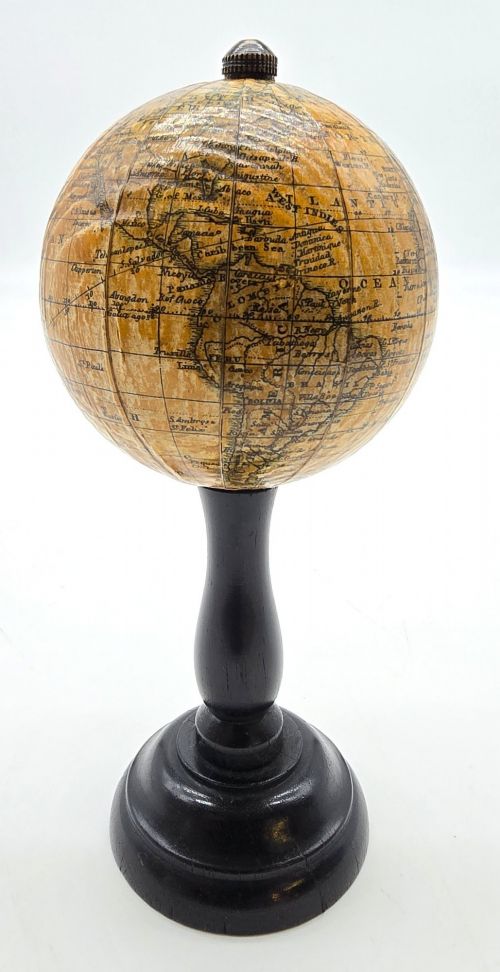
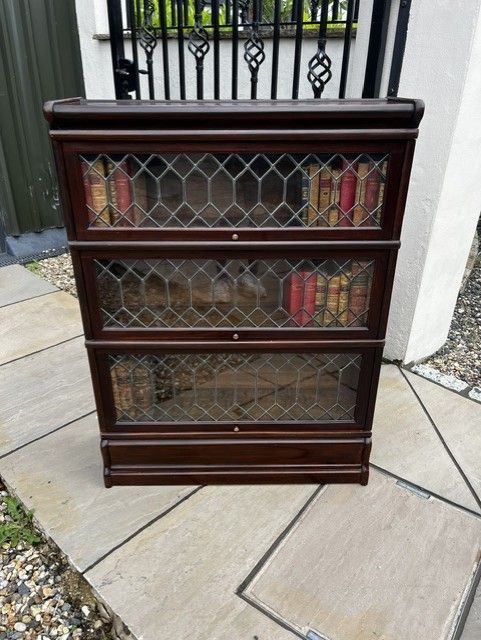
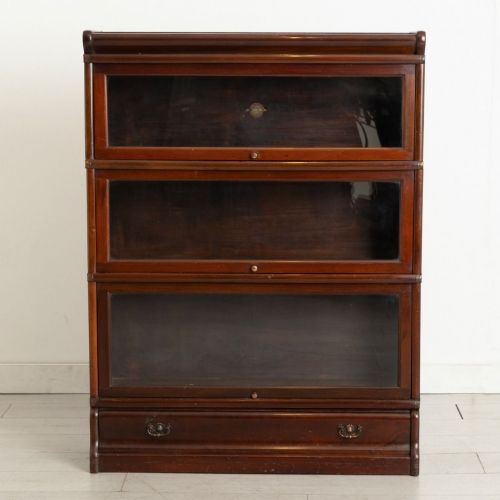
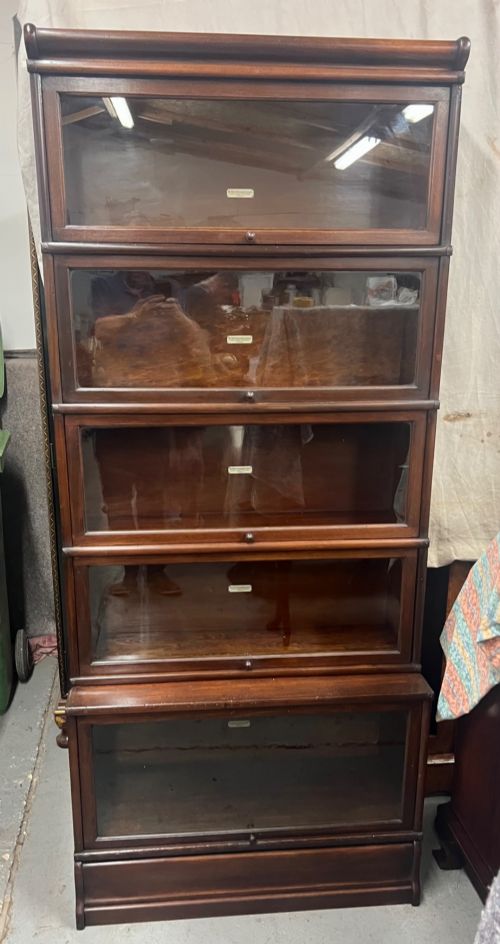


Vintage Library Globe
A vintage library globe brings the geography of earlier centuries into a room, offering a tactile anchor for a study or reading space.
Vintage Library Globe
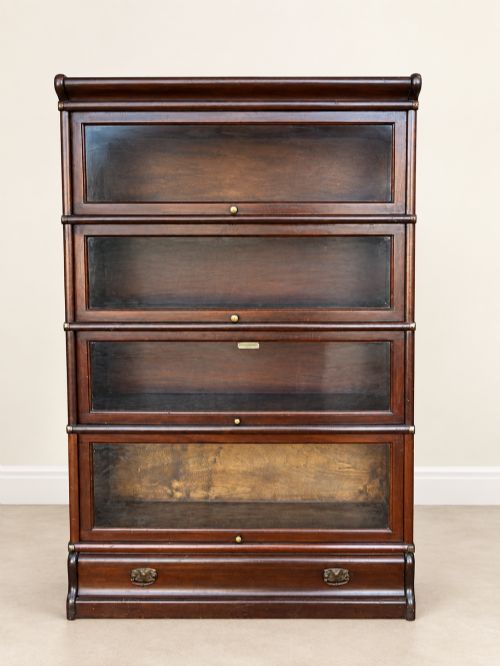
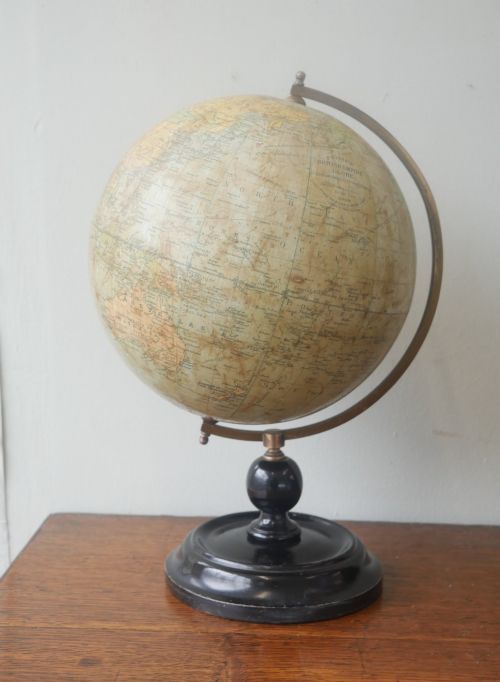
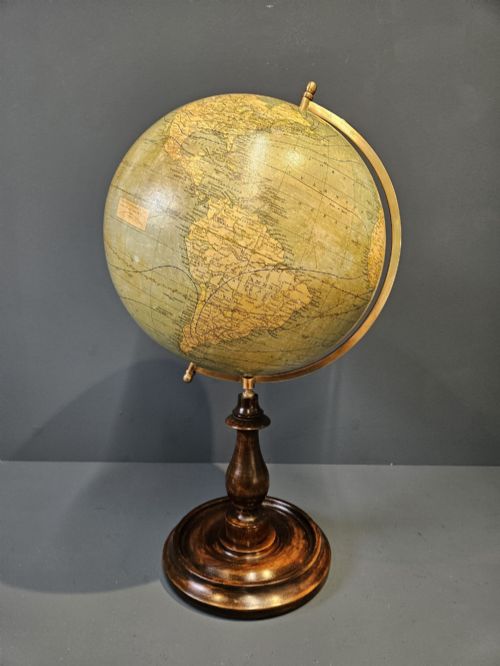
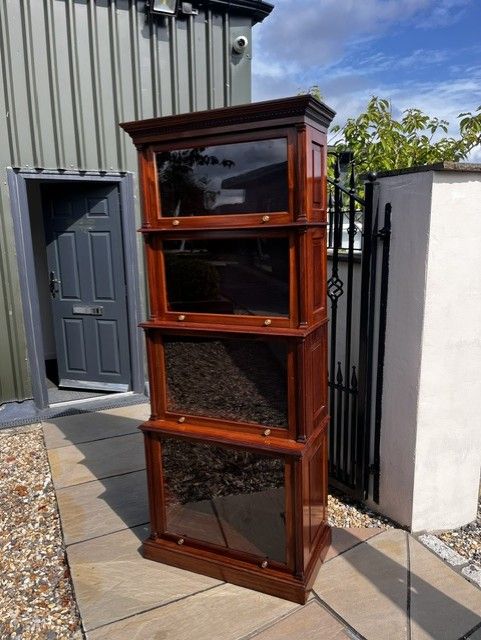
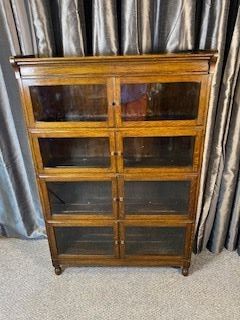
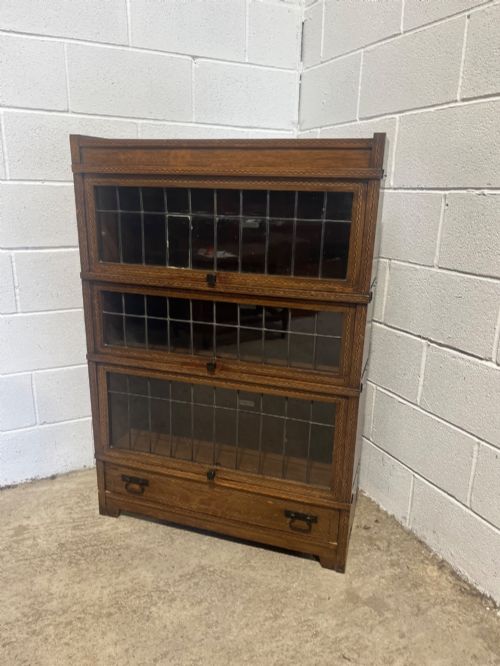
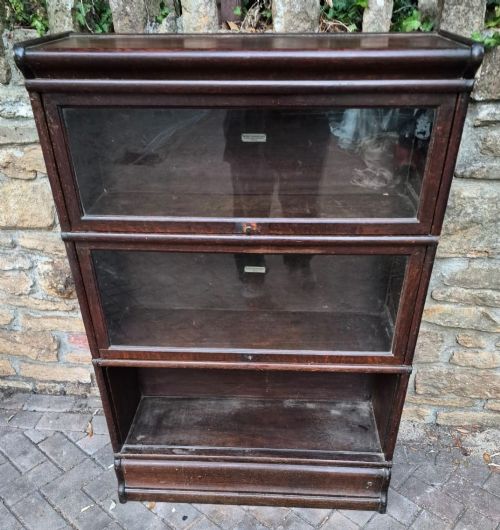
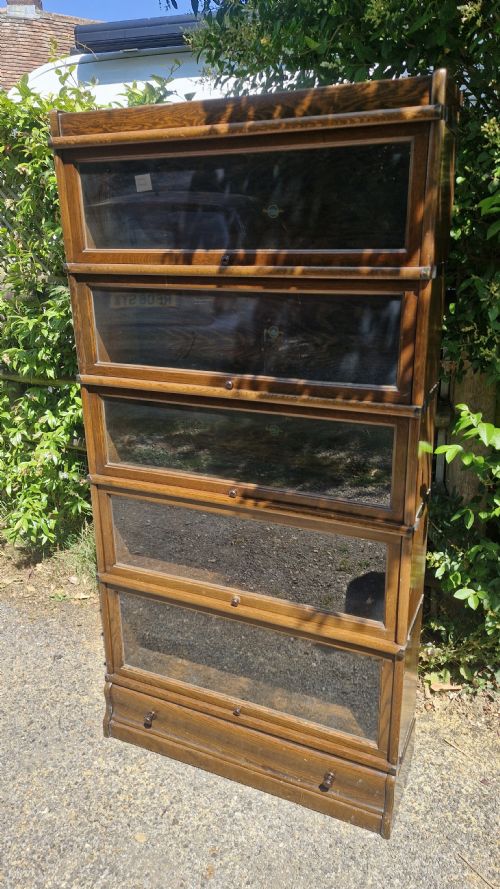
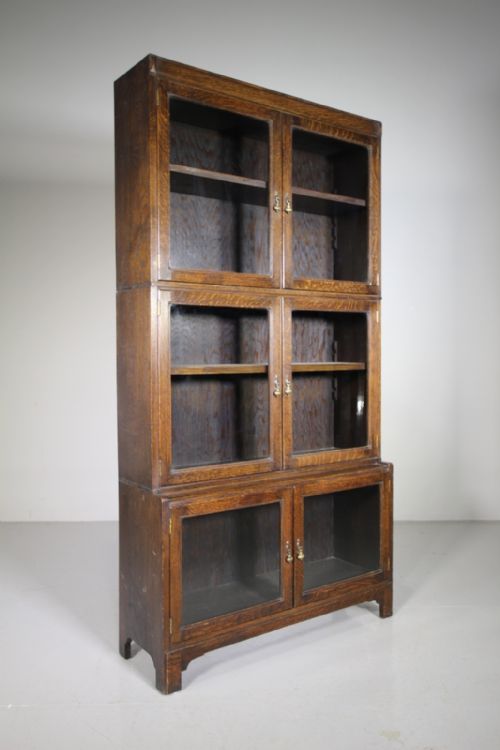
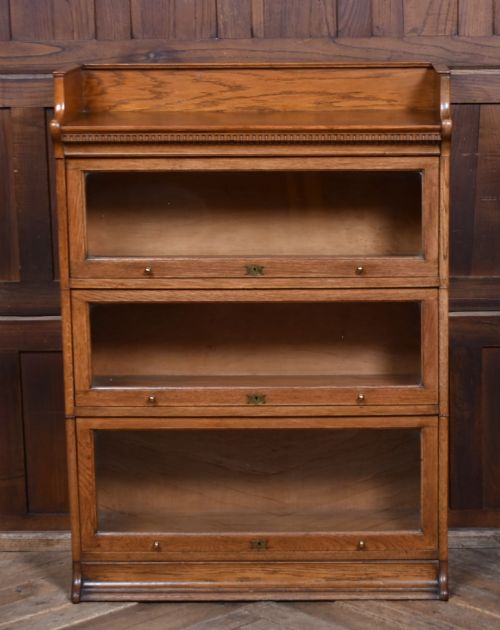
A vintage library globe brings together geographical learning and period furniture, taking forms such as desk globes, desktop globes, table globes, and large floor-standing globes. Buyers searching for a vintage library globe will frequently encounter pieces paired directly with sectional bookcases and barristers bookcases from the early twentieth century.
The selection spans centuries of cartography and cabinetmaking, stretching from eighteenth-century miniatures through Victorian and Edwardian examples to interwar pieces. Alongside standalone globes, the inventory includes related study furniture like oak and mahogany bookcases designed to house working libraries.
Makers and publishers represented in the material range from British firms to continental cartographers, appearing on stands fashioned from walnut, oak, mahogany, and ebony. These objects served both practical reference purposes and decorative roles in studies, libraries, and offices.
Materials and construction
Globe spheres were typically constructed from plaster applied over a core, then covered with printed paper gores that mapped the terrestrial or celestial spheres by hand or machine. These paper surfaces were often hand-coloured to delineate countries, empires, and shipping routes.
Mountings and stands utilise traditional cabinet timbers including solid oak, mahogany, walnut, and ebony, combined with brass meridian rings, metal axes, and lead weighting for stability. Sectional bookcases accompanying these globes rely on clever mechanical linkages and glazed doors to protect volumes.
Several globes still display vanished empires and long-forgotten railway lines across their hand-coloured paper gores.
Assessing quality
Quality in these globes rests upon the legibility and crispness of the cartographic printing, the accuracy of the gores' alignment along the seams, and the original integrity of the paper surface against toning and fading. Fine examples retain their original varnish layers and move smoothly within their brass meridian rings.
For the accompanying stands and library furniture, superiority lies in the depth of timber grain, the original finish of the oak or mahogany, and the smooth operation of stacking bookcase mechanisms by makers such as Globe Wernicke, Lebus, or Minty. Complete matching sets and robust feet elevate the standing of any piece.
Geographia·Phillips·Bacon·Globe Wernicke·Heal·Lebus·Minty·J Forest·Malby·Carey·Chandy Charan And Co·Carl Adami·AMYL·Gunn
The Vintage Library Globe Glossary
- Gores
- The paper segments, typically lunate in shape, printed with map details and applied to the sphere of a globe. Precise alignment of these segments is essential for a correct map representation.
- Barrister bookcase
- A modular office bookcase featuring stacked tier sections with upward-lifting glazed doors. They were designed for easy transport and rearrangement in legal and home libraries.
- Terrestrial globe
- A scale model of the Earth displaying landmasses, oceans, political boundaries, and trade routes. These contrast with celestial globes, which map the stars and constellations.
Vintage Library Globe: Frequently Asked Questions
What is a sectional bookcase?
A sectional bookcase consists of individual modular tiers stacked vertically, often fronted by glass panel doors that lift and slide inward.
These modular units allowed owners to add shelving space incrementally as their library collections grew during the late nineteenth and early twentieth centuries.
How do I read a terrestrial globe?
A terrestrial globe shows geographical and political boundaries as recorded at the specific time of its manufacture and publication.
Examining the place names, colonial territories, and shipping lanes helps place the globe within its historical period and cartographic tradition.
Where were floor globes placed?
Floor globes were traditionally housed in studies, libraries, and administrative offices as functional reference tools for scholars and travellers.
Their substantial walnut or oak stands kept them stable and accessible at the centre or corner of a room for consultation.