





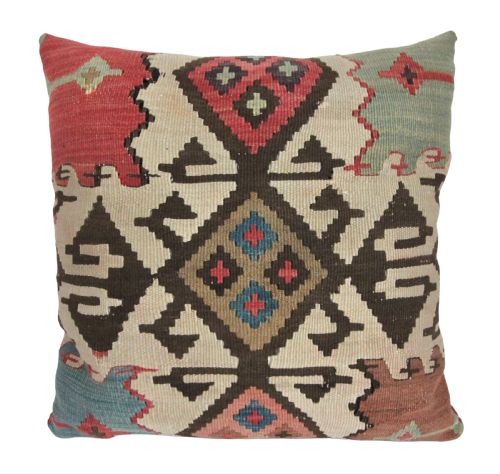
Vintage Kilim Pillow
These vintage kilim pillow examples are textile fragments transformed into soft furnishings, prized for their rich tribal patterns and authentic nomadic history.
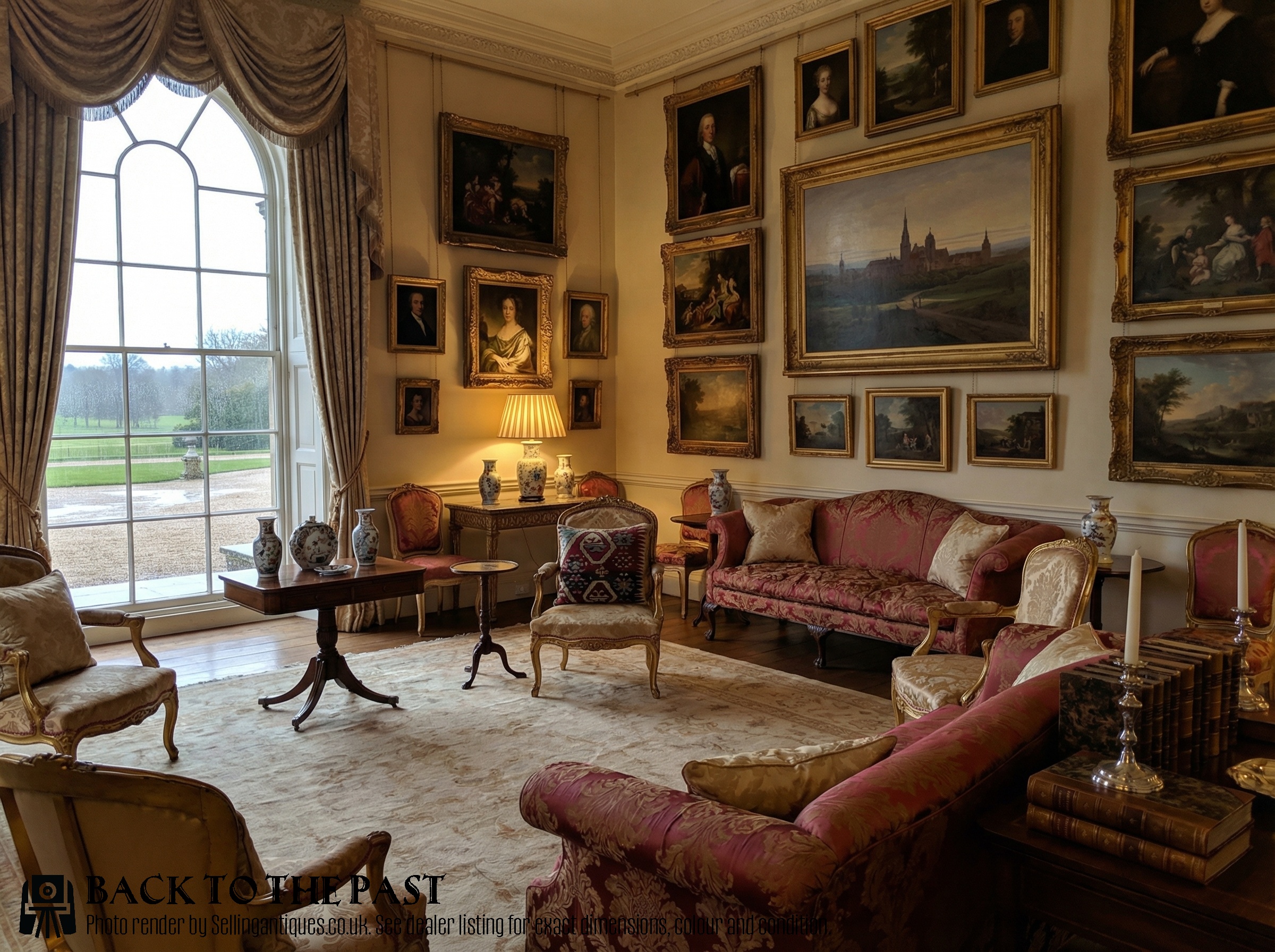
Vintage Kilim Pillow
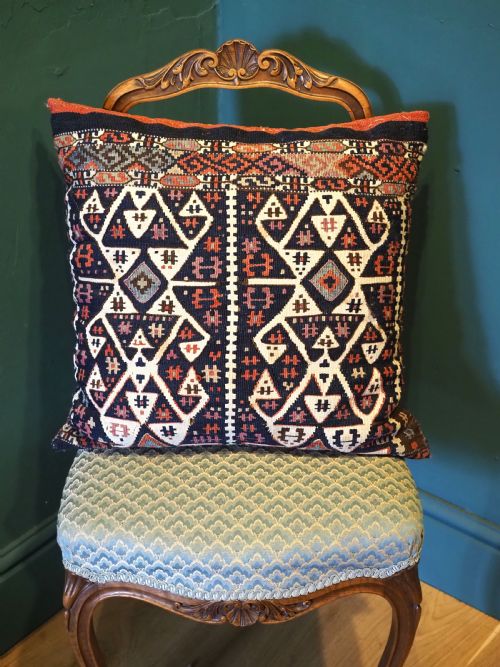
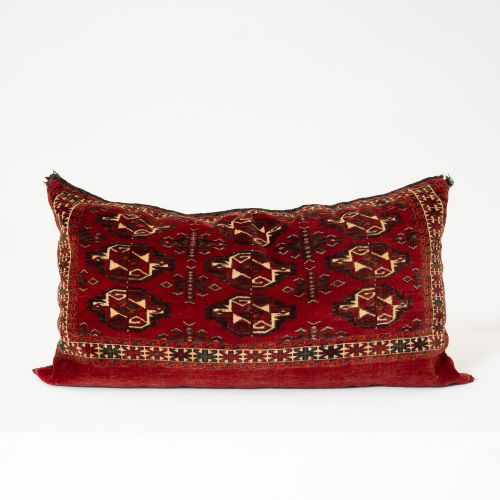
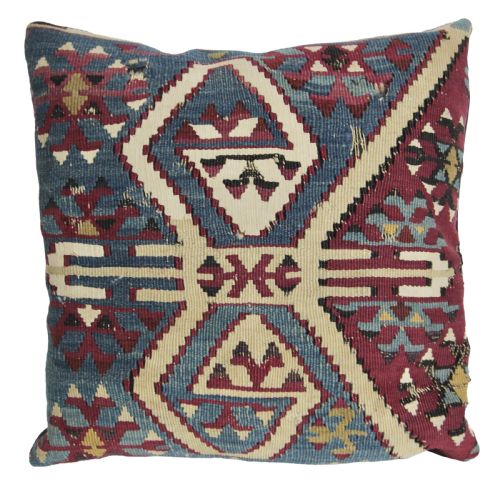
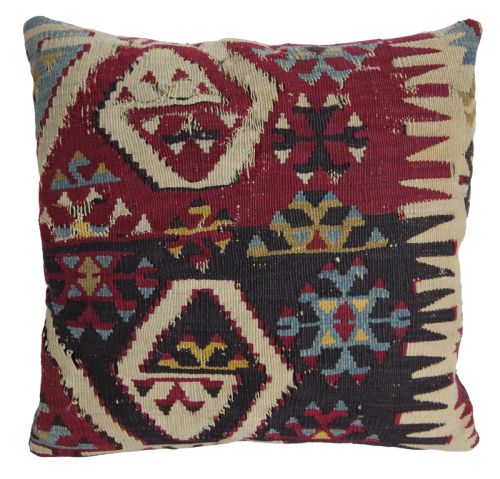
When you search for a vintage kilim pillow, you encounter flatwoven cushions constructed from antique textiles, saddle bags, and bag faces originating from tribal communities. The pieces available here draw heavily on Anatolian, Turkmen, and Persian traditions, spanning the nineteenth and early twentieth centuries.
Most examples utilise repurposed utilitarian items such as torbas, chuvals, and saddle bags, which are carefully backed and stuffed to serve as throw cushions. These items bring genuine nomadic design into contemporary interiors through durable wool flatweaves.
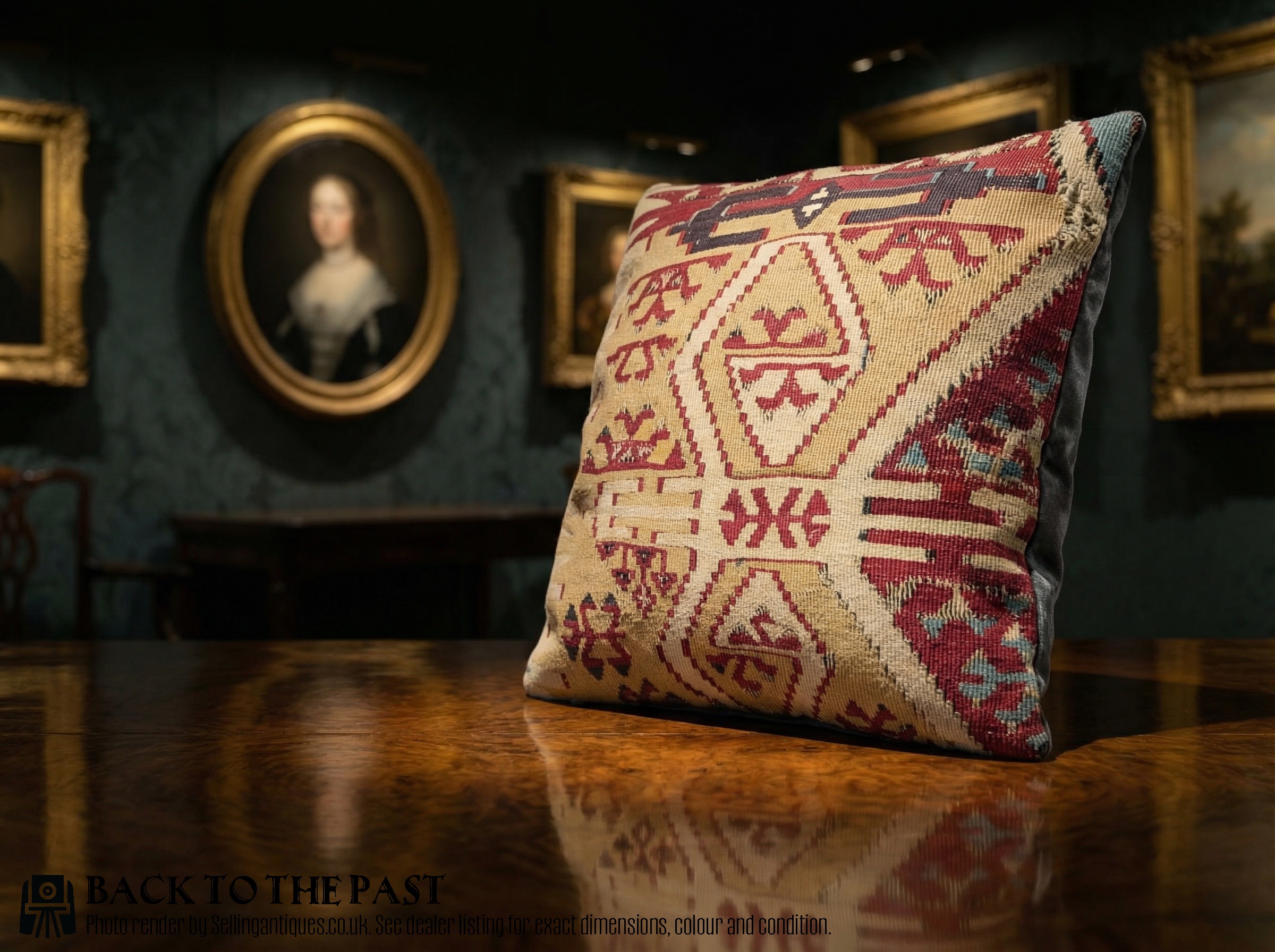
What varies in quality
Quality in these cushions rests upon the tightness of the weave and the complexity of the original tribal design. Finely spun wool and well-preserved natural dye colours indicate superior craftsmanship in the underlying textile.
The integrity of the flatweave surface and the skill involved in adapting an antique bag face or saddle bag into a cushion shape determine the overall calibre of the piece.
Nomadic weavers occasionally incorporated minor deliberate irregularities into their geometric patterns to ward off the evil eye.
The Vintage Kilim Pillow Glossary
- Kilim
- A flatwoven textile produced without a pile by tightly interlacing warp and weft strands. This technique results in a thin, tapestry-like fabric suitable for floor coverings and soft furnishings.
- Chuval
- A large storage bag made by Turkmen tribes, often featuring distinctive guls or geometric medallions. Fragments of these functional bags frequently form the face of decorative cushions.
- Mafrash
- A rectangular storage container or bedding bag woven by nomadic groups in flatweave or pile techniques. Surviving panels from these pieces are repurposed into cushions.
- Slit tapestry weave
- A weaving method where the weft threads return at the boundary of a colour block, creating a small vertical slit in the fabric. This characteristic structure defines traditional flatweaves.
- Bag face
- The decorative front panel of a nomadic storage sack, preserved for its intricate patterns and superior weaving quality. These panels form the primary visual element of many scatter cushions.
Vintage Kilim Pillow: Frequently Asked Questions
What is a vintage kilim pillow made from?
These items are fashioned from historic flatwoven wool textiles, frequently incorporating hand-spun yarn and cotton foundations. The decorative faces originate from tribal nomadic weaving traditions.
Natural dyes provide the varied colour palette seen across the wool surfaces. Each cushion represents a repurposed section of a larger historical textile.
How should I clean my cushion?
Gentle surface cleaning or specialist textile dry cleaning preserves the aged wool fibres and natural dyes. Avoid submerging antique flatweaves in water or using harsh chemical detergents.
Regular airing and light vacuuming through a mesh screen help maintain the condition of the wool. Professional textile conservators offer the best advice for delicate fragments.
Are these cushions made from old carpets?
While some derive from carpets, many utilise utilitarian nomadic items such as saddle bags, torbas, and chuvals. These functional pieces were originally woven for daily use by tribal groups.
Using bag faces and storage sacks allows weavers to display intricate geometric motifs in a smaller format. The resulting cushions retain authentic historical character.
How do I identify regional tribal designs?
Anatolian, Turkmen, and Persian traditions display distinct colour combinations and geometric vocabulary. Yomut and Qashqai groups, for instance, utilise specific medallion structures and border arrangements.
Studying the specific weave density and wool preparation helps connect a cushion to its geographic origin. Regional palettes often rely on local plant-based dye sources.