


Vintage Kashmiri Table
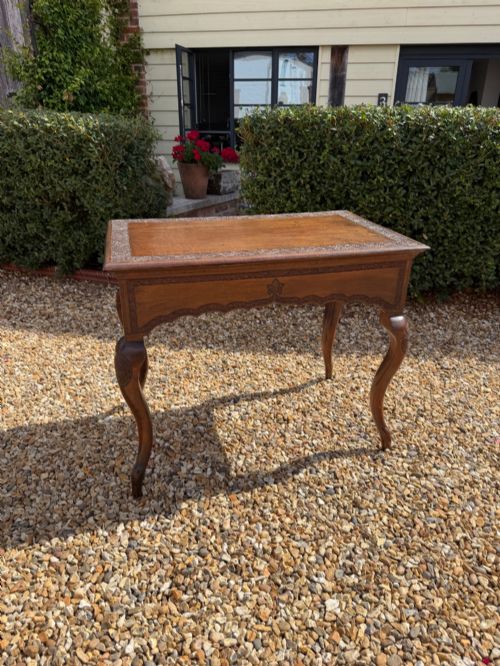
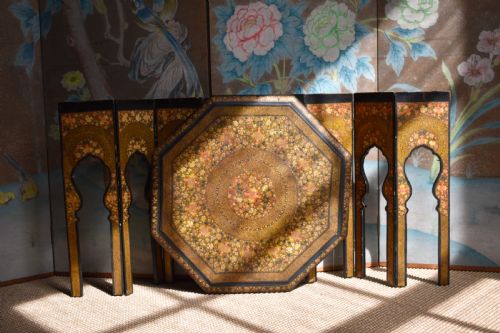
These vintage kashmiri table examples bring intricate painted surfaces and rich carved walnut into a room.
Vintage Kashmiri Table
A vintage kashmiri table delivers distinct regional character through hand-painted surfaces and carved woodwork. Buyers seek these items to introduce rich colour and detailed pattern into domestic interiors.
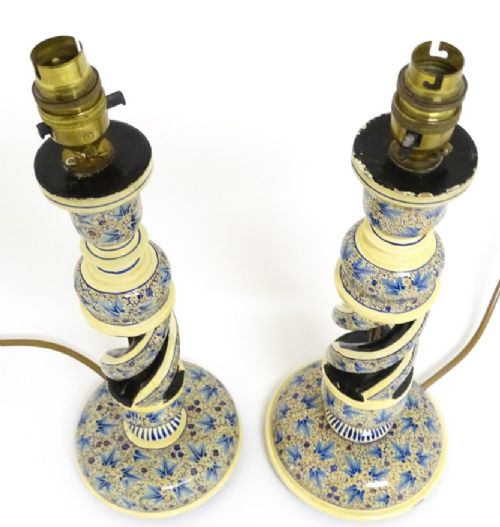
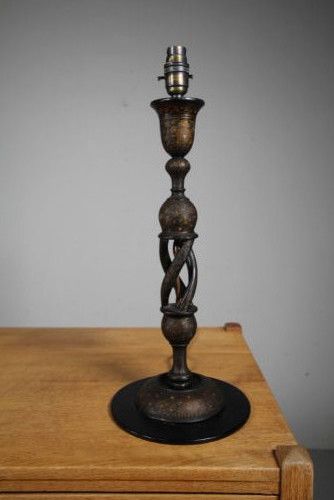
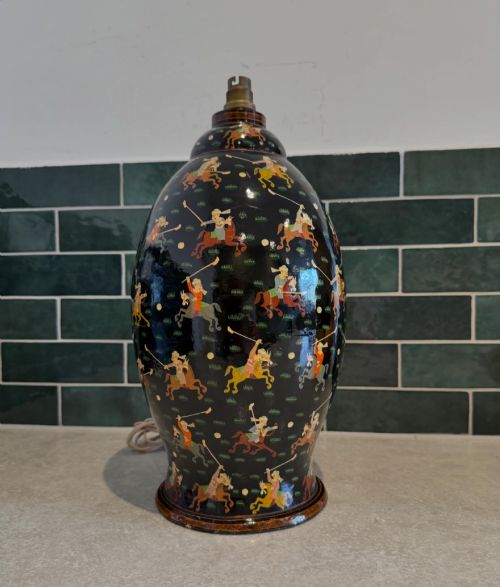
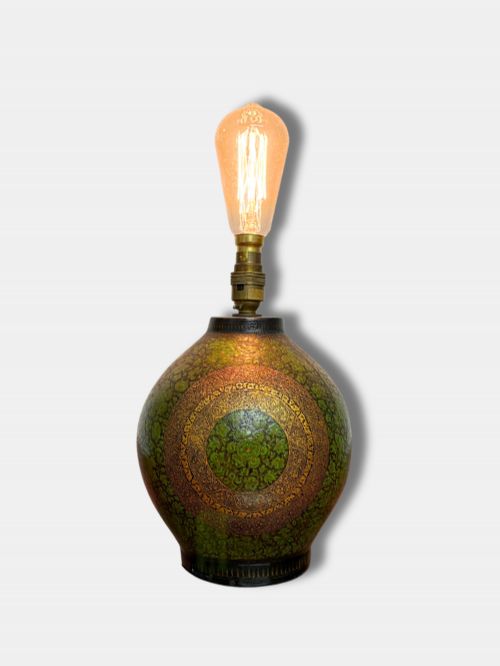
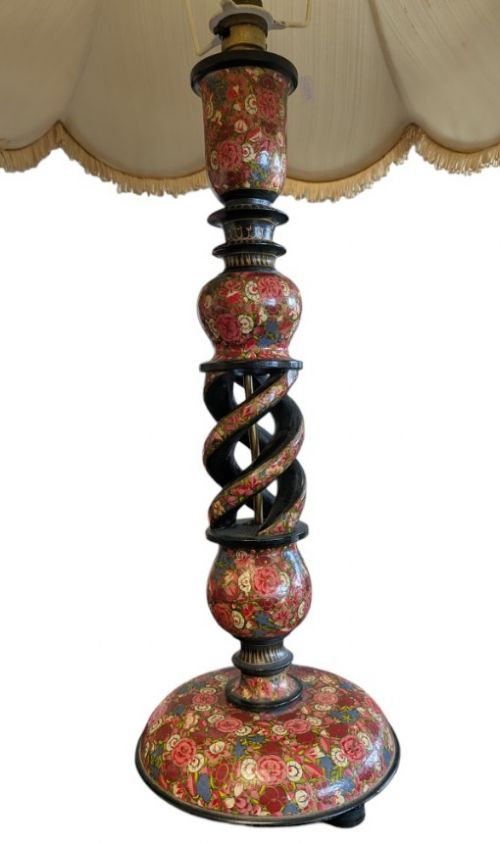
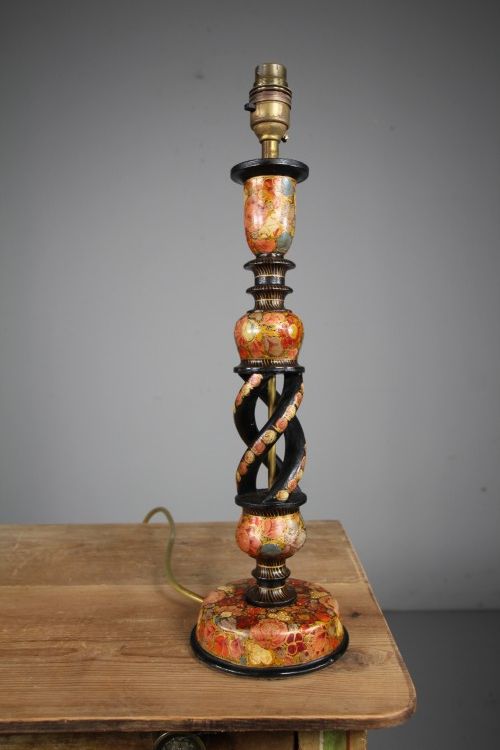
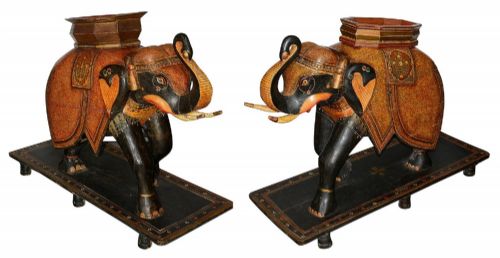
The selection on this page centres on occasional tables, side tables, and nesting tables alongside related walnut trays and lamps. Pieces span from the Victorian era and the nineteenth century through the early twentieth century, including items from 1860, 1880, 1900, 1910, 1920, and 1930.
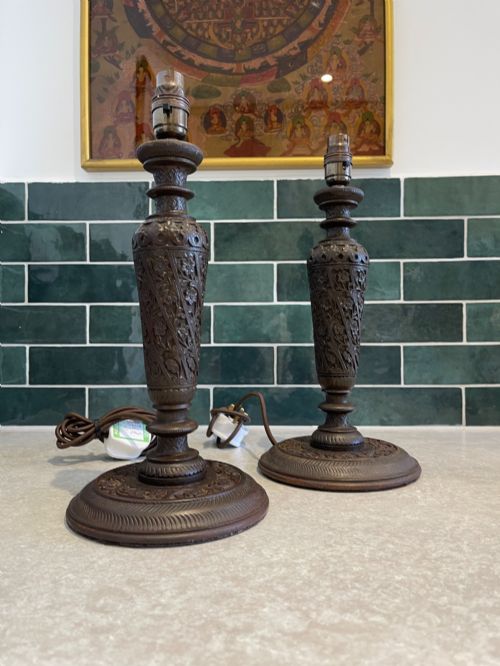
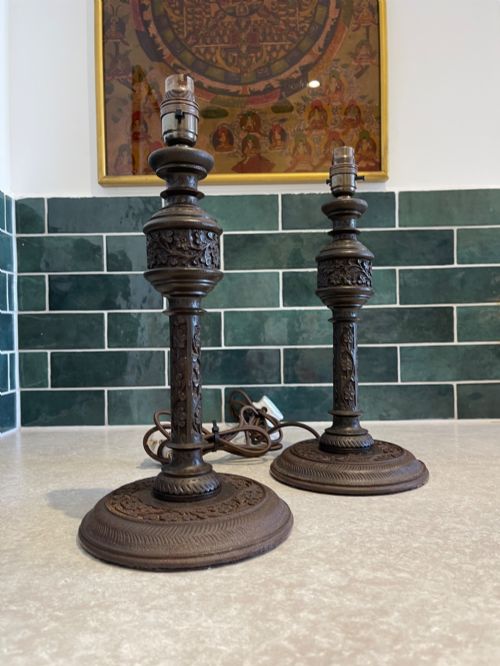
Walnut and carved wood form the structural backbone of these tables, while smaller items incorporate lacquer, brass, fabric, and papier-mache. Anglo-Indian and Kashmiri folk art styles dominate the decorative vocabulary across the inventory.
How they were made
Artisans shape these objects from solid walnut and carved wood, utilising traditional woodworking techniques suited to regional timber. Tables often feature intricate relief carving across the surface.
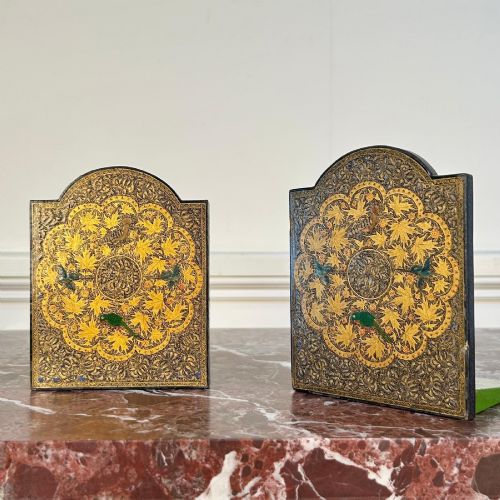
Makers apply detailed hand-painted decoration, utilising gilt gold and green pigments alongside cream backgrounds and lacquer finishes. Papier-mache serves as an alternative medium for moulded lamp bodies and decorative items.
Listings feature walnut, carved wood, and papier-mache alongside lacquer and brass across nineteenth-century and early twentieth-century periods.
What varies in quality
Quality rests in the precision of the hand-painted detailing and the crispness of the carved wood. Finer examples display meticulous brushwork and intricate patterns that cover the entire surface without blurring.
The choice of dense walnut and the preservation of original lacquer or gilt finishes elevate certain items above standard production. The depth and complexity of the carving dictate the visual impact of each table.
The Vintage Kashmiri Table Glossary
- Lacquer
- A durable resin finish applied to surfaces to create a smooth, protective coat. It enhances painted details and preserves the underlying material.
- Papier-mache
- A composite material made from paper pulp or layers of paper bound with glue, then moulded and painted. It allows for lightweight decorative objects and lamp bases.
- Anglo-Indian
- A design style reflecting British influence on Indian craftsmanship during the colonial period. It blends traditional eastern motifs with western furniture forms.
- Gilt
- A thin layer of gold applied to surfaces to provide a decorative metallic sheen. It highlights specific carved details on tables and lamps.
Vintage Kashmiri Table: Frequently Asked Questions
How do I clean a vintage kashmiri table?
Dust surfaces gently with a dry, soft cloth to protect delicate painted details and lacquer finishes. Avoid harsh chemical cleaners or excess moisture, which can damage old wood and pigments.
Regular care preserves the integrity of the hand-painted decoration. Keep these items away from direct sunlight and heat sources to prevent the wood from drying out.
Are these tables sturdy enough for daily use?
Most pieces function well as side tables, occasional tables, or nesting sets for everyday placement in a sitting room. Solid walnut construction provides adequate strength for holding lamps or books.
Heavily carved or lacquer-finished surfaces benefit from coasters and careful handling. Assessing the specific build of each table helps determine its suitability for active daily spaces.
What styles define these pieces?
The inventory reflects Kashmiri folk art and Anglo-Indian design traditions. These styles combine intricate surface painting with deep relief carving on walnut and other woods.
Motifs often draw from regional flora and fauna. The visual language balances elaborate decorative patterns with functional furniture forms.
How do I date a kashmiri table?
Dating relies on stylistic markers, construction methods, and material choices associated with the nineteenth century and early twentieth century. Pieces span the Victorian period through the 1930s.
Examining the type of paint, wood grain, and joinery offers clues to age. Historical records and comparable pieces in archives help narrow down the decade.