
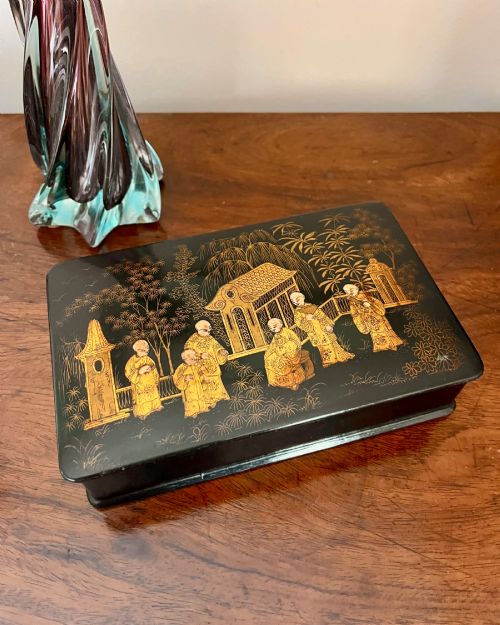
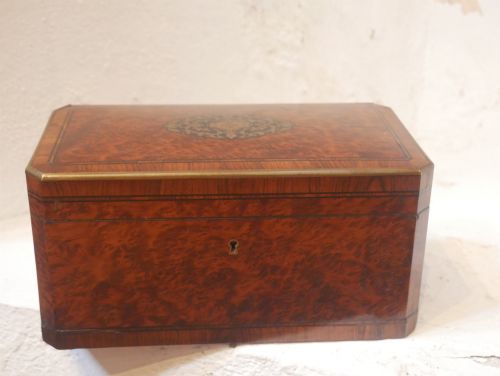
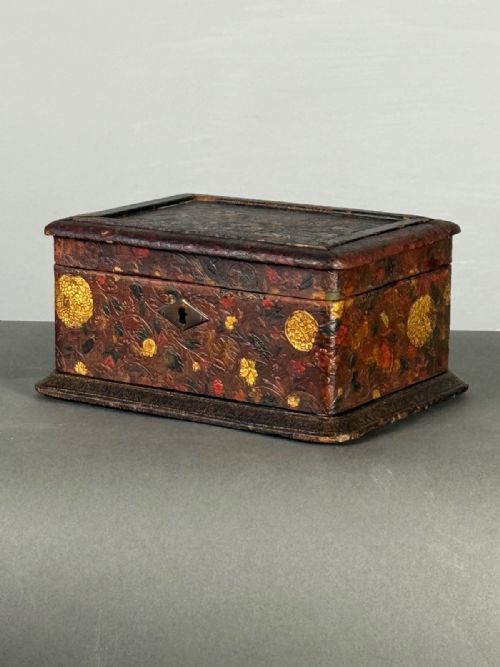
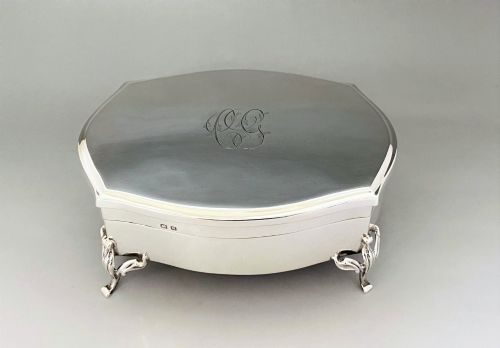

Vintage Jewellery Casket
A vintage jewellery casket holds small treasures securely on a dressing table while bringing period craftsmanship into daily use.

Vintage Jewellery Casket
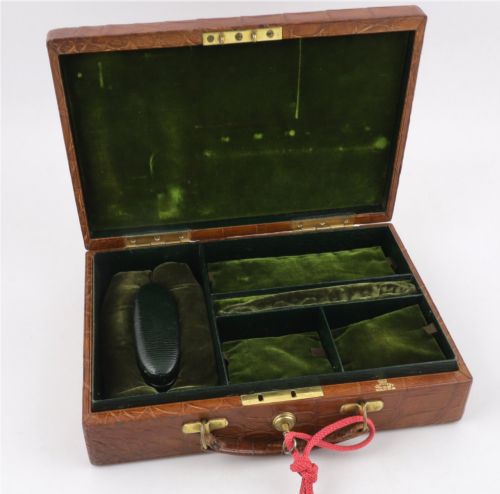
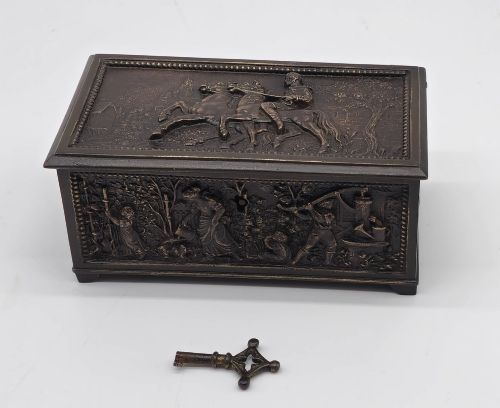
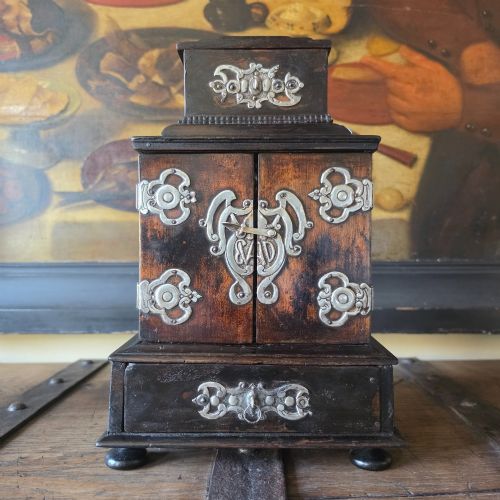
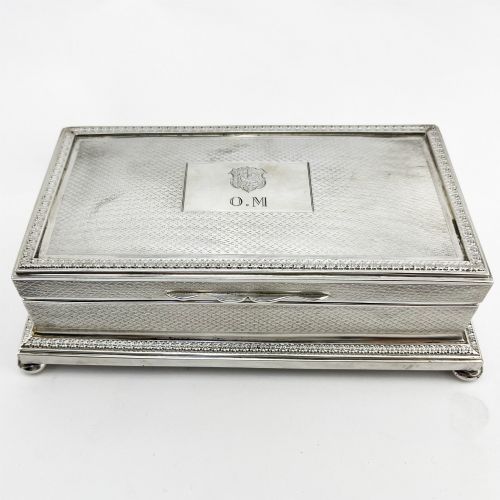
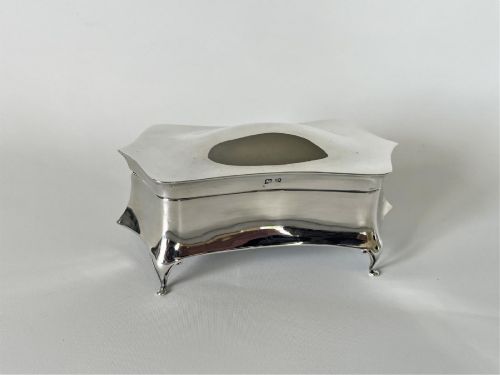
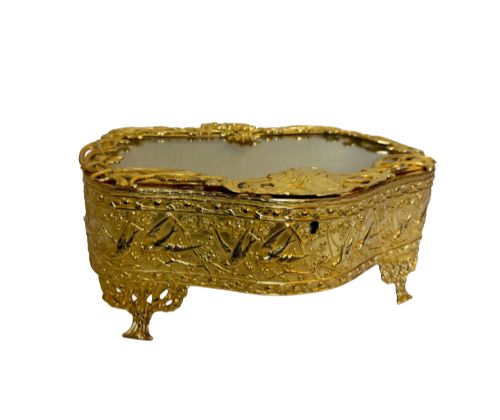
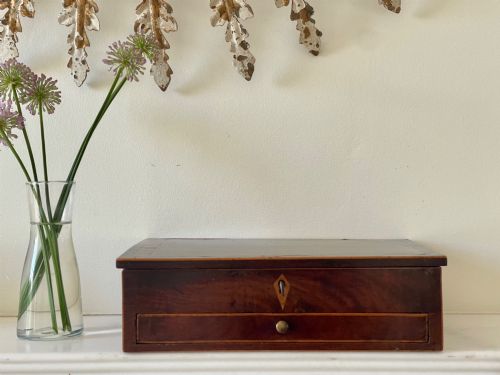
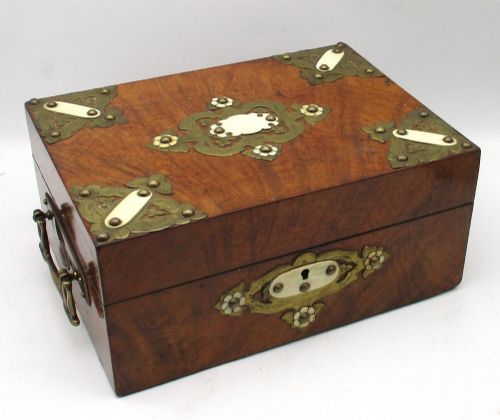
A vintage jewellery casket encompasses small decorative containers designed to hold rings, necklaces, and personal valuables. These pieces range from simple wooden trinket boxes to elaborate cabinets clad in metal, leather, or tortoiseshell. Buyers searching this phrase meet items originating from the nineteenth century through to the mid-twentieth century.
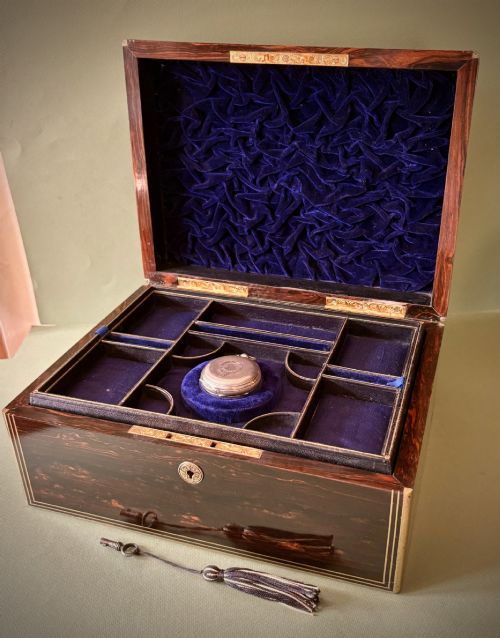
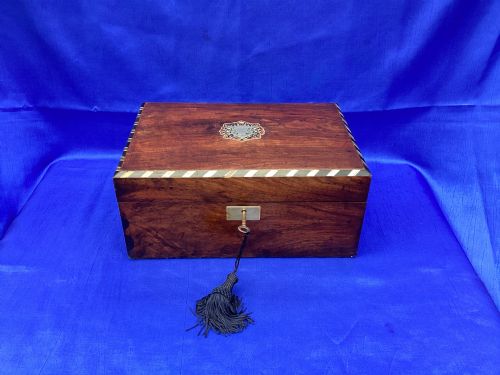
Victorian and Edwardian examples dominate the selection, often taking the form of fitted rosewood or walnut boxes alongside sterling silver designs. Makers across Britain, France, Germany, and beyond produced these containers in styles spanning Regency, Arts and Crafts, Art Nouveau, and Art Deco. Their forms serve as functional storage pieces intended for desktop or dressing table placement.
How They Were Made
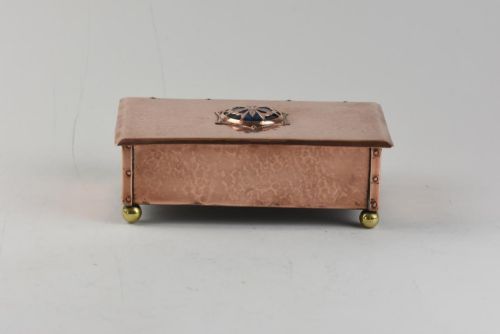
Craftsmen built these containers using robust structural woods like mahogany, rosewood, walnut, and coromandel, frequently incorporating mother-of-pearl inlay, brass banding, or tooled leather coverings. Metal versions utilise cast bronze, ormolu, copper, and solid sterling silver, sometimes embellished with enamel cabochons or cut glass. Surface decoration also includes specialised techniques such as Tunbridge ware mosaic, cloisonné enamel, and hand-painted porcelain panels.
Interiors typically feature fitted trays, compartments, and linings of velvet, silk, or satin to protect delicate items. Hinged lids and secure clasps require precise metalwork, while campaign boxes employ flush brass fittings suited for travel. Skilled joinery and metalcasting ensure the structural integrity of these small caskets across centuries of use.
Vintage Jewellery Casket Retail Price Guide 2026
Typical asking prices for vintage jewellery casket among the pieces listed under this phrase on Sellingantiques today, from the lower quarter to the upper quarter. They describe what is for sale here now, not the wider market.
Some nineteenth-century gentlemen stored cufflink collections in miniature campaign boxes equipped with tiny brass drop handles.
What Varies in Quality
Quality rests upon the execution of surface decoration and the integrity of the internal fittings. Superior examples display crisp chasing on bronze or silver, precise wood inlay, and intact original silk or velvet linings. Lesser pieces show careless assembly, replacement hardware, or worn exterior finishes that detract from the maker's original intent.
The sophistication of the mechanism and the choice of materials further separate standard boxes from exceptional works. Fine pieces incorporate fully fitted removable trays, functioning locks with original keys, and precious metals or exotic woods. The reputation of the workshop or maker also influences the standing of the piece within the range.
Tahan Paris·Susse Freres Paris·J C Vickery·Erhard and Sohne·Posen of Frankfurt and Berlin
The Vintage Jewellery Casket Glossary
- Ormolu
- Gilded bronze used widely for decorative mounts and feet on nineteenth-century caskets. This technique creates a rich gold appearance on metal surfaces.
- Tunbridge Ware
- A form of woodwork featuring intricate mosaic patterns made from tiny wood blocks. Artisans applied these geometric designs to the lids of small trinket boxes.
- Cloisonné
- An enamelwork technique where metal wire forms compartments on a base before paste application. Firing produces vibrant coloured designs across the box surface.
- Coromandel
- A dense, heavily figured timber imported from Asia and used for luxury nineteenth-century boxes. Its dark grain provides a striking contrast to brass inlay.
- Faience
- Tin-glazed earthenware produced in European ceramic centres. Pieces often feature painted rural scenes or floral motifs on the lid and sides.
Vintage Jewellery Casket: Frequently Asked Questions
What fits inside a jewellery casket?
These boxes accommodate rings, earrings, brooches, necklaces, and small personal keepsakes within their partitioned compartments or shallow trays. Many include specialised slots for cufflinks or pocket watches.
Larger cabinets provide multiple tiers for more extensive collections while keeping delicate pieces separated to prevent scratching.
How do I date an old box?
Dating relies on stylistic clues, construction methods, and material choices associated with specific periods like the Victorian era or Art Deco movement. Silver components often bear hallmarks indicating exact assay years and maker marks.
Interior linings and hinge designs also offer reliable indicators of the manufacturing decade.
Where should I place my box?
A dressing table or desktop provides an ideal surface for displaying and utilising these containers daily. Placing them out of direct sunlight prevents the fading of velvet linings and wooden veneers.
Stable indoor humidity protects organic materials like leather, tortoiseshell, and rosewood from warping.
Were these made for travel?
Certain designs, particularly campaign boxes featuring flush brass handles and secure locks, served officers and travellers on long journeys. Other table caskets remained stationary in bedrooms and drawing rooms.
Sturdy construction allowed portable versions to withstand frequent movement without damaging internal fittings.